


When a couple has been unsuccessful at achieving pregnancy after one year of regular, unprotected intercourse, both partners need to undergo a comprehensive physical and medical assessment without delay. This proactive approach is crucial because male factors account for a significant portion, approximately 50%, of all infertility cases, making it imperative to simultaneously examine both partners for potential infertility issues rather than focusing solely on the female. This recommendation underscores a pivotal shift in understanding and addressing fertility challenges, moving away from historical assumptions that often placed the burden of investigation primarily on women.

Understanding Infertility: A Clinical Definition and Timely Intervention
Infertility is medically defined as the inability to conceive after 12 months of unprotected sexual intercourse for couples where the female partner is under 35 years old. For women aged 35 or older, this timeframe is typically reduced to six months, recognizing the natural decline in female fertility with age. This definition is not merely an arbitrary benchmark but a clinically established period after which the probability of natural conception significantly decreases, warranting medical evaluation. The journey to parenthood can be emotionally taxing, and navigating the complexities of fertility issues requires a structured, evidence-based approach. Early intervention and comprehensive diagnostic work-ups are paramount to identifying underlying causes and formulating effective treatment plans. According to the Centers for Disease Control and Prevention (CDC), approximately 12-15% of couples in the United States experience infertility, highlighting the widespread nature of this challenge.

The Paradigm Shift: Why Dual-Partner Evaluation is Essential
For decades, the cultural and medical narrative surrounding infertility often centered on the female partner. However, advancements in reproductive medicine and a deeper understanding of human physiology have unequivocally demonstrated that infertility is a shared concern. Current data, corroborated by numerous studies and organizations like the American Society for Reproductive Medicine (ASRM), consistently show that male factors contribute to about 40-50% of infertility cases, female factors contribute to 40-50%, and combined or unexplained factors account for the remaining 10-20%. This near 50/50 split necessitates a diagnostic strategy that examines both partners concurrently. Delaying male factor evaluation can lead to prolonged emotional distress, unnecessary and potentially invasive procedures for the female partner, and a delayed path to successful conception. The implication is clear: a truly "improved conception playing field" is one where both partners are seen as equally integral to the reproductive process and equally deserving of early, thorough assessment.

Comprehensive Female Fertility Assessment: Unpacking the Process
For the female partner, a comprehensive fertility assessment involves a series of tests designed to evaluate various aspects of her reproductive health. This typically begins with a detailed medical history, including menstrual cycles, previous pregnancies, surgeries, and any chronic medical conditions. Key diagnostic components often include:

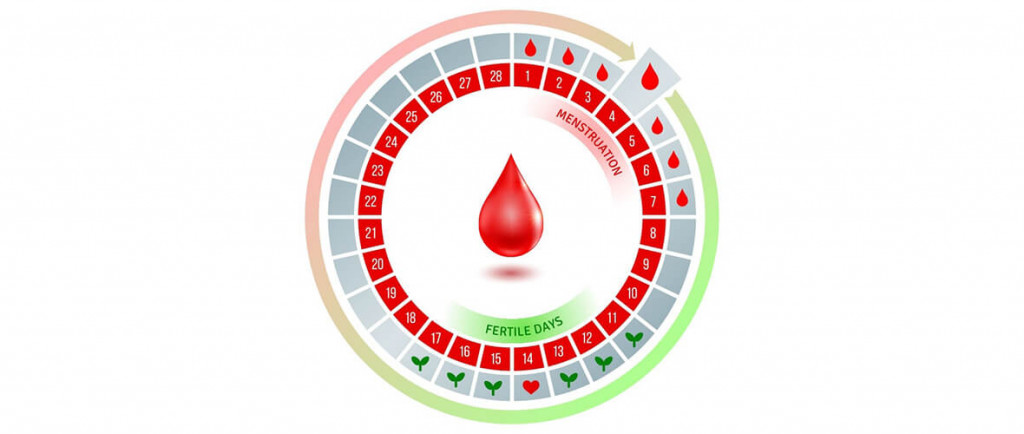
- Ovulation Tracking: This is fundamental, as irregular or absent ovulation is a common cause of female infertility. Methods include basal body temperature (BBT) charting, ovulation predictor kits (OPKs) that detect luteinizing hormone (LH) surges, and blood tests to measure hormone levels (e.g., progesterone on day 21 of the cycle to confirm ovulation).
- Hormone Profile: Blood tests are conducted to assess levels of various hormones critical for reproduction. These include Follicle-Stimulating Hormone (FSH), Luteinizing Hormone (LH), Estradiol, Anti-Müllerian Hormone (AMH), and Thyroid-Stimulating Hormone (TSH). FSH and AMH levels, often checked on day 3 of the menstrual cycle, provide insights into ovarian reserve (the number and quality of eggs remaining).
- Imaging Studies:
- Transvaginal Ultrasound: Used to visualize the uterus, ovaries, and fallopian tubes, checking for structural abnormalities such as fibroids, polyps, ovarian cysts, or signs of endometriosis.
- Hysterosalpingogram (HSG): An X-ray procedure where a dye is injected into the uterus and fallopian tubes to check for blockages or structural issues that could prevent egg transport or implantation.
- Sonohysterogram (Saline Infusion Sonography – SIS): Involves injecting saline into the uterus during an ultrasound to get a clearer view of the uterine cavity, identifying polyps, fibroids, or scar tissue.
- Laparoscopy: In some cases, if other tests are inconclusive or conditions like severe endometriosis or pelvic adhesions are suspected, a minimally invasive surgical procedure called laparoscopy may be performed to directly visualize the reproductive organs.
These tests collectively help pinpoint issues such as ovulatory dysfunction, blocked fallopian tubes, uterine abnormalities, or diminished ovarian reserve, which are among the most prevalent causes of female infertility.

Comprehensive Male Fertility Assessment: Beyond the Semen Analysis
While a semen analysis is the cornerstone of male fertility testing, the assessment typically begins with a thorough medical history, including questions about childhood illnesses (e.g., mumps), surgeries (especially testicular or hernia repair), medications, lifestyle factors (smoking, alcohol, drug use), and sexual history. The physical examination evaluates the penis, scrotum, and testes for any abnormalities. The primary diagnostic tool is:

- Semen Analysis: This laboratory test evaluates several key parameters of a man’s sperm. It assesses:
- Volume: The total amount of ejaculate.
- Sperm Count (Concentration): The number of sperm per milliliter of semen.
- Motility: The percentage of sperm that are actively moving and their quality of movement.
- Morphology: The percentage of sperm that have a normal shape and size.
- Viability: The percentage of live sperm.
- White Blood Cells: Presence can indicate infection.
- pH: Acidity or alkalinity of the semen.
Abnormalities in any of these parameters can indicate male factor infertility, ranging from oligospermia (low sperm count) to azoospermia (absence of sperm) or issues with sperm quality. If initial semen analysis results are abnormal, repeat tests are often recommended to confirm findings, as sperm parameters can fluctuate.

Further investigations for male factor infertility, if indicated by the semen analysis or medical history, might include:
- Hormone Testing: Blood tests to measure levels of testosterone, FSH, LH, and prolactin, which play crucial roles in sperm production.
- Post-Ejaculatory Urinalysis: To check for retrograde ejaculation, where semen enters the bladder instead of exiting the penis.
- Genetic Testing: Karyotyping or Y-chromosome microdeletion testing may be performed if severe sperm count issues are present, as genetic abnormalities can impact sperm production.
- Testicular Biopsy: In cases of azoospermia, a biopsy may be performed to determine if sperm production is occurring in the testes or if there’s an obstruction.
- Specialized Sperm Function Tests: These can evaluate sperm-egg interaction, DNA fragmentation, or oxidative stress, offering deeper insights into sperm quality beyond standard parameters.
The thoroughness of these assessments ensures that a wide range of potential male factor issues, from hormonal imbalances to genetic conditions or structural blockages, can be identified.

Common Causes of Infertility: A Brief Overview
While the diagnostic tests help identify specific issues, it’s useful to understand the common categories of infertility:

- Female Factors:
- Ovulatory Disorders: Polycystic Ovary Syndrome (PCOS), hypothalamic dysfunction, premature ovarian insufficiency.
- Tubal Factors: Blocked or damaged fallopian tubes, often due to pelvic inflammatory disease (PID), endometriosis, or previous abdominal surgery.
- Uterine Factors: Uterine fibroids, polyps, septate uterus, or adhesions.
- Endometriosis: A condition where endometrial tissue grows outside the uterus, potentially affecting ovarian and tubal function.
- Diminished Ovarian Reserve: Age-related decline in egg quantity and quality.
- Male Factors:
- Sperm Production Problems: Low sperm count (oligospermia), no sperm (azoospermia), or poor sperm quality (motility, morphology issues) due to hormonal imbalances, genetic defects, varicocele, or testicular damage.
- Sperm Delivery Issues: Blockages in the reproductive tract, retrograde ejaculation, or erectile/ejaculatory dysfunction.
- Lifestyle Factors: Smoking, excessive alcohol, certain medications, exposure to toxins, and obesity can negatively impact sperm health.
- Unexplained Infertility: In approximately 10-20% of cases, all standard diagnostic tests for both partners come back normal, yet conception does not occur. This can be particularly frustrating but often still responds to fertility treatments.
The Emotional and Financial Dimensions of the Fertility Journey
Beyond the clinical assessments, the journey through infertility is profoundly emotional and can be financially demanding. Couples often experience a roller coaster of hope and despair, anxiety, grief, and stress. The diagnostic period itself, with its myriad tests and waiting times, can be particularly challenging. Open communication between partners, seeking support from friends, family, or professional counselors, and joining support groups are vital coping mechanisms. Moreover, fertility treatments, depending on their complexity, can incur significant costs, which may or may not be covered by insurance. This financial strain adds another layer of stress to an already difficult situation, making early diagnosis and targeted treatment all the more important to streamline the process and potentially reduce overall expenses.

The Path Forward: Treatment and Support
Once a diagnosis is made, a personalized treatment plan can be developed. Options range from lifestyle modifications and medication to assisted reproductive technologies (ART) such as in vitro fertilization (IVF) or intrauterine insemination (IUI). The specific treatment recommended will depend on the identified cause(s) of infertility, the couple’s age, and their preferences. The American Pregnancy Association, among other organizations, offers valuable resources, including helplines and chat services, to provide support and guidance throughout this complex journey.

Expert Consensus and Broader Implications
The unified recommendation for simultaneous, comprehensive evaluation of both partners by leading reproductive health organizations signifies a maturation in the field of infertility care. It emphasizes efficiency, reduces emotional strain by avoiding sequential, drawn-out investigations, and ultimately improves the chances of a timely and successful outcome. The broader implication is a more equitable and effective approach to reproductive healthcare, recognizing that fertility is a delicate balance of male and female physiology. This proactive diagnostic strategy empowers couples with knowledge, enabling informed decisions about their reproductive future and access to the most appropriate and effective interventions. It represents a commitment to comprehensive care, ensuring that every couple facing the challenge of infertility receives the most advanced and empathetic support available.
This evidence-based article is maintained and verified by the APA Content Validation Team.
Last Revision: February 20, 2026
