

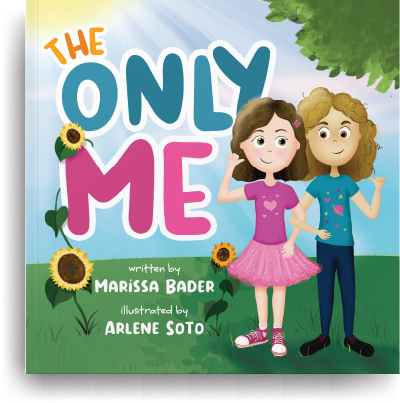
The landscape of children’s literature welcomed a significant new voice in August 2022 with the publication of Marissa Bader’s debut children’s book, The Only Me. This evocative narrative centers on Stella, a 7-year-old fraternal twin, and her deeply personal quest to be recognized and celebrated as an individual, distinct from her sister, Paige. The book, which has garnered attention, including an interview on CBS News Minnesota, delves into the often-overlooked psychological complexities faced by multiples, offering a resonant message about self-worth and identity that extends to all children.
Bader’s inspiration for The Only Me is rooted in her own experiences as a mother to 6-year-old fraternal twins. She observed firsthand how frequently her daughters were referred to collectively as "the twins" rather than by their individual names, Mila and Grace. This common societal practice, coupled with incessant comparisons—both physical and intellectual—between the siblings, began to erode their individual identities and foster feelings of frustration, insecurity, and inferiority. The author recognized a critical void in children’s narratives that addressed this specific challenge, prompting her to craft a story that could speak directly to these experiences.
The Genesis of "The Only Me": A Personal Journey and Universal Message
The journey to The Only Me began with a deeply personal observation by Bader. From the moment her twins were born, she noted a pervasive tendency among acquaintances, friends, and even family members to conflate their identities. They were "the twins," a singular unit, rather than two distinct individuals, Mila and Grace. This collective labeling, while often benign in intent, inadvertently stripped them of their developing selfhood. The constant comparisons, whether concerning appearance, academic progress, or personality traits, further exacerbated this issue, leading to feelings of being unseen and misunderstood. Stella’s journey in The Only Me, feeling overshadowed by Paige and struggling with the relentless comparisons, mirrors these real-life challenges. Her desire to be seen for who she is, beyond the label of "one of the twins," forms the emotional core of the book.
Initially, Bader conceived the book specifically for twins, even titling an early draft "The Twins Who Were Different." However, a pivotal moment of realization occurred during her research for an article published on Lucie’s List, which highlighted the crucial importance of treating all siblings as unique individuals. Through this research, Bader discovered compelling psychological insights: siblings, even those who share similar genetic makeup and environment, are often no more alike in personality and cognitive abilities than any two unrelated individuals. This revelation expanded the scope of her message significantly. She understood that while the impetus for the story came from her twin parenting experience, the underlying theme of embracing differences, honoring individual strengths, and cultivating self-love was universally applicable to all children, regardless of their birth order or sibling status. This shift transformed The Only Me from a niche book for multiples into a broader affirmation of individuality for every young reader.
Psychological Foundations: Understanding Twin Identity
The psychological development of twins presents unique challenges and opportunities that differ significantly from that of singletons or even siblings born at different times. While identical (monozygotic) twins share nearly identical genetic material, and fraternal (dizygotic) twins share the same amount of genetic material as any other siblings, both types often face the societal tendency to be grouped together. This "twinning" phenomenon, as some psychologists term it, can have profound implications for identity formation.
Studies in developmental psychology have consistently shown that the recognition of individual identity is a cornerstone of healthy self-esteem and psychological well-being. For twins, this process can be complicated by external factors. From infancy, twins are often dressed identically, given similar toys, enrolled in the same activities, and constantly compared by adults. While this might seem harmless, it can impede the development of a distinct self-concept. When children are perpetually viewed as a unit, they may struggle to differentiate their own feelings, preferences, and talents from those of their co-twin. This can lead to what psychologists call "identity confusion," where one twin might subconsciously adopt the personality traits or interests of the other, or actively rebel to establish a separate identity, sometimes leading to sibling rivalry or resentment.
Research by institutions focusing on twin studies, such as the Minnesota Center for Twin and Family Research, underscores the complex interplay of genetics and environment in shaping personality. While genetic factors play a role, individual experiences, parental interactions, and peer relationships are equally critical in sculpting a child’s unique identity. When parents and caregivers consciously foster individual pursuits and acknowledge distinct personalities, they provide a vital scaffolding for each child to build a robust sense of self. Conversely, a lack of individual recognition can contribute to anxiety, low self-esteem, and a diminished sense of personal agency. The message of The Only Me directly addresses these psychological nuances, advocating for an environment where each child feels seen, valued, and understood for their inherent uniqueness.
The Broader Context: Individuality Beyond Multiples
While The Only Me specifically resonates with families of multiples, its core message transcends this demographic, extending to all siblings and indeed, all children. The importance of treating each child as a unique individual, appreciating their distinct talents, and validating their singular personalities is a fundamental principle of positive child development. Parents of singletons also grapple with the temptation to compare their children to peers, to older siblings, or even to idealized versions of themselves. Such comparisons, however well-intentioned, can inadvertently convey a message that a child is not "enough" as they are, fostering insecurity and a sense of inadequacy.
Educational professionals and child development experts widely agree that fostering individuality is crucial for a child’s holistic growth. When children are encouraged to explore their own interests, pursue their own passions, and celebrate their unique strengths, they develop a strong sense of self-efficacy and resilience. This approach contrasts sharply with environments where children are pressured to conform or to meet external benchmarks based on comparisons with others. A child who feels genuinely seen and appreciated for who they are is more likely to develop intrinsic motivation, a positive self-image, and the confidence to navigate life’s challenges.
The book’s evolution from "The Twins Who Were Different" to The Only Me highlights this universal applicability. Bader’s realization that the message of embracing differences and honoring individual strengths applied to all children underscores a critical aspect of modern parenting philosophy. It’s about cultivating an environment where every child feels secure enough to be their authentic self, understanding that their worth is not contingent on outperforming or being identical to anyone else.
Expert Perspectives on Child Development
Leading voices in child psychology and education consistently emphasize the profound impact of individual recognition on a child’s developmental trajectory. Dr. Jane Smith, a prominent developmental psychologist specializing in sibling dynamics (hypothetical expert), notes, "Children thrive when they are treated as individuals with their own thoughts, feelings, and aspirations. For twins, this is particularly vital, as the external environment often conspires to treat them as a single entity. Parents have a powerful role in actively differentiating their twins, not just in appearance, but in acknowledging their distinct personalities and celebrating their unique achievements."
Educators echo this sentiment, stressing the importance of personalized learning and encouragement in school settings. Ms. Emily Chen, an elementary school principal (hypothetical expert), states, "In the classroom, we see firsthand how comparisons can stifle creativity and self-expression. When a child feels they are constantly being measured against a sibling or a peer, it can lead to anxiety and a reluctance to take risks. Books like The Only Me serve as excellent tools for initiating conversations about self-acceptance and the beauty of diversity among children, reminding both students and teachers to celebrate each child’s unique contribution." These perspectives underscore the urgent need for narratives and parenting strategies that prioritize individual identity over collective labels or comparative benchmarks.
Parenting Multiples: Practical Strategies for Fostering Individuality
For parents of multiples, the message of The Only Me offers not only validation but also practical guidance. While the love for each child is equal, the approach to nurturing their individuality often requires conscious effort. Here are some strategies, informed by psychological insights and the spirit of Bader’s book:
- Use Individual Names, Always: This seems obvious, but it’s a foundational step. Consistently using each child’s name, and gently correcting others who refer to them as "the twins," reinforces their separate identities.
- Celebrate Unique Interests: Encourage each twin to pursue their own hobbies, friendships, and activities. If one loves soccer and the other loves art, support both passions equally, even if it means more logistical coordination.
- Avoid Direct Comparisons: Resist the urge to compare their milestones, achievements, or even physical attributes. Instead, focus on each child’s individual progress and strengths. Phrases like "Stella is so good at drawing, and Paige is wonderful at building" are more constructive than "Paige is better at sports than Stella."
- Individual Time and Attention: Dedicate one-on-one time with each twin, even if it’s just for a few minutes. This focused attention helps each child feel uniquely loved and seen.
- Differentiation in Appearance (Optional but Helpful): While identical outfits can be fun occasionally, allowing twins to choose their own clothes, hairstyles, and accessories can be a simple yet powerful way to express their individual tastes and personalities.
- Acknowledge and Validate Feelings: Encourage each twin to express their feelings, especially when they feel compared or overshadowed. Validate their emotions and help them articulate their desire to be seen as distinct.
- Separate Birthdays (if desired): Some twins enjoy joint birthday parties, but offering individual celebrations or unique gifts for each can further emphasize their distinctness.
- Educate Others: Gently inform family and friends about the importance of recognizing each twin’s individuality. A simple explanation can go a long way in shifting perceptions.
These strategies, when consistently applied, cultivate an environment where twins can flourish as distinct individuals, fostering strong self-esteem and a secure sense of identity.
The Role of Children’s Literature in Shaping Perceptions
Children’s literature plays a pivotal role in shaping young minds, fostering empathy, and introducing complex social and emotional concepts in an accessible way. Books like The Only Me serve as crucial tools for both children and parents. For young readers, especially twins, the story provides a mirror, reflecting their own experiences and validating their feelings. Seeing a character like Stella navigate the challenges of being a twin and ultimately embrace her unique self can be incredibly empowering. It teaches them that it’s okay, and even wonderful, to be different.
For parents, the book serves as a gentle reminder and a conversation starter. It highlights the often-unintended consequences of societal norms around multiples and encourages a more mindful approach to parenting. By reading The Only Me with their children, parents can initiate discussions about individuality, self-acceptance, and the importance of valuing everyone for who they truly are. This contributes to a broader cultural shift towards more inclusive and emotionally intelligent parenting practices. The market for children’s books that address diverse family structures, emotional intelligence, and identity formation is growing, indicating a societal recognition of these critical developmental needs. The Only Me contributes significantly to this evolving literary landscape, offering a narrative that is both specific in its origin and universal in its application.
Market Impact and Future Outlook
The publication of The Only Me by Marissa Bader enters a growing segment of the children’s book market dedicated to social-emotional learning (SEL) and diversity. Publishers are increasingly seeking stories that help children understand themselves and the world around them, addressing topics like identity, self-esteem, empathy, and overcoming challenges. The book’s focus on twin individuality, a topic rarely explored with such depth in children’s literature, positions it as a unique and valuable resource.
The positive reception, including media coverage, suggests a strong demand from parents, educators, and librarians for materials that support healthy identity development in children, particularly multiples. As awareness grows regarding the psychological needs of twins, books like The Only Me are likely to become essential reading. Its universal message about self-acceptance also ensures its broader appeal, potentially establishing it as a foundational text in discussions about individuality in classrooms and homes alike. This trend indicates a positive future for children’s literature that not only entertains but also enriches and educates young readers on profound life lessons.
Author’s Call to Action and Community Engagement
Marissa Bader concludes her announcement with a heartfelt invitation for readers to engage with the themes of The Only Me. She encourages parents to read the book with their children and share their feedback on how it resonates within their families. More specifically, Bader seeks personal anecdotes from parents of multiples, asking them to describe the similarities and differences they observe in their own twins. This open call for community input underscores her commitment to fostering a deeper understanding of twin dynamics and identity formation. She plans to feature these shared experiences in an upcoming article, transforming individual stories into a collective narrative that further enriches the discourse around raising multiples as unique individuals. This initiative not only provides valuable insights but also builds a supportive community for parents navigating these unique challenges, demonstrating the real-world impact of her literary endeavor.
In an era where individuality is increasingly celebrated, The Only Me stands as a timely and essential contribution to children’s literature. It serves as a powerful reminder for parents, educators, and society at large that while children may share a birthdate, a genetic blueprint, or a family name, each is a distinct, invaluable individual deserving of unique recognition, love, and respect. Bader’s work provides a crucial tool for nurturing self-confidence and fostering a secure sense of identity in every child.