

The global probiotic market, valued at approximately $70 billion in 2023, continues to expand as consumers increasingly seek natural solutions for digestive health, immunity, and mental well-being. However, a growing body of clinical evidence and consumer reports suggests a significant gap between the marketing promises of these supplements and their actual physiological efficacy, particularly concerning women’s health. While the "probiotic revolution" has introduced thousands of products to retail shelves, industry experts warn that generic formulations often fail to survive the human digestive process or address the specific biological requirements of the female microbiome. This discrepancy has led to a re-evaluation of supplement design, focusing on survivability, strain specificity, and the integration of prebiotic fibers.
The Biological Barrier: Gastric Acid and Probiotic Survivability
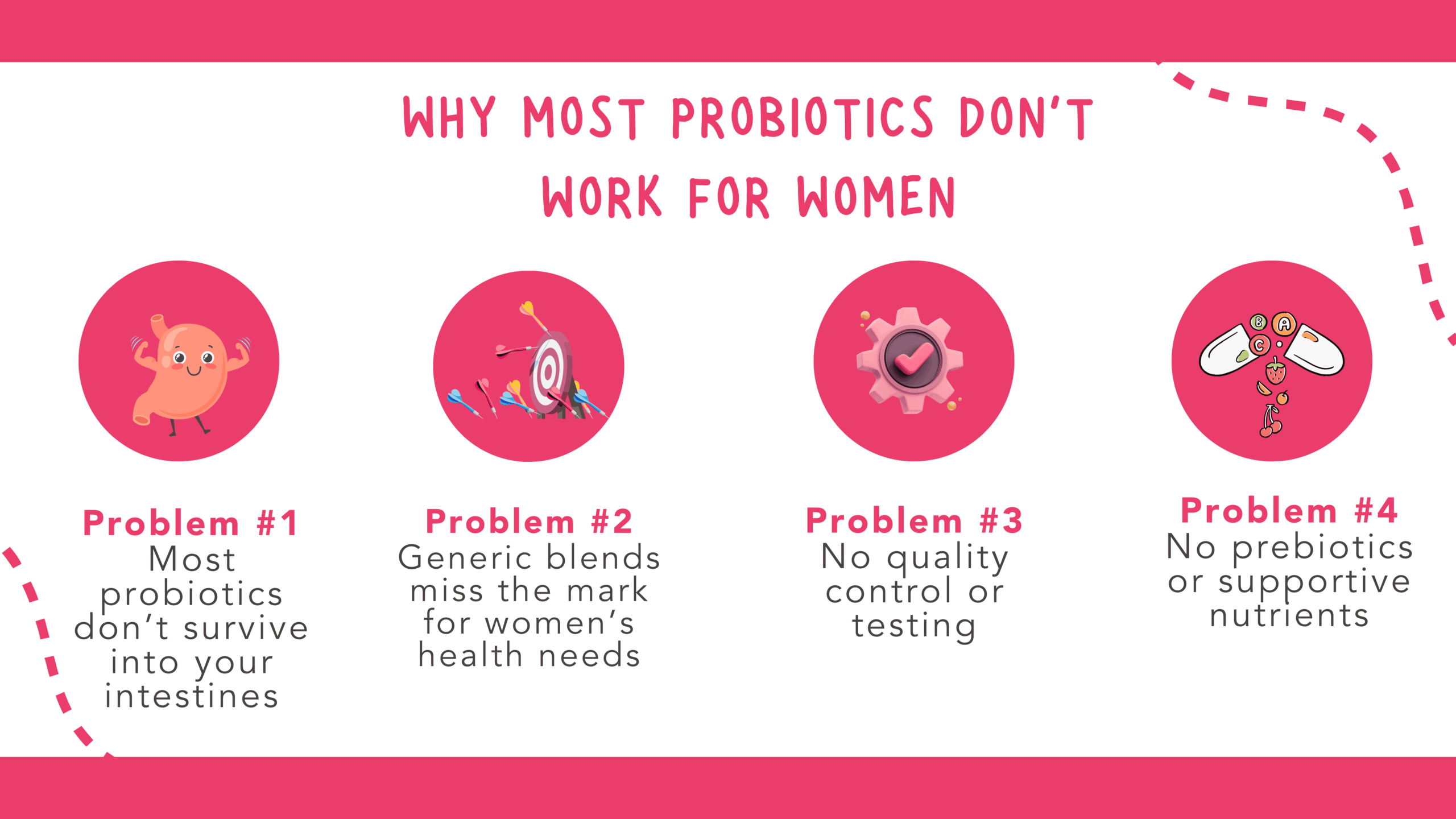
One of the primary obstacles to probiotic efficacy is the harsh environment of the human upper gastrointestinal tract. The stomach utilizes hydrochloric acid to maintain a pH level typically ranging from 1.5 to 3.5. While this acidity is a vital defense mechanism against foodborne pathogens, it is often lethal to the delicate live cultures found in many commercial supplements.
Data from independent laboratory testing indicates that without specialized protective measures, a significant percentage of probiotic bacteria perish within thirty minutes of exposure to gastric juices. To combat this, advanced formulations have moved toward a strategy known as "potent overage." This manufacturing process involves incorporating a higher number of Colony Forming Units (CFUs) than the amount stated on the label at the time of expiration. By "over-stuffing" the capsule with extra bacteria, manufacturers aim to ensure that a therapeutic dose remains viable after navigating the stomach and reaching the small and large intestines.
Unlike traditional enteric coatings, which can sometimes fail to dissolve at the correct physiological junction, the use of resilient, scientifically-backed strains—such as certain species of Lactobacillus and Bifidobacterium—has shown greater promise in surviving the transit to the "gut garden."
The Gender Gap in Microbiome Research and Formulation
Historically, clinical trials in many medical fields have leaned toward male-centric data, and the probiotic industry is no exception. However, women’s health requirements are distinct due to the complex interplay between the gut microbiome, the endocrine system, and the vaginal microbiome. Hormonal fluctuations during the menstrual cycle, pregnancy, and menopause significantly alter the internal environment, necessitating targeted microbial support.
Generic probiotic blends often overlook the specific strains required to maintain vaginal pH and prevent the overgrowth of opportunistic pathogens like Candida albicans or E. coli, the latter of which is a primary cause of urinary tract infections (UTIs). Research highlights specific strains that offer targeted benefits for women:
- Lactobacillus rhamnosus: Extensively studied for its ability to colonize the vaginal tract and support immune function.
- Lactobacillus gasseri: Linked in several clinical trials to improved metabolic health and the maintenance of a healthy vaginal ecosystem.
- Lactobacillus reuteri: Known for its role in reducing inflammatory markers and supporting digestive regularity.
- Bifidobacterium longum: Often associated with the "gut-brain axis," helping to modulate the body’s response to stress and anxiety.
The shift toward "Femtech" in the supplement industry reflects a broader demand for products that move beyond general digestive aid to address hormonal acne, yeast infection prevention, and pregnancy-related digestive shifts.
The Integrity Crisis: Quality Control and Label Accuracy
The dietary supplement industry operates under the Dietary Supplement Health and Education Act of 1994 (DSHEA) in the United States, which means products are not subject to the same rigorous pre-market approval as pharmaceutical drugs. This regulatory environment has led to documented issues with product integrity.
A study published in the journal Bioinformatics and Biomedical Engineering revealed that a substantial portion of probiotics on the market did not contain the quantity of live bacteria claimed on the packaging. In some instances, researchers found that products contained entirely different species than those listed, or in the worst cases, no live cultures at all.
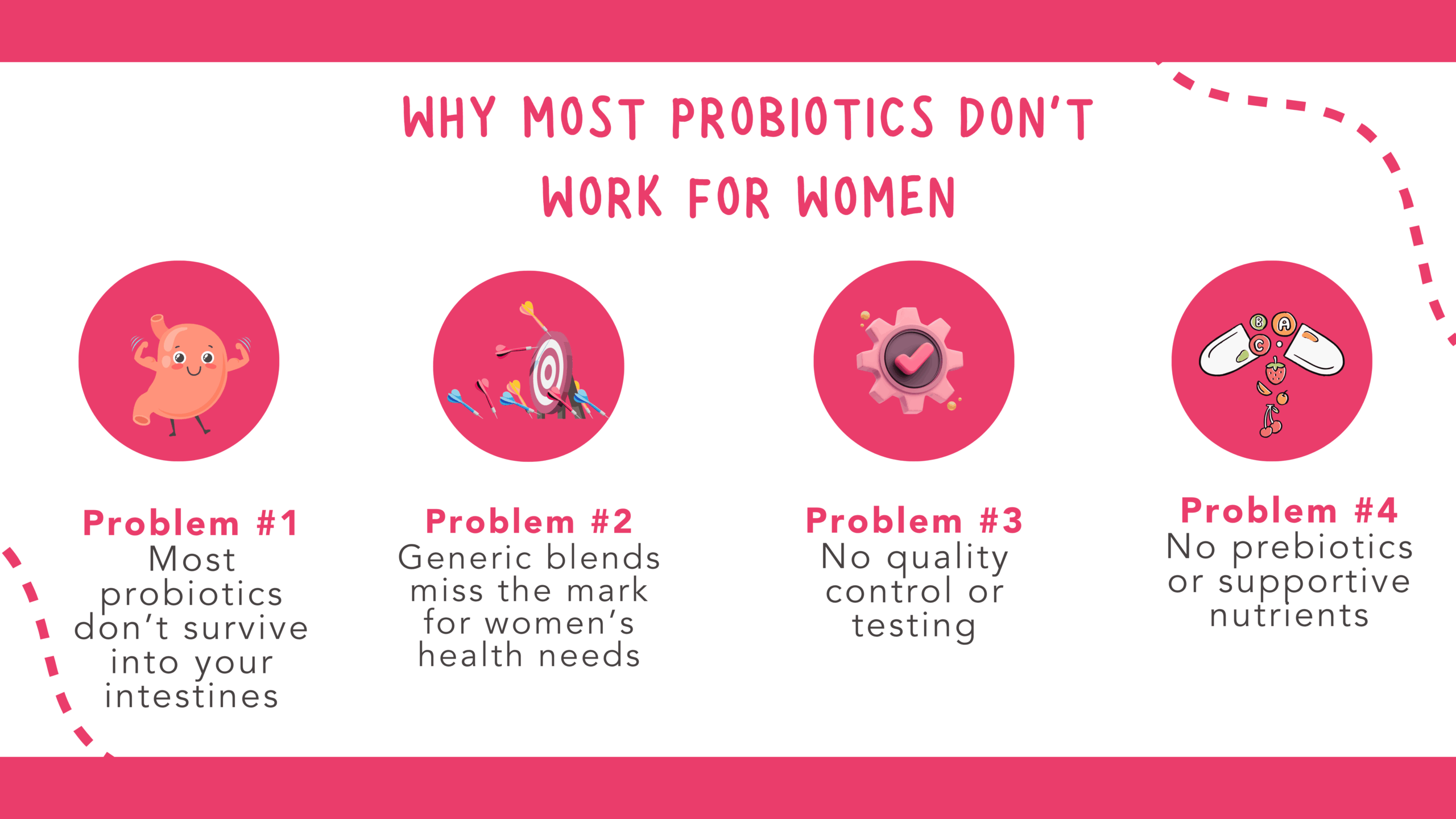
This lack of transparency is compounded by the absence of third-party testing. Without independent verification from organizations like the NSF (National Sanitation Foundation) or USP (United States Pharmacopeia), consumers have little assurance that the "friendly bacteria" they are purchasing are alive or safe. Industry leaders are now calling for stricter manufacturing protocols, including climate-controlled shipping and storage, to prevent the degradation of heat-sensitive strains before they reach the consumer.
The Role of Symbiotics: Integrating Prebiotics and Whole-Food Nutrients
The latest evolution in gut health is the move from probiotics to "synbiotics"—supplements that combine live bacteria (probiotics) with the specific fibers (prebiotics) required to feed them. Without an adequate food source, even the most resilient probiotics may fail to colonize the gut effectively.
Data from the American Society for Nutrition suggests that approximately 95% of American adults do not meet the recommended daily intake of fiber (25 grams for women and 38 grams for men). This "fiber gap" creates a hostile environment for beneficial bacteria. To address this, high-quality formulations are increasingly incorporating organic, whole-food prebiotics.
One notable example is the use of baobab fruit fiber, harvested from the Adansonia tree, commonly known as the "Tree of Life" in Africa. Baobab is not only a potent source of soluble and insoluble fiber but is also rich in antioxidants and Vitamin C. When included in a probiotic capsule, it acts as a built-in nutrient source, ensuring the bacteria have the fuel necessary to thrive upon arrival in the intestines. Furthermore, the exclusion of synthetic fillers, binders, and common allergens (such as soy, gluten, and dairy) is becoming a standard for "clean label" products catering to health-conscious female demographics.
Chronology of Gut Rebalancing: What Consumers Can Expect
The restoration of the gut microbiome is not an instantaneous process. Clinical observations suggest a specific timeline for those beginning a high-quality probiotic regimen:
- Days 1–7 (Initial Colonization): The body begins to introduce new microbial strains. Some individuals may experience mild bloating or changes in digestion as the new bacteria compete with existing flora.
- Weeks 2–4 (Equilibrium): Beneficial bacteria begin to settle and multiply. This period is typically when users report improved regularity, reduced bloating, and a stabilization of energy levels.
- Month 2 and Beyond (Systemic Impact): Long-term benefits, including clearer skin, enhanced immune response, and improved mood regulation, generally manifest after consistent use, provided the supplement is paired with a diet rich in fermented foods and fiber.
Health professionals emphasize that consistency is the most critical factor in achieving results. A "pulsed" approach to probiotics—taking them only when symptoms appear—is generally less effective than daily maintenance of the internal ecosystem.
Broader Implications for Personalized Nutrition and Public Health
The move toward specialized probiotics like the Mama Natural Women’s Probiotic represents a larger trend toward personalized nutrition. As the medical community gains a deeper understanding of the "second brain" in the gut, the implications for public health are profound. Probiotic therapy is being explored as a complementary treatment for conditions ranging from Irritable Bowel Syndrome (IBS) to postpartum depression and autoimmune disorders, which disproportionately affect women.
However, the burden of choice remains with the consumer. To ensure efficacy, experts recommend that women look for products that specify the exact strain (e.g., Lactobacillus rhamnosus HN001 rather than just Lactobacillus), provide a CFU count that is guaranteed at the time of expiration, and include a prebiotic component.
As the industry moves toward greater transparency and scientific rigor, the focus is shifting from simply "adding more bacteria" to "adding the right bacteria" and ensuring they survive. For the millions of women who have found traditional probiotics ineffective, these advancements in formulation—focusing on survivability, female-specific strains, and whole-food prebiotics—offer a data-driven path toward genuine gut health and systemic balance. The future of the microbiome market lies not in generic promises, but in the precision of the "gut garden" approach, where the specific needs of the female body are the primary blueprint for design.