

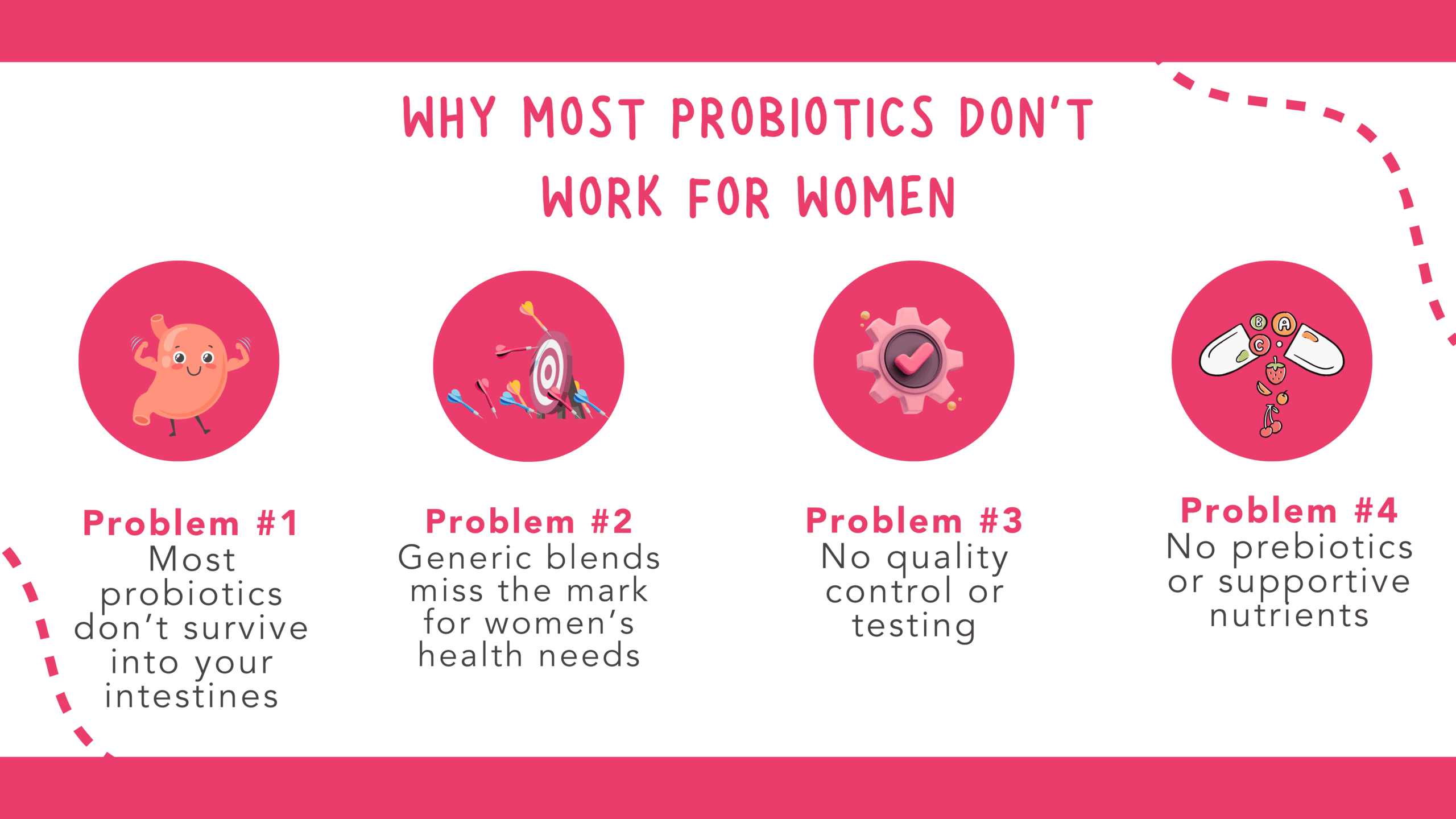
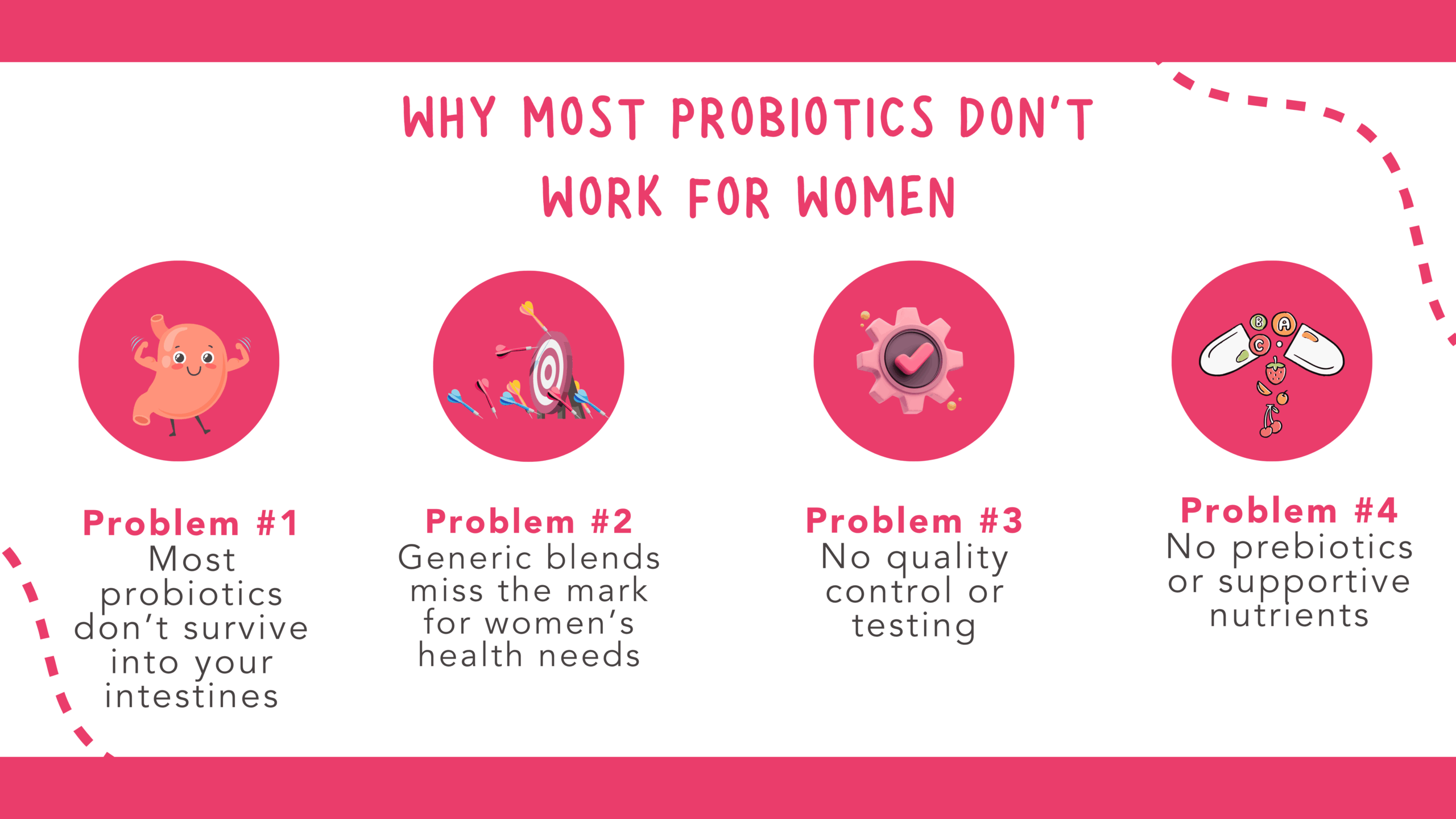
The global probiotic market, valued at approximately $70 billion as of 2023, continues to expand as consumers increasingly seek natural solutions for digestive health, immunity, and mental well-being. However, a growing body of clinical research and consumer feedback suggests a significant gap between the marketing promises of these supplements and their actual physiological impact, particularly concerning the female biological profile. Industry analysts and healthcare professionals point to four primary systemic failures in the current probiotic landscape: inadequate survival rates through the gastrointestinal tract, a lack of gender-specific strain selection, inconsistent quality control measures, and the omission of necessary prebiotic catalysts.
The Physiological Barrier of Gastric Acidity and Bacterial Survivability
The primary challenge for any oral probiotic supplement is the journey through the human digestive system. The stomach utilizes highly concentrated hydrochloric acid, maintaining a pH typically ranging from 1.5 to 3.5. While this environment is essential for breaking down proteins and neutralizing ingested pathogens, it is inherently hostile to most beneficial bacteria. Clinical studies have indicated that a substantial percentage of live cultures in standard probiotic supplements are destroyed before they reach the small or large intestines, where they are intended to colonize and provide health benefits.
To counter this biological hurdle, specialized manufacturers have begun employing a strategy known as "potent overage." This process involves formulating the supplement with a significantly higher number of Colony Forming Units (CFUs) than the amount stated on the label for the end of the product’s shelf life. By over-packing the initial dosage with resilient, well-researched strains, these formulations increase the probability that a therapeutic threshold of bacteria will survive the transit to the gut. This approach often supersedes the need for synthetic enteric coatings, which can sometimes fail to dissolve at the appropriate stage of digestion.
The Evolution of Gender-Specific Microbiome Research
Historically, the probiotic industry has favored "general wellness" blends, often utilizing a narrow range of well-known strains like Lactobacillus acidophilus or Bifidobacterium lactis. While these strains offer broad digestive support, they often overlook the nuanced requirements of the female anatomy. Women’s health is uniquely influenced by the "estrobolome"—a collection of bacteria in the gut specifically tasked with metabolizing and modulating the body’s circulating estrogen.
Furthermore, the female body requires support for the vaginal microbiome, which is dominated by specific Lactobacillus species. When this delicate balance is disrupted, it can lead to common issues such as yeast infections or bacterial vaginosis. Modern clinical formulations are now pivoting toward strain-specific inclusions, such as:
- Lactobacillus rhamnosus: Extensively studied for its ability to survive the GI tract and support both vaginal and urinary tract health.
- Lactobacillus reuteri: Known for its role in maintaining a healthy microbial balance and supporting the immune system’s response to inflammation.
- Lactobacillus gasseri: Frequently researched for its potential role in metabolic health and vaginal ecosystem stability.
- Bifidobacterium longum: A key strain for stabilizing the gut lining and supporting the "gut-brain axis," which influences mood and stress levels.
Chronology of Probiotic Development and Market Regulation
The trajectory of probiotic supplementation has moved through several distinct phases over the last century:
- The Early 20th Century (1900s–1930s): Nobel laureate Ilya Mechnikov popularized the concept of "prolonging life" through the consumption of lactic acid bacteria found in fermented milks, specifically targeting the Bulgarian population’s longevity.
- The Industrial Expansion (1950s–1980s): The isolation of specific strains led to the mass production of yogurt and early dietary supplements, though these were often unregulated and lacked strain-specific identification.
- The Genomic Revolution (1990s–2010s): Advances in DNA sequencing allowed scientists to map the human microbiome, revealing that the benefits of probiotics are strain-dependent rather than genus-dependent.
- The Precision Era (2020–Present): The focus has shifted toward gender-specific, third-party verified, and shelf-stable formulations that address specific health outcomes rather than general maintenance.
Despite these advancements, regulatory oversight remains a challenge. In the United States, the Food and Drug Administration (FDA) regulates probiotics as dietary supplements rather than drugs. This means products do not require pre-market approval for efficacy before they are sold to the public. An independent study published in the Journal of Clinical Gastroenterology previously highlighted that some commercial probiotics contained significantly fewer live organisms than advertised, and in some cases, contained species not listed on the label at all.
The Critical Role of Prebiotics and Synergistic Nutrients
A significant oversight in many commercial formulations is the absence of prebiotics—non-digestible fibers that act as "fuel" for probiotic bacteria. Without an accompanying prebiotic, introduced bacteria may fail to flourish or establish long-term colonies in the gut.
Recent innovations in the field have highlighted the use of whole-food prebiotic sources, such as fiber from the Baobab tree (Adansonia digitata). Known in many cultures as the "Tree of Life," the Baobab fruit provides a potent source of soluble and insoluble fiber, along with a high concentration of antioxidants and Vitamin C. Integrating 100 mg or more of such fiber into a probiotic capsule creates a "synbiotic" effect, enhancing the viability of the bacteria.
For women, who are advised to consume approximately 25 grams of fiber daily, these additions serve a dual purpose. Beyond supporting the probiotic cultures, supplemental fibers assist in regular bowel movements and the stabilization of blood sugar levels, which are critical components of hormonal health.
Industry Standards and Consumer Transparency
As the market matures, transparency regarding manufacturing practices has become a primary differentiator for high-quality brands. Professional-grade supplements are now expected to adhere to several key standards:
- Third-Party Verification: Testing by independent laboratories (such as NSF or USP) to ensure the CFU count and strain purity match the label.
- Allergen and Filler Exclusion: The removal of common irritants such as gluten, soy, dairy, and artificial binders that can exacerbate digestive issues in sensitive individuals.
- Strain Specificity: Moving beyond generic names to list specific designations (e.g., Lactobacillus rhamnosus GR-1) which correlate to specific clinical trials.
- Vegan and Non-GMO Certification: Aligning with the dietary preferences and safety concerns of modern consumers.
Expert consensus suggests that for these formulations to be effective, consistency is paramount. The human gut microbiome is a dynamic ecosystem; introducing new, beneficial bacteria requires a sustained period of 14 to 28 days to notice significant shifts in digestion, skin clarity, or mood.
Broader Implications for Integrative Medicine
The shift toward more robust, female-centric probiotics reflects a broader movement in integrative medicine toward "precision nutrition." By acknowledging that the female microbiome interacts differently with the immune system and endocrine system than the male microbiome, researchers are paving the way for more effective preventative care.
The implications of these advancements extend beyond simple digestion. Correcting gut dysbiosis has been linked to improved mental health outcomes, reduced systemic inflammation, and better management of autoimmune conditions—many of which disproportionately affect women. As consumers become more "label-literate," the pressure on the supplement industry to provide scientifically backed, high-survival, and gender-targeted products is expected to intensify, eventually weeding out generic formulations that fail to survive the biological rigors of the human body.
In conclusion, while the initial promises of the probiotic industry were often marred by poor survivability and generic formulations, the current evolution toward strain-specific, prebiotic-supported, and third-party verified supplements offers a more viable path for women seeking to optimize their long-term health. The focus has moved from merely "taking a pill" to "nourishing an ecosystem," a distinction that is fundamental to the future of nutritional science.