

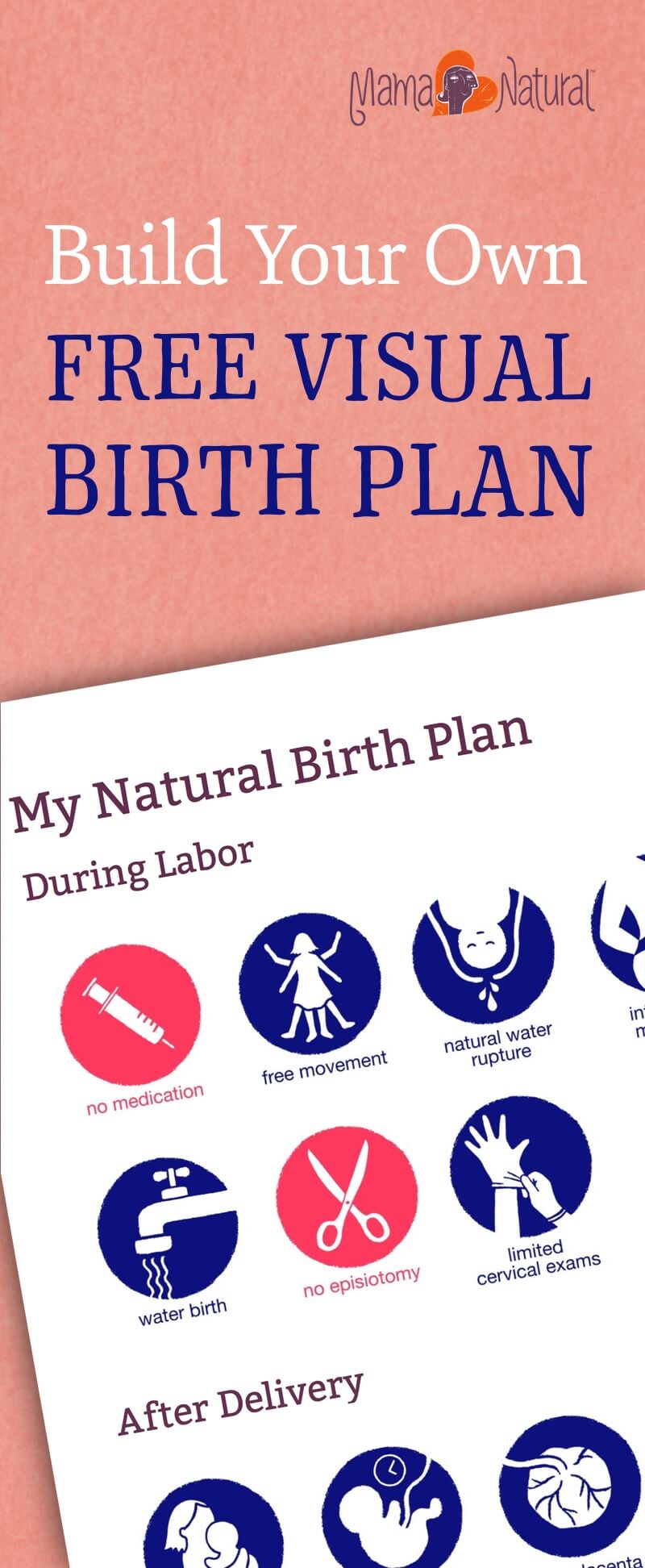
The landscape of maternal healthcare is witnessing a significant shift toward standardized, visual communication tools designed to bridge the gap between expectant parents and clinical staff. As the medical community places increasing emphasis on patient-centered care, the "visual birth plan" has moved from a niche preference to a recognized instrument for improving delivery room dynamics. These documents, which utilize icons and concise directives rather than traditional long-form narratives, are being adopted to ensure that a laboring mother’s preferences—ranging from pain management to immediate postpartum care—are understood and respected by rotating hospital shifts. The recent release of the 2025 Visual Birth Plan Template by maternal health advocates signifies a broader movement toward streamlining these preferences into a single-page, high-utility format that addresses both natural physiological birth and surgical interventions like the "gentle cesarean."
The Evolution of Birth Planning in Clinical Settings
The concept of a birth plan originated in the late 1970s and early 1980s as a response to the increasing medicalization of childbirth. Initially, these documents were intended to empower women to regain autonomy over their birthing experiences. However, over the subsequent decades, the traditional birth plan often became a source of friction between patients and providers. Clinical reports from the 1990s and early 2000s suggested that many healthcare providers viewed multi-page, text-heavy birth plans as "inflexible" or "adversarial," sometimes leading to a perceived "birth plan paradox" where patients with the most detailed plans reported the lowest levels of satisfaction if the labor did not follow the scripted path.
The transition to visual birth plans represents a chronological evolution in health literacy. By replacing dense paragraphs with universally recognized icons, the visual plan addresses the fast-paced environment of a Labor and Delivery (L&D) unit. In high-pressure situations, medical staff often lack the time to read a three-page essay on a patient’s philosophies. The visual format allows a nurse or attending physician to scan a bedside chart in seconds and identify critical preferences, such as "no episiotomy," "delayed cord clamping," or "intermittent monitoring."
Statistical Impact of Birth Planning on Maternal Satisfaction
Research indicates that the primary value of a birth plan lies not in the rigid adherence to a specific outcome, but in the communication process it facilitates. According to a study published in the Journal of Perinatal Education, women who prepared a birth plan reported higher levels of perceived control during labor, which is a key indicator of long-term psychological well-being postpartum. Furthermore, data from the American College of Obstetricians and Gynecologists (ACOG) suggests that shared decision-making—the core of the birth planning process—can lead to better clinical outcomes and reduced rates of elective interventions.
In the context of the United States, where maternal mortality and morbidity rates remain a significant public health concern, especially among marginalized communities, the birth plan serves as a critical advocacy tool. Data from the Centers for Disease Control and Prevention (CDC) highlights that nearly 80% of pregnancy-related deaths are preventable. Improved communication between the patient and the care team is frequently cited as a primary factor in preventing "near-miss" events and ensuring that patient concerns are escalated appropriately.
Technical Features of the 2025 Visual Birth Plan Framework
The updated 2025 visual templates have introduced sophisticated categorization to further reduce clinical confusion. A notable feature of the current design is the use of color-coded iconography to distinguish between proactive requests and restrictive preferences.
Positive and Restrictive Iconography
The 2025 framework utilizes blue icons to represent "positive" preferences—actions the birthing team should actively facilitate. These include "free movement during labor," "use of a birthing ball," and "skin-to-skin contact immediately following delivery." Conversely, red icons are utilized for "restrictive" preferences—actions the patient wishes to avoid unless medically necessary. Common examples include "no artificial rupture of membranes (AROM)," "no routine IV fluids," and "no hep-lock." This binary color system allows clinical staff to instantly recognize the patient’s boundaries without misinterpreting the intent behind the icon.
Inclusion of the Gentle Cesarean
A significant addition to the modern visual birth plan is the "Gentle Cesarean" section. Recognizing that approximately 32% of births in the United States occur via Cesarean section, health advocates have integrated icons that allow for a more family-centered surgical experience. This includes requests for clear drapes (allowing the mother to see the birth), the presence of a doula in the operating room, and the placement of EKG leads on the mother’s back to ensure her chest is clear for immediate skin-to-skin contact. By including these options, the template acknowledges that even when medical interventions are necessary, the patient’s preferences for bonding and dignity remain paramount.

Provider Perspectives and the "High Maintenance" Stigma
Despite the benefits, the use of birth plans continues to face cultural hurdles within the medical establishment. Interviews with nursing staff often reveal a dichotomy: while nurses appreciate knowing a patient’s wishes, they frequently express frustration with plans that are perceived as "unrealistic" or "uninformed."
To address this, the 2025 visual templates are designed to be "concise" and "collaborative." By limiting the plan to a single page, the template signals to the medical team that the patient values their time and the efficiency of the unit. This structural choice aims to dismantle the "high maintenance" stigma. When a patient presents a professional, easy-to-read visual document, it often fosters a sense of mutual respect. Midwives and physicians have noted that these templates serve as an excellent "talking point" during prenatal visits, allowing the provider to explain which preferences are standard care and which may require specific adjustments based on hospital policy or medical necessity.
Addressing Maternal Health Inequities
The visual birth plan is increasingly recognized as a tool for health equity. For women of color, particularly Black women who face a maternal mortality rate three times higher than that of white women, the birth plan acts as a formalized "Bill of Rights." Organizations such as the National Association of Abandoned Birth and Babies (NAABB) have emphasized that having a written plan can empower women to demand respectful care and ensure their voices are heard in clinical settings where they might otherwise be marginalized.
By providing a clear, visual representation of their wishes, patients can mitigate the effects of implicit bias. A visual plan ensures that every member of the care team—from the anesthesiologist to the pediatric nurse—is receiving the same information, reducing the likelihood of communication breakdowns that disproportionately affect minority patients.
Integration into Digital Health and Future Implications
As the healthcare industry moves toward fully integrated Electronic Medical Records (EMRs), the next phase of birth planning involves the digitization of these visual templates. Many hospitals are exploring ways to upload visual birth plans directly into a patient’s digital chart, making them accessible to any provider within the hospital system.
The "Mama Natural" template, which allows users to download an editable file to customize icons, represents the democratization of this technology. By allowing parents to drag and drop specific icons, the template ensures that the final document is a precise reflection of their individual needs rather than a generic checklist. This level of personalization is expected to become the standard as "precision medicine" and "personalized care" become the dominant paradigms in obstetrics.
Conclusion and Strategic Recommendations for Expectant Parents
The transition from text-based to visual birth planning is more than a design trend; it is a strategic response to the complexities of the modern birthing environment. For expectant parents, the primary recommendation is to use these templates as a foundation for dialogue rather than a list of demands.
Healthcare providers generally recommend the following steps for utilizing a visual birth plan effectively:
- Prenatal Review: Discuss the template with the primary OB-GYN or midwife at the 34-to-36-week mark to ensure all requests are compatible with the chosen birthing facility.
- Simplicity: Limit the selection of icons to the most critical preferences to maintain the document’s "scannability."
- Flexibility: Use the plan as a "blueprint" while acknowledging that the safety of the mother and child may necessitate deviations from the plan during labor.
As we move into 2025, the visual birth plan stands as a testament to the evolving relationship between patients and the medical community—a relationship increasingly defined by transparency, efficiency, and a shared goal of a safe and empowered birthing experience. By simplifying communication, these templates do not just improve the experience of labor; they contribute to a safer, more respectful maternal healthcare system.