

The challenge of feeding selective eaters, commonly referred to as "picky eaters," has become a primary concern for parents and pediatric nutritionists alike, as early childhood dietary habits are foundational to long-term health outcomes. Research indicates that many children go through a developmental phase of food neophobia—the fear of new foods—which often peaks between the ages of two and six. During this period, ensuring that a child receives adequate macro and micronutrients is essential for cognitive development, immune function, and physical growth. To address these nutritional gaps, a new wave of nutrient-dense, kid-friendly recipes has emerged, focusing on familiar textures and flavors while integrating high-value ingredients such as sweet potatoes, spinach, and protein-rich dairy.
The Developmental Chronology of Selective Eating
Selective eating is rarely an overnight phenomenon; rather, it follows a documented developmental timeline. Most infants are receptive to a wide variety of flavors during the initial "flavor window" between six and twelve months. However, as children enter toddlerhood, their growth rate slows, and their need for autonomy increases. This often results in a refusal of previously liked foods and a strong preference for "beige foods"—processed carbohydrates and proteins that offer a predictable sensory experience.
By age three, many children develop a heightened sensitivity to bitter tastes, a biological evolutionary trait designed to prevent the ingestion of potentially toxic plants. This often leads to the rejection of cruciferous vegetables like broccoli and cauliflower. Experts suggest that the period between ages four and eight is a critical window for "food chaining," a technique where parents introduce new foods that share sensory characteristics with accepted favorites. The recipes discussed in this report are designed to bridge these developmental gaps by offering familiar formats, such as nuggets and pasta, enhanced with significant nutritional upgrades.

Strategic Recipe Analysis: Savory Entrees and Proteins
Protein and iron are among the most critical nutrients for growing children, yet traditional sources like steak or leafy greens are frequently rejected due to their complex textures. The following recipes utilize "stealth health" and texture-matching to improve acceptance rates.
Homemade Chicken Nuggets with Sweet Potato
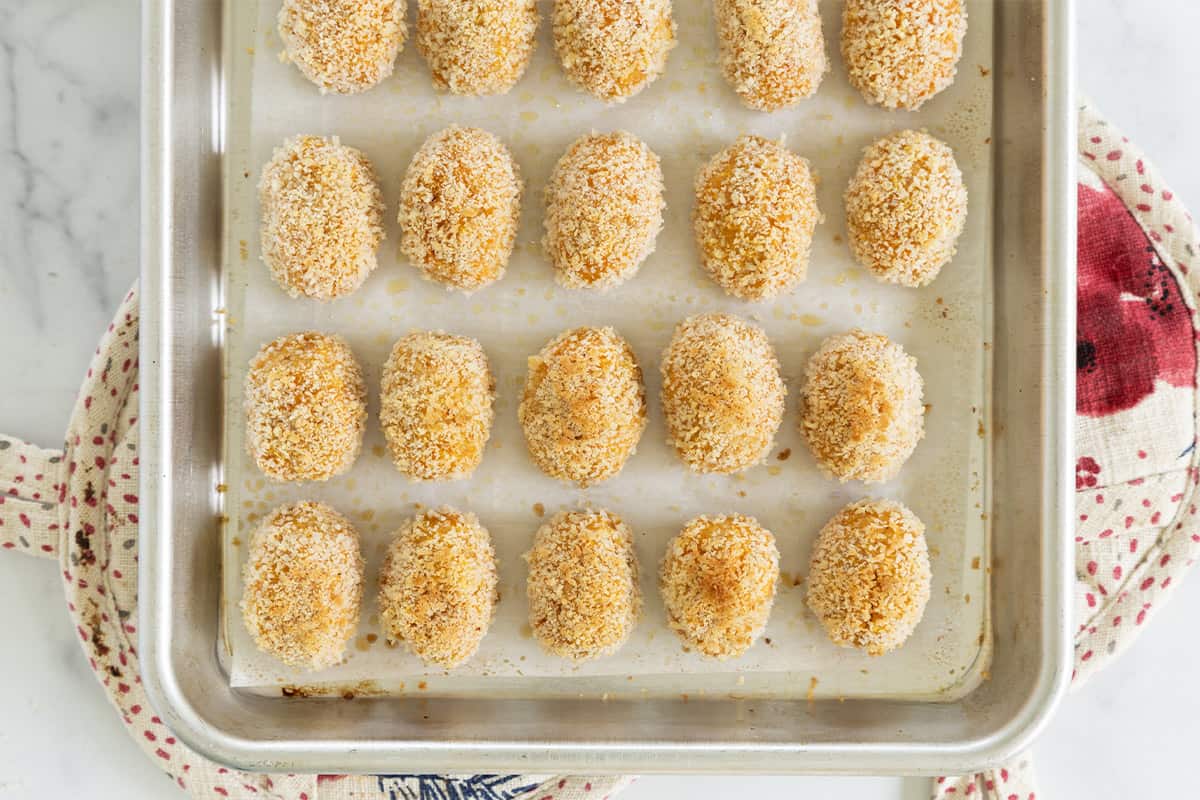
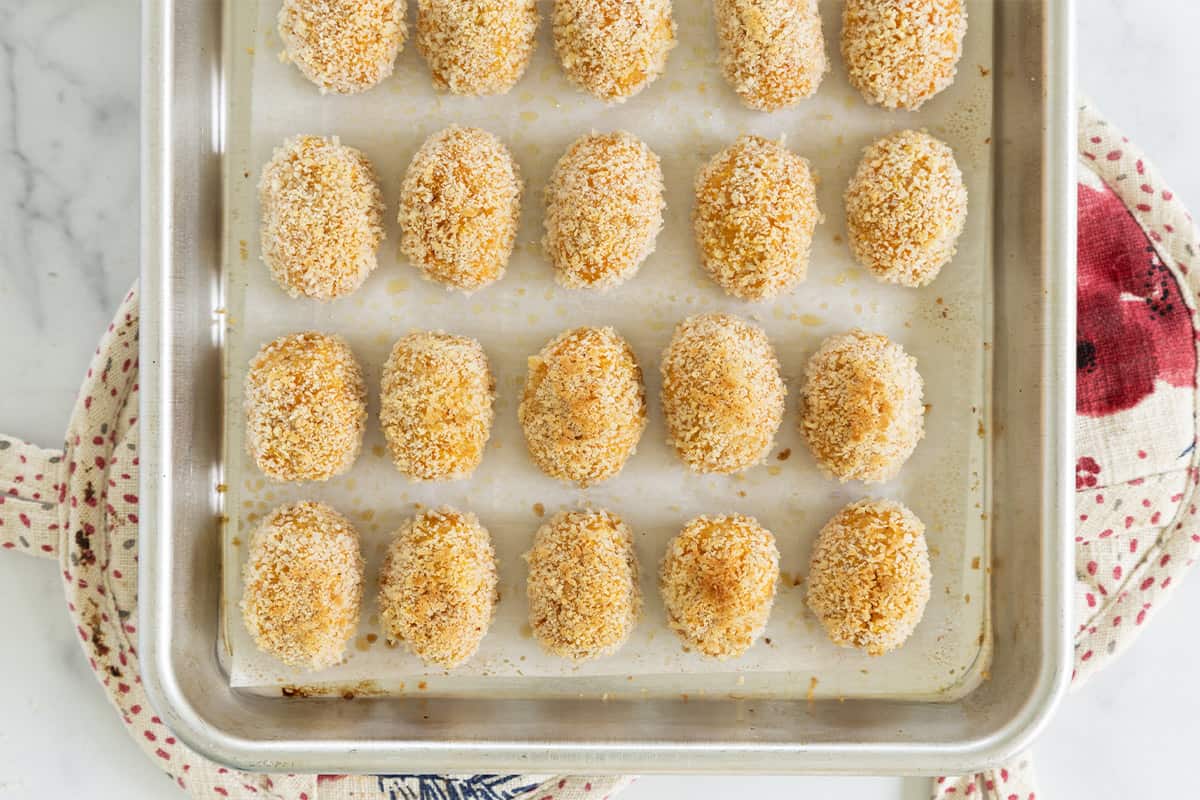
Traditional chicken nuggets are often criticized for high sodium and preservative content. A healthier alternative involves a blend of lean chicken breast and steamed sweet potato. This combination not only increases the fiber content but also provides a significant boost of Vitamin A (beta-carotene). The sweet potato acts as a natural binder, creating a tender interior that is easier for younger children to chew, while the baked exterior provides the "crunch" factor that many selective eaters demand.
Easy Chicken Bites and Baked Nuggets
For children who prefer a more "pure" protein profile, simple chicken bites offer a mild flavor that serves as a canvas for various dips. Pediatric dietitians often recommend "dunking" as a bridge to new flavors; providing a side of iron-fortified marinara or a yogurt-based ranch can increase the overall caloric and nutritional density of the meal.
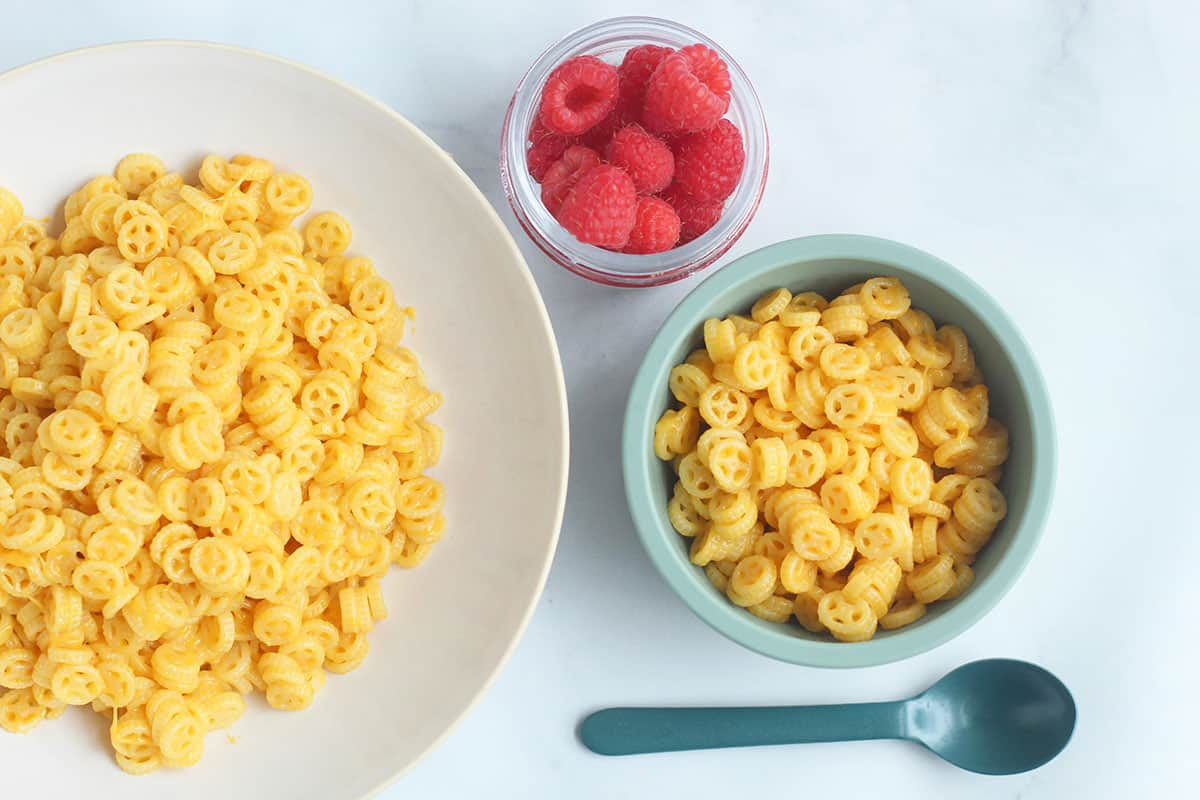
Cottage Cheese and Greek Yogurt Pizza Doughs
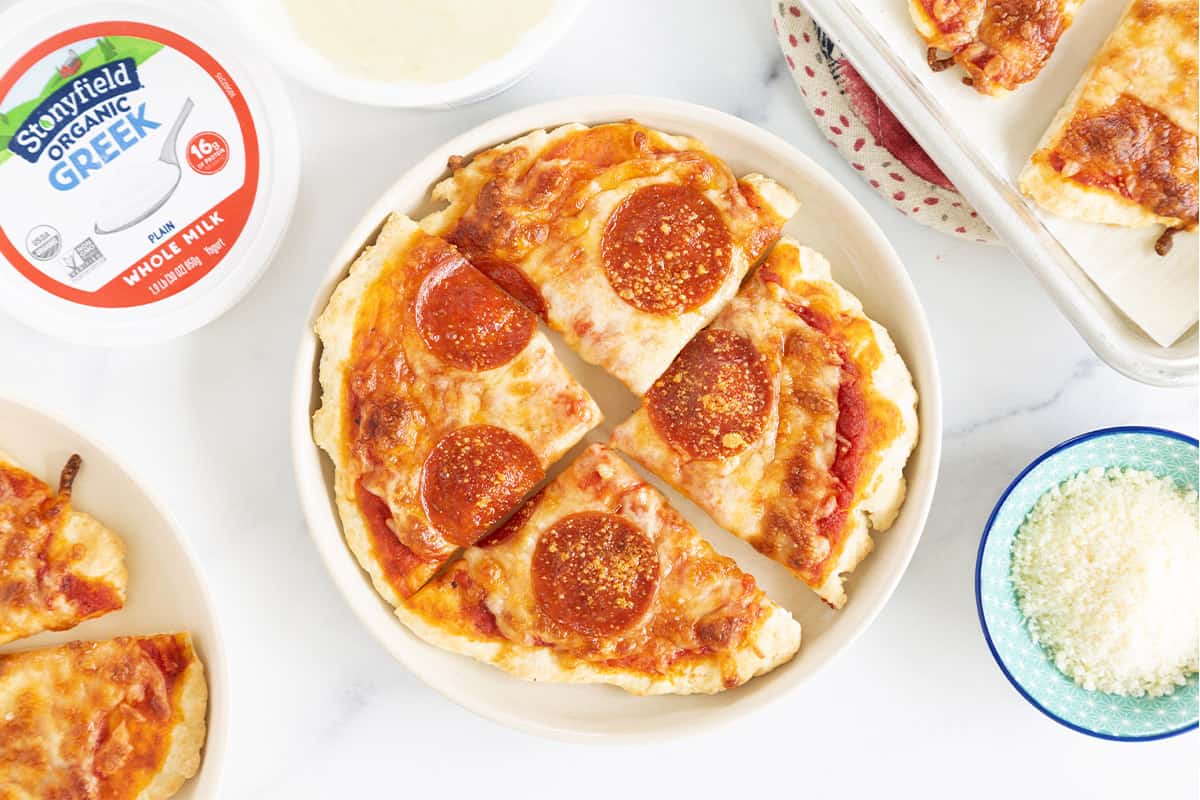
One of the most innovative shifts in kid-friendly cooking is the use of high-protein dairy as a base for carbohydrates. By substituting traditional yeast-based dough with a mixture of flour and Greek yogurt or blended cottage cheese, parents can produce a pizza crust that contains double the protein of standard versions. These doughs do not require rising time, making them a practical solution for busy weeknights, and they provide essential calcium and probiotics.

Reimagining Pasta and Grains: The Integration of Fiber
Pasta remains the most widely accepted food group among children. Consequently, it serves as the most effective vehicle for vegetable delivery.
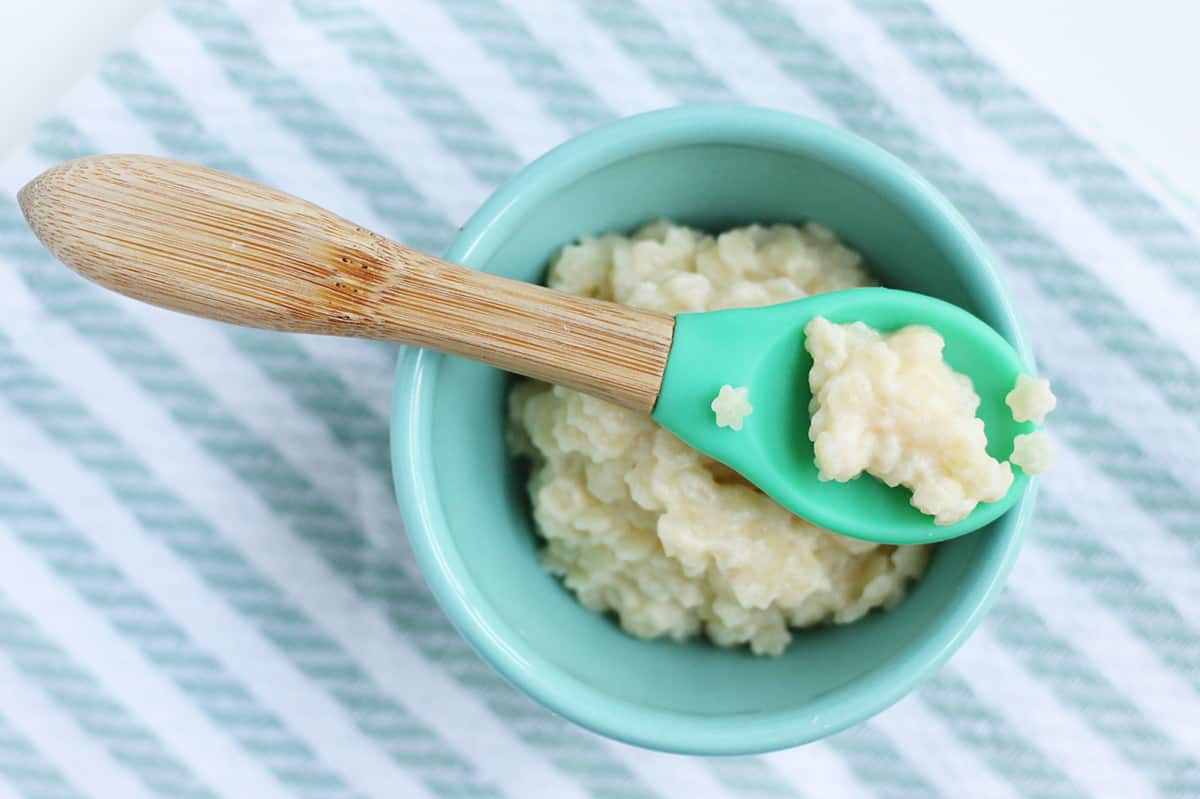
Cauliflower and Sweet Potato Mac and Cheese
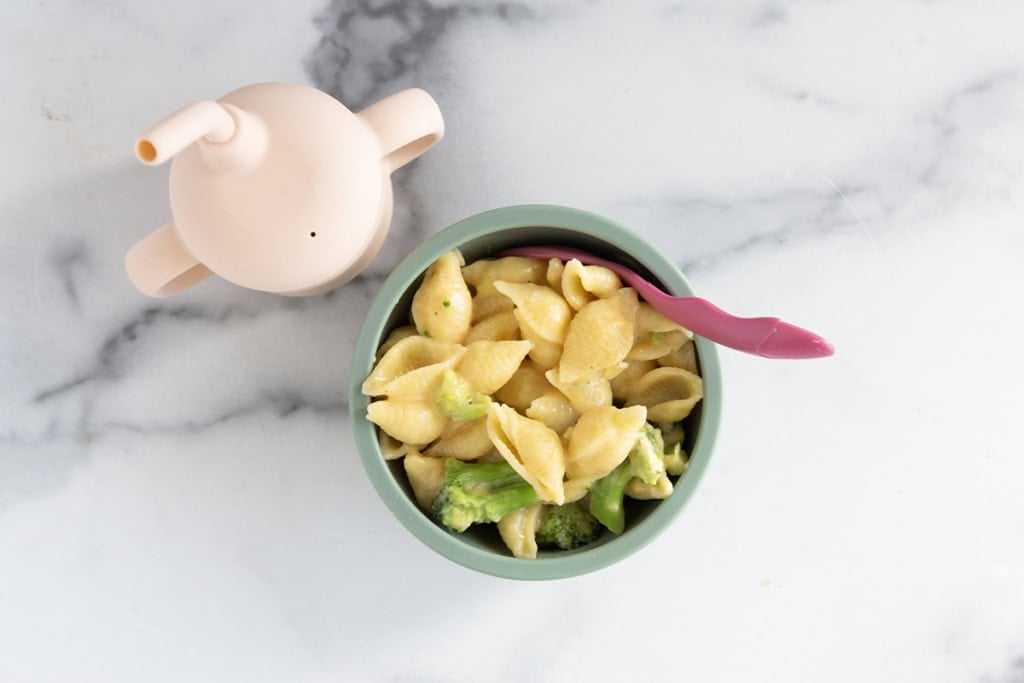
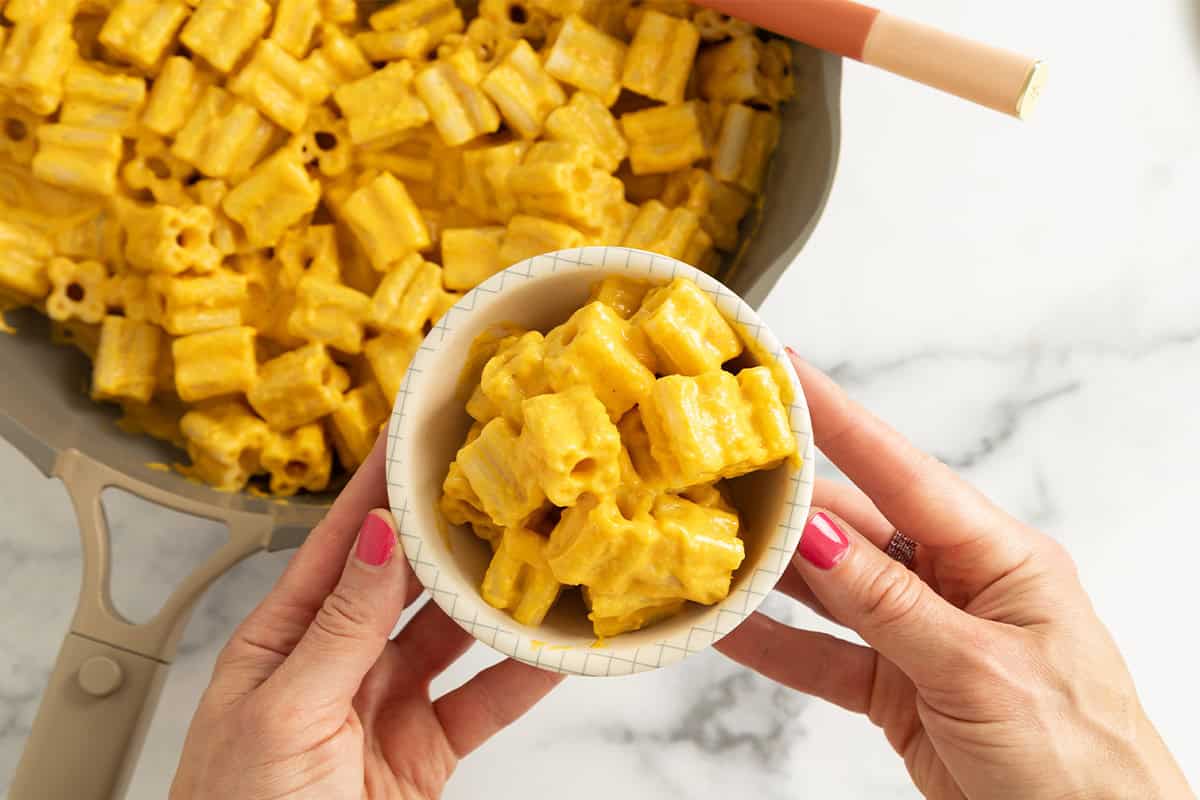
Cheese sauce provides an ideal medium for incorporating pureed white or orange vegetables. Pureed cauliflower blends seamlessly into white cheddar sauces, while sweet potato or butternut squash enhances the color and creaminess of yellow cheddar varieties. This method ensures that even if a child only consumes the pasta, they are receiving a serving of fiber and Vitamin C.

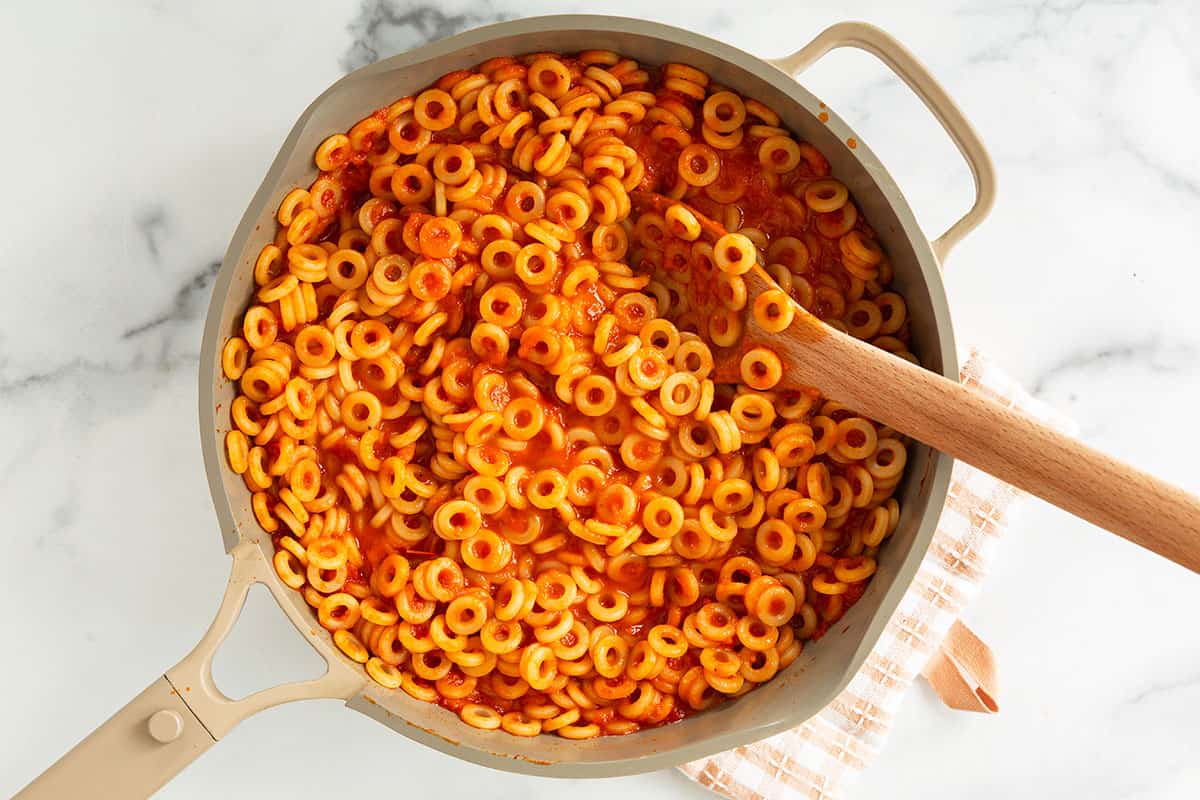
Extra Veggie Baby Soup and Spaghettios
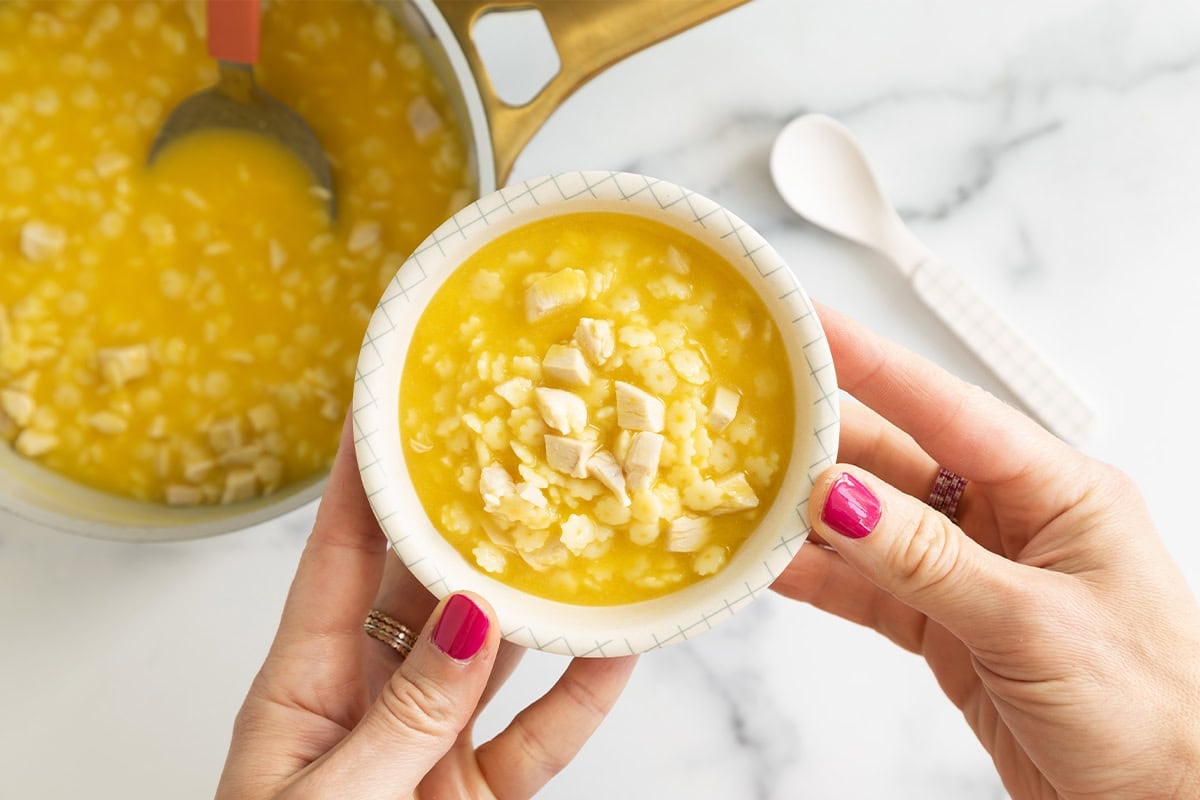
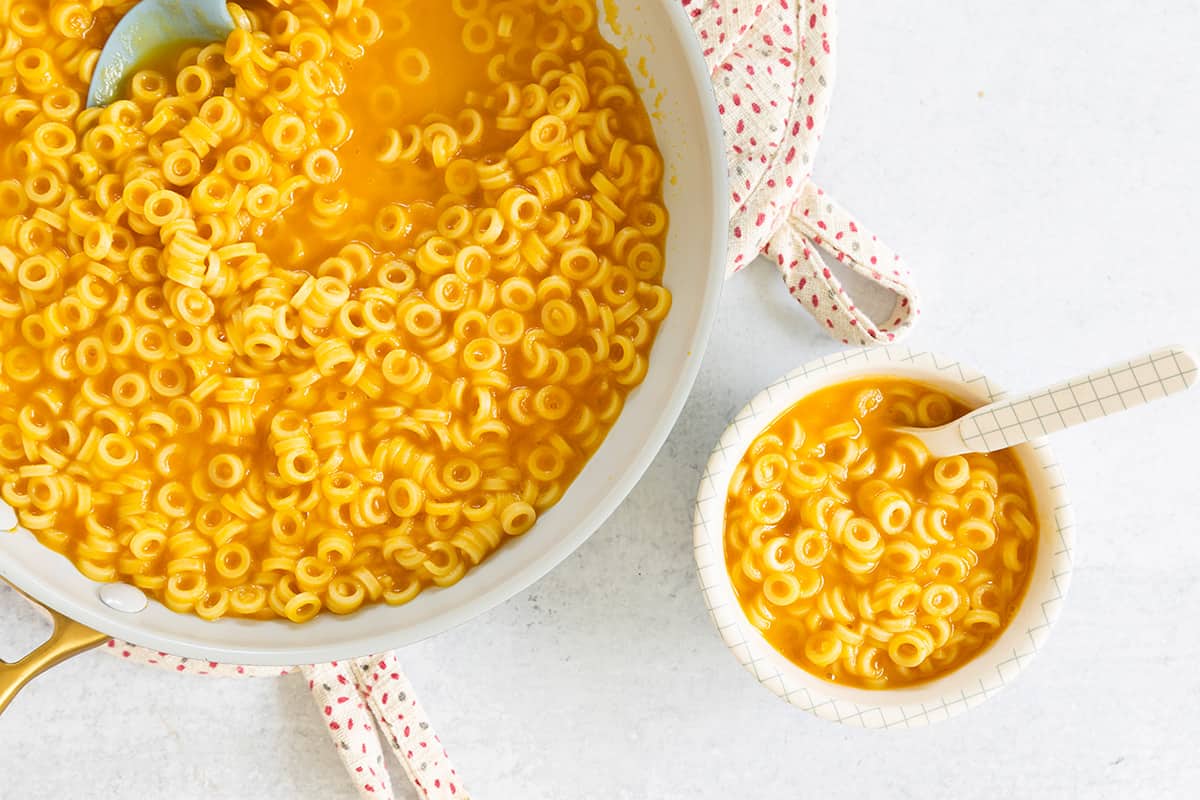
Nostalgic canned pasta often contains high levels of sugar and artificial flavorings. A homemade "Spaghettios" variant utilizes a tomato base blended with carrots, celery, and onions. This approach relies on the natural sweetness of cooked root vegetables to appeal to a child’s palate. Similarly, "Baby Soup" utilizes finely diced or pureed vegetables in a savory broth, providing hydration alongside nutrients.
Carrot Pasta Sauce and Pasta in Brodo
For children who are sensitive to "chunks" in their food, a smooth carrot-based pasta sauce offers a mellow flavor profile that is less acidic than traditional tomato sauce. Furthermore, "Pasta in Brodo" (pasta in broth) is a traditional Italian technique that infuses simple noodles with the minerals and proteins found in high-quality bone or vegetable broth, making a simple meal significantly more nourishing.

Nutrient-Dense Baked Goods and Snacks
Muffins and quick breads are effective for "bridging" nutrition into breakfast and snack times, particularly when they incorporate vegetables that are traditionally difficult to serve.
Healthy Chocolate Muffins with Spinach
The "chocolate" profile is a powerful tool in pediatric nutrition. By blending two full cups of fresh spinach into a chocolate muffin batter, the green color is masked by the cocoa powder. The result is a snack rich in folate, iron, and fiber that tastes indistinguishable from a standard bakery item.

ABC Baby Muffins (Apple, Banana, and Carrot)
These muffins utilize the natural sweetness of fruit to eliminate the need for refined sugars. They are specifically formulated to be moister than traditional muffins, reducing the risk of choking and making them easier for toddlers to swallow. The combination of three different produce items ensures a broad spectrum of vitamins.
Cottage Cheese Muffins
Similar to the pizza dough, cottage cheese muffins utilize dairy to create a fluffy, high-protein snack. These are particularly useful for children who struggle with the texture of eggs, as the muffins provide a similar protein profile in a more acceptable "cake-like" format.

Supporting Data and Nutritional Research
The necessity of these recipes is underscored by recent nutritional surveys. According to data from the National Health and Nutrition Examination Survey (NHANES), a significant percentage of American children do not meet the daily recommended intake for fiber and potassium. Furthermore, nearly 25% of toddlers are at risk for iron deficiency, which can lead to fatigue and developmental delays.
A 2023 study published in the Journal of Nutrition Education and Behavior highlighted that children who are repeatedly exposed to vegetables in "disguised" forms (such as purees in sauces) eventually show a higher acceptance of those vegetables in their whole form. This suggests that "stealth health" is not merely a short-term fix but a long-term strategy for palate training.

Pediatric Perspectives and Expert Responses
Medical professionals emphasize that while these recipes are effective, they should be part of a broader "Division of Responsibility" framework. Dr. Ellyn Satter, a leading expert on child feeding, posits that the parent is responsible for what, when, and where food is served, while the child is responsible for how much and whether they eat.
"The goal of these recipes is to reduce the stress at the dinner table," says one registered dietitian specializing in pediatric feeding aversions. "When parents know the chicken nuggets contain sweet potato or the muffins contain spinach, they are less likely to pressure the child to eat, which in turn reduces the child’s anxiety and makes them more likely to try the food."

Pediatricians also note that "picky eating" can sometimes mask sensory processing disorders or underlying medical issues like acid reflux. If a child consistently refuses entire food groups or exhibits extreme distress during meals, professional consultation is recommended.

Broader Impact and Implications for Family Dynamics
The societal impact of selective eating extends beyond physical health; it significantly affects the psychological well-being of the family unit. Mealtime conflict is a leading cause of parental stress. By providing a library of recipes that satisfy both the child’s desire for familiar textures and the parent’s requirement for nutrition, these culinary strategies foster a more harmonious home environment.

Furthermore, as the prevalence of childhood obesity and Type 2 diabetes continues to rise, the shift toward whole-food, homemade alternatives to ultra-processed "kid food" is a vital public health intervention. Reducing a child’s reliance on high-sodium, high-sugar convenience foods early in life sets a trajectory for healthier adult eating patterns.

In conclusion, feeding a picky eater requires a multifaceted approach that combines developmental patience with culinary ingenuity. By utilizing nutrient-dense substitutes and familiar formats, parents can ensure their children receive the essential building blocks for growth without turning the dinner table into a battlefield. Consistency, creative preparation, and a focus on high-quality ingredients remain the most effective tools in navigating the complexities of childhood nutrition.