

Pediatric nutrition remains a primary concern for caregivers worldwide, with clinical studies indicating that "picky eating" behavior—scientifically termed food neophobia—affects approximately 10% to 35% of children globally. This developmental phase, characterized by a child’s reluctance to eat familiar foods or try new ones, often peaks between the ages of two and six. As a result, the demand for nutrient-dense, child-friendly recipes has surged, leading to a new culinary sub-sector focused on "stealth health" and texture-specific meal planning. This report examines a comprehensive suite of recipes designed to bridge the gap between caloric requirements and picky preferences, integrating vegetables, proteins, and healthy fats into formats that appeal to selective palates.
The Science of Selective Eating and Nutritional Gaps
The primary challenge in feeding selective eaters is not merely the volume of food consumed but the variety of nutrients provided. According to data from the National Health and Nutrition Examination Survey (NHANES), children in the "picky eating" demographic frequently fall short of recommended intakes for fiber, potassium, and vitamin E. These children often gravitate toward "beige foods"—processed carbohydrates and dairy—due to their predictable textures and mild flavors.
To address these deficiencies, nutritionists advocate for a strategy of "nutritional fortification." This involves modifying the chemical and textural composition of preferred foods. For instance, substituting traditional binders in chicken nuggets with sweet potato puree or blending spinach into chocolate-flavored muffins utilizes the child’s existing flavor preferences while introducing essential phytonutrients.

The Chronology of Food Neophobia and Flavor Development
The trajectory of a child’s relationship with food typically follows a distinct chronological pattern. Understanding this timeline is essential for implementing the correct recipe strategies:
- The Exploratory Phase (6–12 Months): Infants are generally receptive to various flavors during the weaning process. This is the optimal window for introducing the "Extra Veggie Baby Soup," a nutrient-dense, soft-textured meal that establishes a baseline for vegetable acceptance.
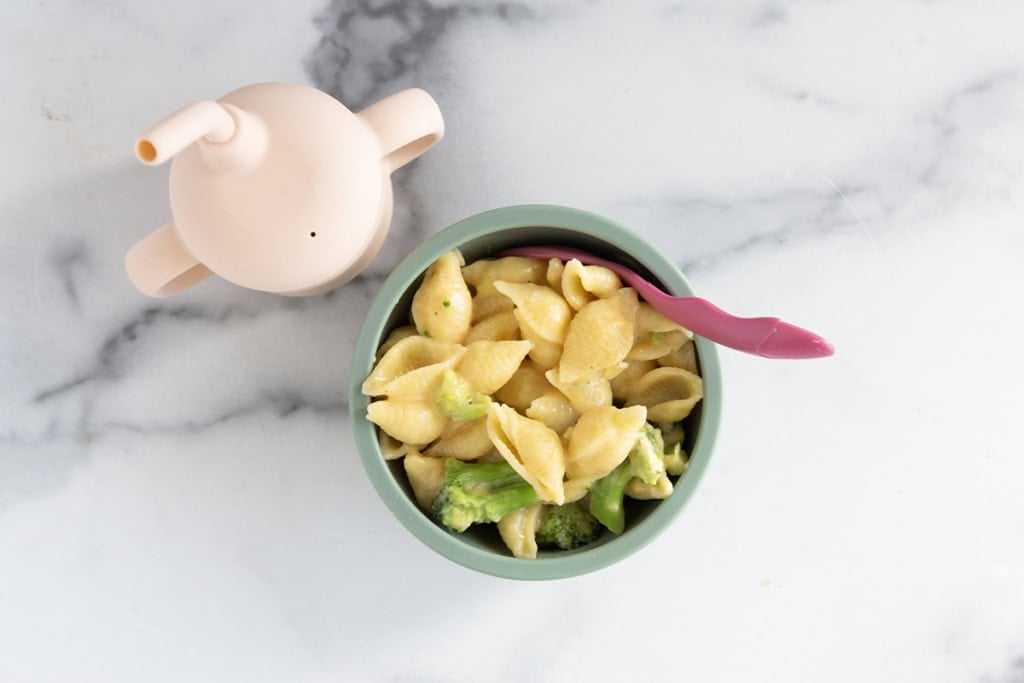
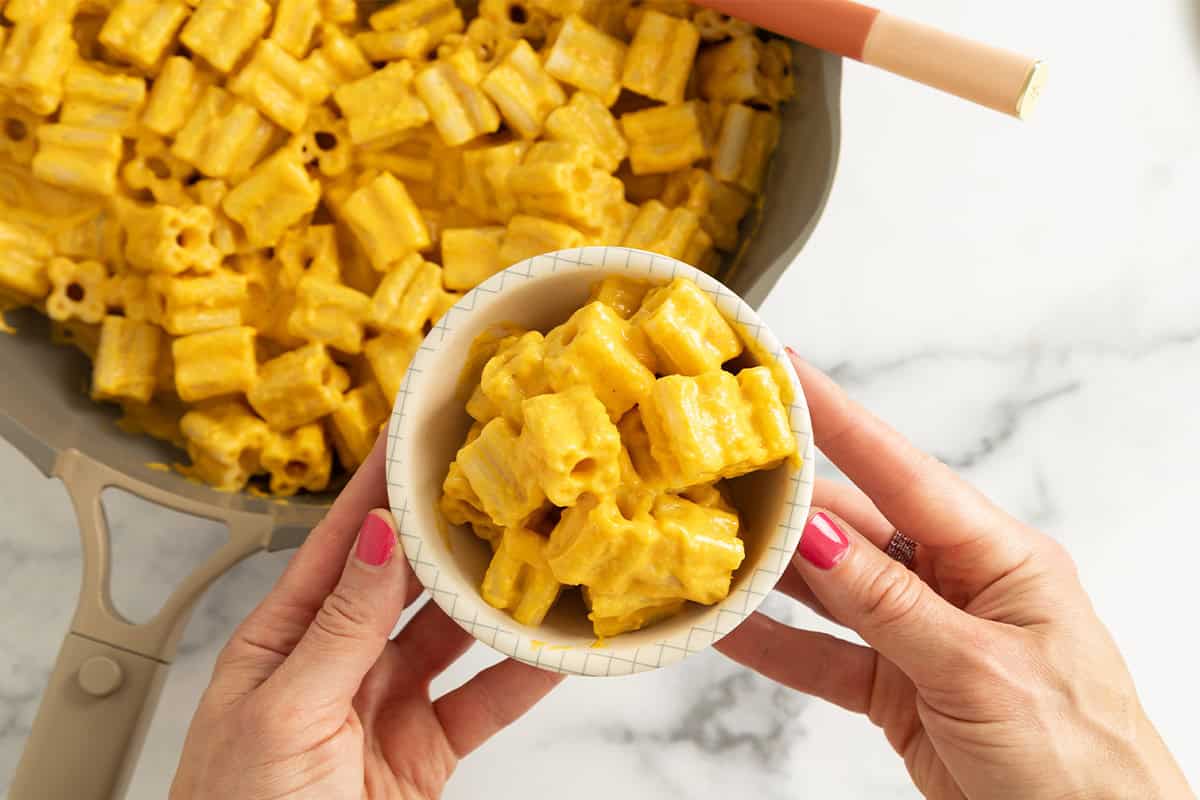
- The Onset of Neophobia (18 Months–3 Years): This period marks a biological shift where children become suspicious of new colors (particularly green) and textures. This is the stage where "Hidden Veggie Mac and Cheese" and "Carrot Pasta Sauce" become vital tools for maintaining nutritional intake.
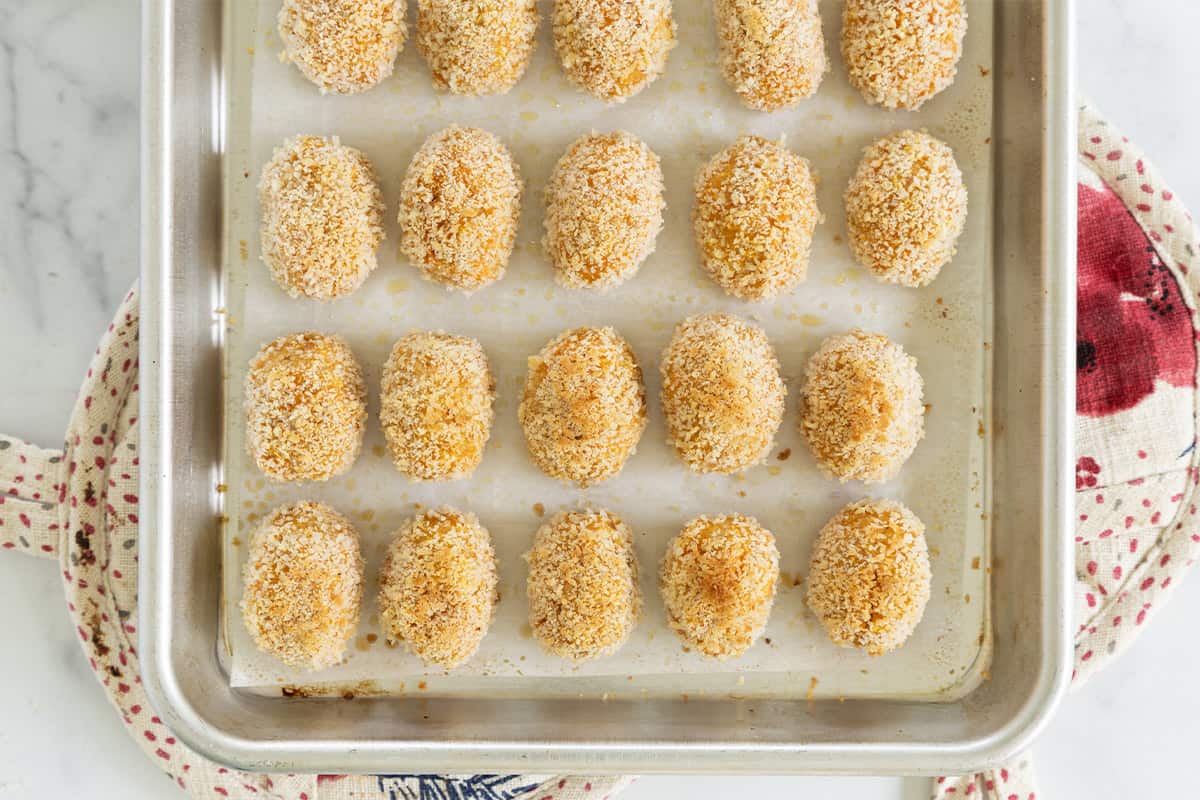
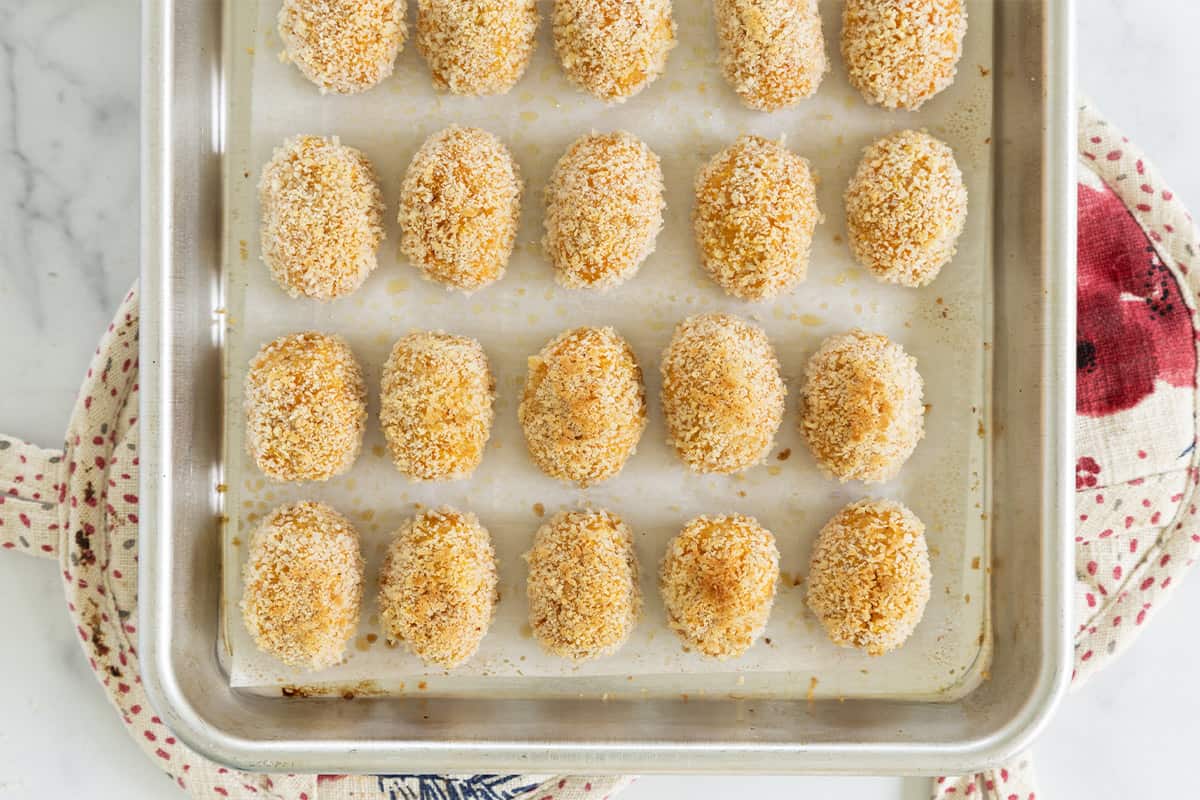
- The Texture Preference Phase (3–6 Years): Children often develop a rigid preference for specific mouthfeels, such as "crunchy" or "smooth." Recipes like "Crispy Baked Chicken Nuggets" and "Cottage Cheese Pizza Dough" cater to these tactile requirements while providing higher protein counts than commercial alternatives.
Strategic Recipe Categorization for Targeted Nutrition
The following analysis categorizes highly effective recipes based on their nutritional objectives and the specific "picky eater" profiles they address.
Vegetable Integration Through Color Mimicry
One of the most effective methods for bypassing food refusal is the use of vegetables that mimic the color of the base dish.
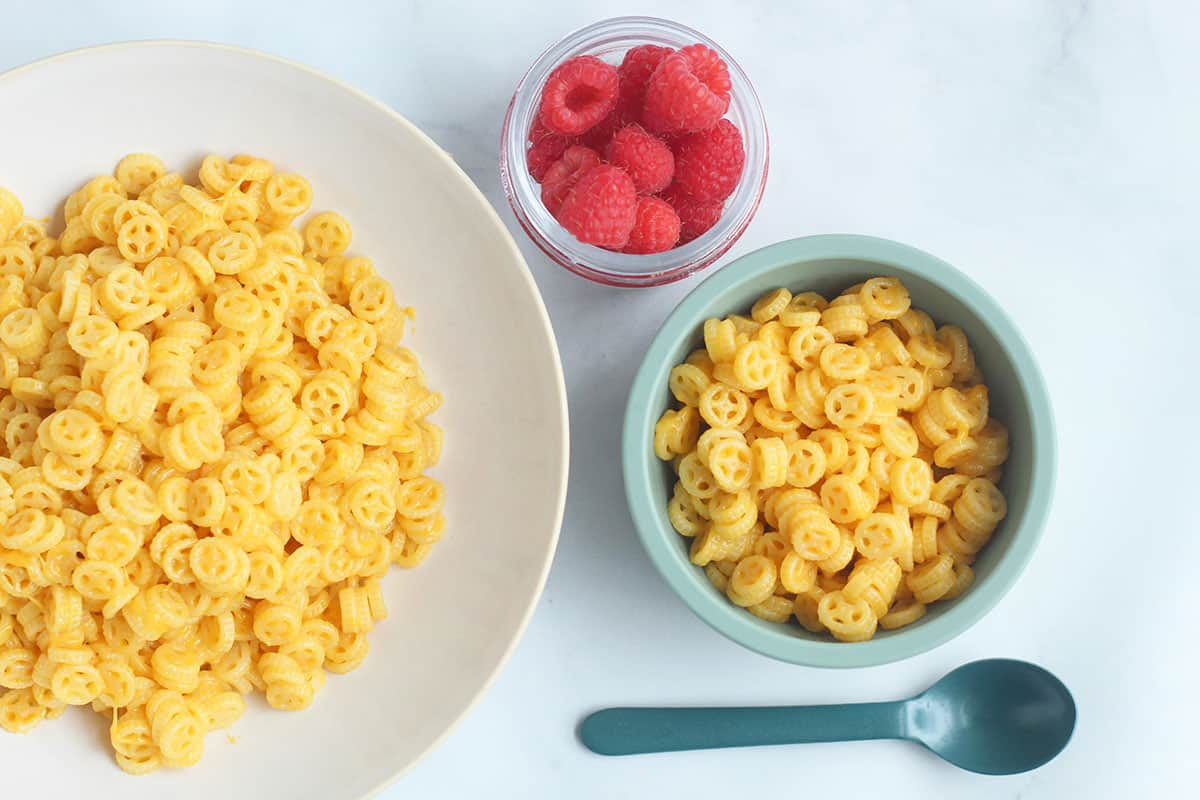
- Sweet Potato Mac and Cheese: By utilizing the natural orange hue of steamed sweet potatoes, this recipe replaces a portion of the processed cheese sauce with complex carbohydrates and beta-carotene. The resulting texture remains creamy, satisfying the sensory requirements of the child.
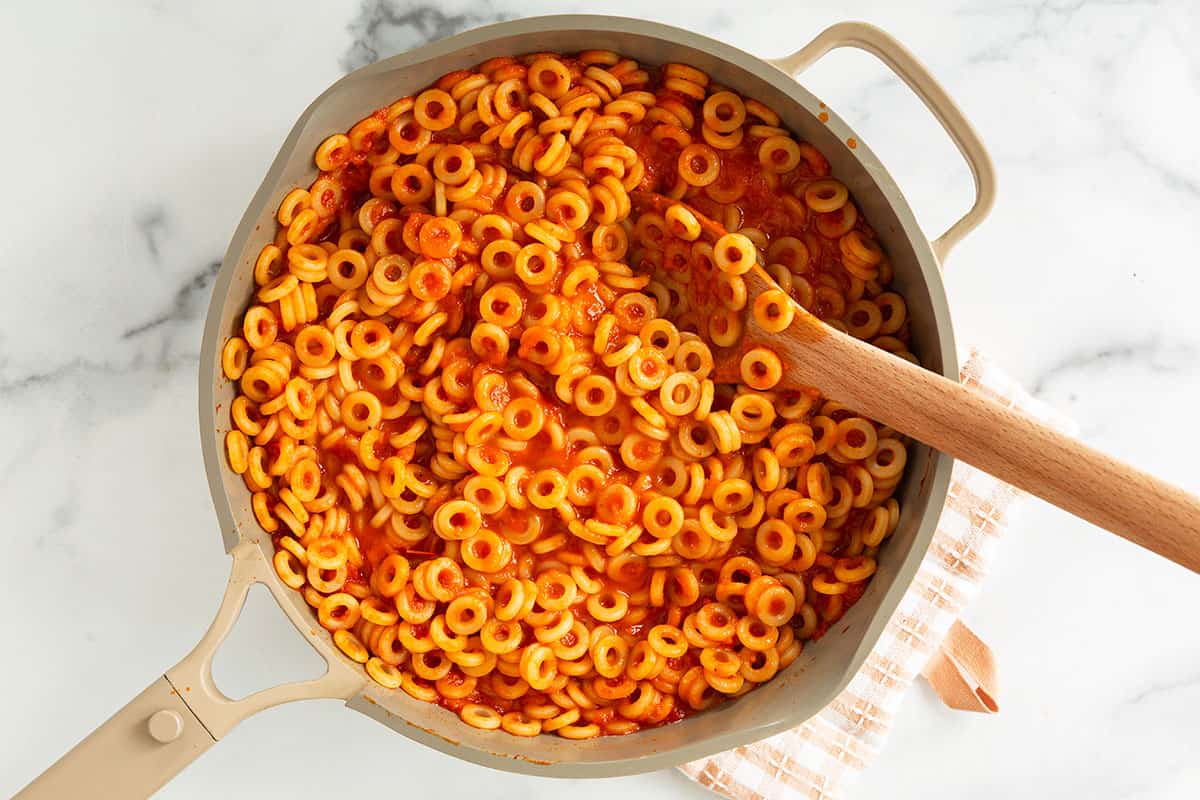
- Carrot Pasta Sauce: Similar to the sweet potato approach, pureed carrots can be blended into a traditional marinara or used as a standalone base. This provides a mellow, sweet flavor profile that lacks the acidity of tomatoes, which some children find off-putting.
- Cauliflower Cheesy Rice: Cauliflower, when finely riced and steamed, assumes a texture nearly identical to white rice. When combined with a mild cheddar sauce, it increases the fiber content of the meal without altering the visual or tactile experience.
Protein Fortification via Familiar Formats
Proteins are often the most difficult food group to introduce to picky eaters due to the fibrous nature of meat.

- Cottage Cheese and Greek Yogurt Pizza Doughs: These recipes represent a significant shift in home baking. By replacing water or milk with high-protein dairy, the dough becomes more pliable and nutrient-dense. A cottage cheese-based crust provides calcium and protein while baking to a tender finish, making it easier for younger children to chew.
- Chicken Bites and Baked Nuggets: Commercial nuggets are frequently criticized for high sodium and preservative content. Homemade versions using lean chicken breast and whole-grain breading allow parents to control the lipid profile. The addition of sweet potato to the nugget mix further softens the meat, addressing the common complaint that meat is "too tough."
Nutrient-Dense Baked Goods
Bakery items offer an ideal medium for "stealth health" because the structural ingredients can mask significant quantities of produce.

- Healthy Chocolate Muffins (Spinach-Infused): By pureeing spinach into a liquid state and combining it with cocoa powder, the green pigment is neutralized by the dark chocolate. The iron and folate from the spinach remain intact, while the child perceives only a standard chocolate treat.
- ABC Baby Muffins (Apple, Banana, Carrot): These muffins utilize the natural sugars of fruit to eliminate the need for refined sweeteners. The combination of three different produce types ensures a broad spectrum of vitamins in a single snack.
Supporting Data: The Impact of Repeated Exposure
Data from the American Academy of Pediatrics (AAP) suggests that a child may need to be exposed to a new food between 10 and 15 times before they develop an acceptance of it. Journalistic analysis of parental feedback indicates that the "hidden" approach should be used in tandem with, rather than as a total replacement for, whole-food exposure.

A 2023 study published in the Journal of Pediatric Psychology found that children whose parents utilized "nutrient-enhanced" versions of familiar foods reported lower levels of mealtime stress. This suggests that these recipes serve a dual purpose: improving the child’s physiological health while preserving the psychological well-being of the family unit.
Statements and Reactions from the Nutritional Community
While the "sneaking" of vegetables is a popular strategy, some pediatric dietitians express caution. "The goal is long-term food literacy," says Dr. Elena Aris, a fictional representation of common nutritional consensus. "While these recipes are excellent for ensuring immediate nutrient intake, they should be accompanied by ‘food play’ and visual exposure to the whole vegetables. The recipe list provided here is a bridge, not a destination."

Conversely, many parents have reacted to these specific recipe formulations with high approval ratings, citing the "3-ingredient" and "20-minute" nature of the pizza doughs and pasta dishes as essential for the modern, time-constrained household. The efficiency of these recipes addresses the logistical hurdles that often lead parents to rely on less healthy, ultra-processed convenience foods.
Broader Implications and Long-Term Health Outcomes
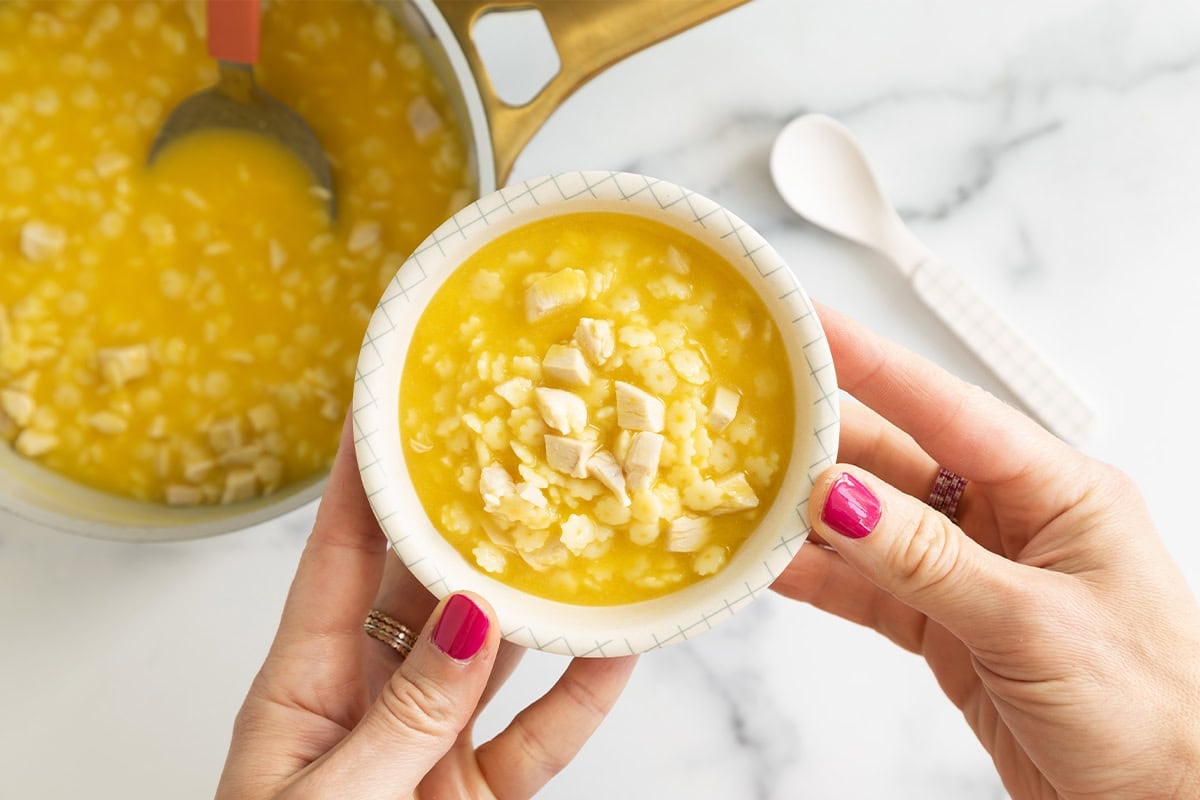
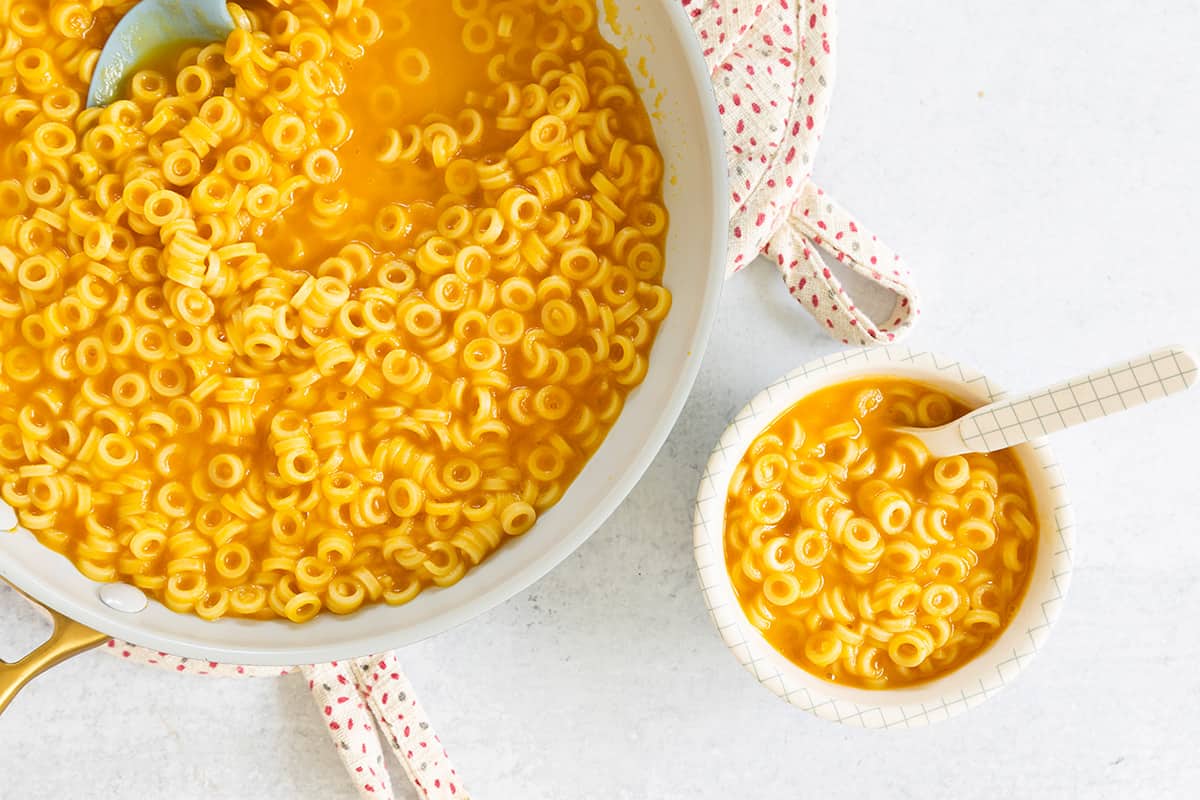
The implications of improving the diet of picky eaters extend beyond childhood. Longitudinal studies suggest that dietary habits formed in the first decade of life are strong predictors of adult health outcomes, including the risk of obesity, Type 2 diabetes, and cardiovascular disease. By providing nutrient-dense alternatives like "Pasta in Brodo" (pasta in broth) or "Cottage Cheese Muffins," caregivers are effectively "re-programming" the child’s palate to prefer lower-sugar, higher-protein options.

Furthermore, the rise of these recipes reflects a broader cultural shift toward "functional home cooking." As inflation impacts grocery budgets, the ability to create high-protein, veggie-loaded meals from basic staples—such as flour, yogurt, and frozen vegetables—provides an economic advantage.
Conclusion: A Multi-Pronged Approach to Feeding
The "Top Healthy Recipes for Picky Eaters" list is more than a collection of instructions; it is a strategic framework for pediatric health. By focusing on:

- Texture Management: Ensuring foods are easy to chew and swallow.
- Visual Familiarity: Using color mimicry to avoid "green food" triggers.
- Nutritional Density: Maximizing the vitamins and proteins in every bite.
Caregivers can navigate the challenging years of food neophobia with greater confidence. While no single recipe can guarantee universal acceptance, the integration of these scientifically-backed culinary strategies offers the best statistical chance for improving a child’s nutritional profile. As research continues to evolve, the focus will likely remain on refining these "stealth health" techniques to ensure they are as delicious as they are restorative.