

The landscape of children’s literature is undergoing a critical evolution, with a growing emphasis on the necessity of diverse representation. While heartwarming and engaging stories have always been a cornerstone of childhood development, the imperative to reflect the multifaceted reality of our world within the pages of books for young readers has gained significant traction. This shift is not merely about inclusivity for its own sake; it is deeply rooted in research and understanding of how early exposure to diverse characters and narratives shapes a child’s worldview, empathy, and sense of self.
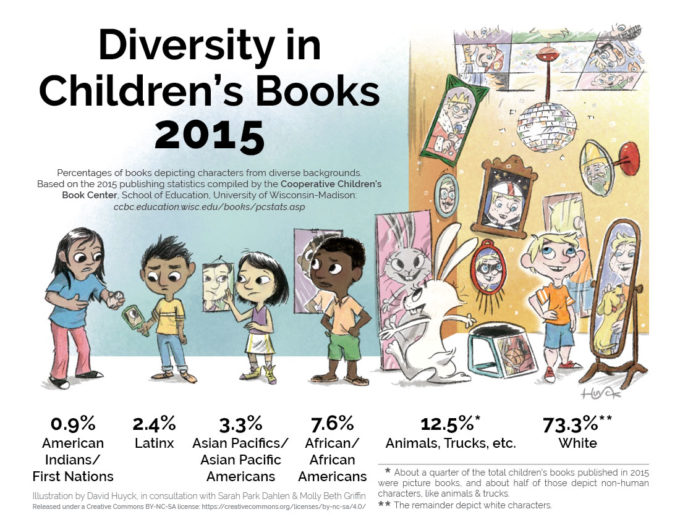
For decades, studies have consistently highlighted a pervasive imbalance in children’s books. Data from organizations like the Cooperative Children’s Book Center (CCBC) at the University of Wisconsin-Madison have repeatedly shown that characters of color, female protagonists, and individuals with disabilities are significantly underrepresented. For instance, reports have indicated that white characters often comprise the vast majority of protagonists, and even when characters are animals or anthropomorphic figures, the default is frequently male. This statistical reality means that many children, particularly those from marginalized communities, rarely see themselves reflected in the stories they consume, potentially impacting their self-esteem and sense of belonging. Conversely, children who are part of the dominant demographic may develop a limited understanding of the world and its inhabitants, failing to cultivate the empathy and cross-cultural understanding essential for navigating an increasingly interconnected global society.
The implications of this imbalance are profound. When children are consistently exposed to a narrow range of characters and experiences, they may internalize stereotypes and develop a skewed perception of social dynamics. Conversely, books that authentically portray diversity—encompassing race, ethnicity, gender identity, sexual orientation, disability, socioeconomic status, and family structures—provide invaluable opportunities for children to learn about different perspectives, foster empathy, and build a more inclusive understanding of humanity. This exposure is not only beneficial for children from underrepresented groups, offering them validation and affirmation, but it is equally crucial for children from dominant groups to develop a broader, more nuanced appreciation for the richness and complexity of human experience.
This curated guide aims to address this critical need by highlighting a selection of exceptional children’s books that not only offer compelling narratives and artistic merit but also champion diversity across various dimensions. These selections are drawn from a range of beloved titles that have resonated with families and educators alike, demonstrating that inclusive storytelling can also be profoundly engaging and educational. The following list offers a starting point for parents, educators, and librarians seeking to enrich their collections with stories that mirror the vibrant tapestry of our world, categorized by age appropriateness to facilitate selection.
Illuminating Worlds for the Youngest Readers: Babies and Toddlers
For the youngest members of our society, board books and picture books serve as foundational introductions to the world of reading and storytelling. The early years are a crucial period for developing language skills, fostering a love for books, and beginning to understand social concepts. Introducing diversity at this stage is paramount, as it helps to normalize varied appearances, family structures, and abilities from the outset.

"Not Quite Narwhal" by Jessie Sima: This charming story introduces Kelp, a creature who has always felt a little out of place. While seemingly a tale of embracing individuality, it subtly underscores the overarching theme of family love and acceptance. The narrative, coupled with Sima’s delightful illustrations, makes it a gentle introduction to themes of belonging and difference for very young children. Its warm embrace of a found family further extends its inclusive message.
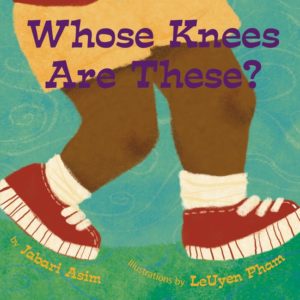
"Whose Knees Are These?" by Jabari Asim, illustrated by Darryl Turner: This simple yet effective board book uses engaging rhymes to help toddlers identify body parts. The illustrations, featuring a diverse cast of children, subtly introduce different skin tones and features, normalizing the visual diversity of young children. Its interactive nature makes it an engaging tool for early learning and self-awareness within a diverse context.
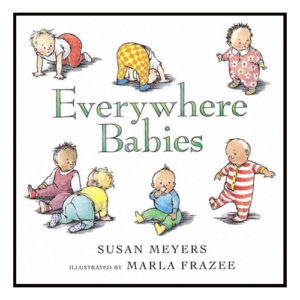
"Everywhere Babies" by Susan Meyers, illustrated by Rafael López: Praised for its vibrant and inclusive illustrations, this book celebrates the universality of babies. López, also known for his work on the Caldecott Honor book "All the World," brings a rich visual language to this simple board book. It features babies of various ethnicities, abilities, and family configurations, offering a beautiful and accessible depiction of the diverse world babies inhabit. The book’s gentle rhythm and engaging artwork make it a perfect choice for shared reading experiences.
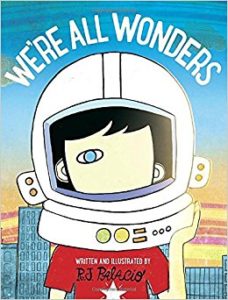
"We’re All Wonders" by R.J. Palacio: Adapted from the highly acclaimed chapter book "Wonder," this picture book version introduces the character of Auggie, a boy who looks different from others. "We’re All Wonders" brings Auggie’s message of kindness and acceptance to a younger audience. The story sensitively addresses themes of appearance and the importance of looking beyond superficial differences, promoting empathy and understanding. The original "Wonder" also offers a more in-depth narrative for older children, exploring the challenges of navigating social dynamics with a visible difference.
Cultivating Understanding in Preschoolers
As children move into the preschool years, their cognitive abilities expand, allowing for a deeper engagement with narratives and themes. This is an opportune time to introduce books that explore social dynamics, empathy, and the celebration of individual differences in more nuanced ways.
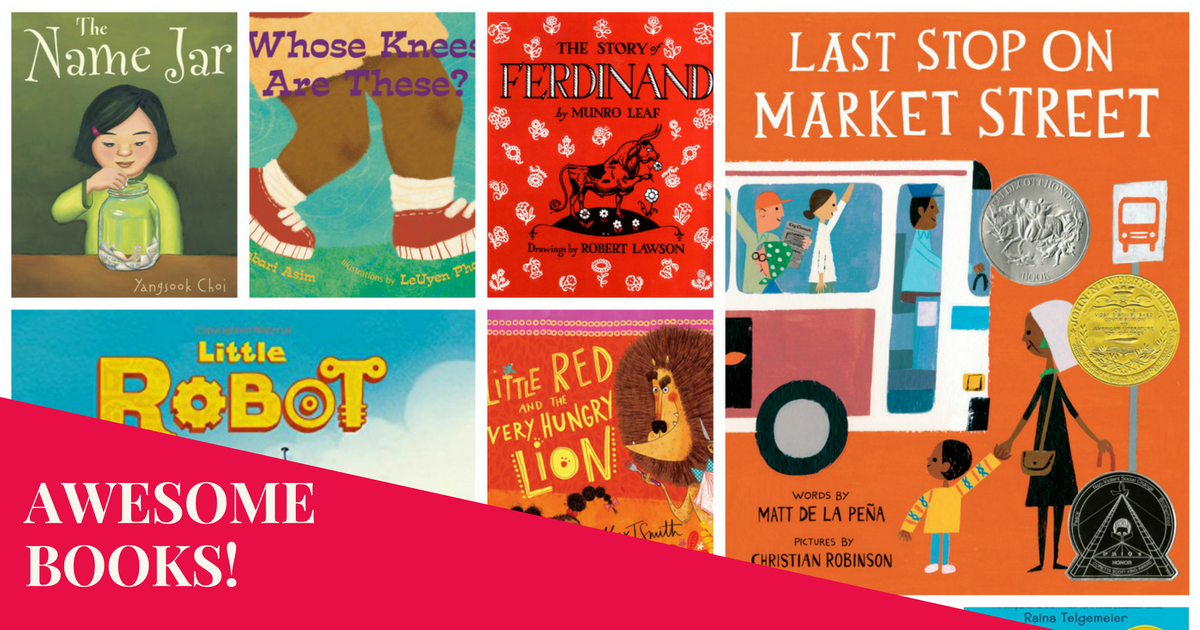
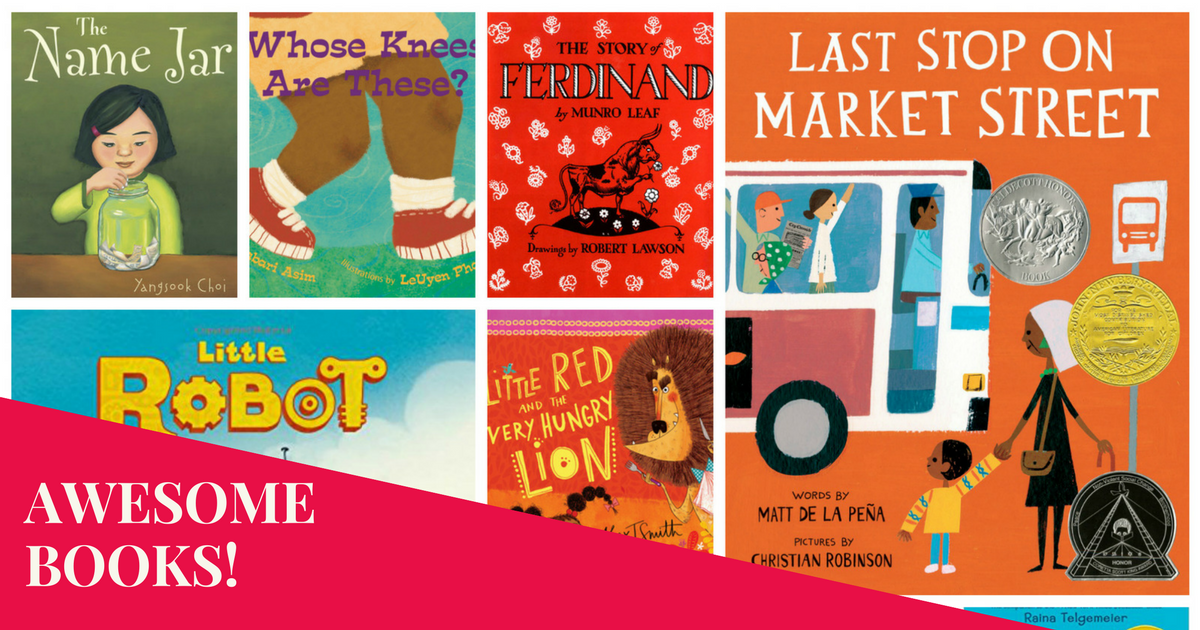
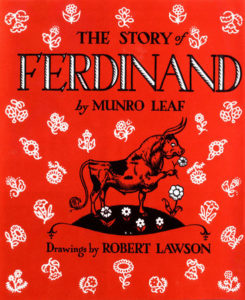
"The Story of Ferdinand" by Munro Leaf, illustrated by Robert Lawson: A timeless classic, "The Story of Ferdinand" tells the tale of a bull who prefers smelling flowers to engaging in bullfights. Ferdinand’s gentle nature and his refusal to conform to societal expectations for his gender and species make him a unique and beloved character. The story subtly champions individuality and challenges traditional notions of masculinity, resonating with themes of non-conformity and personal choice that are relevant to diverse identities.
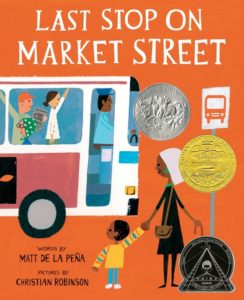
"Last Stop on Market Street" by Matt de la Peña, illustrated by Christian Robinson: This Caldecott Medal winner beautifully captures the bond between a young boy, CJ, and his grandmother as they ride a bus through their urban neighborhood. The book celebrates the beauty found in everyday life, community, and the diverse people who inhabit it. Robinson’s vibrant illustrations showcase a rich array of characters, offering a warm and nuanced portrayal of intergenerational relationships and urban diversity. The narrative subtly explores themes of gratitude and finding joy in shared experiences, regardless of background.
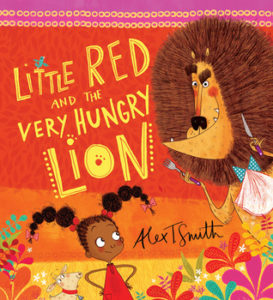
"Little Red and the Very Hungry Lion" by Alex Smith: A playful and colorful twist on the classic "Little Red Riding Hood," this story transports the familiar tale to a vibrant African jungle setting. Featuring a resourceful Little Red and a rather bumbling lion, the book offers a delightful reinterpretation with engaging illustrations and a happy resolution. Its setting and characters introduce young readers to different cultural aesthetics and perspectives in a fun and accessible manner, highlighting a joyful and non-violent take on a classic tale.
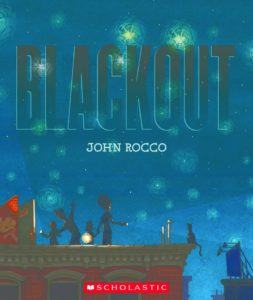
"Blackout" by John Rocco: This Caldecott Honor book, with its striking illustrations and minimal text, tells the story of a family and their community during a city-wide power outage. The blackout initially leads to isolation and distraction, but it ultimately brings the family together, fostering connection and shared experience. The story implicitly highlights the importance of human connection and family bonds, transcending any specific demographic markers through its relatable narrative of shared experience.
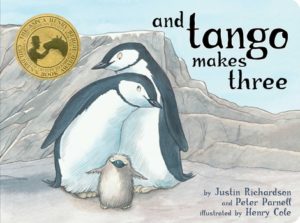
"And Tango Makes Three" by Justin Richardson and Peter Parnell, illustrated by Henry Cole: Based on a true story, this book recounts the heartwarming tale of two male penguins at the Central Park Zoo who form a pair and are given an egg to raise together. It is a significant and early example of a children’s book depicting a same-sex couple as loving and capable parents. The book’s simple, factual narrative promotes understanding and acceptance of diverse family structures, offering a valuable resource for introducing LGBTQ+ families to young children.
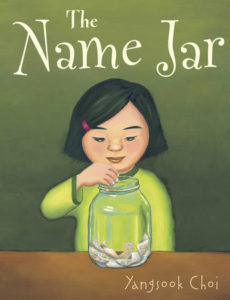
"The Name Jar" by Yangsook Choi: This heartwarming story follows Unhei, a young girl who has recently moved from Korea. Worried about her name being difficult for her new classmates to pronounce, she contemplates choosing a new one. The book beautifully explores themes of cultural identity, belonging, and the process of making new friends. The classmate’s creation of a "name jar" with various suggestions offers a poignant moment of connection and acceptance, illustrating the importance of embracing one’s heritage while integrating into a new community.
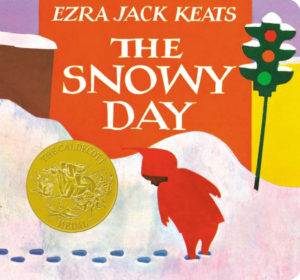
"The Snowy Day" by Ezra Jack Keats: A seminal work in children’s literature, "The Snowy Day" won the Caldecott Medal for its groundbreaking illustrations and simple, evocative story of a young Black boy named Peter experiencing the joy of a snowy day. Keats’s revolutionary use of collage and his depiction of a Black protagonist in an everyday, joyful scenario were highly significant for their time and continue to resonate today. The book’s enduring popularity speaks to its universal appeal and its quiet but powerful representation of diversity.
"Little Robot" by Ben Hatke: This wordless picture book tells a touching story through its illustrations alone. A small, solitary robot is befriended by a curious and kind young girl. The narrative of connection and companionship between two disparate beings is universally understood and beautifully depicted. Hatke’s work often features strong, independent female characters and themes of friendship and adventure, making his contributions highly valued in diverse children’s literature.
Engaging the Imagination of Older Children
As children grow into school age and beyond, their literary tastes expand to include more complex narratives, graphic novels, and chapter books that tackle more intricate themes and character development. This stage offers opportunities to explore more nuanced aspects of identity, social issues, and personal growth through diverse lenses.
"Zita the Spacegirl" series by Ben Hatke: This beloved trilogy follows Zita, a spirited and loyal Earth girl who finds herself on an epic adventure across the galaxy. The series is celebrated for its dynamic storytelling, engaging characters, and its inclusive representation of female protagonists. Zita is a flawed but brave hero who navigates alien worlds, befriends unusual creatures, and demonstrates resilience and compassion. The books are accessible to early readers and are also enjoyable for read-aloud sessions, offering adventure with strong character development.
"Mighty Jack" series by Ben Hatke: This graphic novel series offers a creative retelling of the Jack and the Beanstalk fable. A central element of the story is Jack’s sister, Maddy, who has autism and is nonverbal. Her relationship with Jack is integral to the plot, exploring themes of sibling bonds, family dynamics, and the challenges of navigating a world that may not always understand neurodiversity. The series also touches upon themes of divorced households and maternal relationships, providing a rich tapestry of relatable experiences for young readers.
"El Deafo" by Cece Bell: A Newbery Honor book, "El Deafo" is a graphic memoir about the author’s own experiences growing up deaf. Cece navigates the challenges of her hearing impairment, using her imagination to create a superhero persona, "El Deafo," to cope with feeling different. The book honestly addresses themes of pain, isolation, and the search for acceptance, while maintaining a humorous and engaging tone. It offers a powerful portrayal of living with a disability and finding strength and identity.
"Sisters" by Raina Telgemeier: Raina Telgemeier’s graphic novels are incredibly popular among middle-grade readers. "Sisters" delves into the complex dynamics of sibling relationships, focusing on the rivalry and eventual understanding between two sisters during a family road trip. Telgemeier’s work is known for its relatable characters, humor, and authentic portrayal of childhood experiences. Her other works, such as "Ghost" (featuring a protagonist with cystic fibrosis) and "Drama" (which touches upon crushes and a character questioning his sexuality), further exemplify her commitment to incorporating diverse themes and characters into engaging narratives.
The Broader Impact and Moving Forward
The curated selection above represents a fraction of the rich and growing body of diverse literature available for children. The increasing availability of these books is a testament to the growing awareness and demand from parents, educators, and publishers alike. This shift is not merely a trend; it is a fundamental recognition of the power of stories to shape young minds and build a more equitable and empathetic society.
The implications of prioritizing diverse representation in children’s literature are far-reaching. For children from marginalized backgrounds, seeing themselves reflected in books can foster a stronger sense of identity, self-worth, and belonging. It validates their experiences and assures them that their stories matter. For children from dominant groups, these books serve as vital windows into the lives of others, cultivating empathy, challenging stereotypes, and broadening their understanding of the world’s complexity.
Furthermore, the proliferation of diverse narratives contributes to a more inclusive educational environment. Schools and libraries that actively curate diverse collections provide all children with opportunities to learn from a wider range of perspectives, fostering critical thinking and a more nuanced understanding of social justice issues.
The journey toward truly equitable representation in children’s literature is ongoing. While significant progress has been made, continued efforts are needed to ensure that all children, regardless of their background or identity, can find themselves reflected in the stories that shape their early years. This requires ongoing dialogue, critical evaluation of existing works, and a sustained commitment from authors, illustrators, publishers, and readers to champion stories that celebrate the full spectrum of human experience. By embracing diverse narratives, we not only enrich the lives of individual children but also contribute to the creation of a more understanding, compassionate, and inclusive future for all. The call for recommendations in the original article underscores this collaborative effort; the sharing of beloved diverse books in community spaces like comment sections is a powerful mechanism for expanding these crucial literary resources.