

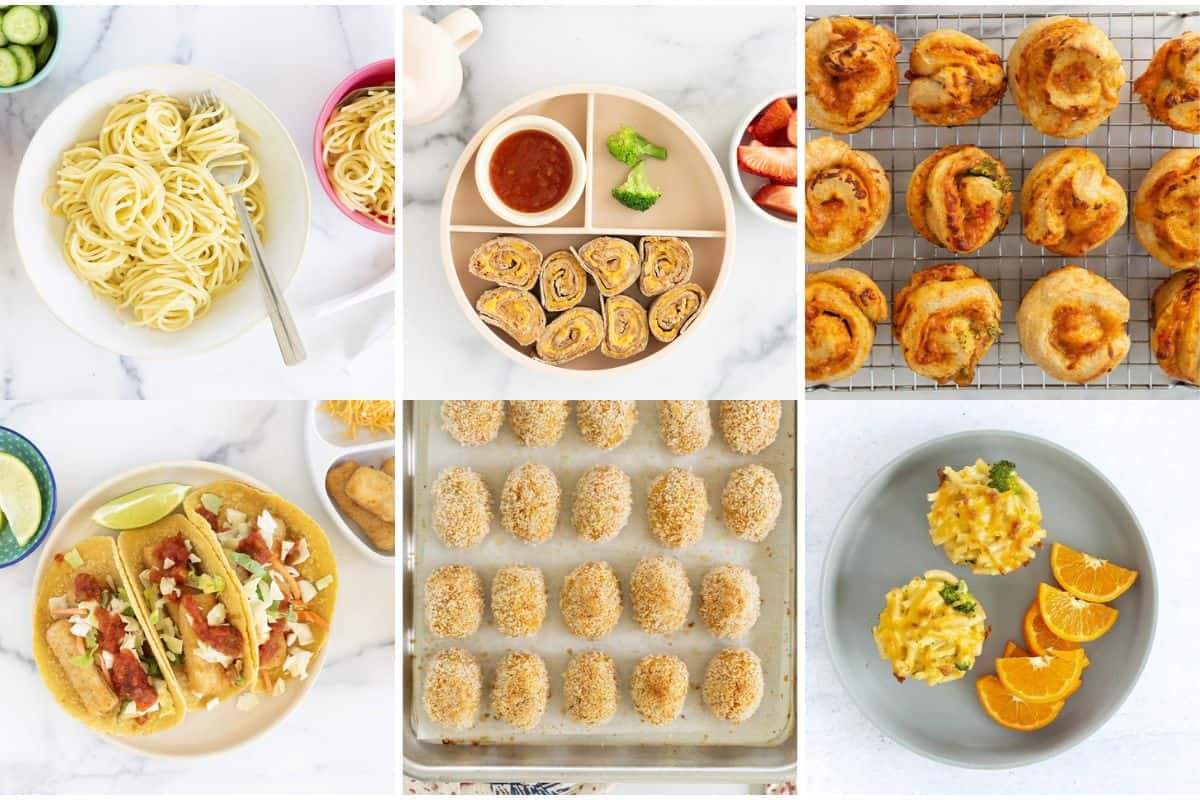
The challenge of feeding selective eaters, commonly referred to as "picky eaters," represents a significant hurdle for caregivers, pediatricians, and nutritional experts alike. Recent data suggests that food neophobia—the fear of trying new foods—reaches its peak in children between the ages of two and six, creating a complex environment for maintaining nutritional adequacy within the household. To address this, a new framework of dinner strategies has emerged, focusing on high-acceptance meals such as pizza, mac and cheese, tacos, and nuggets, re-engineered to meet stringent nutritional and budgetary requirements. These solutions are designed to be "age-agnostic," providing palatability for toddlers while satisfying the caloric and flavor demands of adults, thereby streamlining the domestic meal preparation process.
The Developmental Chronology of Selective Eating
The phenomenon of picky eating is rarely an isolated event; rather, it follows a documented developmental timeline. Understanding this chronology is essential for implementing the dietary strategies outlined in modern culinary guides.

- Infancy (0–12 Months): Most infants exhibit a high degree of openness to various purees and soft textures. This period is critical for early allergen introduction and flavor priming.
- The Toddler Transition (12–24 Months): As autonomy increases, children often begin to exert control through food refusal. This coincides with a natural slowing of growth rates, leading to a perceived drop in appetite that often alarms parents.
- Peak Neophobia (2–6 Years): This stage is characterized by a "beige diet" preference. Evolutionary psychologists suggest this was once a survival mechanism to prevent mobile children from ingesting toxic plants. During this phase, familiar textures and colors (such as those found in pasta and bread) become the primary safe zones.
- Gradual Resolution (7 Years and Beyond): With repeated, non-pressured exposure, most children begin to broaden their palates, though approximately 10% of the population may maintain selective eating habits into adolescence.
Strategic Recipe Engineering: Balancing Palatability and Micronutrients
The recipes currently favored by experts in the field of child nutrition prioritize "bridge foods"—items that look and taste familiar but contain integrated vegetables or lean proteins. This methodology reduces the "sensory surprise" that often leads to meal rejection.

One-Pot and Pasta-Based Solutions
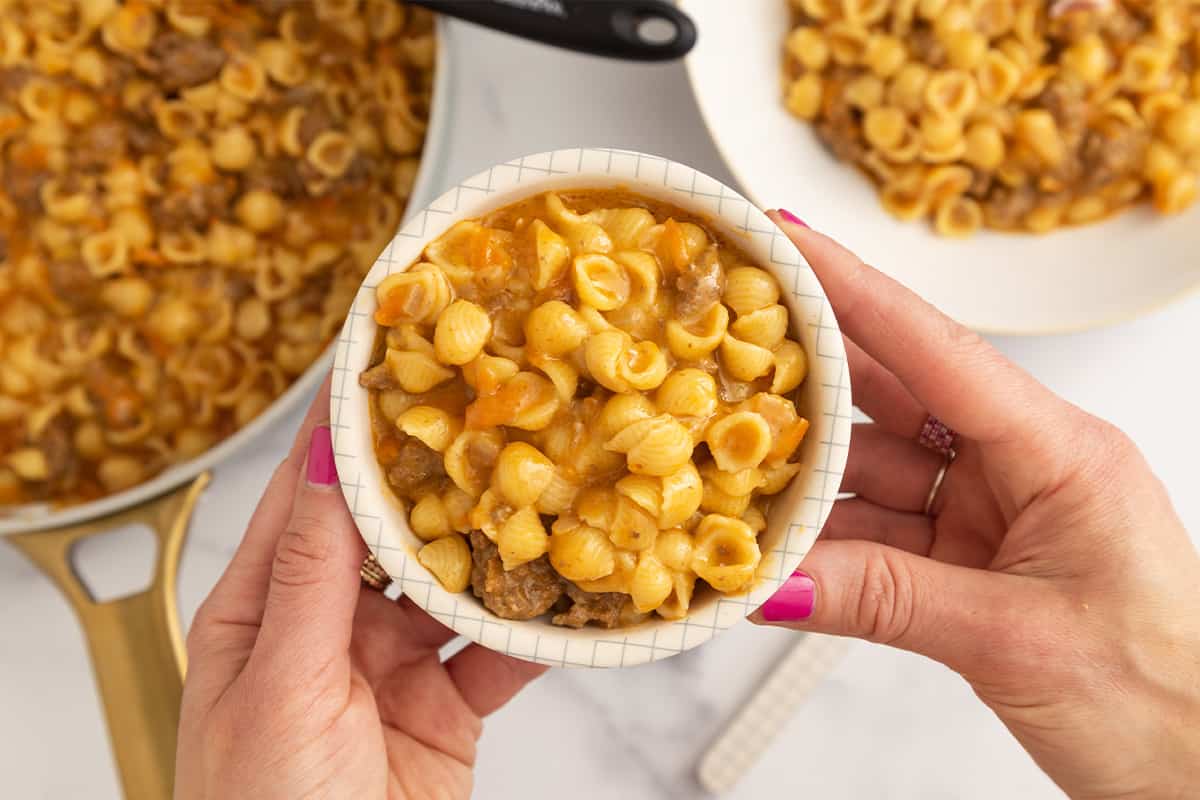
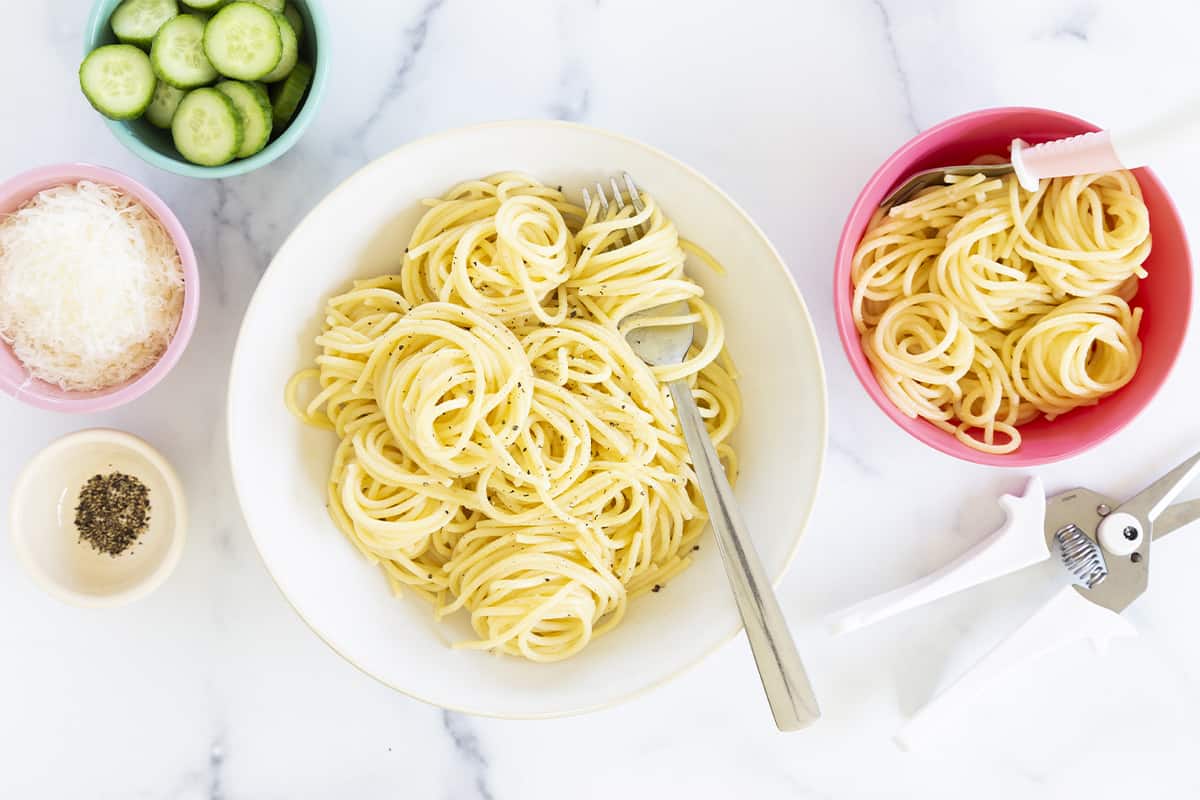
Pasta remains the most successful vehicle for nutritional delivery due to its consistent texture. The "Cheeseburger Pasta" model, for instance, utilizes a one-pot method to combine complex carbohydrates with ground proteins and dairy. By using a single vessel, the flavors meld, reducing the likelihood of a child picking out individual ingredients. Similarly, "Buttered Noodles" remain a staple; however, current nutritional trends suggest using this as a base for gradual "flavor chaining," where small amounts of herbs or nutritional yeast are added over time.

Innovative adaptations like "Cauliflower Mac and Cheese" utilize pureed cruciferous vegetables to enhance the creaminess of the sauce without altering the visual profile of the dish. This addresses the common pediatric deficiency in fiber while maintaining the high-fat, high-sodium flavor profile that children typically find rewarding.
Finger Foods and Handheld Nutrition
Texture is a primary driver of food refusal. Recipes such as "Rice Balls with Veggies" transform loose grains—often a difficult texture for toddlers to manage—into cohesive, easy-to-grip spheres. This transition from "loose" to "solid" significantly increases the success rate of grain consumption.

In the category of proteins, the "Homemade Chicken Nugget" has been redesigned. By incorporating mashed sweet potato into the ground chicken mixture, developers have created a product that is higher in Vitamin A and fiber than commercial counterparts while retaining the "crispy-outside, tender-inside" duality that defines the nugget’s appeal.

Supporting Data: The Economics and Health of Home-Cooked Meals
Nutritional surveys conducted by global health organizations emphasize the correlation between home-prepared meals and long-term health outcomes. According to data from the American Academy of Pediatrics (AAP), children who regularly consume home-cooked dinners are 24% more likely to eat healthy foods and 12% less likely to be overweight.

From an economic perspective, the shift toward "versatile ingredient lists" is a response to rising global food inflation. The recipes highlighted in this guide—such as "Pasta with Peas" and "Taco Roll-ups"—rely on pantry staples like frozen vegetables, dried pasta, and canned beans. These items offer a lower cost-per-serving than pre-packaged "kid meals," which often carry a premium price tag for convenience.
| Meal Type | Primary Nutrient Focus | Affordability Rating (1-5) | Acceptance Rate (Est.) |
|---|---|---|---|
| Cheeseburger Pasta | Protein, Iron | 4.5 | 92% |
| Cauliflower Mac | Fiber, Calcium | 4.0 | 88% |
| Fish Stick Tacos | Omega-3s, Zinc | 3.5 | 75% |
| Rice Balls | Complex Carbs | 5.0 | 82% |
Expert Perspectives and Methodological Approaches
Amy Palanjian, a prominent recipe developer and author specializing in toddler nutrition, argues that the "magic" of these recipes lies in their flexibility. "The picks are not magic, but they provide options to try," Palanjian states, emphasizing that the goal is to provide "versatile ingredient lists and endless options to customize them for the very real preferences of the kid you have."

This aligns with the "Division of Responsibility" (DOR) model pioneered by Ellyn Satter. In this framework, the parent is responsible for what, when, and where food is served, while the child is responsible for how much and whether they eat. By serving "picky-eater friendly" recipes like "Pizza Pinwheels" or "Mac and Cheese Bites," parents fulfill their role by providing approachable, nutritious options, thereby reducing the power struggles that often occur at the dinner table.

Broader Societal and Psychological Implications
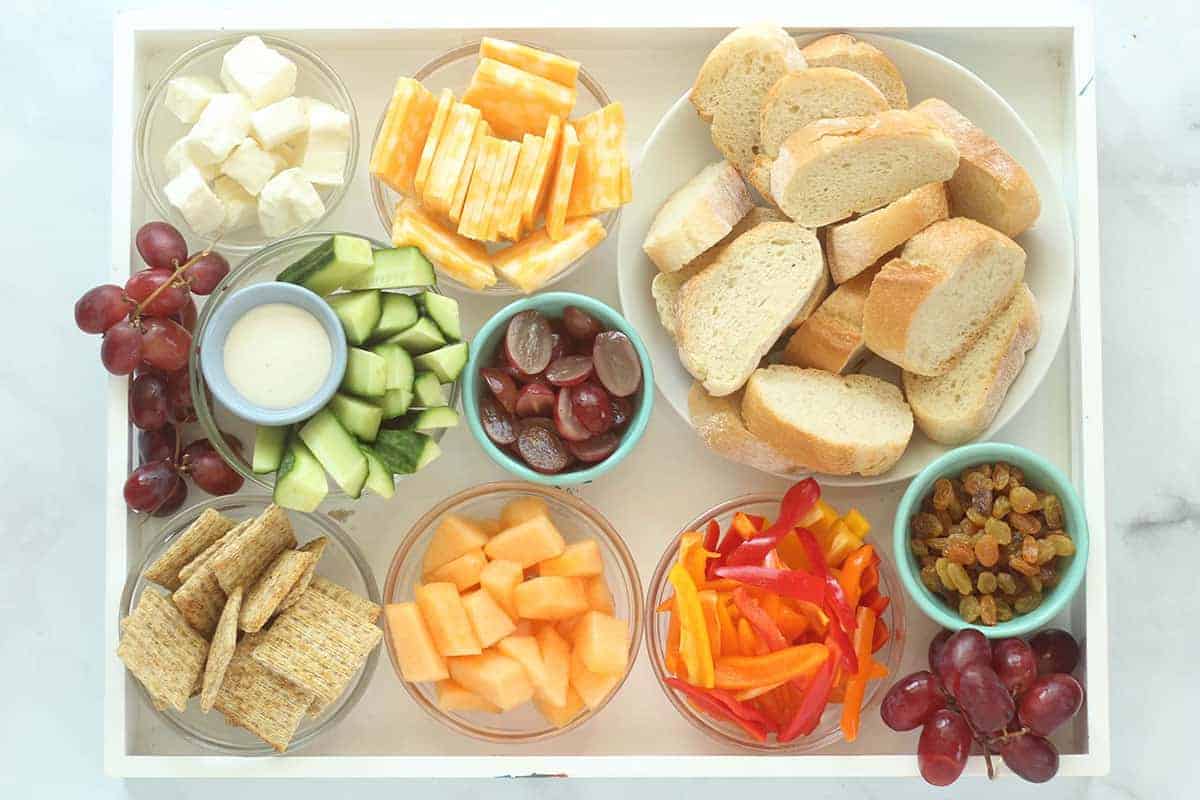
The impact of successful family mealtime extends beyond physical health. Psychological studies indicate that high-stress mealtimes can contribute to parental burnout and increased anxiety in children. When caregivers have a reliable "repertoire" of meals that they know will be accepted—such as the "Easy Snack Dinner" (a deconstructed platter of various food groups)—the emotional labor of parenting is significantly reduced.

Furthermore, the "Easy Snack Dinner" concept serves as an effective tool for reducing food waste. By utilizing small portions of various items already present in the household, families can clear their refrigerators while providing children with the "autonomy of choice," a psychological trigger that often increases a child’s willingness to sample new items.
Success Metrics: Introducing New Foods Without Pressure
To ensure the long-term success of these dietary interventions, clinical nutritionists recommend several "best practices" for caregivers:

- The Rule of Fifteen: Research indicates that a child may need to be exposed to a new food up to 15 times before they develop a preference for it. Consistency, rather than immediate results, is the metric for success.
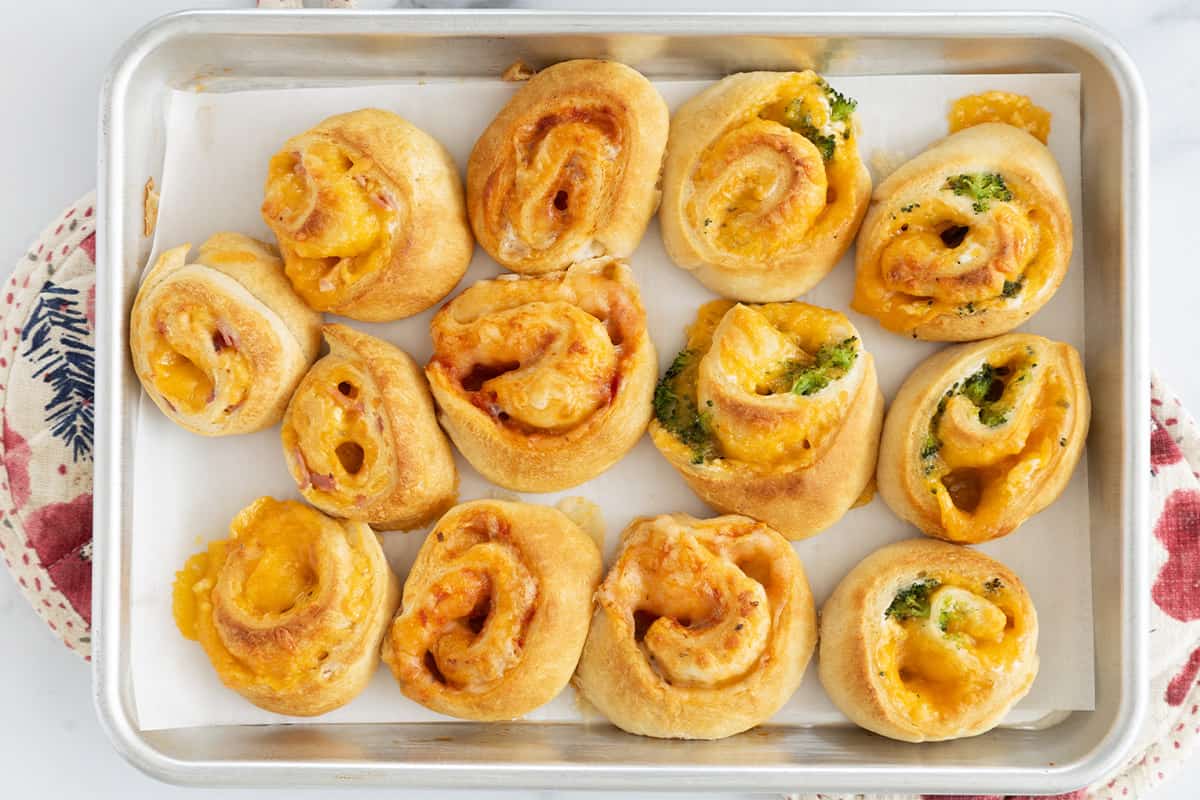
- Neutral Presentation: New foods should be served alongside "safe" foods (items the child already likes). For example, serving a new vegetable alongside "Favorite Pizza Rolls" lowers the perceived risk for the child.
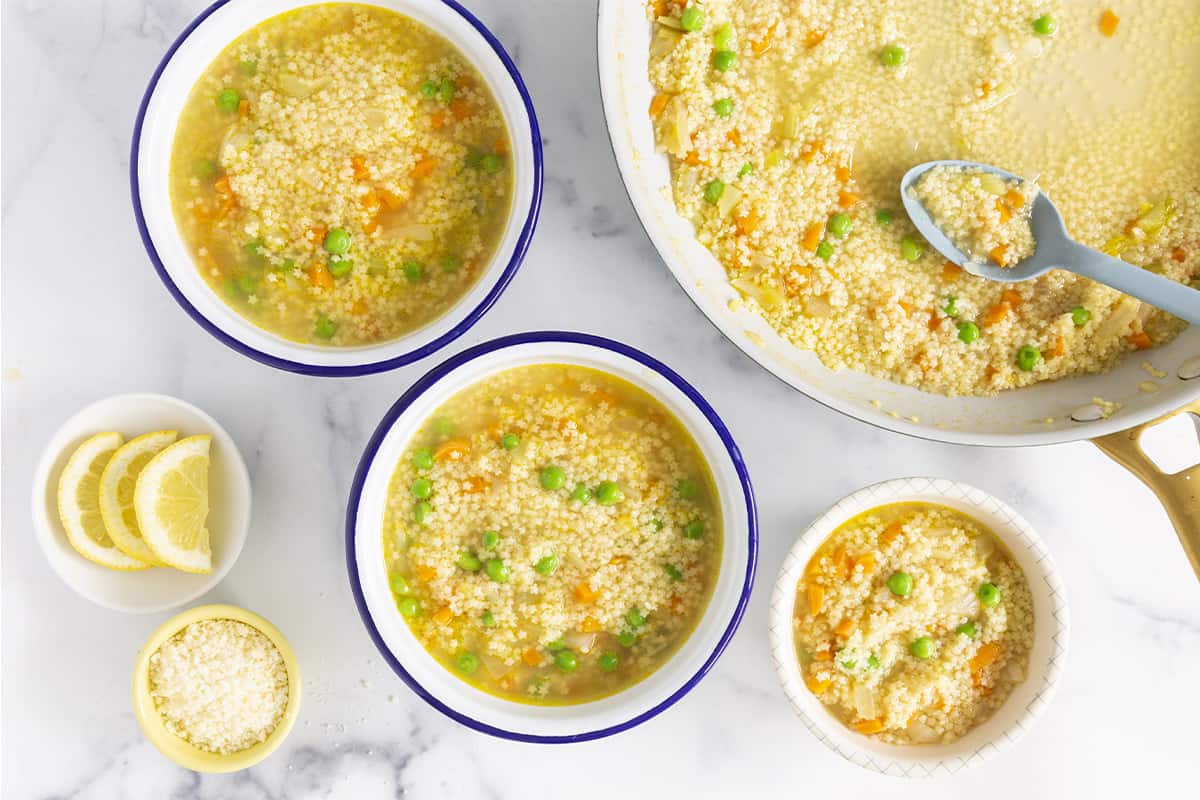
- Involvement in Preparation: Data suggests that children who assist in the kitchen—whether by stirring the "Quick Pastina Soup" or assembling "Taco Roll-ups"—are more likely to consume the final product.
Future Outlook and Conclusion
As the understanding of pediatric sensory processing evolves, the culinary industry is likely to see a continued shift toward "stealth health" and "deconstructed" meal formats. The current transition away from separate "kid meals" toward a unified family menu is a significant step in fostering healthier generations. By focusing on recipes that are nutritious, affordable, and universally delicious, families can navigate the challenging years of picky eating without compromising on health or financial stability.
The recipes and strategies discussed herein represent more than just a meal plan; they constitute a systematic approach to domestic harmony and public health. Through the integration of familiar forms and enhanced nutritional profiles, the "sweet spot" of family dining is increasingly attainable, ensuring that even the most selective eaters receive the fuel necessary for optimal development.