

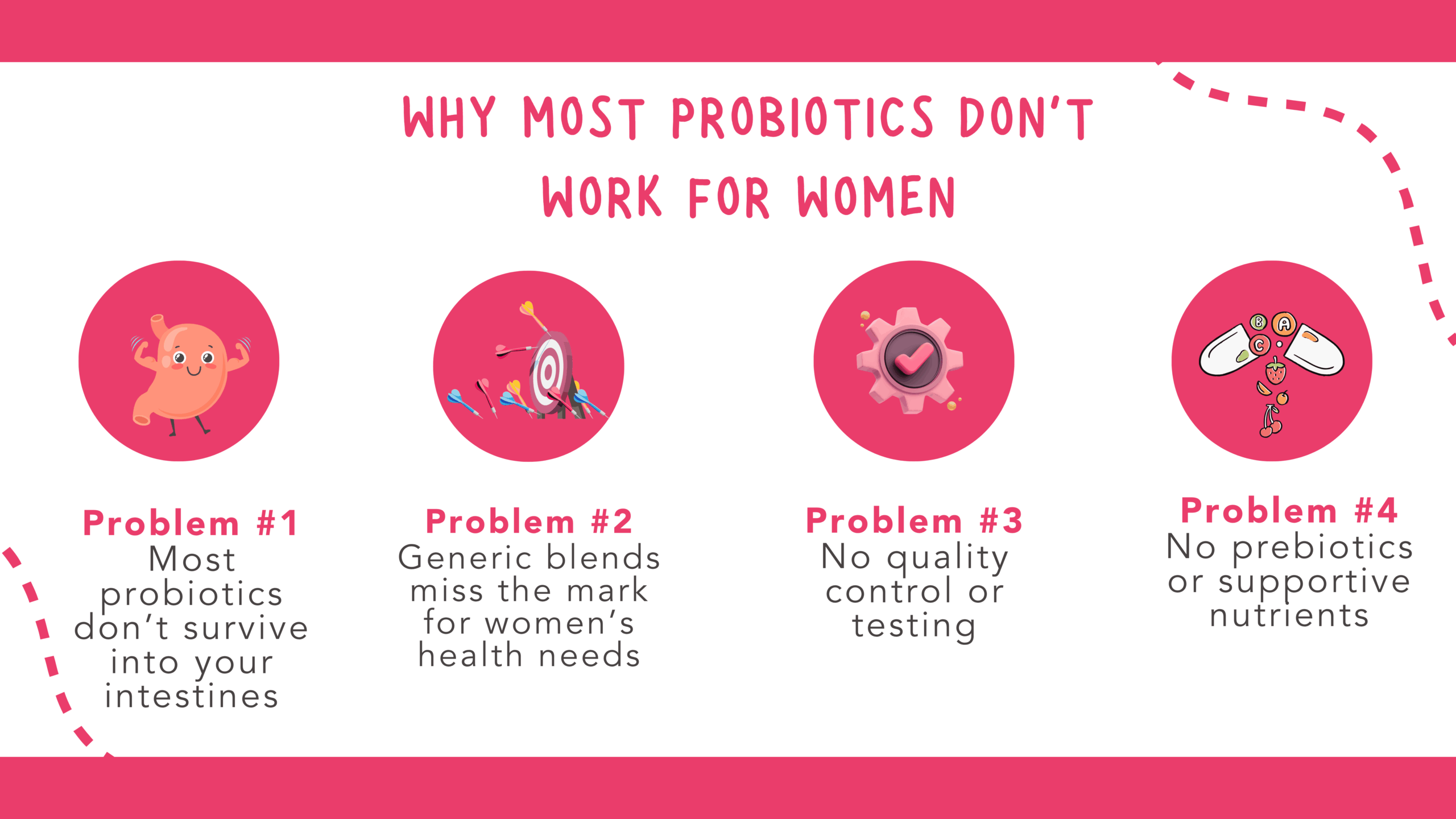
The global probiotic market, currently valued at over $70 billion, has seen an unprecedented surge in consumer interest as the link between gut health and systemic wellness becomes increasingly clear. However, as the industry expands, clinical researchers and nutritionists are raising critical questions regarding the efficacy of generic supplements, particularly those marketed toward women. Recent data suggests that a significant portion of probiotic products currently on the shelf fail to deliver their promised benefits due to biological barriers, poor formulation, and a lack of gender-specific targeting. The efficacy of these "friendly bacteria" depends not only on the quantity of colony-forming units (CFUs) but also on the specific strains used and their ability to survive the volatile environment of the human gastrointestinal tract.
For many women, the promise of improved digestion, clearer skin, and stabilized moods remains unfulfilled. This discrepancy is often rooted in the "one-size-fits-all" approach that has dominated the supplement industry for decades. Scientific inquiry into the female microbiome reveals a complex interplay between the gut, the vaginal flora, and the endocrine system—a triad that generic probiotic blends frequently overlook.
The Biological Barrier: Gastric Acid and Microbial Survival
The primary challenge for any oral probiotic is the journey through the stomach. The human stomach serves as a biological checkpoint, utilizing hydrochloric acid to maintain a pH typically ranging from 1.5 to 3.5. This high acidity is an evolutionary defense mechanism designed to break down proteins and neutralize potentially harmful pathogens. However, this environment is also lethal to many delicate probiotic strains.
When a probiotic supplement is consumed, the live microorganisms must survive this acidic bath to reach the small and large intestines, where they can colonize and exert beneficial effects. Many standard probiotics utilize strains that are not acid-resistant or lack protective delivery systems. Research indicates that without specific formulation strategies—such as the use of enteric coatings or the inclusion of a "potent overage" (packing extra CFUs to account for anticipated loss)—the majority of the bacteria may be dead before they reach the "gut garden."
In response to this, premium manufacturers have begun implementing higher initial concentrations of bacteria. This ensures that even after a significant percentage is neutralized by gastric juices, the remaining viable count is sufficient to meet the therapeutic threshold required for gut colonization.
A Chronology of Microbiome Research: From General Gut Health to Sex-Specific Needs
The understanding of the human microbiome has evolved through several distinct phases over the last century. In the early 1900s, Nobel laureate Élie Metchnikoff first proposed that consuming beneficial bacteria could delay senility and improve health. By the mid-20th century, the focus shifted toward the role of bacteria in preventing post-antibiotic diarrhea.
It was not until the launch of the Human Microbiome Project in 2008 that the scientific community began to map the distinct microbial landscapes of different body sites. This research highlighted a critical fact: the female microbiome is distinct from the male microbiome. Women experience unique physiological stressors, including menstrual cycles, pregnancy, and menopause, all of which influence and are influenced by microbial health.
Throughout the 2010s, studies began to link specific strains of Lactobacillus and Bifidobacterium to female-specific concerns. For instance, the realization that the vaginal microbiome is dominated by Lactobacillus species led to the development of probiotics specifically designed to prevent bacterial vaginosis and yeast infections. Today, the industry is entering an era of "precision probiotics," where formulations are tailored to the hormonal and immunological requirements of the female body.
The Failure of Generic Blends in Addressing Female Physiology
While many probiotics provide a broad spectrum of bacteria, they often miss the mark for women because they lack strain specificity. Clinical data shows that different strains within the same species can have vastly different effects. For women, the presence of specific strains such as Lactobacillus rhamnosus, Lactobacillus gasseri, and Lactobacillus reuteri is vital.
These strains are not merely digestive aids; they play a role in the "gut-vaginal axis." Lactobacillus rhamnosus, for example, has been extensively studied for its ability to migrate from the gut to the vaginal tract, helping to maintain an acidic pH that inhibits the growth of pathogens like E. coli and Candida. Generic blends often omit these specialized strains in favor of cheaper, more common variants that may assist with general bloating but do little for urogenital health or hormonal acne.
Furthermore, the concentration of these strains—measured in CFUs—must be high enough to be clinically significant. Many commercial products contain "proprietary blends" that do not disclose the exact dosage of each strain, making it difficult for consumers and healthcare providers to assess their true therapeutic value.
Quality Control and Regulatory Challenges in the Supplement Industry
A major concern for the scientific community is the lack of stringent regulation in the supplement market. Unlike pharmaceutical drugs, probiotics are often classified as dietary supplements, meaning they are not subject to the same rigorous pre-market testing by the Food and Drug Administration (FDA).
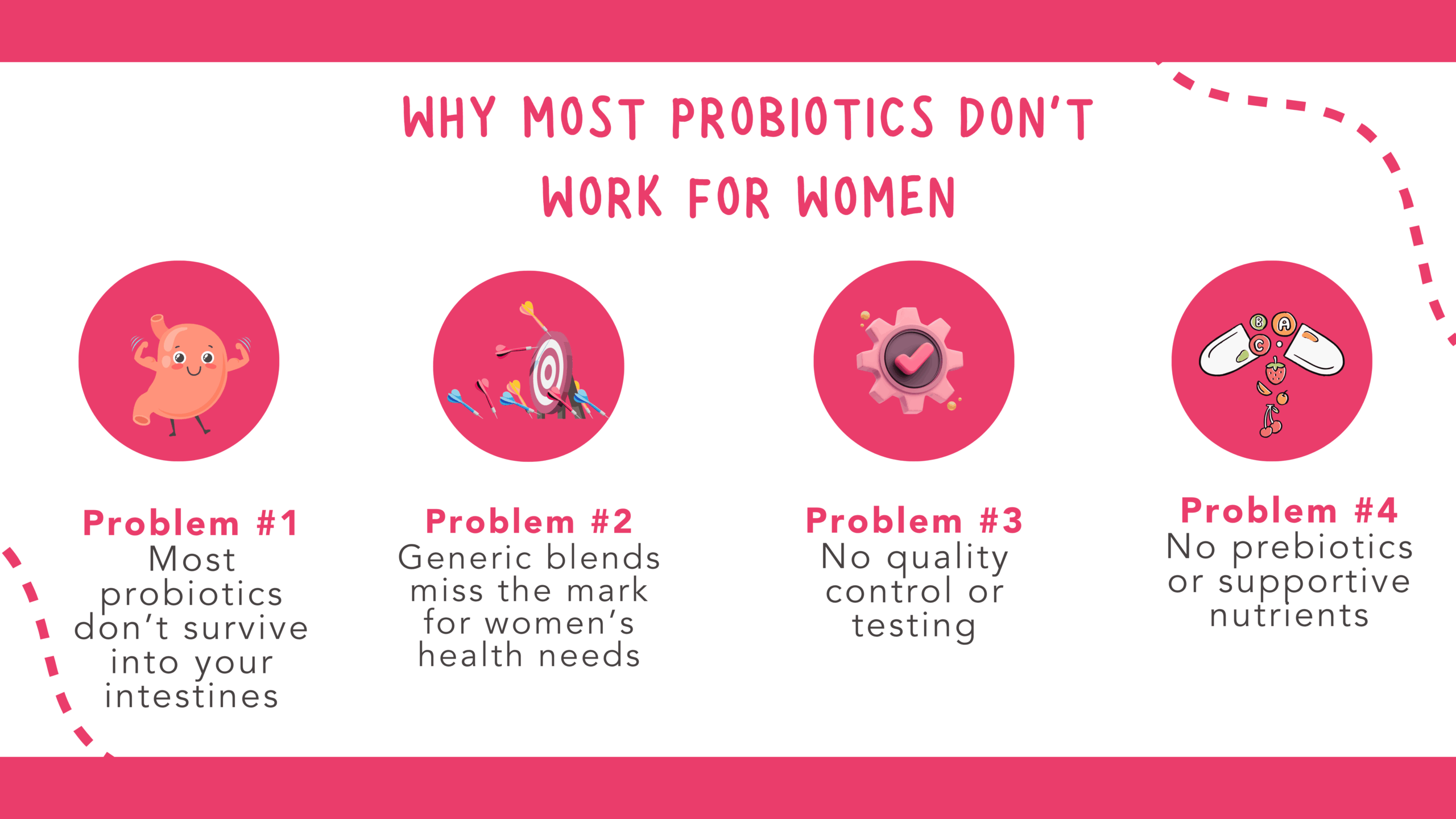
Independent laboratory testing has frequently revealed discrepancies between the label claims and the actual contents of probiotic bottles. A 2021 study of several top-selling brands found that some contained less than 10% of the advertised live bacteria by the time they reached the consumer. Factors contributing to this degradation include improper storage, exposure to heat and humidity during shipping, and the natural life cycle of the bacteria.
To combat this, third-party certifications—such as those from the NSF or USP—have become essential benchmarks for quality. Manufacturers that invest in third-party testing and follow Current Good Manufacturing Practices (cGMP) provide a higher level of assurance that the bacteria are not only present but viable and free from contaminants like heavy metals or common allergens.
The Role of Synbiotics: Integrating Prebiotics and Micronutrients
The emerging consensus among nutritionists is that probiotics cannot function in isolation. They require prebiotics—non-digestive fibers that serve as "fuel" for the beneficial bacteria. This combination is known as a "synbiotic" formulation.
One of the more innovative prebiotics gaining traction in the industry is fiber derived from the Baobab tree (Adansonia digitata). Baobab fruit powder is a whole-food source of prebiotic fiber that is also rich in Vitamin C and antioxidants. For women, who are recommended to consume approximately 25 grams of fiber daily, the inclusion of 100 mg or more of organic baobab fiber in a probiotic capsule provides a dual benefit: it supports the survival of the probiotic strains while contributing to the daily fiber requirement.
Furthermore, premium formulations are increasingly "clean label," removing common fillers and allergens. The exclusion of dairy, gluten, soy, and GMOs is not just a marketing trend but a response to the high prevalence of food sensitivities among women with gut dysbiosis. By removing synthetic binders, manufacturers reduce the risk of systemic inflammation, allowing the gut to heal and the probiotics to flourish.
Industry Reactions and the Shift Toward Transparency
Industry leaders and medical professionals are responding to consumer frustration with a push for greater transparency. Dr. Emily Richards, a gastroenterologist specializing in female health, notes that "patients are becoming more savvy. They aren’t just looking for ‘probiotics’; they are asking for specific strains backed by peer-reviewed research."
In response, brands like Mama Natural and other health-focused enterprises have begun formulating products that prioritize strain diversity and survival rates. The inclusion of 10 or more well-researched strains, such as Bifidobacterium longum for immune support and Lactobacillus reuteri for vaginal wellness, is becoming the new standard for high-end female supplements.
Retailers are also adjusting their logistics to include climate-controlled shipping and "shelf-stable" formulations that utilize advanced desiccant-lined bottles to protect the bacteria from moisture and light, further ensuring that the product remains potent until the date of expiration.
Broader Implications: The Future of Personalized Nutrition
The implications of targeted probiotic therapy extend beyond simple digestive comfort. As research continues to uncover the "microbiome-endocrine connection," it is becoming clear that gut health plays a role in estrogen metabolism and thyroid function. This has significant ramifications for managing conditions like Polycystic Ovary Syndrome (PCOS), endometriosis, and the symptoms of perimenopause.
The economic impact is also noteworthy. Digestive issues and urogenital infections account for millions of lost work hours and billions of dollars in healthcare costs annually. By shifting the focus toward preventative, targeted supplementation, the healthcare industry may see a reduction in the incidence of chronic inflammatory conditions and recurring infections.
Looking forward, the next frontier in this field is likely to be personalized microbiome testing, where a woman can have her unique microbial profile analyzed and receive a custom-formulated probiotic tailored to her specific deficiencies. Until that technology is widely accessible, the best course of action remains the use of high-quality, multi-strain, synbiotic formulas that are specifically designed to survive the human digestive tract and address the unique physiological needs of women.
The transition from generic supplementation to targeted, evidence-based nutrition represents a significant step forward in women’s health. By understanding the barriers to probiotic efficacy—from stomach acid to strain specificity—consumers can make informed choices that lead to genuine, long-term health improvements. Consistency, as noted by many clinical practitioners, remains key; a period of two to four weeks of daily use is generally required to observe a meaningful shift in the internal ecosystem.