

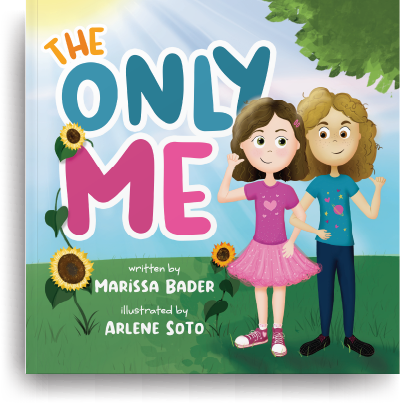
The Core Message: Embracing Individuality
"The Only Me" introduces readers to Stella and Paige, fraternal twins who, despite their familial bond, possess strikingly different personalities and strengths. The narrative explores Stella’s internal struggle as she grapples with the constant comparisons made by those around her, leading to feelings of frustration and insecurity. This common experience, often overlooked or minimized, forms the emotional backbone of the story. Stella’s yearning for recognition as an individual resonates deeply, prompting readers to consider how societal tendencies to group twins can inadvertently overshadow their unique attributes.
The book’s progression sees Stella embark on a journey of self-discovery, gradually learning to identify and appreciate her own remarkable qualities. It underscores the psychological imperative for children to develop a strong sense of self, independent of their siblings. By the story’s conclusion, Stella embraces her identity, understanding that her worth is inherent and not contingent upon measuring up to anyone else, including her twin. This theme of self-acceptance and the celebration of personal strengths is pivotal, extending its relevance far beyond the specific context of twins to encompass all children navigating their identities within family structures.
Author’s Inspiration and Developmental Chronology
Marissa Bader’s inspiration for "The Only Me" stems directly from her personal experiences as a parent to six-year-old fraternal twins. She observed firsthand how her children were frequently addressed collectively as "the twins" rather than by their individual names, Mila and Grace. This collective labeling, coupled with incessant comparisons—both physical and mental—contributed to feelings of being unseen and confused about their individual identities, and at times, inferior to one another. Bader noted that this societal habit inadvertently solidified "being the twins" as their primary identity, potentially hindering their individual psychological development.
The genesis of the book began with a narrower focus, initially titled "The Twins Who Were Different." However, through her work and research, including an article penned for Lucie’s List on the significance of treating siblings as individuals, Bader recognized the broader applicability of her message. The realization that the core themes of embracing differences, honoring individual strengths, and fostering self-pride resonated with all children, not exclusively multiples, prompted a pivotal shift in the book’s scope and its eventual renaming to "The Only Me." This evolution reflects a deeper understanding of child psychology and the universal human need for individual affirmation.
Psychological Underpinnings: The Science of Sibling Individuality
The premise of "The Only Me" is strongly supported by extensive research in developmental psychology regarding sibling relationships and identity formation. While twins, particularly identical twins, share significant genetic similarities and often experience parallel developmental milestones, psychological studies consistently demonstrate that each child, regardless of sibling status, develops a unique personality, set of interests, and cognitive profile.
Experts in child development emphasize that constant comparison among siblings can have detrimental effects on self-esteem and identity. Dr. Sarah J. Schaffer, a prominent child psychologist specializing in family dynamics, notes, "When children are routinely compared to a sibling, especially one who is perceived as ‘better’ in certain areas, it can foster feelings of inadequacy, jealousy, and resentment. For twins, who are often viewed as a singular unit, this pressure can be particularly intense, making it harder for them to forge distinct identities." Research indicates that even among identical twins, who share 100% of their DNA, environmental factors, peer interactions, and individual experiences contribute to unique personality traits and intellectual pathways. A landmark study published in the Journal of Personality and Social Psychology found that while genetic factors play a role in certain traits, the unique environment each sibling experiences—even within the same household—significantly shapes their individual development, making them often no more similar than any two strangers in the world in terms of psychological makeup.
Furthermore, the practice of lumping children together, whether as "the twins" or simply "the kids," can impede the crucial process of self-differentiation. Identity formation in childhood is a complex process where individuals begin to understand who they are, what they value, and how they fit into the world. When external narratives consistently merge identities, it can create confusion and delay this essential developmental task. Conversely, when parents and caregivers actively acknowledge and celebrate each child’s distinct characteristics, it fosters a secure base for self-exploration and confidence building. This affirmation signals to the child that they are seen, valued, and respected for who they intrinsically are, irrespective of their siblings.
Statistics and Societal Context of Multiples
The phenomenon of twin births has seen an upward trend in recent decades, influenced by factors such as delayed childbearing and the increased use of assisted reproductive technologies. According to the U.S. Centers for Disease Control and Prevention (CDC), the twin birth rate rose significantly in the late 20th and early 21st centuries, peaking around 2014 before a slight decline. Even with recent modest decreases, twins still represent a substantial portion of annual births, making the themes explored in "The Only Me" relevant to a growing demographic. For instance, in 2020, there were approximately 110,000 twin births in the U.S., accounting for about 3.2% of all births. This large number underscores the importance of resources that address the unique challenges and joys of raising multiples.
Societal perceptions of twins often contribute to the issues addressed in Bader’s book. From matching outfits to shared birthday parties, and even the cultural fascination with identical twins, there’s a pervasive tendency to emphasize their sameness. While celebrating the unique bond between twins is valid, it often comes at the cost of diminishing their individual identities. This cultural context provides a fertile ground for a book like "The Only Me" to initiate critical conversations among families, educators, and the broader community about how we perceive and interact with twins.
Expert Endorsements and Broader Implications
While specific quotes from experts on "The Only Me" are not yet widely available post-publication, the book’s central message aligns perfectly with established best practices in child psychology and parenting. Child development specialists, such as those affiliated with organizations like the American Academy of Pediatrics and the National Association for the Education of Young Children, consistently advocate for parenting strategies that prioritize individual recognition. They counsel parents to avoid comparisons, encourage separate interests, foster individual friendships, and use individual names rather than collective labels.
Parenting organizations dedicated to supporting families with multiples, such as the National Organization of Mothers of Twins Clubs (NOMOTC), frequently publish guidelines emphasizing the importance of nurturing individuality. These guidelines often recommend:
- Celebrating unique milestones: Acknowledging achievements separately.
- Encouraging distinct hobbies and friendships: Allowing children to explore their own interests and social circles.
- Avoiding matching clothes and identical gifts constantly: While fun occasionally, it can blur individual identities if overdone.
- Spending one-on-one time with each child: Reinforcing their unique relationship with the parent.
"The Only Me" serves as a practical, accessible tool for parents and educators to implement these principles. Its narrative format allows children to engage with complex emotional concepts in an age-appropriate manner, fostering empathy and self-awareness. The book’s publication is a significant contribution to the genre of social-emotional learning for children, offering a tangible resource for promoting self-esteem and respect for diversity of personality.
The implications of "The Only Me" extend beyond the immediate family unit. In educational settings, the book can be a valuable resource for teachers in promoting inclusivity and understanding among students. It provides a framework for discussing why comparing individuals is unhelpful and how to celebrate the strengths that each person brings to a group. The narrative can also empower children who feel overlooked or constantly measured against siblings or peers, offering validation for their feelings and strategies for self-affirmation.
The Call for Dialogue and Continued Engagement
Marissa Bader has expressed a keen interest in fostering an ongoing dialogue around the themes presented in "The Only Me." She actively encourages readers to share their own experiences regarding how their children, especially multiples, exhibit both similarities and differences, and how families navigate these dynamics. This initiative highlights the book’s role not just as a story, but as a catalyst for community engagement and shared learning among parents. Such engagement can lead to a richer understanding of diverse family experiences and contribute to a body of collective wisdom on raising confident, self-assured children.
The early media attention, including a feature on CBS News Minnesota, underscores the public interest and perceived importance of the book’s message. This initial reception suggests that "The Only Me" is poised to become a significant voice in children’s literature, advocating for a more nuanced and empathetic approach to understanding individual identity within families. The book serves as a timely reminder of the profound opportunity and responsibility caregivers hold in shaping their children’s sense of value and self-esteem by consistently honoring their unique spirits. Through stories like Stella’s, the journey toward self-acceptance and individual celebration is made accessible, encouraging a new generation to embrace "the only me" that they are.