

The landscape of children’s literature is undergoing a critical examination, with a growing emphasis on the need for diverse representation in the stories shared with young minds. While many beloved books have long been staples in children’s libraries, a closer look reveals a persistent imbalance, with white, male characters overwhelmingly dominating the narrative. This trend is not merely an oversight; it has tangible implications for how children perceive themselves and the world around them. As educators, parents, and publishers increasingly recognize the power of representation, curated lists of diverse books are emerging as essential resources for fostering inclusivity and empathy from an early age.
The Stark Reality of Underrepresentation

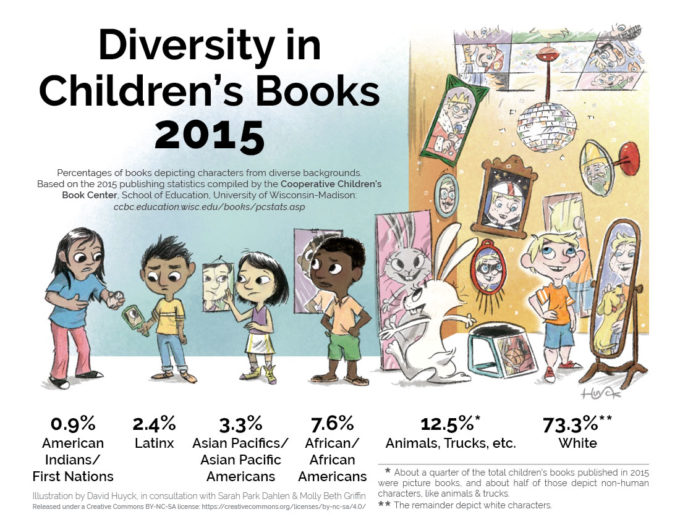
Statistics paint a clear picture of the disparity in children’s literature. Research has consistently highlighted the underrepresentation of characters from various racial, ethnic, gender, and ability backgrounds. For instance, studies have shown that authors and illustrators of color account for a small percentage of published children’s books, further compounding the issue of representation within the narratives themselves. Even when protagonists are animals or anthropomorphic characters, they are frequently depicted as male, reinforcing a default male perspective. This homogeneity in storytelling can inadvertently convey a message that certain identities are less visible, less important, or simply not the norm.
The impact of this lack of diversity is multifaceted. For children who see themselves reflected in the stories they read, books can be powerful tools for validation, self-esteem, and a sense of belonging. Conversely, for children who do not see themselves represented, it can lead to feelings of invisibility, alienation, and a diminished sense of their own worth. Furthermore, children who are exposed only to a narrow range of perspectives may develop a less nuanced understanding of the world and its inhabitants, potentially hindering their ability to develop empathy and respect for those who are different from them.
A Growing Movement for Inclusive Storytelling
In recent years, a conscious effort has been made by many within the publishing industry and among literary advocates to address this imbalance. Organizations dedicated to promoting diversity in children’s books have emerged, and initiatives aimed at increasing the publication of books featuring underrepresented characters have gained traction. This movement is not about replacing existing beloved stories but about expanding the literary horizons available to children, ensuring that a wider array of experiences, cultures, and identities are celebrated and explored.
The rationale behind this push for diversity is rooted in the understanding that literature serves as a mirror and a window. It acts as a mirror, reflecting the lived experiences of children and affirming their identities. Simultaneously, it serves as a window, offering glimpses into the lives and perspectives of others, fostering understanding and breaking down stereotypes. By providing children with stories that showcase a rich tapestry of human experiences, we equip them with the tools to navigate an increasingly diverse world with greater sensitivity and appreciation.
Curated Selections: Diverse Books for Every Age Group
The following selections represent a range of children’s books that actively embrace diversity, encompassing race, gender, disability, and sexuality, while also being recognized for their literary merit and engaging storytelling. These books have been chosen not only for their inclusive content but also for their ability to captivate young readers and spark meaningful conversations.
For Babies and Toddlers: Building Foundational Understanding
The earliest years of a child’s life are crucial for developing their understanding of the world. Board books and picture books with simple yet profound messages can lay the groundwork for a lifelong appreciation of diversity.
- "Not Quite Narwhal" by Jessie Sima: This charming story introduces Kelp, a narwhal who feels different. While seemingly a tale about embracing individuality, it beautifully illustrates the all-encompassing nature of family and belonging. Its simple narrative and endearing illustrations make it a delightful read for the youngest audiences.
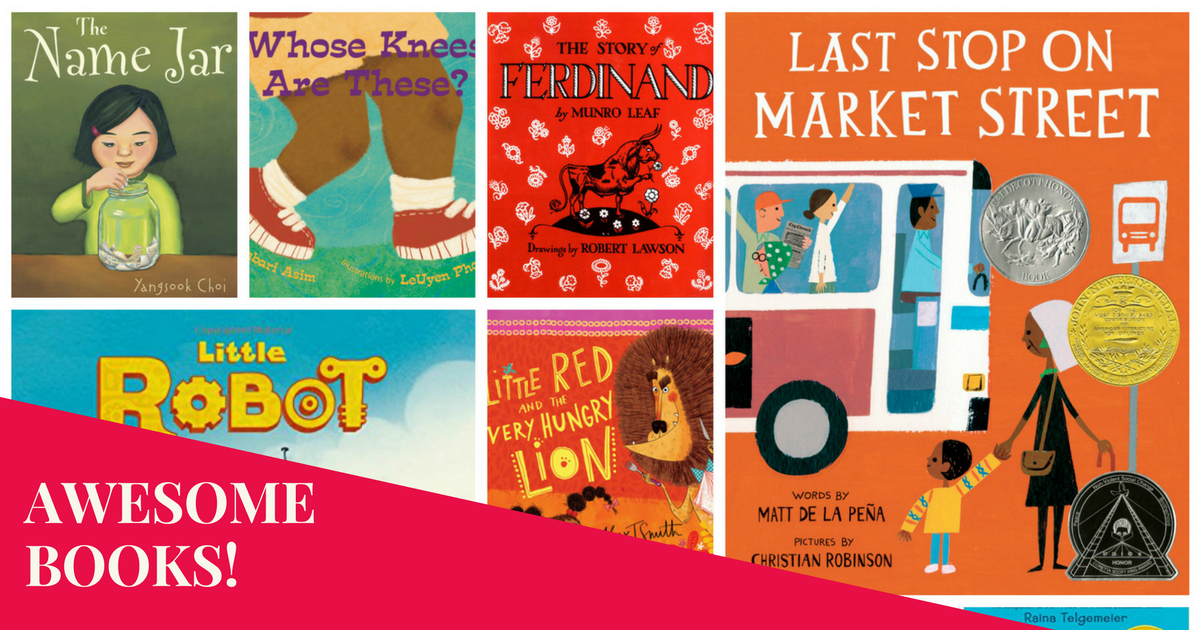
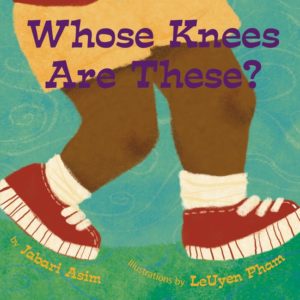
- "Whose Knees Are These?" by Jabari Asim, illustrated by LeUyen Pham: This engaging board book uses playful rhymes to explore body parts, encouraging early language development. The illustrations depict a diverse range of children, subtly normalizing different appearances and encouraging observation.
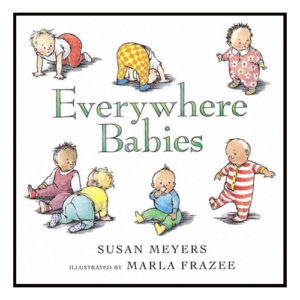
- "Everywhere Babies" by Susan Meyers, illustrated by Rafael López: With its vibrant illustrations, this book celebrates the universality of babies across different ages, colors, and family structures. It offers a simple yet powerful message that babies, in all their diversity, are everywhere and are cherished. Rafael López’s illustrations, known for their warmth and detail, bring the diverse community of babies to life.
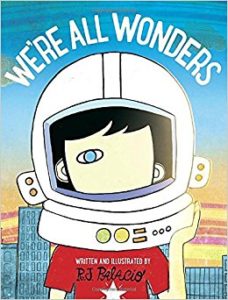
- "We’re All Wonders" by R.J. Palacio: Adapted from the acclaimed novel "Wonder," this picture book introduces younger children to Auggie Pullman, a boy who looks different. The story emphasizes kindness, empathy, and the idea that everyone is a wonder in their own way, offering a gentle introduction to themes of acceptance and celebrating uniqueness.
For Preschoolers: Exploring Identity and Community
As children enter preschool, their understanding of the world expands, and they begin to form stronger connections with their peers. Books at this stage can introduce more complex themes of identity, community, and social interaction.
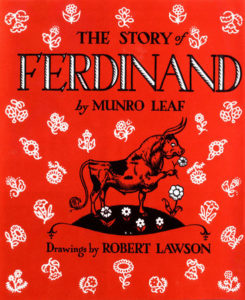
- "The Story of Ferdinand" by Munro Leaf, illustrated by Robert Lawson: A timeless classic, "The Story of Ferdinand" tells the tale of a bull who prefers smelling flowers to fighting. Ferdinand’s gentle nature and refusal to conform to traditional expectations offer a powerful early lesson in individuality and challenging societal norms. Its lyrical prose and enduring message have resonated with generations.
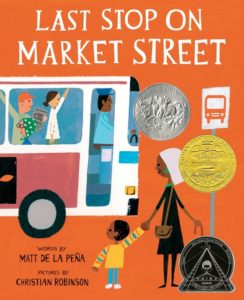
- "Last Stop on Market Street" by Matt de la Peña, illustrated by Christian Robinson: This Caldecott Medal winner follows CJ and his Nana on their weekly bus ride. Through their conversations and observations, the book beautifully explores themes of community, gratitude, and finding beauty in the everyday. Christian Robinson’s vibrant and expressive illustrations capture the diverse urban landscape and the warmth of the intergenerational relationship.
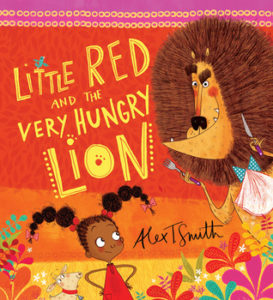
- "Little Red and the Very Hungry Lion" by Alexia T. Goldschlag, illustrated by Gaby Aliaga: This delightful reimagining of "Little Red Riding Hood" swaps the wolf for a lion and sets the story in a jungle. With its vibrant illustrations and a humorous twist on a familiar tale, this book offers a fresh perspective while reinforcing the importance of resourcefulness and family.
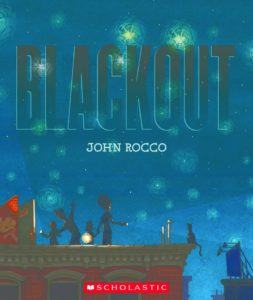
- "Blackout" by John Rocco: This Caldecott Honor book uses minimal text and striking illustrations to depict a family’s experience during a city-wide power outage. It highlights how adversity can bring people together, fostering a sense of community and shared experience, and subtly showcases a diverse urban family.
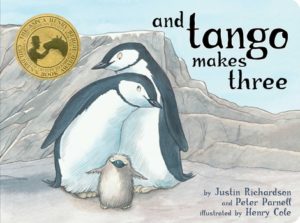
- "And Tango Makes Three" by Justin Richardson and Peter Parnell, illustrated by Henry Cole: Based on a true story, this heartwarming book tells the tale of two male penguins at the Central Park Zoo who form a family. It provides a gentle and accessible introduction to different family structures, promoting understanding and acceptance of LGBTQ+ families.
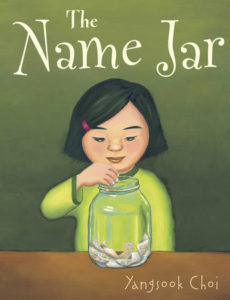
- "The Name Jar" by Yangsook Choi, illustrated by LeUyen Pham: Unhei, a young Korean girl, worries about her name when she moves to a new school. This story beautifully addresses the challenges of assimilation, the importance of cultural identity, and the kindness of classmates who create a "name jar" to help her choose an American name. It’s a gentle yet profound exploration of belonging.
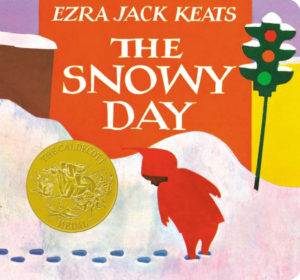
- "The Snowy Day" by Ezra Jack Keats: A seminal work in children’s literature, this Caldecott Medal winner celebrates the simple joys of a snowy day through the eyes of Peter, a young Black boy. Its groundbreaking inclusion of a Black protagonist and its evocative illustrations have made it a beloved classic for decades, showcasing the beauty of childhood exploration regardless of race.
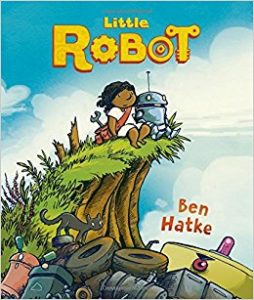
- "Little Robot" by Ben Hatke: This wordless graphic novel tells the story of a lonely robot who is befriended by a kind and resourceful young girl. The narrative unfolds through expressive illustrations, highlighting themes of friendship, empathy, and the power of connection, transcending language barriers and showcasing a cross-cultural bond.
For Bigger Kids: Navigating Complex Themes and Identities
As children grow older, their capacity to engage with more complex narratives and abstract concepts deepens. Books for this age group can explore nuanced social issues, personal challenges, and diverse perspectives with greater depth.
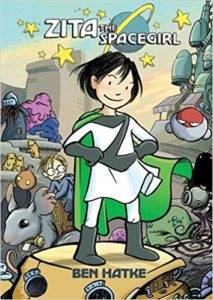
- "Zita the Spacegirl" Trilogy by Ben Hatke: This captivating series follows Zita, a courageous Earth girl who embarks on an epic adventure across the galaxy. The books are celebrated for their strong female protagonist, engaging plotlines, and the exploration of themes like loyalty, bravery, and facing the unknown. Hatke’s work consistently features relatable characters with diverse personalities and motivations.
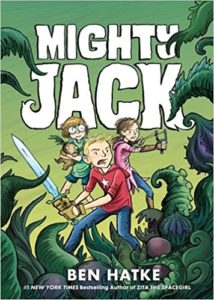
- "Mighty Jack" by Ben Hatke: A creative retelling of "Jack and the Beanstalk," this graphic novel introduces Jack and his sister Maddy, who has autism. The intricate relationship between the siblings is central to the plot, offering insights into familial bonds, communication differences, and the challenges of navigating a world that may not always understand. The book also touches on themes of divorce and mother-son relationships, making it a rich and multi-layered read.
- "El Deafo" by Cece Bell: This Newbery Honor-winning graphic novel is a poignant and humorous memoir about Cece, a young girl who loses her hearing. She navigates the challenges of her disability by creating a superhero alter ego, "El Deafo." The book offers an honest portrayal of the experience of being different, the search for acceptance, and the power of imagination.
- "Sisters" by Raina Telgemeier: Raina Telgemeier’s graphic novels are immensely popular for their relatable characters and engaging storylines. "Sisters" delves into the complex dynamics of sibling relationships, focusing on the rivalry and eventual bond between two sisters on a family road trip. Telgemeier’s work often touches upon themes of friendship, family, and personal growth, resonating deeply with middle-grade readers. Her other books, such as "Ghost" (featuring a protagonist with cystic fibrosis) and "Drama" (exploring unrequited crushes and a character questioning his sexuality), further demonstrate her commitment to diverse storytelling.
The Broader Impact and Future Outlook
The growing availability and promotion of diverse books have significant implications for children’s development and the broader societal understanding of inclusivity. By exposing children to a wider range of characters and experiences, we foster empathy, reduce prejudice, and equip them with the critical thinking skills necessary to navigate a complex and interconnected world.
Publishers are increasingly recognizing the market demand for diverse literature, leading to a greater number of books being published that reflect the richness of human experience. This trend is not merely a fleeting one but represents a fundamental shift in how children’s literature is being conceived and created. As more authors and illustrators from diverse backgrounds find platforms for their stories, the literary landscape will continue to evolve, offering an ever-expanding universe of narratives for young readers to explore and connect with.
The conversation around diversity in children’s books is ongoing and dynamic. It is crucial for parents, educators, and librarians to actively seek out and recommend these inclusive titles, ensuring that every child has the opportunity to see themselves reflected in the stories that shape their imaginations and inform their understanding of the world. The journey towards truly representative children’s literature is a collective one, and each thoughtfully chosen book plays a vital role in building a more inclusive and empathetic future.