

Millions of mothers worldwide cherish the ritual of a warm, comforting cup of coffee, finding solace and routine in its rich aroma and taste. However, for those considering pregnancy, currently pregnant, or breastfeeding, the consumption of caffeine presents a nuanced challenge. Health guidelines often recommend reducing or entirely eliminating caffeine intake during these critical periods to safeguard maternal and infant health. This necessity has propelled the demand for high-quality decaffeinated coffee, with the Swiss Water Process emerging as the undisputed "gold standard" for its unparalleled purity and chemical-free methodology.
The Critical Choice for Expectant and Nursing Mothers

Caffeine, a natural stimulant found in coffee, tea, chocolate, and certain beverages, crosses the placenta and can enter breast milk. While moderate consumption (generally defined as less than 200 milligrams per day, equivalent to about one 12-ounce cup of coffee) is often deemed acceptable by some health organizations, many expectant and nursing mothers opt for decaffeinated alternatives to mitigate potential risks entirely. High caffeine intake during pregnancy has been linked to increased risks of miscarriage, preterm birth, and low birth weight, although research findings can sometimes vary. For breastfeeding mothers, caffeine can disrupt an infant’s sleep patterns, lead to irritability, and, in rare cases, contribute to dehydration. Therefore, the decision to switch to decaffeinated coffee is a proactive step towards ensuring optimal health for both mother and child. However, the method by which coffee is decaffeinated is just as critical as the decision to choose decaf itself. The presence of residual chemicals from certain decaffeination processes raises significant concerns for a demographic already hyper-vigilant about chemical exposure.
Unpacking the Swiss Water Process: A Chemical-Free Approach
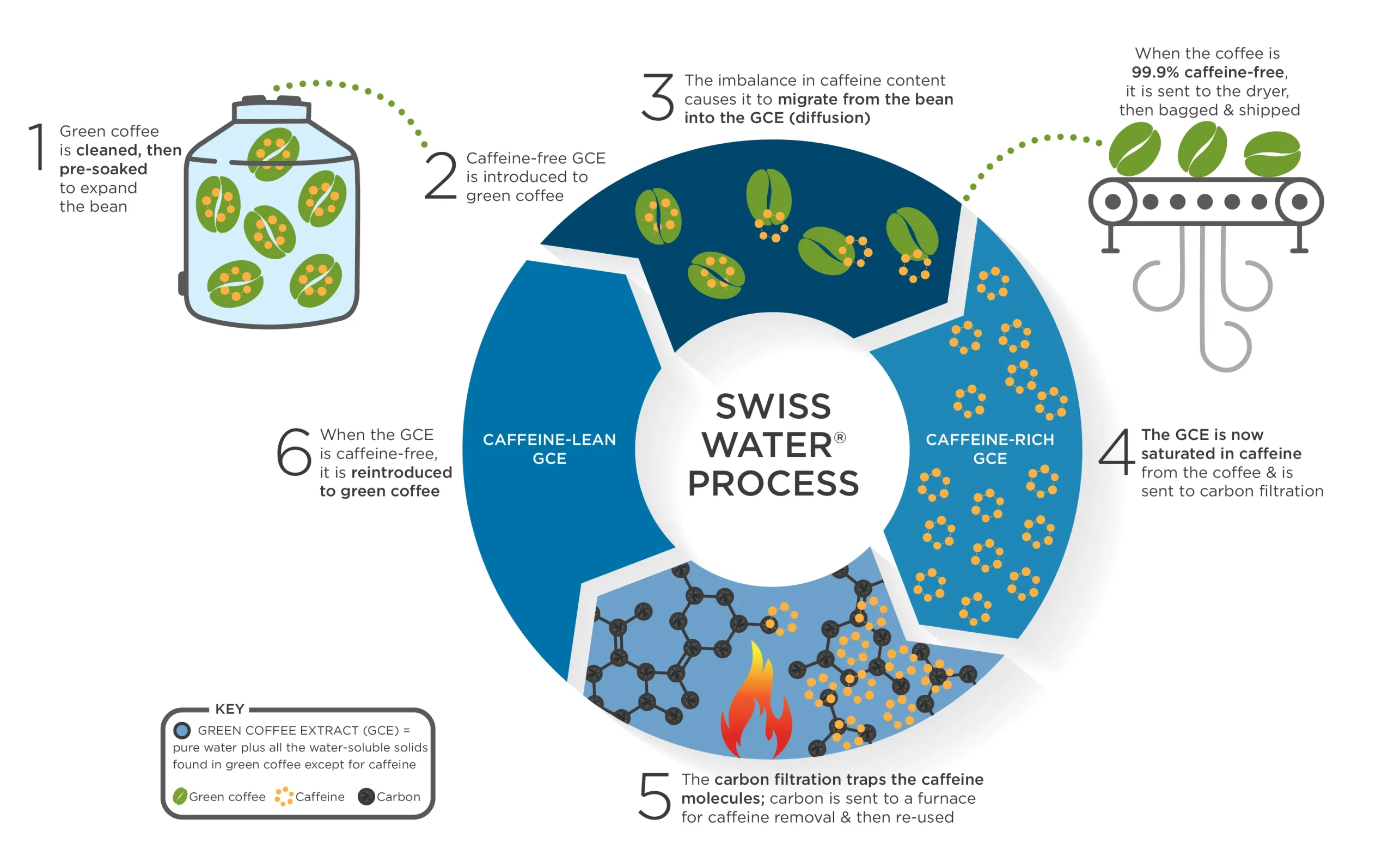
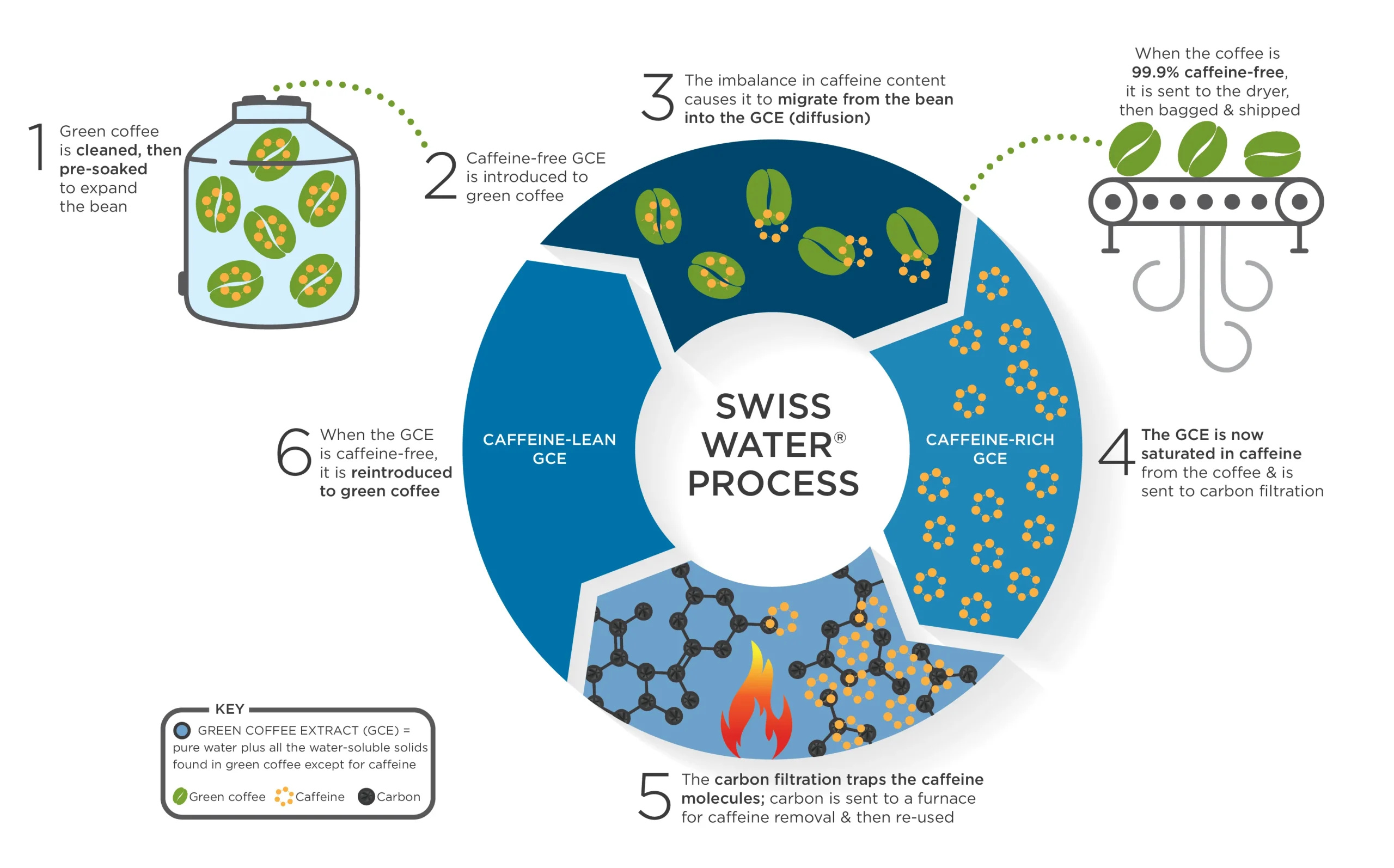
Developed in Switzerland in 1933 and formally introduced to the commercial market in 1988, the Swiss Water Process stands apart due to its fundamental commitment to being 100% water-based and entirely chemical-free. This innovative method relies on the principles of solubility and osmosis to gently remove caffeine while preserving the coffee’s inherent flavor characteristics. The process begins with carefully selected organic green coffee beans, which are first immersed in hot water. This initial soaking causes the beans to expand and allows both caffeine and the soluble flavor components to dissolve into the water, creating a highly concentrated "Green Coffee Extract" (GCE).

The crucial next step involves separating the caffeine from this GCE. The caffeine-rich GCE is passed through activated carbon filters, which are precisely designed to capture only the larger caffeine molecules. The smaller, more complex flavor molecules, along with other soluble solids, are allowed to pass through, resulting in caffeine-free GCE that is still rich in the coffee’s original taste profile. This purified, flavor-charged GCE is then reintroduced to a fresh batch of green coffee beans. Through osmosis, the caffeine from these new beans migrates into the caffeine-free GCE, seeking equilibrium. Since the GCE is already saturated with all other soluble solids, only the caffeine is extracted from the beans, leaving their flavor compounds intact.
This entire cyclical process typically spans 8 to 10 hours, meticulously monitored to ensure that the beans reach the stringent target of being 99.9% caffeine-free. The absence of any chemical solvents at any stage of the Swiss Water Process ensures that the final product is not only decaffeinated but also free from any potentially harmful chemical residues, making it the preferred choice for health-conscious consumers, especially expectant and nursing mothers.
Contrasting Decaffeination Methods: Understanding the Alternatives
While the Swiss Water Process offers a pure decaffeination solution, it is essential to understand the other methods prevalent in the coffee industry, as they often involve chemical solvents that have drawn scrutiny.
1. Direct-Solvent Process:
This is one of the most common and cost-effective methods. It directly applies chemical solvents to the coffee beans to extract caffeine.
- Methylene Chloride (Dichloromethane – DCM): Historically and currently used, methylene chloride is highly efficient at dissolving caffeine. Beans are steamed, soaked directly in DCM, which bonds with caffeine, and then steamed again to remove residual solvent. While regulatory bodies like the U.S. Food and Drug Administration (FDA) set maximum allowable levels for residual DCM (typically 10 parts per million), concerns persist regarding its classification as a potential carcinogen and the implications of even trace amounts, especially for vulnerable populations. Recent news reports and consumer advocacy have brought renewed attention to the use of this chemical in food processing.
- Ethyl Acetate (EA): Often marketed as the "natural" decaffeination method because ethyl acetate can be derived from fruits and vegetables (though synthetically produced for industrial use). The process is similar to DCM: beans are steamed, soaked in EA, and then rinsed and dried. While generally considered safer than DCM, it is still a chemical solvent, and some purists argue that it can impart a fruity or chemical taste if not handled properly.
2. Indirect-Solvent Process:
In this method, the chemical solvent does not directly touch the coffee beans. Instead, the beans are first soaked in hot water, and the resulting caffeine-rich water is then separated from the beans. The solvent (often DCM or EA) is applied to this water to extract the caffeine. After the caffeine is removed, the decaffeinated water, still containing the coffee’s flavor compounds, is reintroduced to the original beans. This method aims to minimize direct contact between beans and chemicals, but residual solvents can still be a concern in the water phase.

3. Carbon Dioxide (CO2) Process:
This is another chemical-free method, often considered a good alternative to the Swiss Water Process. In the CO2 method, liquid carbon dioxide, under high pressure and temperature (supercritical CO2), acts as a selective solvent for caffeine. Green coffee beans are placed in a high-pressure vessel, and supercritical CO2 is circulated through them. The CO2 penetrates the beans and dissolves the caffeine, leaving the larger flavor molecules behind. The caffeine-laden CO2 is then depressurized, causing the caffeine to separate, and the CO2 can be recycled. This method is also effective, preserves flavor well, and leaves no chemical residues, but it typically requires more specialized and expensive equipment than the Swiss Water Process.
Regulatory Landscape and Consumer Safeguards
Regulatory bodies worldwide, such as the FDA in the United States and the European Food Safety Authority (EFSA), establish strict guidelines and maximum residue limits for solvents used in decaffeination. These regulations are designed to ensure that any residual chemicals in decaffeinated coffee are well below levels considered harmful for human consumption. For instance, the FDA permits up to 10 parts per million (ppm) of methylene chloride in decaffeinated coffee. While these limits are based on extensive toxicological studies and are generally considered safe for the general population, the growing awareness of potential synergistic effects of chemicals and individual sensitivities, particularly during pregnancy and lactation, drives the demand for truly chemical-free options. The "organic" certification further adds a layer of assurance; for coffee to be certified organic, it must be decaffeinated using methods approved for organic processing, which typically includes the Swiss Water Process and the CO2 method, explicitly excluding direct chemical solvent methods.

Expert Perspectives on Maternal Caffeine Intake and Safety
Leading health organizations, including the American College of Obstetricians and Gynecologists (ACOG), the American Pregnancy Association (APA), and pediatric nutritionists, consistently advise expectant and nursing mothers to exercise caution regarding caffeine intake. While ACOG’s current guidelines suggest that moderate caffeine consumption (less than 200 mg/day) during pregnancy does not appear to be a major contributing factor in miscarriage or preterm birth, they also acknowledge that some studies have shown conflicting results and that individual responses can vary. For breastfeeding, the general consensus is that a small amount of caffeine passes into breast milk, and infants, especially newborns, have immature systems for metabolizing it, making them more susceptible to its effects.
Given these recommendations, the choice of decaffeinated coffee becomes paramount. Health experts often emphasize that "what you don’t consume is as important as what you do." When considering decaffeinated options, the absence of chemical solvents is a significant advantage. Dr. Emily Thorne, a nutritionist specializing in maternal health, stated in a recent symposium, "For pregnant and breastfeeding women, minimizing exposure to any non-essential chemicals is always the safest approach. The Swiss Water Process offers that peace of mind, providing a decaf option that aligns perfectly with a clean eating philosophy during these critical life stages."

Market Trends and the Demand for Clean Decaf
The shift towards healthier, more natural, and transparent food products is a dominant trend in the consumer market. This "clean label" movement has significantly impacted the coffee industry, particularly in the decaf segment. Consumers are increasingly scrutinizing ingredient lists and processing methods, demanding greater clarity and assurance about what they consume. This heightened awareness, coupled with the specific needs of pregnant and nursing mothers, has fueled a robust demand for Swiss Water Processed coffee.
Coffee roasters and brands that prioritize quality and health are increasingly adopting and prominently advertising the Swiss Water Process. While the method can be more expensive than chemical solvent processes due to its longer duration and specialized equipment, consumers are often willing to pay a premium for the added assurance of purity. This market dynamic demonstrates a clear understanding by both producers and consumers that the method of decaffeination is not a trivial detail but a fundamental aspect of product integrity and consumer well-being. The growth of organic and specialty coffee markets further intertwines with the preference for chemical-free decaffeination, as these segments often cater to health-conscious consumers seeking premium, ethically sourced, and cleanly processed products.

Making an Informed Choice for Health and Wellness
In conclusion, for mothers navigating the unique physiological demands of pregnancy and breastfeeding, the decision to enjoy coffee need not be a compromise on health. The availability of decaffeinated options, particularly those processed through the Swiss Water Method, offers a robust solution. This process, with its long-standing history and unwavering commitment to chemical-free extraction, provides a genuinely pure decaf experience.
As attention continues to focus on the potential dangers of certain chemicals used in large commercial operations for decaffeination, the importance of selecting a trusted, chemical-free method cannot be overstated. When choosing decaf coffee, actively seek out brands that explicitly state they use the Swiss Water Process and, ideally, organic beans. This conscious choice empowers mothers to continue enjoying the comforting ritual of coffee while ensuring they provide the safest and best environment for themselves and their babies, free from unwanted chemical exposures. It represents a mindful approach to wellness, where the warmth and taste of coffee can be savored without hesitation or concern.