


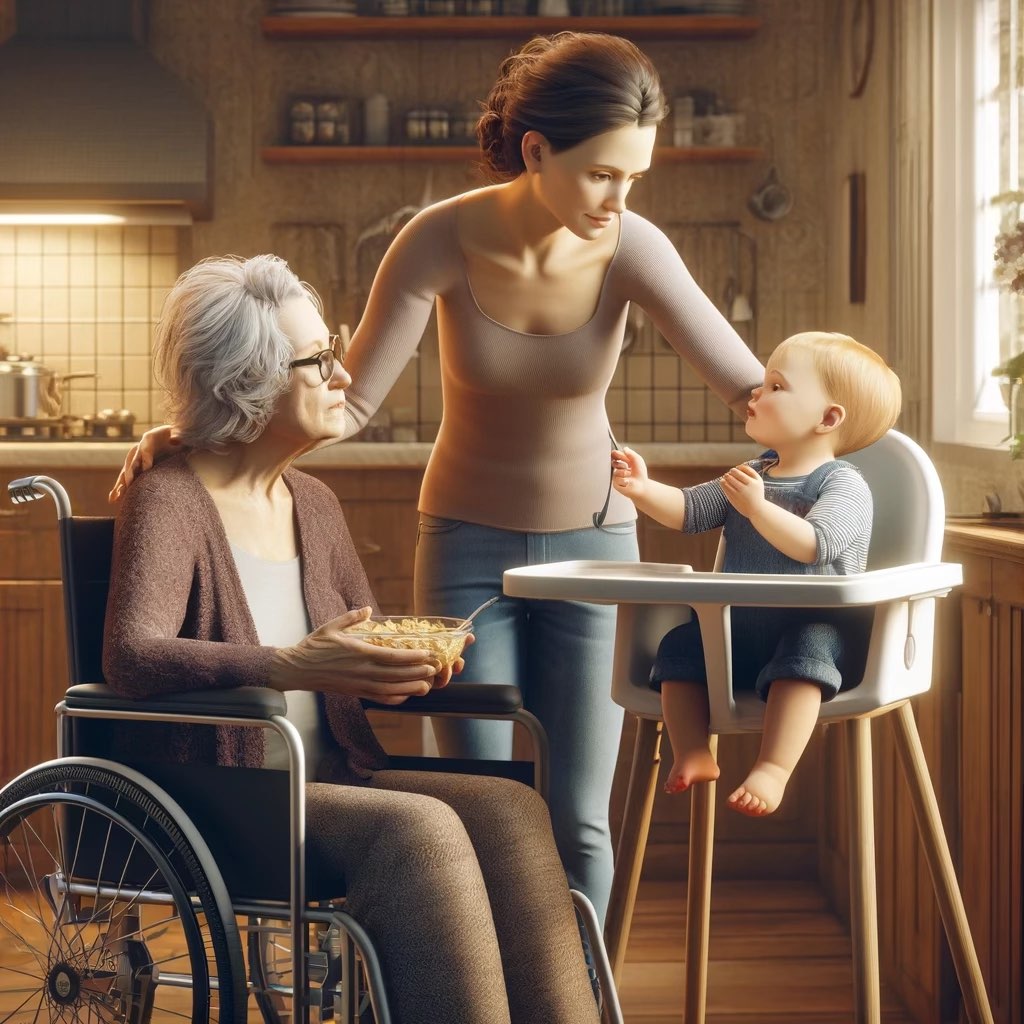
The "Sandwich Generation," a demographic caught between the simultaneous caregiving demands of their aging parents and their own dependent children, faces a growing and complex challenge that impacts millions globally. This intricate balancing act, often characterized by immense emotional, physical, and financial strain, is increasingly becoming a defining feature of modern adult life, as illustrated by the experience of writer and author Marissa Bader. Her journey, chronicled from the sudden realization of her mother’s cognitive and physical decline to the arduous process of securing appropriate elder care while raising three young children, epitomizes the profound struggles inherent in this multifaceted caregiving role.
Defining the Sandwich Generation: A Growing Demographic
The term "Sandwich Generation" was coined in the 1980s by social worker Dorothy Miller to describe adults, typically in their 40s and 50s, who are simultaneously supporting both their aging parents and their own children. This demographic has seen a significant increase in recent decades. According to a 2013 Pew Research Center study, nearly half (47%) of adults in their 40s and 50s have a parent aged 65 or older and are either raising a young child or financially supporting a grown child. Approximately 15% of middle-aged adults are providing financial support to both their parents and their children. More recent estimates suggest these figures have only grown, with the National Alliance for Caregiving reporting that over 40 million Americans are engaged in unpaid caregiving, a substantial portion of whom fall into the Sandwich Generation category. The average age of these caregivers often falls between 40 and 60, placing them at a critical juncture in their own careers and family lives.
A Personal Odyssey into the Caregiving Labyrinth
For individuals like Marissa Bader, the transition into the Sandwich Generation can be abrupt and emotionally jarring. Bader’s experience began in 2019 when her mother, previously independent, received a diagnosis of Myelodysplastic Syndrome (MDS), a type of blood cancer. While initially focused on her three young children (then aged seven and four-year-old twins), Bader soon discovered a critical gap in her mother’s healthcare management. A crucial attempt to locate her mother’s primary care physician for a referral revealed her inability to recall basic medical information, even naming a doctor she had not seen since Bader’s childhood. This pivotal moment marked Bader’s assumption of control over her mother’s medical affairs, akin to managing her children’s health, thus formally initiating her role within the Sandwich Generation.
The initial days of this new responsibility were a whirlwind of logistical challenges. Bader recounts spending an entire day meticulously mapping out her mother’s medical history, contacting various doctors and facilities to identify her primary care provider. This exhaustive process highlighted the fragmented nature of elder care and the significant effort required to piece together a coherent medical narrative for an individual experiencing cognitive decline. Recognizing the escalating need for comprehensive oversight, Bader and her four older siblings committed to accompanying their mother to all future appointments, not only for emotional support but also to ensure critical medical information was accurately understood and retained.
Navigating a Dual Diagnosis: Cancer and Cognitive Decline
The medical journey began with a stark prognosis from the oncologist: Myelodysplastic Syndrome, if left untreated, offered a life expectancy of approximately three years. While an aggressive chemotherapy regimen led to a miraculous, albeit temporary, remission, the relief was short-lived. During the frequent medical visits, a more insidious issue became alarmingly apparent: a significant decline in her mother’s cognitive function.
Beyond general forgetfulness, Bader observed increasingly outlandish stories, repetitive questioning, confusion regarding medication schedules, and a noticeable deterioration in her mother’s once meticulous home environment. The latter, a stark contrast to her mother’s lifelong fastidiousness, served as a powerful indicator of the severity of her cognitive changes. This realization prompted a delicate conversation, initiated by the mother herself acknowledging her memory lapses, which allowed Bader to suggest an appointment with a geriatrician specializing in Alzheimer’s and Dementia without causing offense.
The subsequent cognitive tests, including verbal, written, and drawing assessments, along with blood work and an MRI, confirmed Bader’s unspoken fears: her mother was in the early stages of Dementia. This diagnosis, while anticipated, delivered a profound emotional blow, underscoring the irreversible nature of the condition and the challenging road ahead.
The Escalating Demands of Dementia Care
The diagnosis of dementia necessitated immediate and comprehensive planning for an unpredictable future. Legal documents such as Power of Attorney (POA) and advanced directives were swiftly prepared. While her mother initially maintained a degree of independence, the progression of her dementia inevitably led to more critical decisions. Driving became unsafe due to frequent disorientation, and living alone posed increasing hazards, particularly given her history as a heavy smoker.
The relentless worry and logistical demands began to take a severe toll on Bader. She described her mental state as "constantly churning with fears, thoughts, and tasks about my mom and my kids," leading to feelings of being overwhelmed and perpetually "dropping the ball" across her responsibilities as a parent, caregiver, and professional. This phenomenon, known as caregiver burnout, is a common and serious consequence for individuals in the Sandwich Generation. Studies by the American Psychological Association highlight that caregivers often report higher levels of stress, depression, and anxiety compared to non-caregivers.
A Critical Turning Point: The Hip Fracture
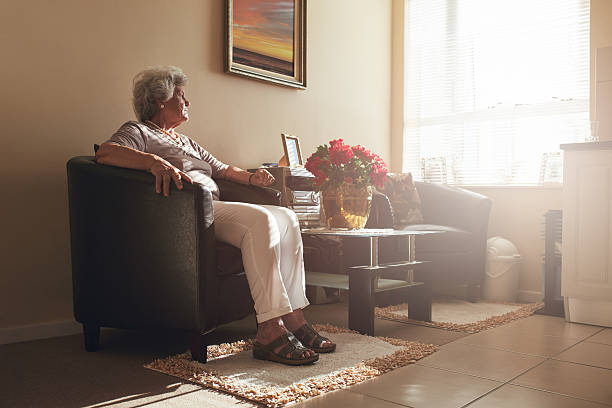
A significant turning point occurred when Bader’s mother, then wintering in Arizona, suffered a hip fracture after a fall outside her home. This common, yet often devastating, injury for the elderly precipitated a rapid and dramatic decline in her mother’s condition. The combination of immobility, the trauma of surgery, new medications, and the profound disruption to her routine and environment, exacerbated her dementia tenfold. She appeared to age a decade in a single week.
The subsequent move from hospital to a rehabilitation facility, another unfamiliar setting, further intensified her cognitive decline. It became clear that 24/7 in-home care was impractical and exorbitantly expensive, necessitating the difficult decision to transition her into a memory care facility. This choice, while medically necessary, was fraught with immense guilt for Bader and her siblings, as they knew their mother would have vehemently opposed such a move.
The logistics of this transition were immense, involving remote management of her care, coordinating with medical staff, touring facilities, packing belongings, and completing extensive paperwork. Simultaneously, Bader endured angry and confused calls from her mother, who perceived her new environment as a confinement by strangers. The emotional burden culminated in a moment of hysterical crying during a Zoom call with her siblings, highlighting the intense pressure she felt as the sole biological child navigating this crisis while simultaneously parenting young children.
The Unveiling of a New Reality: Role Reversal
The physical reunion at the airport, after her brother and his wife painstakingly transported their mother from Arizona, brought the stark reality into sharp focus. The once vibrant mother was now frail, disheveled, and profoundly confused, a shadow of her former self. This moment solidified the irreversible role reversal: Bader was now the primary caregiver, her mother in desperate need of tenderness and protection. The weight of this "multilayered sandwich" – caring for four needy individuals (her three children and her mother) while also attempting to maintain her marriage and personal well-being – became acutely apparent.
Despite the heartbreak, a moment of solace arrived during the drive to the memory care facility. Playing a curated Spotify playlist of her mother’s favorite songs, spanning decades, elicited a gentle smile and rhythmic hand-clapping. This small flicker of connection, rooted in shared memories and a lifelong love for music, offered a poignant reminder that while her mother had changed irrevocably, the essence of their bond endured. Music therapy, as research in gerontology and dementia care suggests, can indeed provide comfort, reduce agitation, and sometimes evoke memories in patients with cognitive impairments.
Finding the Right Fit and Moving Forward
Eight months after the initial placement, it became evident that the first memory care facility was not providing the optimal environment for Bader’s mother. The lack of personalized care and community interaction prompted another search, culminating in a move to a smaller, more intimate home with fewer residents. This transition proved smoother, and the positive impact on her mother’s well-being was significant. Despite the continued progression of her dementia, she began to thrive, engaging more socially, enjoying the staff, and generally appearing happier. This outcome, though still within the challenging context of dementia, represented a "best-case scenario" for the family.
Bader’s journey continues as a work in progress, focusing on learning to manage the demands of caregiving without succumbing to constant burnout. Her story serves as a powerful testament to the resilience required by the Sandwich Generation and underscores the critical need for self-compassion and support.
Broader Implications and Societal Needs
The challenges faced by Marissa Bader are not isolated incidents but reflect a broader societal trend with significant implications. The rise of the Sandwich Generation is driven by several factors:
- Increased Longevity: Advances in medicine mean parents are living longer, often into their 80s and 90s, increasing the likelihood of chronic illnesses like dementia.
- Delayed Parenthood: Many individuals are having children later in life, resulting in a shorter gap between raising their own children and caring for aging parents.
- Economic Pressures: The rising cost of living and stagnant wages often necessitate adult children providing financial support to both generations.
- Shrinking Support Systems: Traditional extended family support networks are often geographically dispersed, placing more burden on immediate family members.
The impact of this phenomenon extends beyond individual families. Caregivers in the Sandwich Generation often face:
- Financial Strain: Direct costs of care, lost wages, and reduced savings for retirement. AARP data indicates that family caregivers spend an average of $7,242 out-of-pocket annually on caregiving expenses.
- Career Sacrifices: Many reduce work hours, pass up promotions, or even leave the workforce, affecting their long-term financial security and career progression.
- Mental and Physical Health Deterioration: High stress levels can lead to increased risk of depression, anxiety, chronic illness, and a compromised immune system.
- Relationship Strain: The immense demands can strain marital relationships and create tensions among siblings regarding care responsibilities.
Experts advocate for a multi-pronged approach to support the Sandwich Generation. Geriatricians and social workers emphasize the importance of early planning, open family communication, and seeking professional guidance for legal and financial matters. Policy changes, such as expanded tax credits for caregivers, improved access to affordable respite care, and more comprehensive long-term care insurance options, are crucial. Additionally, employers can play a role by offering flexible work arrangements, caregiving leave, and employee assistance programs.
The experience of the Sandwich Generation is a poignant reminder of the evolving nature of family structures and societal responsibilities. While demanding, it also fosters profound moments of connection, gratitude, and a deeper understanding of the cycle of life. As more individuals find themselves in this unique position, providing grace, love, and compassion – both to their loved ones and to themselves – remains paramount in navigating this complex, yet ultimately deeply human, journey.