

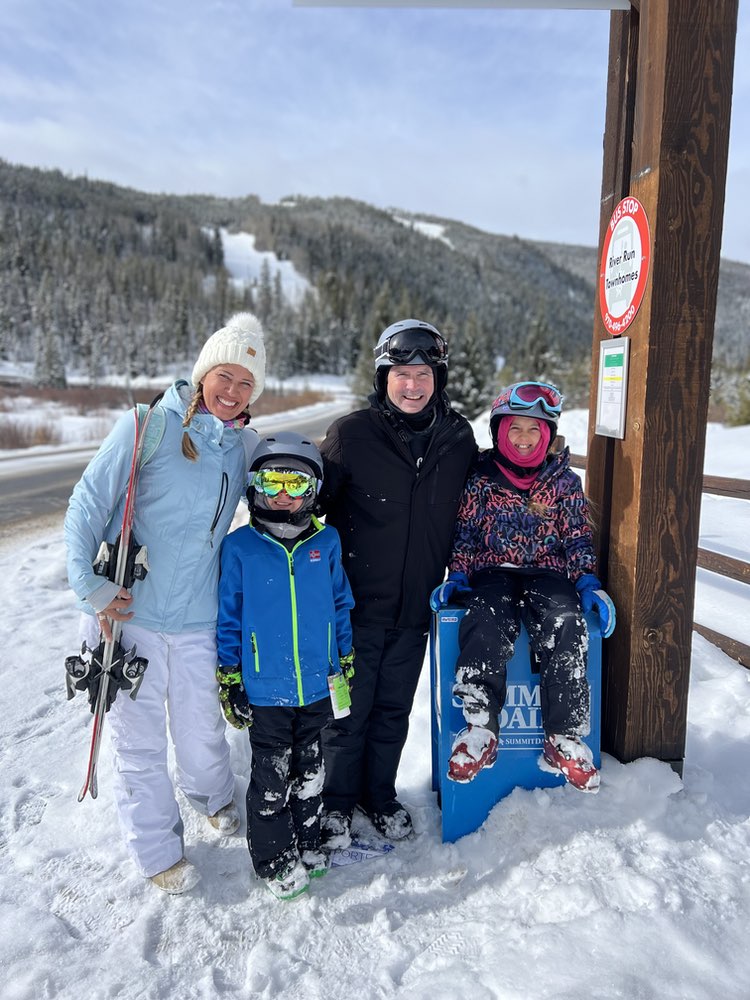
The dynamics of family travel are undergoing a significant transformation, particularly as children transition into adolescence, presenting parents with the challenge of balancing long-held traditions with emerging individual commitments. A recent anecdotal account highlights a common parental dilemma: a planned family ski trip to Colorado faced an unexpected hurdle when a 16-year-old son declared his inability to attend due to a pre-existing tournament commitment. This scenario, while seemingly isolated, reflects a broader societal shift in how modern families manage shared experiences amidst increasingly demanding schedules for teenagers.
The Shrinking Window of Unfettered Family Vacations
The notion of an endless series of family vacations, often encapsulated by the poignant phrase "you only get 18 summers," is increasingly being revised by contemporary parenting experiences. For many families, the window for truly unfettered, whole-family travel begins to narrow significantly much earlier, often around the age of 12 or 13. At this pivotal stage, children typically begin to cultivate robust social circles, engage in demanding extracurricular activities, and develop stronger personal preferences for how they spend their leisure time. This developmental phase marks a transition from children being largely compliant participants in family plans to becoming individuals with autonomous choices and commitments that can directly conflict with parental travel aspirations.
According to data from the Family Travel Association, while family travel remains a priority for many households, the composition and timing of these trips evolve dramatically as children age. Younger children, generally under 10, offer greater flexibility in scheduling and destination choices. However, once adolescents are involved, trip planning becomes a complex negotiation. A 2023 survey by AAA found that nearly 60% of parents with teenage children report challenges in coordinating schedules for family vacations, citing sports, academic commitments, and part-time jobs as primary obstacles. This growing complexity underscores the reality that the "18 summers" often shrink to a more concentrated period of 10-12 years for truly inclusive family adventures.

The Rise of Teenage Autonomy and External Commitments
The increasing pressure on adolescents to excel in academics, sports, arts, and community service contributes significantly to their packed schedules. High school years are often characterized by a strategic accumulation of experiences designed to enhance college applications or career prospects. For a 16-year-old, a sports tournament or an academic competition can represent a significant personal commitment, an opportunity for skill development, team bonding, or even scholarship potential. Missing such an event, even for a cherished family trip, can be perceived by the teenager as a breach of responsibility or a missed opportunity for personal growth.
Psychologically, this shift aligns with the adolescent quest for identity and independence. Teenagers naturally seek to define themselves outside the immediate family unit, gravitating towards peer groups and activities that foster individual competence and belonging. While family connection remains crucial, the nature of that connection changes. Parents often find themselves navigating a delicate balance: on one hand, wanting to maintain family unity and create lasting memories; on the other, needing to support their teenager’s burgeoning autonomy and respect their commitments. The internal conflict for parents, as observed in the anecdotal report, arises from the clash between a long-planned family experience and a teenager’s legitimate, self-determined obligation.
The Daily Grind: A Barrier to Proactive Planning
The relentless pace of modern family life further exacerbates the challenge of prioritizing and executing family travel. Parents, particularly mothers, often find themselves immersed in a continuous cycle of logistical demands: school drop-offs and pickups, managing extracurricular schedules, homework assistance, meal preparation, household chores, and professional responsibilities. This "rinse, wash, repeat" cycle leaves little mental bandwidth for proactive, long-term planning, especially for significant, complex trips.

The cognitive load associated with managing multiple children’s schedules, varying needs, and unexpected daily crises (e.g., forgotten uniforms, pet-related incidents, sudden school requirements) can overwhelm even the most organized parents. This perpetual state of operational management often pushes aspirational activities, such as elaborate family vacations, down the priority list, or causes them to be perpetually delayed. Financial considerations also play a substantial role, as family trips, especially to destinations like Colorado for skiing, represent a significant investment. A 2022 survey by the U.S. Travel Association revealed that while 85% of parents believe family vacations are important for bonding, nearly 40% cite cost as the primary barrier to frequent travel. The confluence of financial constraints, logistical complexities, and sheer exhaustion can lead to missed opportunities, which only become apparent in retrospect as children grow older.
The Unexpected Power of Experiential Travel
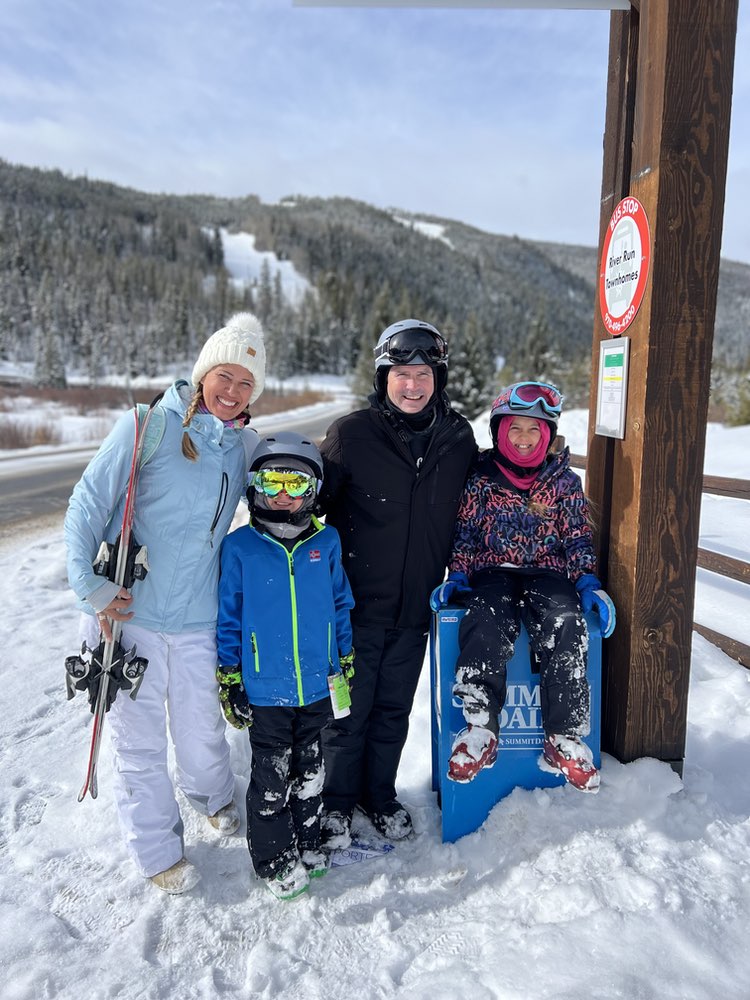
Despite the challenges, the anecdotal account powerfully illustrates the profound and often unforeseen impact of family travel, particularly on younger children. While the 16-year-old’s absence was keenly felt, the trip to Colorado proved transformative for a younger sibling, a 9-year-old daughter. Described as "meek and anxious" with a "lack of self-confidence," the daughter experienced a remarkable personal breakthrough. Within a week of beginner’s ski school, she was confidently navigating the mountain, expressing a newfound ambition to become a ski instructor and relocate to Colorado. This rapid shift in self-perception and aspiration highlights the unique developmental benefits of new, challenging environments.
Child development experts frequently emphasize the role of novel experiences in fostering resilience, self-efficacy, and a broader worldview in children. When removed from familiar routines and comfort zones, children are prompted to adapt, learn new skills, and overcome perceived limitations. The success achieved in a new activity, such as skiing, can significantly boost self-esteem and encourage a growth mindset. Dr. Emily Johnson, a child psychologist specializing in experiential learning, states, "Travel provides an unparalleled classroom. It forces children to engage with new challenges, interact with different cultures or environments, and discover capabilities they never knew they possessed. These experiences contribute to a robust sense of self and can ignite lifelong passions."
Implications for Family Bonding and Future Development

The experience underscores several critical implications for modern families:
-
Prioritizing Experiences over Possessions: The article reiterates a growing sentiment among parents that the lasting value of experiences far outweighs material possessions. Memories forged during travel are not subject to obsolescence, breakage, or loss. They are internal assets, stored in the "hearts and minds" of individuals, shaping their perspectives and influencing their future choices. This resonates with research indicating that experiential purchases tend to lead to greater long-term happiness and satisfaction than material purchases.
-
Intentional Planning in a Finite Window: Recognizing the finite nature of inclusive family travel, parents are increasingly encouraged to be more intentional and proactive in planning trips. This might involve setting aside dedicated funds, scheduling well in advance, and, where possible, involving older children in the planning process to foster buy-in and ownership of the trip. Some families opt for shorter, more frequent "micro-adventures" to fit into busy schedules, while others prioritize one significant "bucket list" trip during the prime years of family togetherness.
-
Fostering Individual Growth: While the absence of a family member is regrettable, the transformative experience of the daughter highlights that even incomplete family units can derive profound benefits from travel. This suggests a nuanced approach where the goal isn’t just universal participation, but also facilitating individual growth within the family context. When one child thrives, it often creates a positive ripple effect throughout the family.
-
Adapting to Evolving Family Structures: The narrative implicitly suggests that family travel may need to adapt to evolving family structures and dynamics. This could mean planning trips that cater to a wider range of ages and interests, or accepting that some trips might involve a subset of the family. The travel industry is responding to this trend with more flexible booking options, multi-generational packages, and activities designed to appeal to diverse age groups.
Conclusion: The Enduring Value of the Journey
The realization that "the days go slow but the years go fast" is a profound one for many parents. The anecdotal account serves as a powerful reminder for families to seize opportunities for shared experiences, particularly through travel, before the window of opportunity irrevocably closes due to the inevitable march of childhood into adolescence and adulthood. While the logistical and financial hurdles are real, the intangible rewards—the strengthened bonds, the personal growth, the lasting memories, and the potential for life-altering revelations—are immeasurable.
Ultimately, the essence of family travel lies not merely in the destination but in the journey itself, the shared moments of discovery, challenge, and joy that quietly shape individuals and strengthen the familial core. In a world increasingly saturated with digital distractions and demanding schedules, the deliberate act of disconnecting from routine and reconnecting with loved ones through travel remains one of the most potent investments a family can make in its collective well-being and the individual development of its members. The question for many families, therefore, is not if they should take the trip, but when and how to prioritize these invaluable experiences.