

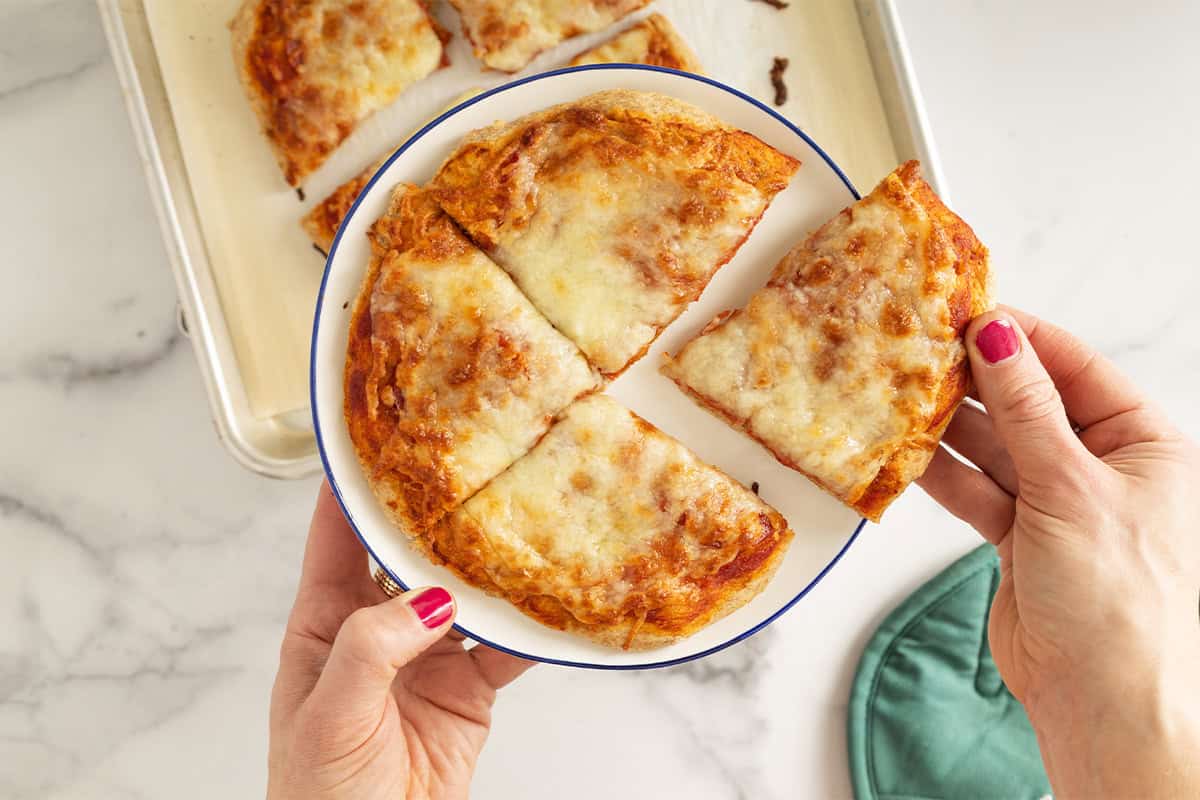
The modern domestic landscape is increasingly defined by a shift toward culinary democratization, where complex artisanal processes are distilled into accessible, time-efficient systems for the average household. Central to this movement is the emergence of no-knead dough technology, a method that leverages long fermentation and high hydration to bypass the labor-intensive mechanical kneading traditionally required for gluten development. Recent data suggests that the "No-Knead Pizza Dough" model has become a cornerstone of the contemporary family meal strategy, offering a logistical solution to the competing demands of nutritional standards and time scarcity. By utilizing a minimalist ingredient profile—comprising standard all-purpose or bread flour, yeast, water, salt, and olive oil—this methodology allows for the production of high-quality crusts within a standard residential kitchen environment.
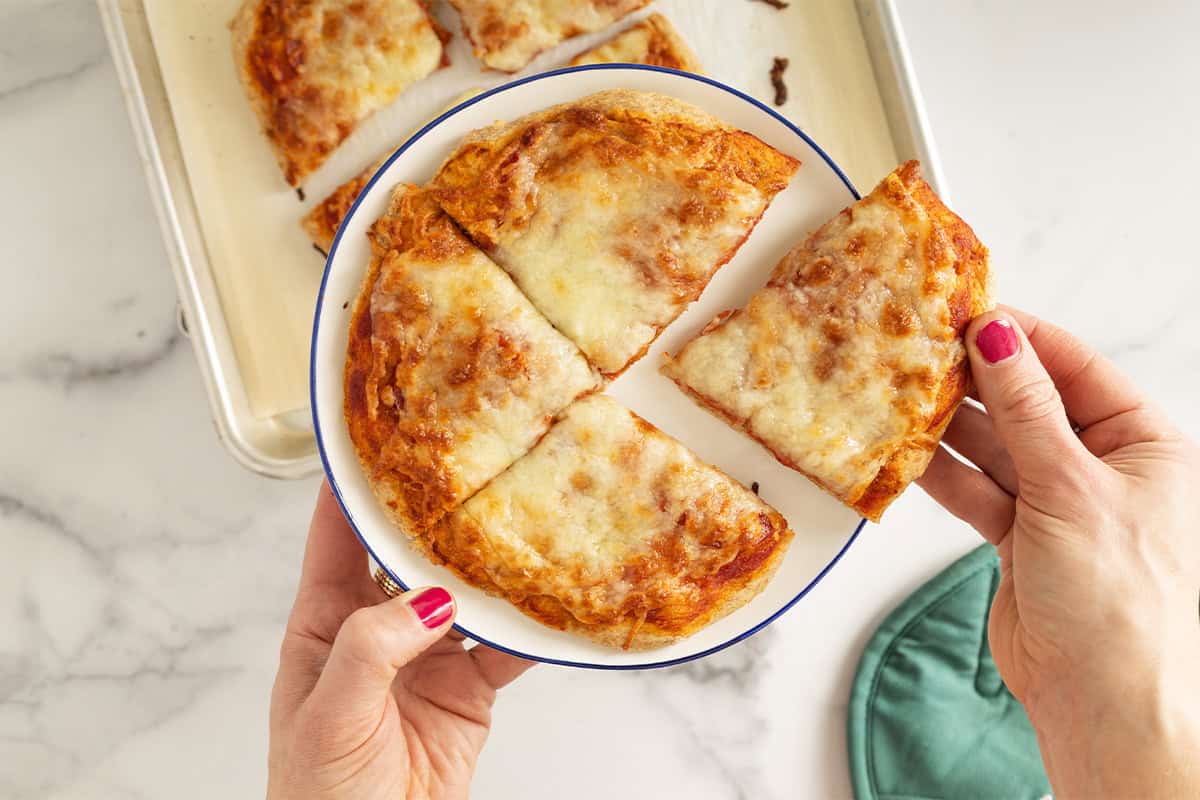
The shift toward home-based pizza production is underpinned by both economic and health-related drivers. While the commercial pizza industry continues to expand, a growing segment of consumers is opting for "semi-homemade" solutions that provide greater control over ingredient quality and caloric density. The no-knead approach specifically addresses the primary barrier to entry for home baking: the perceived difficulty and time commitment associated with dough handling. By replacing physical labor with time-based biochemical reactions, this method enables even novice practitioners to achieve professional-grade results, characterized by a tender interior and a crisp, aerated perimeter.
Technical Framework and Biochemical Processes
The efficacy of no-knead pizza dough is rooted in the science of autolysis and slow fermentation. In traditional bread making, mechanical kneading aligns glutenin and gliadin proteins to create a strong, elastic network. In contrast, the no-knead method relies on the presence of water to facilitate these connections over an extended period. When flour and water are combined and allowed to rest, enzymes within the flour begin to break down starches into simple sugars, while the gluten proteins naturally hydrate and link together.
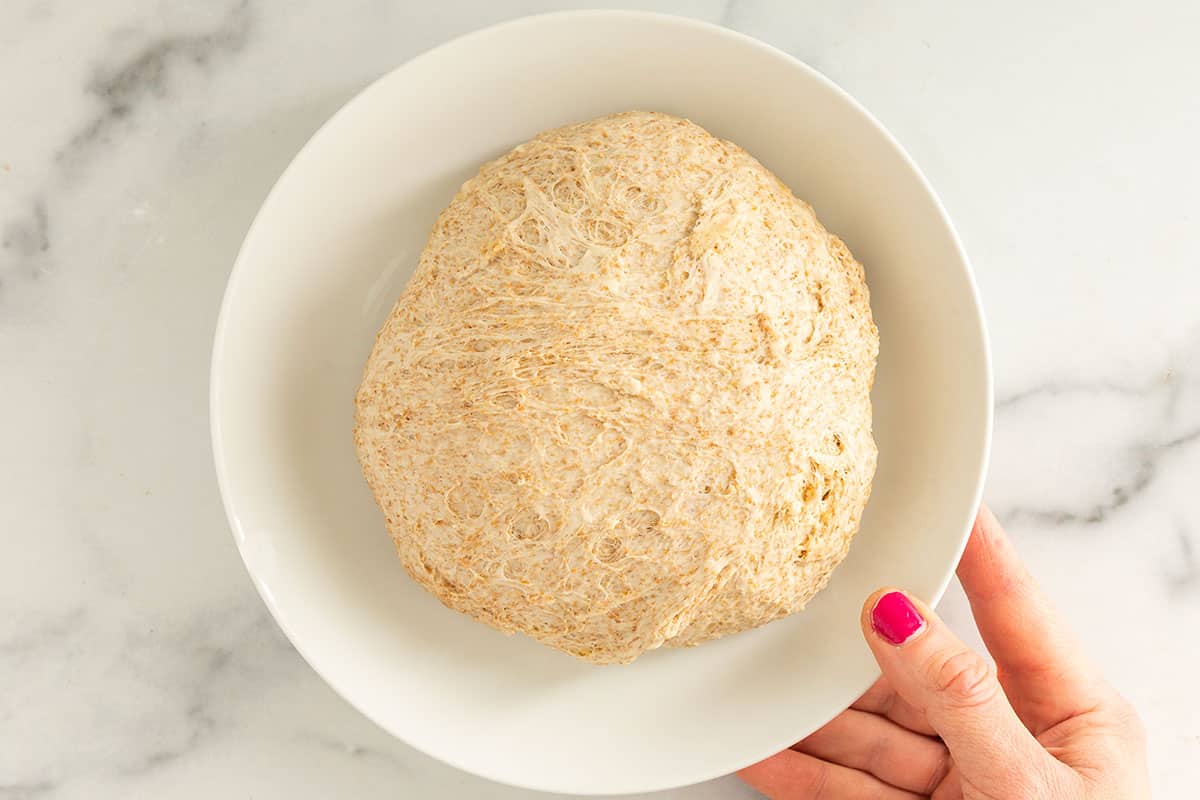
This process is further enhanced by the activity of Saccharomyces cerevisiae, or common baker’s yeast. In the no-knead model, a relatively small amount of yeast is typically used, allowing for a slower rise. This extended fermentation not only improves the structural integrity of the dough but also contributes to a more complex flavor profile, as organic acids and esters are produced as byproducts of the yeast’s metabolism. For the modern family, this means the dough can be prepared in the morning or even days in advance, utilizing refrigeration to slow the fermentation further and provide a flexible window for meal execution.
Chronology of the No-Knead Culinary Movement
The historical trajectory of no-knead baking reveals a transition from ancient necessity to modern innovation. While the basic principles of letting dough rise without heavy intervention have existed for millennia, the formalized "No-Knead" movement gained significant traction in the early 21st century.

- Pre-Industrial Era: Historically, many regional flatbreads and rustic loaves relied on high-hydration batters or long-rise cycles that minimized active handling, though these were often inconsistent due to varying yeast potencies.
- The 2006 Paradigm Shift: The method was popularized globally in 2006 when Mark Bittman of The New York Times profiled baker Jim Lahey’s no-knead bread technique. This event marked the beginning of a widespread re-evaluation of home baking techniques.
- The 2010s Diversification: Following the success of no-knead bread, culinary developers began adapting the logic to more specific applications, including pizza dough, focaccia, and brioche. This era saw the introduction of "refrigerator doughs" that could be stored for up to a week.
- 2020-Present: The Domestic Resurgence: The global pandemic served as a massive catalyst for home baking. The no-knead pizza dough emerged as a preferred family meal solution due to its "set-and-forget" nature and its ability to engage children in the kitchen without the mess of traditional kneading.
Quantitative Data and Nutritional Profile
A comparative analysis of the No-Knead Pizza Dough against leading commercial takeout options reveals significant differences in nutritional density and caloric control. According to the standardized recipe data, a single serving of this homemade dough (approximately one-sixth of a standard batch) provides the following nutritional breakdown:
- Energy: 384 kcal
- Carbohydrates: 49g
- Protein: 16g
- Total Fat: 14g (Saturated Fat: 6g)
- Fiber: 4g
- Sodium: 527mg
- Calcium: 205mg
When compared to a standard slice of commercial "fast-food" pizza, which often contains upwards of 800-1,000mg of sodium and various preservatives, the homemade no-knead variant offers a 35-45% reduction in sodium intake. Furthermore, the inclusion of 4g of dietary fiber per serving—often higher if whole-wheat flour blends are utilized—contributes to better glycemic control and satiety. The protein content, at 16g per serving, is notably high for a grain-based meal, largely attributed to the use of high-protein flours and the addition of cheese during the final baking stage.

Operational Procedures: Step-by-Step Methodology
The transition from raw ingredients to a finished culinary product follows a strict six-step operational sequence designed to maximize efficiency and ensure structural consistency.
Step 1: Yeast Activation and Hydration
The process begins with "blooming" the yeast in warm water (typically between 105°F and 115°F). While modern instant yeasts do not strictly require this step, culinary experts recommend it as a quality control measure to ensure the leavening agent is active. A small amount of sugar may be added to accelerate the initial metabolic activity.

Step 2: Integration of Dry and Wet Components
Flour and salt are combined with the yeast mixture and olive oil. In the no-knead method, the objective is not to create a smooth dough immediately, but rather to ensure that all flour is fully hydrated. The resulting mixture will appear "shaggy" or irregular.
Step 3: The Fermentation Phase
The dough is covered to prevent desiccation and left to rest at room temperature for a minimum of one hour. For superior flavor and texture, many practitioners recommend a 12-to-24-hour cold ferment in the refrigerator. During this time, the gluten network organizes itself, and the dough becomes increasingly elastic.

Step 4: Segmentation and Shaping
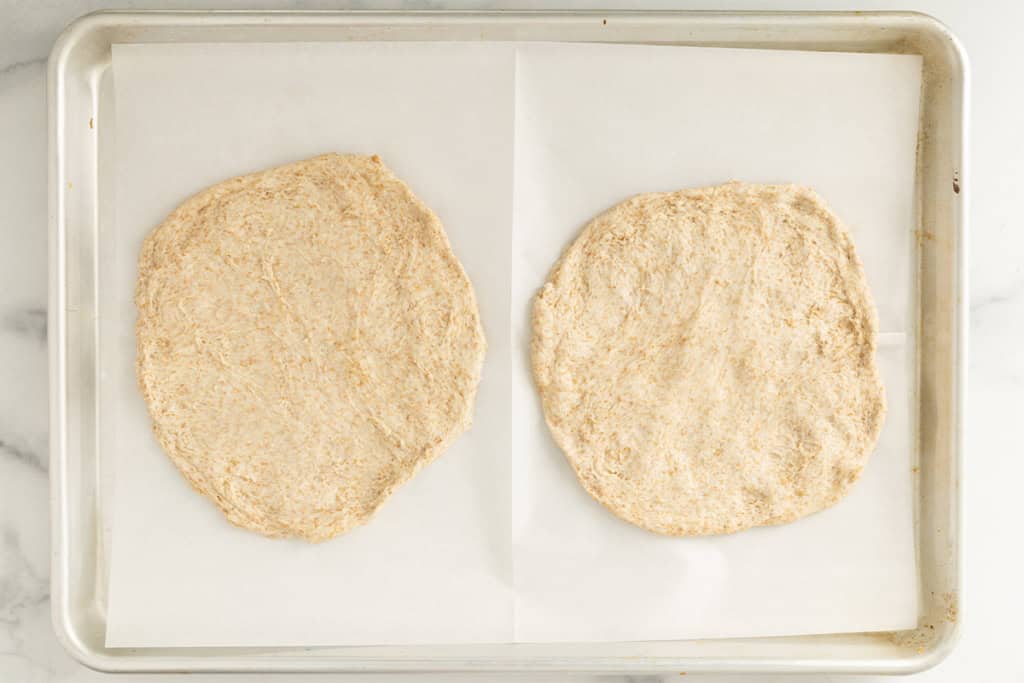
Once the dough has doubled in volume, it is divided into portions. For a standard family meal, the dough is often cut into four sections to create personal pizzas, allowing for individual customization of toppings—a strategy frequently used to mitigate "picky eating" behaviors in younger children.
Step 5: Manual Stretching
Unlike traditional doughs that may require a rolling pin, no-knead dough is typically stretched by hand. This preserves the delicate air bubbles (alveoli) created during fermentation, leading to a lighter, more artisanal crust structure.

Step 6: The Two-Stage Baking Protocol
A critical technical recommendation for home ovens involves pre-baking the crust with only the sauce for several minutes before adding cheese and secondary toppings. This ensures that the center of the dough is fully cooked and the base is crisp, preventing the "soggy middle" syndrome common in domestic pizza preparation.
Logistics of Storage and Preparation
One of the primary advantages of the no-knead system is its compatibility with modern meal-prepping workflows. The dough exhibits high stability under various storage conditions:
- Short-term Refrigeration: The dough can be maintained in an airtight container for up to five days. During this period, the flavor profile continues to mature.
- Long-term Freezing: The dough is highly conducive to freezing. Once it has completed its initial rise, it can be portioned and frozen for up to three months. This allows households to produce large batches of dough in a single session, significantly reducing the "lead time" for future meals.
- Temperature Recovery: For optimal results, refrigerated or frozen dough must be allowed to return to room temperature (approximately 2-4 hours) before stretching. This relaxes the gluten and prevents the dough from snapping back during the shaping process.
Expert Analysis: Broader Impact on Family Health and Economics
Sociologists and nutritionists have noted that the simplification of bread-making processes like the no-knead method has broader implications for public health. Dr. Elena Rossi, a specialist in pediatric nutrition, suggests that involving children in the preparation of "staple" foods like pizza can reduce food neophobia. "When a child observes the transformation of flour and water into a meal, they develop a sense of agency and curiosity about their food," Rossi states. "The no-knead method is particularly effective here because it is tactile but low-stakes."
From an economic perspective, the cost-benefit analysis of home-baked pizza is compelling. The raw ingredients for a batch of four personal pizzas typically cost less than $5.00 USD, whereas an equivalent order from a commercial delivery service can exceed $30.00 to $40.00 USD when including delivery fees and tips. This represents an 80-85% cost saving per meal.

Conclusion and Future Outlook
The rise of No-Knead Pizza Dough represents a successful synthesis of traditional fermentation science and modern lifestyle requirements. By removing the physical and technical barriers to home baking, this method provides a scalable, nutritious, and economically viable alternative to processed convenience foods. As domestic technology continues to evolve—with the increasing prevalence of high-heat pizza stones and specialized home pizza ovens—the no-knead methodology is expected to remain a fundamental tool for families seeking to balance the complexities of modern life with the desire for wholesome, artisanal-quality nutrition. The continued popularity of this method underscores a larger cultural return to "slow food" principles, adapted for the speed of the 21st century.