

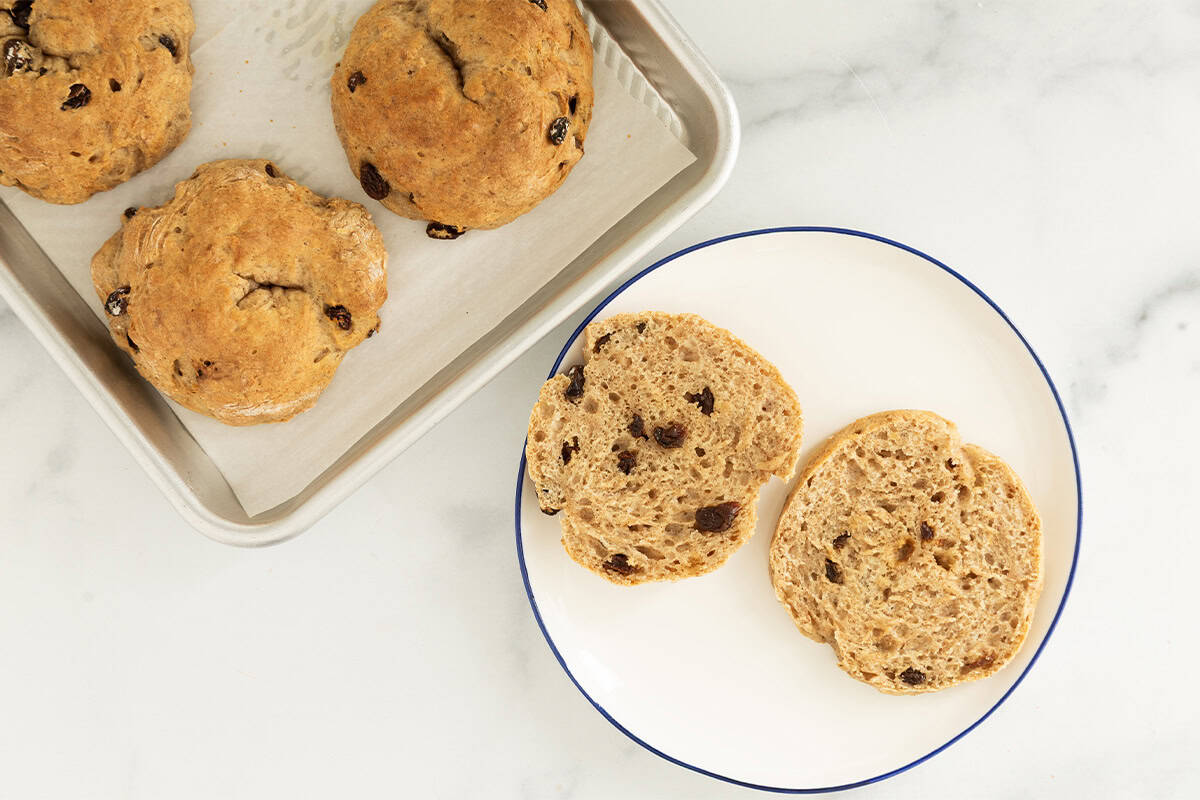
The landscape of domestic culinary practices has undergone a significant transformation over the last decade, transitioning from labor-intensive traditional methods to streamlined, nutritionally dense alternatives designed for the modern household. Central to this shift is the emergence of simplified baking techniques that prioritize protein content and ease of preparation without sacrificing the sensory qualities essential for child nutrition. A prominent example of this trend is the four-ingredient Cinnamon Raisin Bagel, a recipe that has gained traction for its efficiency, cost-effectiveness, and suitability for pediatric dietary requirements. By utilizing a base of Greek yogurt and self-rising flour, this method bypasses the conventional requirements of yeast fermentation, dough boiling, and specialized machinery, representing a major milestone in accessible home baking.
The Technical Foundation of Simplified Bagel Production
Traditional bagel manufacturing is a multi-stage process involving precise hydration levels, long fermentation periods to develop gluten and flavor, and a crucial boiling step in alkaline water to achieve the characteristic "chewy" crust. For many domestic bakers, particularly those managing the time constraints of childcare, these requirements often serve as a barrier to entry. The four-ingredient cinnamon raisin model addresses these challenges by employing a "no-yeast" chemical leavening system.
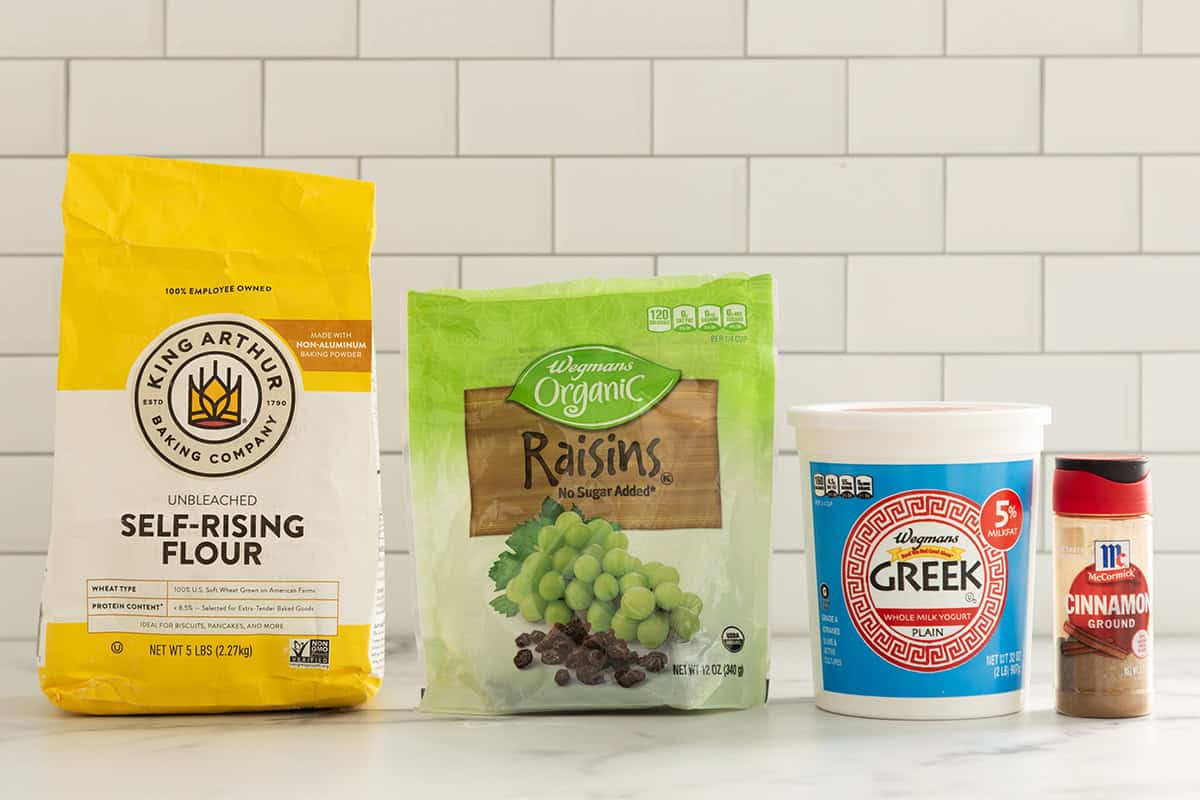
The primary structural components of these bagels are Greek yogurt and self-rising flour. Greek yogurt serves a dual purpose: it provides the necessary moisture for the dough while significantly boosting the protein and calcium profile of the final product. The acidity in the yogurt reacts with the leavening agents present in the self-rising flour (typically baking powder and salt), creating an immediate rise upon exposure to heat. This bypasses the need for a traditional proofing stage. The addition of ground cinnamon and raisins provides a natural sweetness and aromatic complexity, eliminating the need for high levels of refined sugars often found in commercial, store-bought varieties.
A Chronological Overview of the Preparation Cycle
The efficiency of this baking method is best illustrated through its 30-minute production timeline. Unlike traditional breads that may require four to twelve hours of preparation and rising time, the cinnamon raisin bagel follows a rapid sequence of events that allows for "on-demand" breakfast preparation.
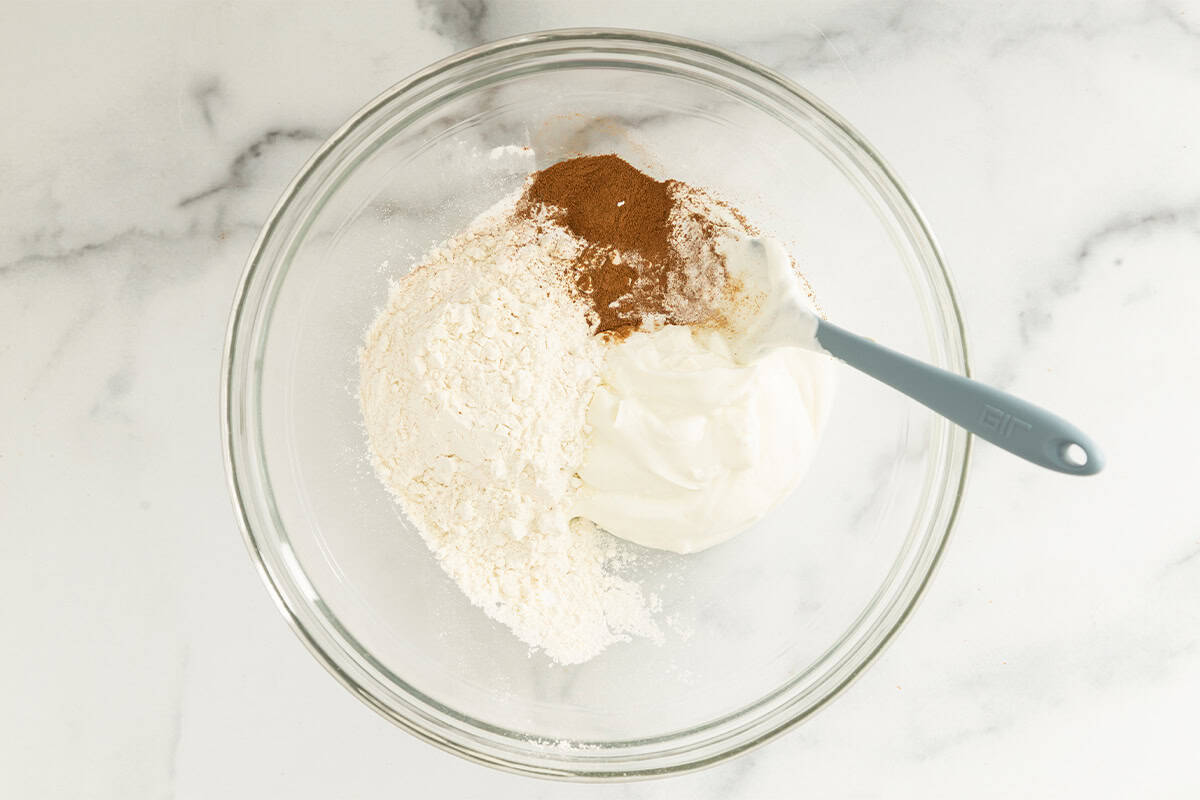
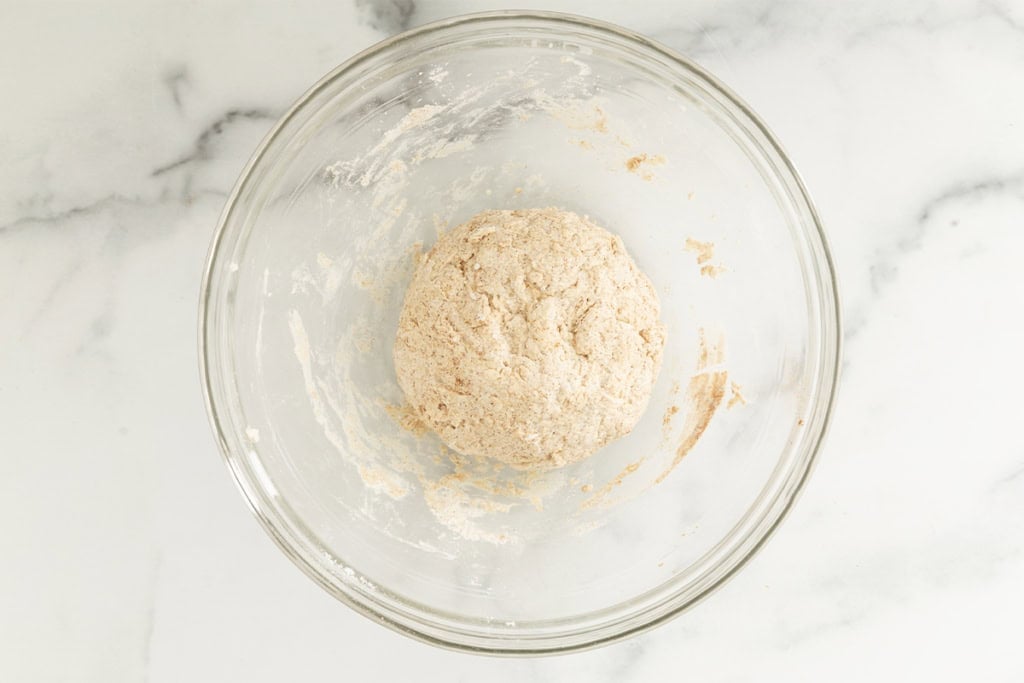
- Initial Integration (Minutes 0–5): The process begins with the combination of the dry ingredients (self-rising flour and cinnamon) and the wet base (Greek yogurt). At this stage, a standard mixing bowl and a fork are sufficient for the initial shaggy mass formation.
- Manual Consolidation (Minutes 5–10): The dough is brought together by hand. Because the recipe does not rely on long-chain gluten development for structure, the kneading process is minimal, aimed primarily at ensuring a homogenous distribution of moisture.
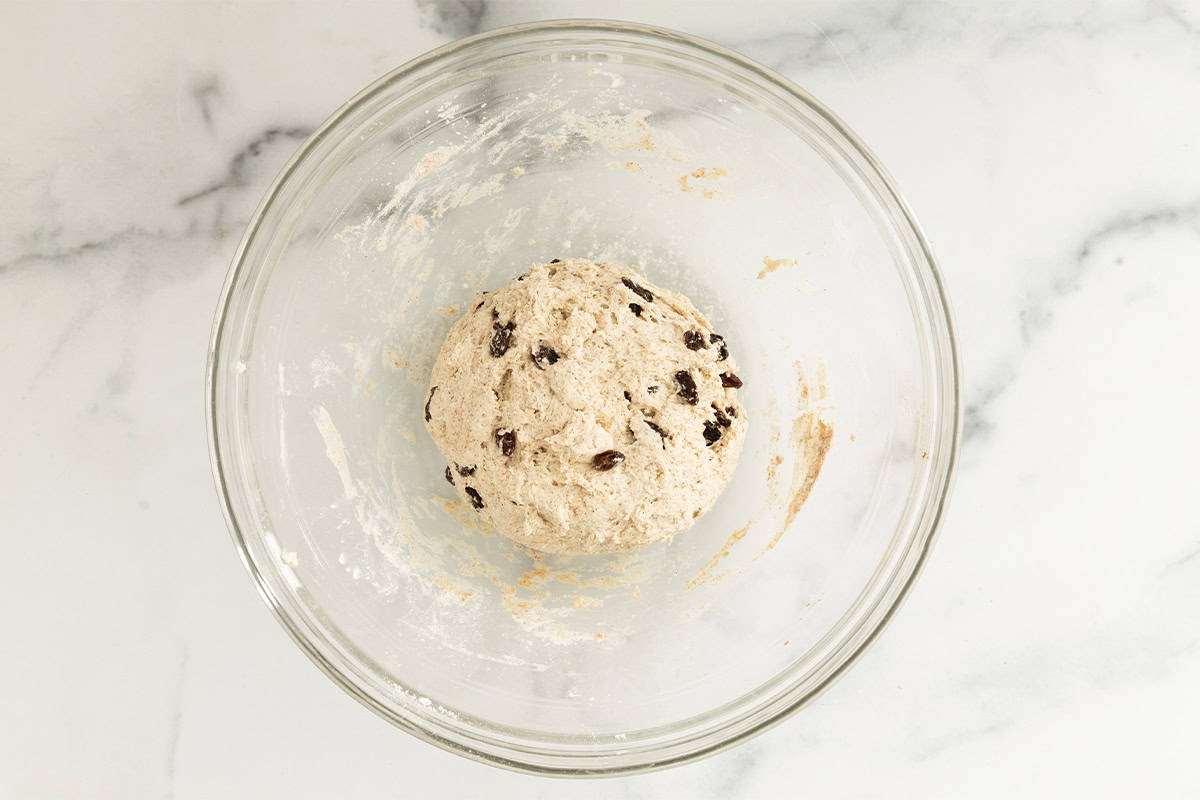
- Inclusion Incorporation (Minutes 10–12): Raisins are added during the final stages of kneading. This prevents the fruit from being macerated during the initial mixing phase, ensuring that the raisins remain whole and provide textural contrast in the finished bagel.
- Portioning and Shaping (Minutes 12–15): The dough is divided into four equal portions. Each portion is rolled into a cylindrical tube and joined at the ends to form the iconic toroidal shape. This manual shaping allows for a softer, more irregular surface area compared to machine-extruded bagels, which aids in heat distribution during the bake.
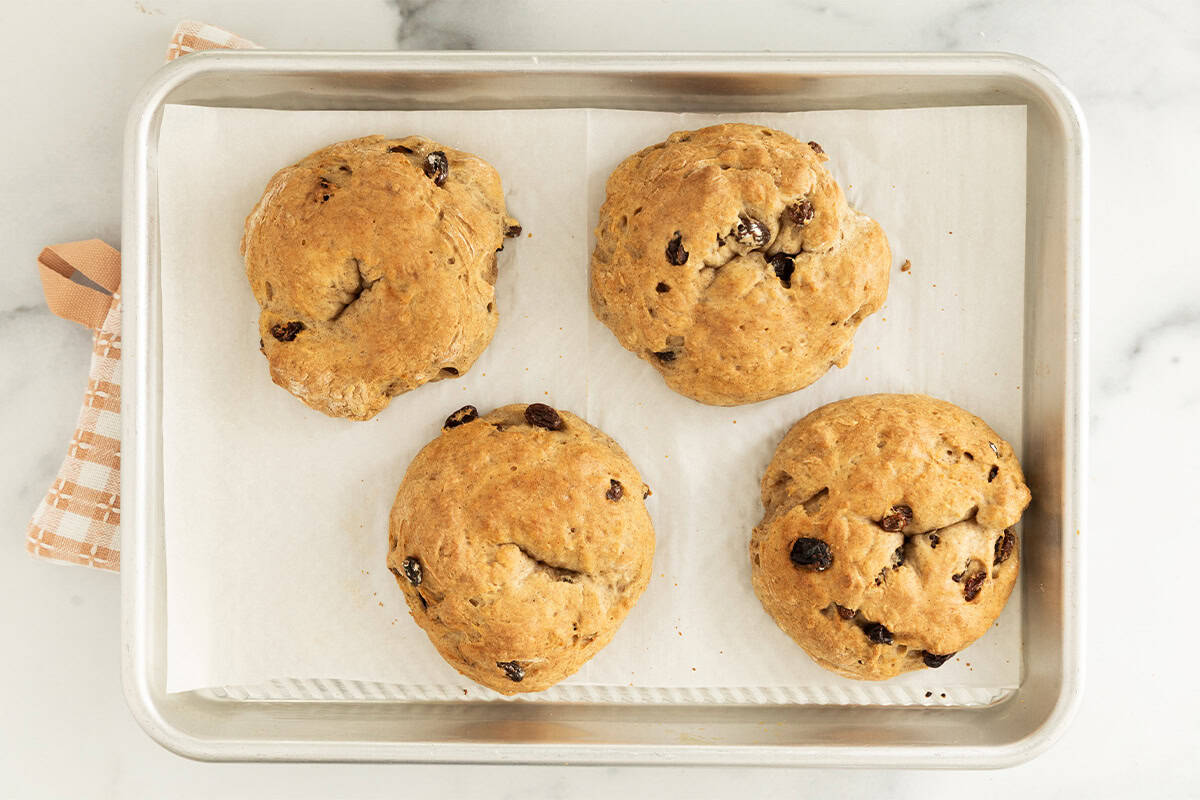
- Thermal Processing (Minutes 15–30): The bagels are baked in a preheated oven until the edges achieve a light golden-brown hue. This rapid baking cycle ensures that the interior remains moist and tender—a critical factor for pediatric consumers who may struggle with the density of traditional New York-style bagels.
Nutritional Benchmarking and Comparative Data
From a nutritional standpoint, the homemade cinnamon raisin bagel offers a superior profile to many commercial alternatives. According to standardized nutritional analysis, a single serving (one bagel) provides approximately 196 calories. The most notable metric is the protein content, which stands at 11 grams per serving. For a toddler or young child, this represents a significant portion of the Recommended Dietary Allowance (RDA) for protein.
The mineral content is also noteworthy, with 75mg of calcium per bagel, primarily derived from the Greek yogurt base. In contrast, many mass-produced bagels rely on enriched wheat flour and corn syrup, offering higher carbohydrate counts with lower protein and mineral density. Furthermore, the sodium content in this homemade version is approximately 328mg, which is manageable within a balanced diet, whereas commercial bagels can often exceed 500mg of sodium per serving to enhance shelf life.
The caloric breakdown is as follows:
- Total Carbohydrates: 34g
- Dietary Fiber: 2g
- Sugars: 2g (primarily from raisins and yogurt lactose)
- Total Fat: 2g
- Protein: 11g
This macronutrient distribution aligns with the needs of growing children, providing sustained energy through complex carbohydrates while supporting muscle and bone development through protein and calcium.
Pediatric Safety and Developmental Considerations
One of the primary concerns for parents introducing solid foods is the risk of choking and the ability of the child to manage different textures. Traditional bagels are often notoriously difficult for "littles"—children in the toddler age range—to chew due to their dense, rubbery consistency. The Greek yogurt-based dough produces a significantly softer crumb.
Experts in Baby-Led Weaning (BLW) note that the "chewy but soft" texture of these bagels allows children to practice their gnawing and chewing skills without the high resistance of a crusty sourdough. Regarding the inclusion of raisins, while they are often scrutinized as potential choking hazards, the baking process softens the fruit further. For parents of younger toddlers, a common safety modification involves halving the raisins with kitchen shears before incorporation into the dough.
Furthermore, the absence of added honey or granulated sugar in the dough itself is a strategic choice. Pediatric nutritionists generally recommend limiting added sugars for children under the age of two. By relying on the natural sweetness of the raisins and the aromatic profile of cinnamon, this recipe provides a palatable "treat" experience without contributing to excessive sugar intake.
Economic and Lifestyle Implications
The shift toward homemade staples like the cinnamon raisin bagel is also driven by economic factors. A standard four-pack of artisanal or "clean-label" bagels at a high-end grocery store can cost between $6.00 and $9.00. In contrast, the raw materials for the homemade version—flour, yogurt, and raisins—bought in bulk result in a per-unit cost that is significantly lower.
Beyond the financial savings, the "freezer-friendly" nature of the product serves a vital role in the "postpartum economy." New parents often rely on pre-prepared meals that can be stored for long periods. These bagels can be frozen for up to six months. When sliced prior to freezing, they can be moved directly from the freezer to the toaster, providing a high-protein meal in minutes. This utility extends to the "shortcut toddler meal" category, where parents require fast, nutritious options to mitigate "hangry" episodes during busy morning routines.
Market Trends and the "Clean Label" Movement
The popularity of this specific recipe reflects a broader consumer movement toward "clean label" foods. Modern consumers are increasingly wary of long ingredient lists containing preservatives like calcium propionate or dough conditioners like L-cysteine. By reducing the ingredient list to four primary components, the homemade bagel offers transparency that commercial manufacturers struggle to match.
The "Two-Ingredient Dough" phenomenon (the combination of Greek yogurt and self-rising flour) originally gained fame in fitness communities, such as Weight Watchers, for its low-point value and high satiety. Its migration into the pediatric food space highlights a cross-generational demand for functional foods—items that provide health benefits beyond basic nutrition.
Conclusion: The Future of Accessible Nutrition
The Cinnamon Raisin Bagel recipe represents more than just a convenient breakfast option; it is a case study in the democratization of nutritional baking. By stripping away the complexities of traditional bread-making and focusing on high-value ingredients like Greek yogurt, this method empowers parents to take control of their children’s dietary intake.
As the demand for high-protein, low-sugar, and easy-to-prepare meals continues to grow, it is likely that the "yogurt-dough" framework will be adapted into even more varieties. For now, the cinnamon raisin iteration stands as a benchmark for how simple science and thoughtful ingredient selection can result in a product that is as delicious as it is developmentally appropriate for the next generation. Through its 30-minute preparation time and robust nutritional profile, it has effectively bridged the gap between the artisanal bakery and the busy family kitchen.