


The experience of Marissa Bader, a mother of three young children, epitomizes the profound challenges faced by the "Sandwich Generation" – individuals simultaneously caring for their aging parents and their own dependent offspring. Bader’s journey into this demanding role began subtly in 2019, marked by a shocking realization of her mother’s declining health and cognitive abilities, a situation that rapidly escalated into a full-blown caregiving crisis, illuminating a growing societal issue affecting millions.
The Emergence of a Caregiving Crisis
The initial shock for Bader was palpable upon seeing her mother in April 2023, after a mere seven months apart. The once vibrant, meticulously groomed woman had become frail, disheveled, and disoriented, her appearance a stark contrast to her former self. This visible decline underscored a deeper struggle that had been unfolding for some time, rooted in her mother’s diagnosis of Myelodysplastic Syndrome (MDS) in 2019. MDS, a type of blood cancer where the bone marrow produces insufficient healthy blood cells, often progresses to acute myeloid leukemia (AML), a rapidly progressing cancer of the blood and bone marrow. The World Health Organization (WHO) estimates MDS affects 4-5 per 100,000 people annually, with incidence increasing significantly with age.
Bader’s initial involvement in her mother’s healthcare stemmed from administrative confusion surrounding the MDS diagnosis. While focused on raising her then 7, 4, and 4-year-old children, she had assumed her mother, who lived alone, was managing her medical affairs. However, an attempt to obtain a referral revealed a disquieting reality: her mother could not recall her primary care physician, naming a doctor she hadn’t seen since Bader’s childhood. This pivotal moment forced Bader to assume control, mirroring her approach to her children’s medical needs, and inadvertently inducted her into the Sandwich Generation.
Unraveling a Complex Medical Landscape
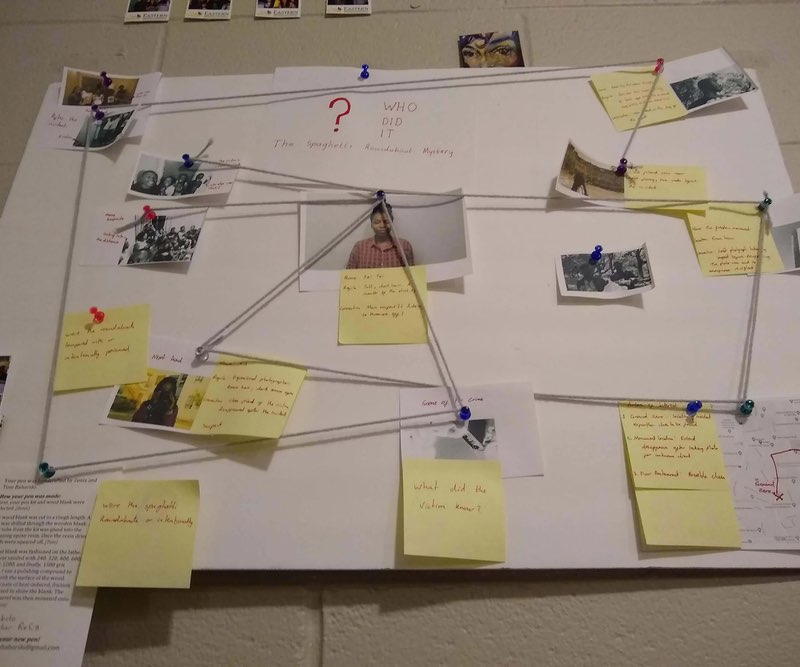
The immediate task was daunting. Bader spent an entire day meticulously piecing together her mother’s medical history, contacting various doctors and facilities to identify her current primary care physician. This investigative effort, described by Bader as akin to a detective’s diagram, highlighted the fragmented nature of elder care and the critical need for a centralized, informed advocate. The emotional toll of this initial dive into her mother’s medical labyrinth was immense, leaving Bader overwhelmed and in tears. Her husband’s support, reassuring her that they would face it "one foot in front of the other," underscored the necessity of a strong spousal partnership in such demanding circumstances.
The subsequent consultation with an oncologist, Dr. Warlick, confirmed the gravity of the MDS diagnosis, presenting a grim prognosis of potentially three years of life without aggressive treatment. While chemotherapy offered a chance at remission, a bone marrow transplant, often a viable option for younger, healthier patients, was deemed unsuitable due to her mother’s age and history as a lifelong smoker. Miraculously, after several months of chemotherapy, her mother achieved remission, a surprise even to her medical team, though the oncologist cautioned that the cancer was terminal and would likely return.
The Insidious Progression of Dementia
Concurrent with the management of MDS, a more insidious and equally terrifying threat emerged: cognitive decline. Bader and her siblings began observing alarming signs of forgetfulness, confusion, paranoia, and a marked change in her mother’s once impeccable habits. Her home, previously spotless, became disorganized and cluttered, a clear departure from her lifelong neatness. The telling moment came when her mother herself admitted to noticing her mind "not working as well as it used to." This opening allowed Bader to suggest an appointment with a "memory doctor" without causing offense.
The subsequent visit to a geriatrician specializing in Alzheimer’s and dementia delivered a "gut punch": a diagnosis of early-stage dementia. This news, though anticipated, was devastating. Dementia, an umbrella term for a range of progressive neurological disorders that affect memory, thinking, and behavior, impacts millions globally. The Alzheimer’s Association reports that over 6 million Americans are living with Alzheimer’s, the most common form of dementia, and this number is projected to rise significantly in the coming decades. The diagnosis necessitated immediate action, including establishing power of attorney (POA) and advanced directives to prepare for an unpredictable future.
Escalation to Crisis: A Fall and Forced Decisions
As months passed, while the MDS remained in remission, her mother’s dementia inexorably worsened. Driving became unsafe, she frequently got lost, and living alone posed significant hazards, including the risk of falls and fire due to her continued smoking and increasing disorganization. Despite her resistance to live-in care due to her strong desire for privacy, her siblings recognized the need for a higher level of professional intervention. This period plunged Bader into a state of constant worry, impacting her parenting and leading to profound caregiver burnout, a condition characterized by physical, mental, and emotional exhaustion. Studies by the National Alliance for Caregiving and AARP indicate that about 1 in 5 caregivers report their health has gotten worse due to caregiving.
The situation reached a critical turning point in April 2023. While residing in Arizona for the winter, her mother suffered a fall, breaking her hip. A neighbor’s timely discovery and subsequent call to Bader’s brother initiated a rapid chain of events: emergency services, hospital admission, and surgery. For the elderly, a hip fracture is often a harbinger of significant decline, with research indicating a high mortality rate within the first year post-fracture and a substantial increase in the risk of dementia progression. The combination of immobility, environmental changes, surgery, new medications, and the inability to smoke led to a tenfold acceleration of her dementia, aging her "10 years within one week."
The subsequent transfer to a rehabilitation facility, another unfamiliar environment, further exacerbated her cognitive decline. This rapid deterioration forced Bader and her siblings to make an agonizing decision: 24/7 in-home care, which is both difficult to secure and prohibitively expensive, or relocation to a memory care facility. The average annual cost of memory care in the U.S. can range from $60,000 to over $100,000, presenting a substantial financial burden for families.
The Difficult Path to Memory Care
The decision to move her mother into memory care was fraught with guilt and emotional distress, particularly for Bader, who felt she was betraying her mother’s fierce independence. The plan involved a difficult deception: telling her mother she was moving to a rehab facility until her hip improved, rather than a permanent memory care residence. This period was characterized by intense stress, with Bader managing care from afar, coordinating with medical professionals, touring facilities, packing her mother’s belongings, completing extensive paperwork, and fielding angry, confused calls from her mother. The pressure, coupled with lack of sleep and the demands of parenting, culminated in an emotional breakdown for Bader, highlighting the unique strain she felt as the only biological child among her siblings, who were stepchildren to her mother.
The long journey from Arizona to her new home vividly illustrated the extent of her mother’s decline. Bader described her as "small, disheveled, confused, and broken," a stark reversal of their roles. She recognized that she was now her mother’s primary caregiver, responsible for her tenderness and protection, while simultaneously balancing the needs of her own children, her marriage, and her professional life. This realization solidified her place firmly in the multilayered "sandwich."
Finding Solace and Support
During the drive to the memory care facility, Bader played a Spotify playlist of her mother’s favorite songs, a deliberate act informed by research suggesting music can calm dementia patients and trigger memories. Seeing her mother clap and smile to the music offered a moment of solace, a reminder that despite the profound changes, some essence of their connection endured.
After approximately eight months, the initial memory care facility proved unsuitable. In January 2024, her mother was moved to a new, smaller facility with a stronger community feel. This transition, surprisingly smoother than anticipated, yielded positive results. Her mother is now reportedly "thriving," engaging in more socialization, enjoying the staff, eating well, and generally appearing happier. This outcome, though achieved through immense difficulty, represents a "best-case scenario" in an otherwise challenging situation.
Bader’s experience underscores the vital importance of self-care and seeking support for those in the Sandwich Generation. Her ongoing journey, while a work in progress, emphasizes the need for grace, love, and compassion for oneself. The phenomenon of the Sandwich Generation is a growing demographic reality, driven by increasing life expectancies and evolving family structures. According to Pew Research Center, nearly half (47%) of adults in their 40s and 50s have a parent aged 65 or older and are either raising a young child or financially supporting a grown child. This demographic trend places significant strain on individuals and families, highlighting the need for greater societal awareness, resources, and support systems for caregivers.
Marissa Bader continues to navigate this complex caregiving landscape, finding gratitude in her ability to be present for her mother, just as her mother was for her. She is also a writer and author of children’s books, including The Only Me, Stella’s Brave Voice, and Petunia the Perfectionist, which debuts in August 2024, using her experiences to connect with broader audiences.