

The landscape of children’s literature is undergoing a vital transformation, with an increasing emphasis on reflecting the rich tapestry of society. While beloved stories have long been a cornerstone of childhood development, a growing body of research and advocacy highlights the profound importance of ensuring that the characters and narratives presented to young minds mirror the diversity of the real world. This extends beyond mere inclusion; it is about fostering empathy, understanding, and a sense of belonging for all children. This article explores the critical need for diverse representation in children’s books and offers a curated selection of titles that excel in this regard, spanning various age groups and themes.
The Underrepresentation Gap: A Statistical Overview
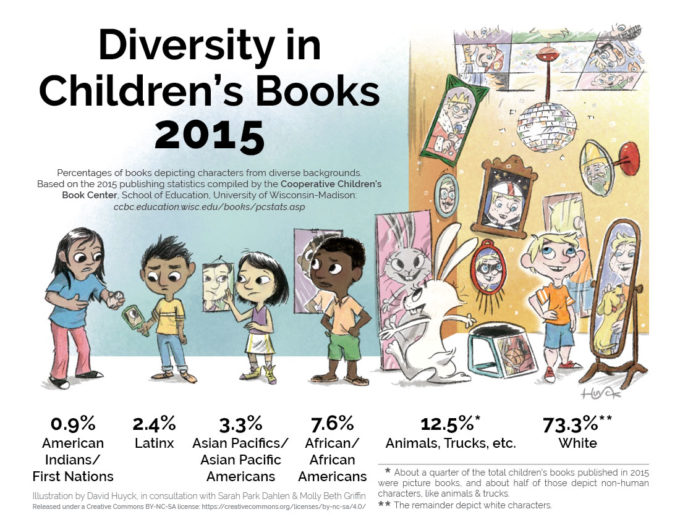
For decades, studies have consistently pointed to a significant underrepresentation of diverse characters in children’s books. Data from organizations like the Cooperative Children’s Book Center (CCBC) at the University of Wisconsin-Madison have provided concrete evidence of this disparity. For instance, a 2018 report by the CCBC indicated that only a small percentage of children’s books published in the United States featured characters from non-white racial groups. While specific percentages fluctuate year to year and depend on the methodology, the trend remains stark: white protagonists overwhelmingly dominate the literary landscape for children.

Similarly, research has also illuminated the gender imbalance, with male characters frequently outnumbering female characters, even in books where protagonists are animals or anthropomorphic beings. This pervasive pattern, often unnoticed due to its ubiquity, can inadvertently shape children’s perceptions of who holds agency, who is central to narratives, and what roles are considered "normal" or aspirational. The implications of this gap are far-reaching, potentially contributing to feelings of invisibility or otherness for children who do not see themselves reflected in the stories they consume.

Why Diverse Representation Matters: Cultivating Empathy and Identity
The significance of diverse representation in children’s literature cannot be overstated. When children encounter characters from varied racial backgrounds, ethnicities, abilities, gender identities, and family structures, they are offered invaluable opportunities for several key developmental outcomes:
- Developing Empathy and Understanding: Exposure to diverse characters allows children to step into different shoes, fostering empathy and understanding for experiences and perspectives that may differ from their own. This builds a foundation for a more compassionate and inclusive worldview.
- Building Self-Esteem and Identity: For children who belong to marginalized groups, seeing themselves accurately and positively portrayed in books can be profoundly affirming. It validates their experiences, strengthens their sense of identity, and combats feelings of isolation.
- Challenging Stereotypes: Diverse narratives can actively dismantle harmful stereotypes by presenting nuanced and authentic portrayals of individuals from all walks of life. This helps children develop critical thinking skills and resist preconceived notions.
- Preparing for a Globalized World: In an increasingly interconnected world, children need to be equipped with the understanding and appreciation of different cultures and communities. Diverse literature serves as a vital tool in this preparation.
The absence of such representation, conversely, can lead to a narrow understanding of the world, perpetuate biases, and make it harder for some children to connect with the stories they are told. The anecdotal observation that many popular series for older children, such as "Diary of a Wimpy Kid," "Lucky Luke," "Captain Underpants," and "Harry Potter," predominantly feature young white male protagonists, while popular and enjoyable, highlights the need for a more balanced offering.
Curated Selections: Books that Champion Diversity Across Age Groups
Recognizing the critical need for diverse stories, this selection highlights exceptional books that not only entertain but also thoughtfully incorporate a range of identities and experiences. These titles have been chosen for their literary merit, engaging narratives, and their commitment to reflecting a more inclusive reality.
For Babies and Toddlers: Laying the Foundation for Inclusion
The earliest introductions to literature are crucial for shaping young minds. Board books and picture books for this age group can introduce a variety of human experiences in simple, accessible ways.
- "Not Quite Narwhal" by Jessie Sima: This charming story follows Kelp, a creature who believes he is a narwhal but eventually discovers his true identity as a unicorn. Beyond its delightful premise, the book subtly explores themes of belonging and the all-encompassing love of family, showcasing a broader understanding of what family can mean. Its endearing characters and whimsical illustrations make it a favorite for young readers.
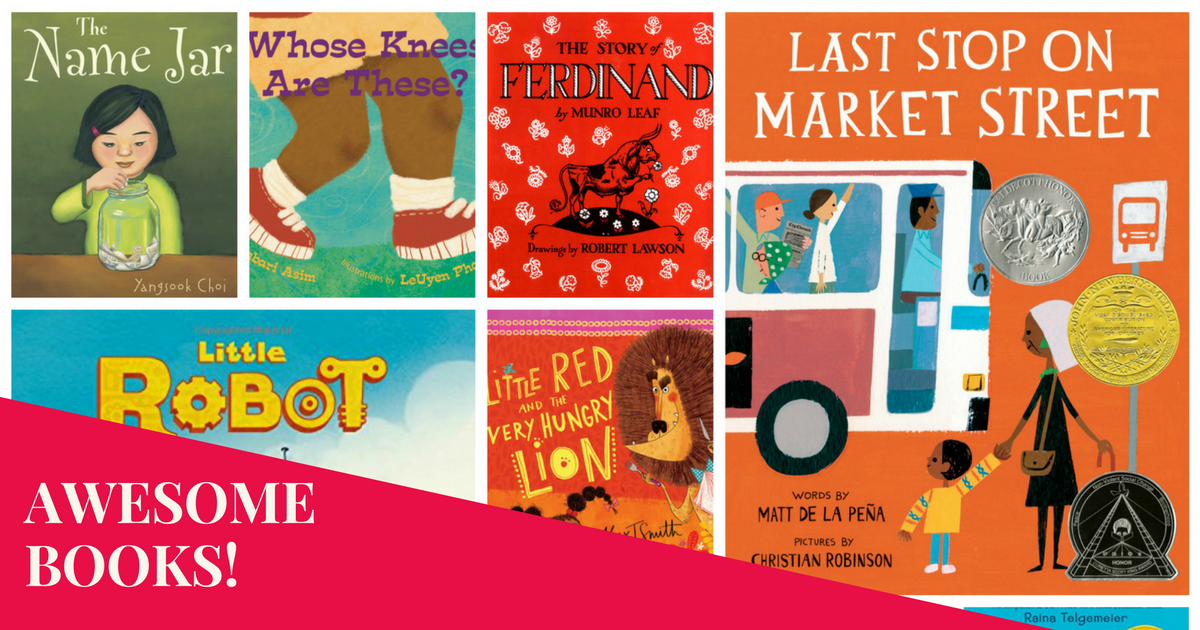
- "Whose Knees Are These?" by Vera B. Williams: A simple yet effective board book that uses rhyming couplets to introduce body parts. The illustrations within this book depict a diverse group of children, offering early exposure to different physical characteristics and reinforcing the idea that bodies come in many forms. It’s a gentle introduction to self-awareness and observation.
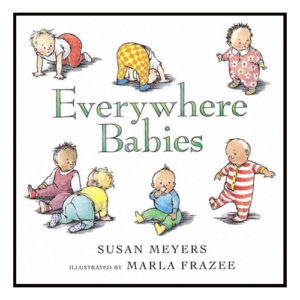
- "Everywhere Babies" by Susan Juby and illustrated by Pete Oswald: This book, illustrated by the artist behind the Caldecott Honor book "All the World," celebrates the universal experience of babies. Its vibrant illustrations showcase a wide array of infants and toddlers from different racial backgrounds and family structures, emphasizing that babies are everywhere and are loved universally. The simple, repetitive text is perfect for engaging very young children.
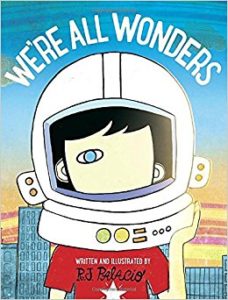
- "We’re All Wonders" by R.J. Palacio: Adapted from the acclaimed chapter book "Wonder," this picture book introduces Auggie Pullman, a boy with facial differences, to a younger audience. The story gently conveys the message of kindness and acceptance, teaching children that everyone is unique and worthy of love and understanding, regardless of how they look. It’s a powerful introduction to empathy for the differently abled.
For Preschoolers: Exploring New Worlds and Perspectives
As children grow, their capacity to engage with more complex themes and narratives expands. Books for preschoolers can introduce characters who navigate social situations, embrace their individuality, and learn about the world around them.
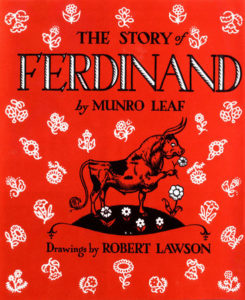
- "The Story of Ferdinand" by Munro Leaf: A timeless classic, "The Story of Ferdinand" tells the tale of a bull who prefers smelling flowers to bullfighting. Ferdinand’s gentle nature and his refusal to conform to traditional expectations of masculinity make him a compelling character. The book has resonated for generations due to its message of individuality and the quiet strength found in choosing one’s own path.
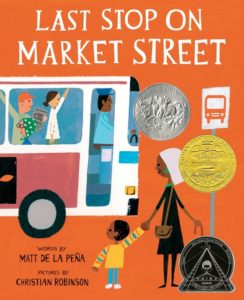
- "Last Stop on Market Street" by Matt de la Peña: This Newbery Medal winner follows CJ and his grandmother on their weekly bus ride. The story beautifully captures the everyday magic of their community, highlighting themes of gratitude, diversity, and finding joy in simple moments. The richly detailed illustrations depict a vibrant urban landscape populated by a variety of characters, reinforcing the beauty of everyday life in diverse settings.
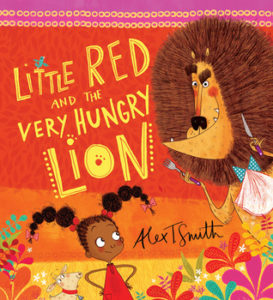
- "Little Red and the Very Hungry Lion" by Alex Smith: A delightful reimagining of the classic "Little Red Riding Hood" set in the African jungle. This version features a brave and resourceful Little Red and a rather clumsy lion. Its vibrant illustrations and humorous twists on the familiar tale offer a fresh perspective, while its cultural setting introduces young readers to different environments and storytelling traditions.
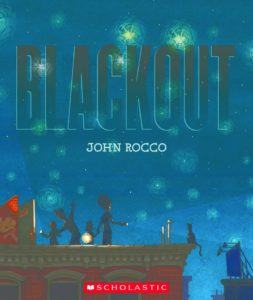
- "Blackout" by John Rocco: This Caldecott Honor book uses minimal text and stunning illustrations to tell the story of a family and their neighborhood during a city-wide power outage. The narrative focuses on how the unexpected event brings people together, fostering community and connection. It subtly showcases a diverse urban population and emphasizes the importance of human interaction over technology.
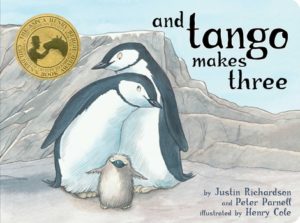
- "And Tango Makes Three" by Justin Richardson and Peter Parnell: Based on a true story, this book recounts the tale of two male penguins at the Central Park Zoo who form a pair and are given an egg to raise. It’s a heartwarming narrative that introduces same-sex parenting in a natural and positive way, offering a rare and important representation for children. The story champions love and family in all its forms.
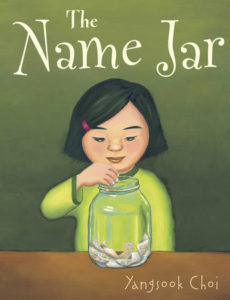
- "The Name Jar" by Yangsook Choi: Unhei, a young girl who has just moved from Korea, is anxious about starting a new school and introducing herself. Her classmates create a "name jar" to help her choose an American name, but when the jar goes missing, Unhei must find the courage to embrace her own name and heritage. This book beautifully explores themes of cultural identity, belonging, and the challenges of being new.
- "The Snowy Day" by Ezra Jack Keats: A beloved Caldecott Medal winner, "The Snowy Day" follows Peter, a young Black boy, as he experiences the wonder and joy of a snow day in his city. The book is celebrated for its simple yet evocative storytelling and its groundbreaking portrayal of a Black child as the central protagonist in a mainstream children’s book. Its enduring popularity speaks to its universal appeal and its historical significance.
- "Little Robot" by Ben Hatke: This wordless picture book tells the story of a small robot who becomes lost and is found by a kind and curious young girl. Their burgeoning friendship, depicted through expressive illustrations, highlights themes of connection, loyalty, and understanding across perceived differences. Hatke’s work often features strong, independent female characters and themes of found family.
For Older Children: Navigating Complex Themes and Identities
As children transition into more complex literary experiences, books can delve deeper into issues of identity, social dynamics, and personal growth. The following titles offer compelling narratives that incorporate diversity in meaningful ways.
- "Zita the Spacegirl" by Ben Hatke: The first in a trilogy, "Zita the Spacegirl" follows a brave and resourceful Earth girl who embarks on an epic space adventure to rescue her best friend. The series features a strong female protagonist, diverse alien characters, and themes of courage, friendship, and problem-solving. Hatke’s distinctive artwork and engaging storytelling make these books incredibly popular.
- "Mighty Jack" by Ben Hatke: A creative retelling of "Jack and the Beanstalk," this graphic novel introduces Jack and his sister Maddy, who has autism and is nonverbal. Maddy is a vital character, and her relationship with Jack is central to the plot. The story also touches on themes of divorce and the complexities of family relationships, offering a rich and adventurous narrative with relatable characters.
- "El Deafo" by Cece Bell: This Newbery Honor-winning graphic novel is a memoir about the author’s childhood experience of losing her hearing and navigating life with a bulky hearing aid. She invents a superhero alter ego, "El Deafo," to cope with her differences. The book is humorous, honest, and deeply resonant, exploring themes of disability, friendship, and finding one’s own superpowers.
- "Sisters" by Raina Telgemeier: A highly acclaimed graphic novel that delves into the dynamics of sibling relationships. "Sisters" focuses on the often-turbulent bond between two sisters during a family road trip. Telgemeier’s work consistently features relatable characters and engaging storylines. Other works by Telgemeier, such as "Ghost" (featuring a protagonist with cystic fibrosis) and "Drama" (which includes a character questioning his sexuality), further expand the representation of diverse experiences in middle-grade literature.
The Broader Impact and Future Directions
The inclusion of diverse characters and narratives in children’s literature is not merely a trend; it is a fundamental shift towards creating a more equitable and understanding society. As educators, parents, and librarians continue to champion these books, they contribute to a literary ecosystem where every child can find themselves reflected and celebrated.
The publishing industry has responded to the growing demand for diversity, with more books featuring characters from underrepresented backgrounds being released each year. However, the journey is far from complete. Continued advocacy for authentic representation, a commitment to diverse voices among authors and illustrators, and a conscious effort to seek out and share these vital stories are essential.
The initiative to curate such lists and encourage dialogue around them is crucial. By actively seeking out and sharing these diverse narratives, we empower children to develop a broader understanding of the world, foster empathy, and build a stronger sense of self. The ongoing conversation in the comments section of original articles like this serves as a testament to the community’s desire for continued recommendations and shared experiences, underscoring the collective commitment to enriching the literary lives of children with stories that truly represent them.