

The daily ritual of preparing children for school or daycare represents a significant logistical challenge for contemporary families, often transforming what was once a simple departure into a complex, time-sensitive operation fraught with potential delays. With the return to structured academic schedules, the imperative to establish efficient and consistent morning routines becomes paramount, not only for parental sanity but also for fostering essential developmental skills in children.
The Modern Morning Conundrum: A Background Analysis

For many adults, pre-parenthood mornings involved a straightforward sequence of personal readiness, typically culminating in grabbing keys and walking out the door. However, the introduction of children fundamentally alters this dynamic. Modern families navigate a dense landscape of tasks—dressing multiple children, preparing breakfasts, packing lunches, and managing last-minute requests—all against a ticking clock. This intricate ballet, performed daily, contributes significantly to parental stress. Research from the American Psychological Association, for instance, has frequently highlighted the daily grind as a primary source of stress for parents, with morning and evening routines often cited as peak times for friction and anxiety. Studies indicate that up to 70% of parents report feeling rushed or stressed during weekday mornings, often leading to elevated cortisol levels which can impact both parental and child well-being.
The importance of predictable routines for children is well-documented in developmental psychology. Children thrive on consistency, which provides a sense of security and predictability in their environment. When children know what to expect, they are better equipped to regulate their emotions, develop independence, and cultivate crucial executive function skills such as planning, organization, and impulse control. Conversely, chaotic or inconsistent mornings can lead to increased anxiety, resistance, and behavioral issues in children, making the entire process even more arduous. As educational psychologist Dr. Eleanor Vance often notes, "A consistent morning routine acts as a developmental scaffold, allowing children to internalize sequences and take ownership of their responsibilities, which are foundational for academic success and social adaptation." Therefore, the effort invested in structuring mornings extends far beyond mere punctuality; it is an investment in a child’s holistic development and a family’s overall well-being.
Core Strategies for Seamless Mornings

To mitigate the inherent challenges and cultivate a more harmonious start to the day, experts advocate for a multi-faceted approach combining proactive planning, strategic time management, and positive reinforcement techniques.
1. Proactive Preparation: The Power of the Night Before
One of the most impactful strategies for a smooth morning is to shift as many tasks as possible to the evening prior. This "night-before prep" significantly reduces the cognitive load and decision fatigue that often plague parents during the early hours. Tasks such as laying out clothes for the next day, preparing lunchboxes and snacks, setting the breakfast table, and organizing backpacks can transform a frantic morning into a more relaxed one. For instance, according to a study published in the Journal of Applied Psychology, individuals who engage in pre-planning for daily tasks report a 25% reduction in perceived stress and an average of 15-20 minutes saved per day.
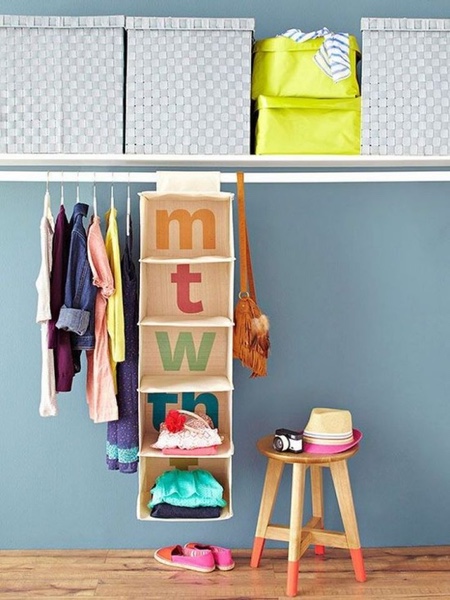
Involving children in age-appropriate aspects of this preparation can further enhance its effectiveness. Younger children can choose their outfits from a pre-selected set of options, while older children can pack their own bags under supervision. This participation fosters a sense of responsibility and ownership. Product solutions like a "Weekly Clothes Organizer" allow for outfits to be selected and organized for the entire school week on a Sunday, eliminating daily wardrobe dilemmas. Similarly, utilizing a "School Lunch Planner" can streamline meal preparation, ensuring balanced and appealing lunches are ready to go. The objective is to eliminate as many last-minute decisions and potential friction points as possible, thereby creating a calmer environment when time is most critical.
2. Cultivating Parental Calm: Prioritizing Early Wake-Up
The adage "put your own oxygen mask on first" holds particular relevance for parents navigating demanding morning routines. Waking up 15 to 30 minutes before children can provide a crucial window for parental self-care—whether it’s enjoying a cup of coffee in silence, a brief meditation, or simply getting dressed in peace. This dedicated "me-time" allows parents to mentally prepare for the day, reducing reactivity and increasing patience, which are invaluable assets when interacting with children.

Dr. Sarah Chen, a family therapist specializing in stress management, emphasizes, "Parents who prioritize their own calm are better equipped to model that calm for their children. That quiet half-hour before the chaos begins can be a game-changer, buffering against the inevitable demands of the morning and allowing for more positive, less hurried interactions." This practice requires self-discipline, often necessitating an earlier bedtime, but the ripple effect on overall family harmony and parental well-being is substantial. Studies on mindfulness and stress reduction consistently show that even short periods of quiet contemplation can significantly lower stress hormones and improve emotional regulation.
3. Mastering Time: Visual and Auditory Cues for Children
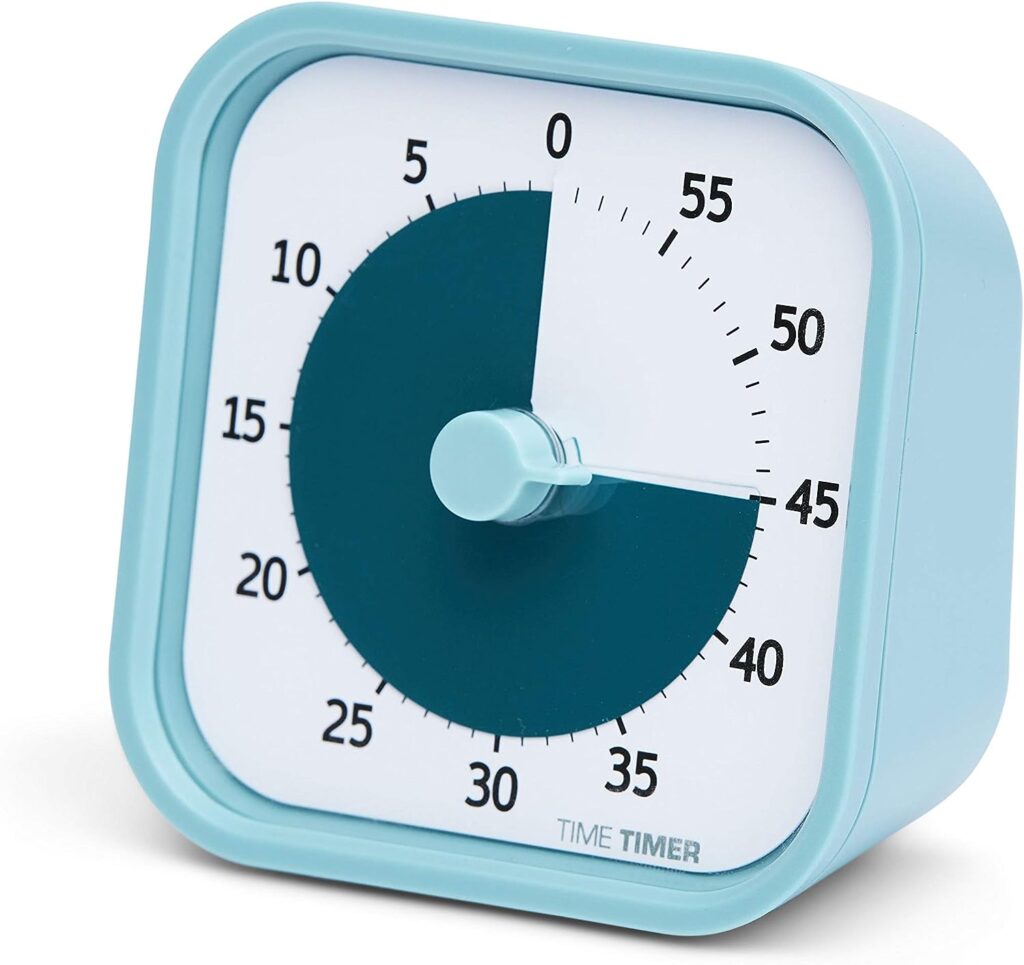
For children, especially those who cannot yet read traditional clocks, abstract concepts of time can be challenging. Implementing visual and auditory cues can effectively externalize time management, helping both children and adults stay on schedule. Visual timers, which feature a colored disc that gradually disappears as time elapses, offer an intuitive understanding of time passing. These tools empower children by allowing them to independently monitor their progress on tasks like getting dressed or eating breakfast. Options range from simple analog timers to more sophisticated versions that feature animals or color-coded segments, catering to various developmental stages.
In addition to visual aids, auditory cues can be highly effective. Creating a morning playlist with upbeat, familiar songs can guide children through their routine. For instance, a specific song could signal "time to get dressed," another "time for breakfast," and a final song "time to put on shoes." This method leverages music’s power to engage and motivate, transforming routine tasks into a more enjoyable and predictable sequence. The consistent pairing of music with tasks helps children internalize the routine without constant verbal prompting, reducing parental nagging and fostering greater autonomy. The "Hatch Rest" clock, for example, combines light and sound cues to signal wake-up times, offering a gentle, consistent start to the day.
4. Engaging Through Play: The Art of Gamification
Leveraging children’s natural inclination for play can significantly boost their cooperation during morning routines. Gamification involves transforming mundane tasks into playful challenges. Simple races, such as "Can you get dressed before I finish brushing my teeth?" or "Let’s see who can gather their backpack items the fastest," can inject an element of fun and urgency into the morning.
Behavioral psychologists highlight that gamification taps into children’s desire for mastery, competition, and positive attention. By making tasks a game, parents can shift the focus from obligation to engagement, leading to quicker task completion and fewer power struggles. This approach, while seemingly simple, is rooted in principles of positive reinforcement and intrinsic motivation, making children more willing participants in their own routines. The key is to keep the games lighthearted and achievable, celebrating effort and completion rather than solely focusing on speed.
5. Motivating with Autonomy: The "Free Time" Incentive
The promise of "free time" as a reward for efficient task completion can be a powerful motivator. This strategy allows children to earn a period of unstructured play or a chosen activity once their essential morning tasks are completed. This could involve playing with Legos, drawing, reading, or even a short period of approved screen time (e.g., educational shows), provided clear boundaries are established.

This incentive system not only encourages promptness but also teaches valuable lessons in time management, responsibility, and delayed gratification. Children learn that completing necessary tasks efficiently leads to desirable outcomes. However, parents must exercise caution to ensure that "free time" doesn’t inadvertently encourage excessively early wake-ups that compromise sleep, or lead to over-reliance on screen time. The "free time" should be a bonus, not the sole purpose of getting ready quickly. As child development expert Dr. Laura Markham advises, "Offering choices and positive incentives within a clear structure empowers children, giving them a sense of control over their day while still adhering to necessary routines."
6. Visual Roadmaps: The Efficacy of Checklists
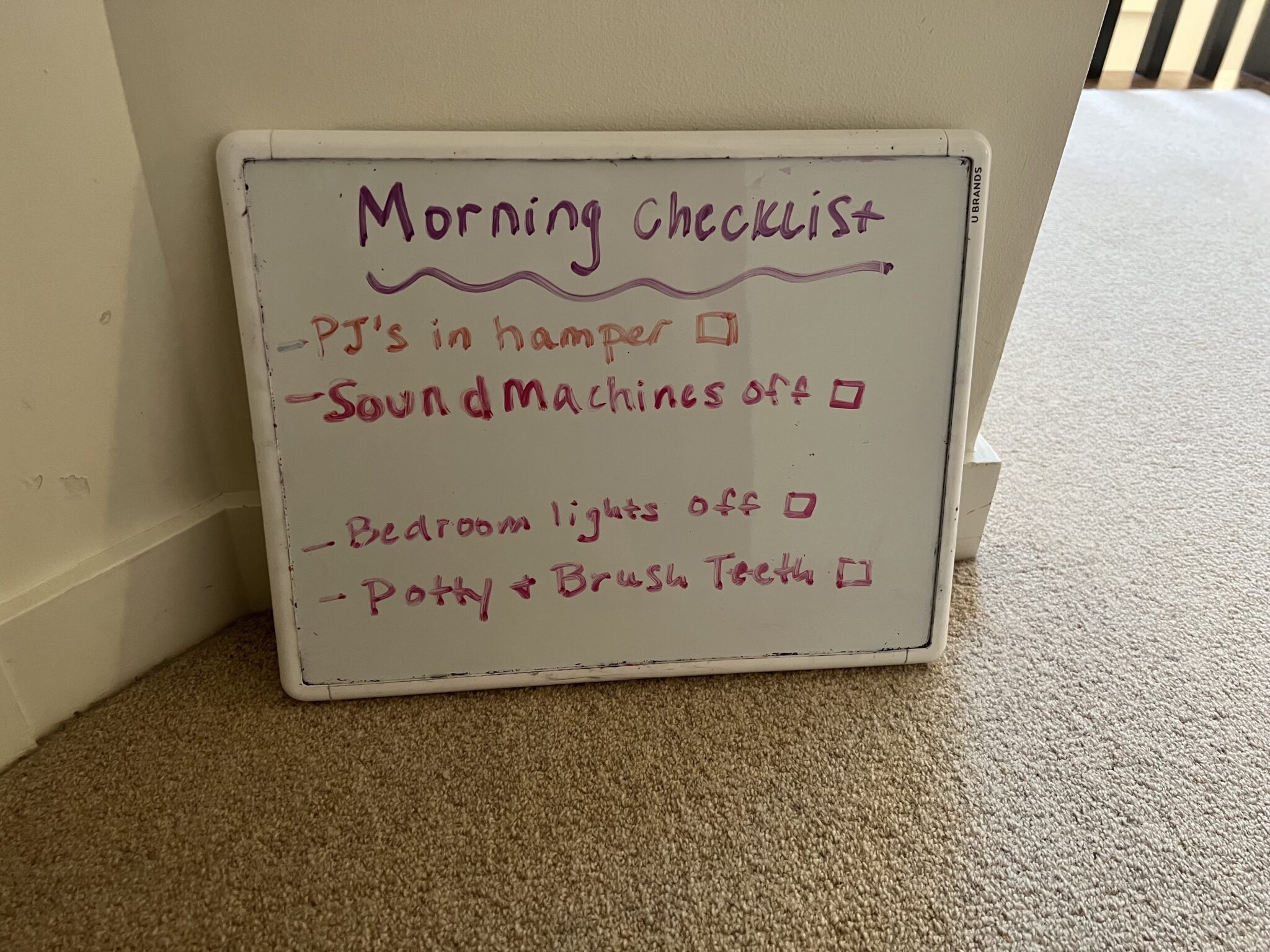
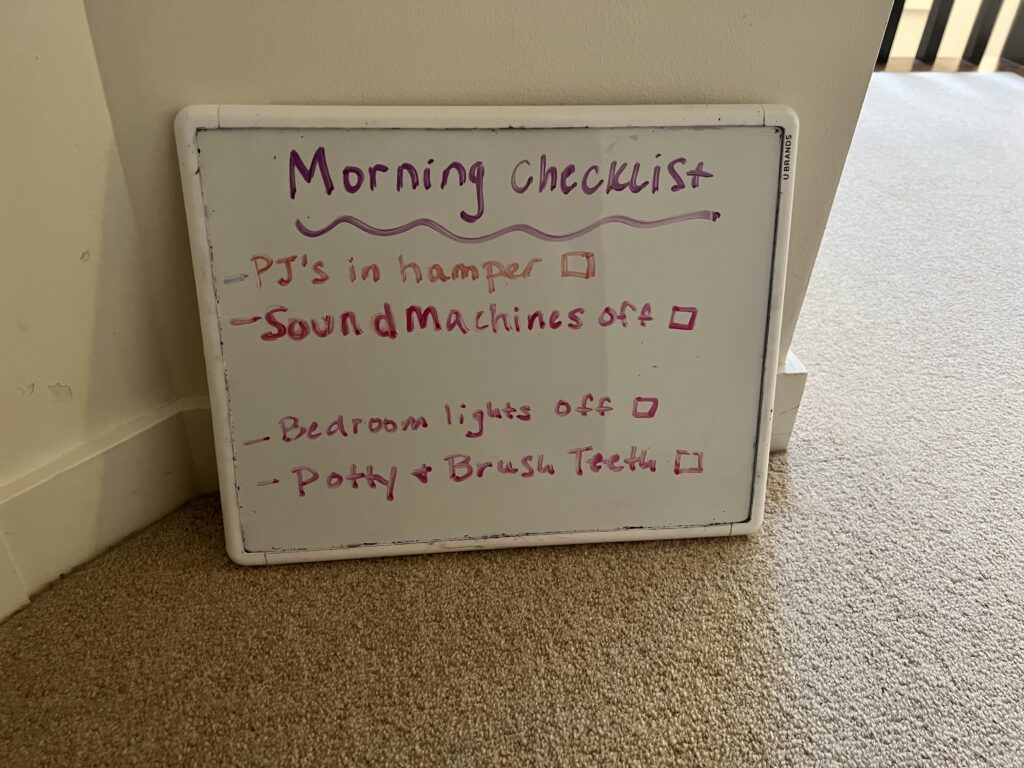
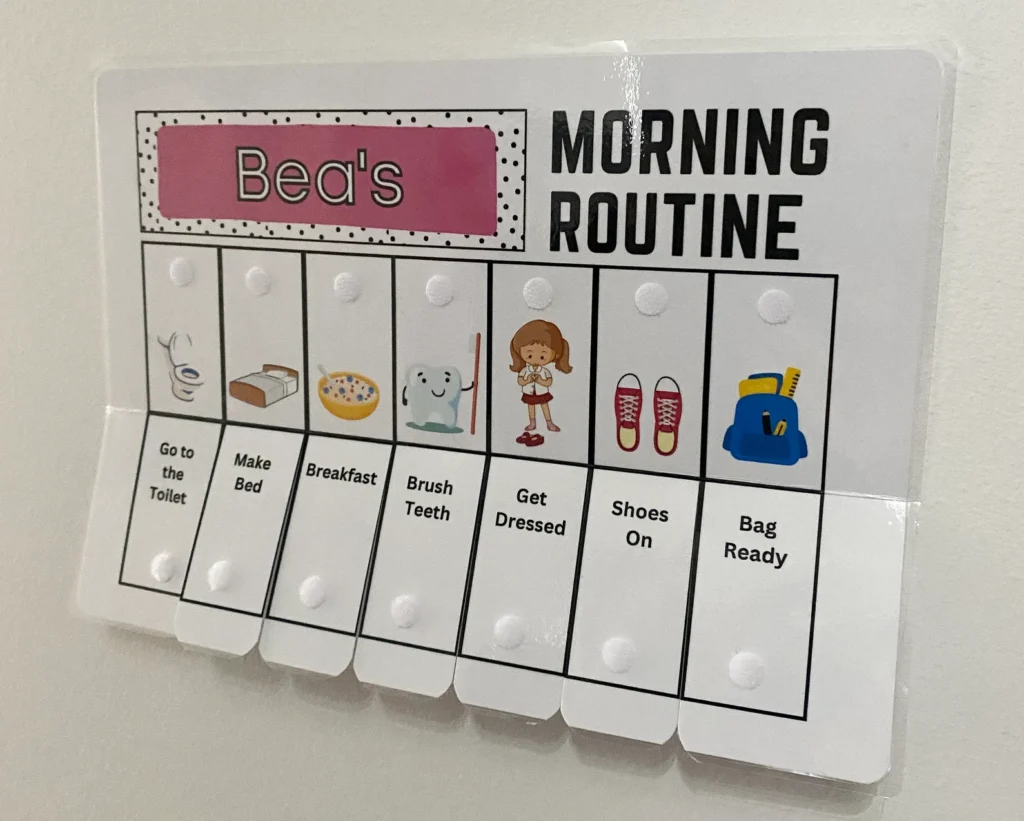
Checklists serve as external memory aids and provide a clear, sequential visual representation of morning responsibilities. These can range from simple handwritten lists on a dry-erase whiteboard placed strategically where children will see it (e.g., outside their bedroom door) to more sophisticated visual charts. For children who are not yet reading, pictorial checklists are highly effective, using images to represent tasks like "brush teeth," "get dressed," or "eat breakfast."

Checklists support the development of executive functions in children, including working memory and task initiation. They provide a sense of accomplishment as children mark off completed items, fostering independence and reducing the need for constant parental reminders. Reusable "Chore Charts" with sliding check boxes offer a tactile and satisfying way for children to track their progress. The act of physically moving a tab or marking an item provides concrete feedback on their achievements, reinforcing positive habits.
7. Nutritional Simplicity: Streamlining Breakfast
Mornings are not the opportune moment for elaborate culinary experimentation. Keeping breakfast simple, nutritious, and quick to prepare is essential for maintaining momentum. Options like peanut butter and banana toast, instant oatmeal, whole-grain toaster waffles, yogurt with granola, or avocado toast are examples of meals that provide sustained energy without demanding extensive preparation time.
The objective is to provide a balanced meal that fuels children for their day while minimizing delays. According to the Centers for Disease Control and Prevention (CDC), children who eat breakfast regularly tend to have better concentration, problem-solving skills, and academic performance. Prioritizing simple, accessible, and nutritious breakfast options ensures children are well-fed without adding undue pressure to the morning schedule. This strategy also helps avoid "hangry" meltdowns that can derail the entire routine.
Optimizing the Environment: Product Innovations for Efficiency
Beyond behavioral strategies, specific products can significantly enhance morning efficiency and ease:

- Hatch Rest (~$70): This "ok-to-wake" clock uses gentle light and sound cues (like a yellow light and chirping birds) to signal when it’s acceptable for children to leave their beds. It helps establish consistent wake-up times and encourages independent rising.
- Visual Timer Clock (~$ Varies): These timers, available in various designs, feature a colored disc that visually diminishes as time passes. They are invaluable for helping children, particularly those who don’t yet read numbers, understand how much time they have left for a task, fostering self-regulation and adherence to schedule.
- Kizik Sneakers (~$69): Designed for hands-free entry, these sneakers eliminate the need for laces or Velcro, allowing children to quickly slide them on. This small innovation can shave precious minutes off the "getting out the door" phase, reducing frustration for both children and parents.
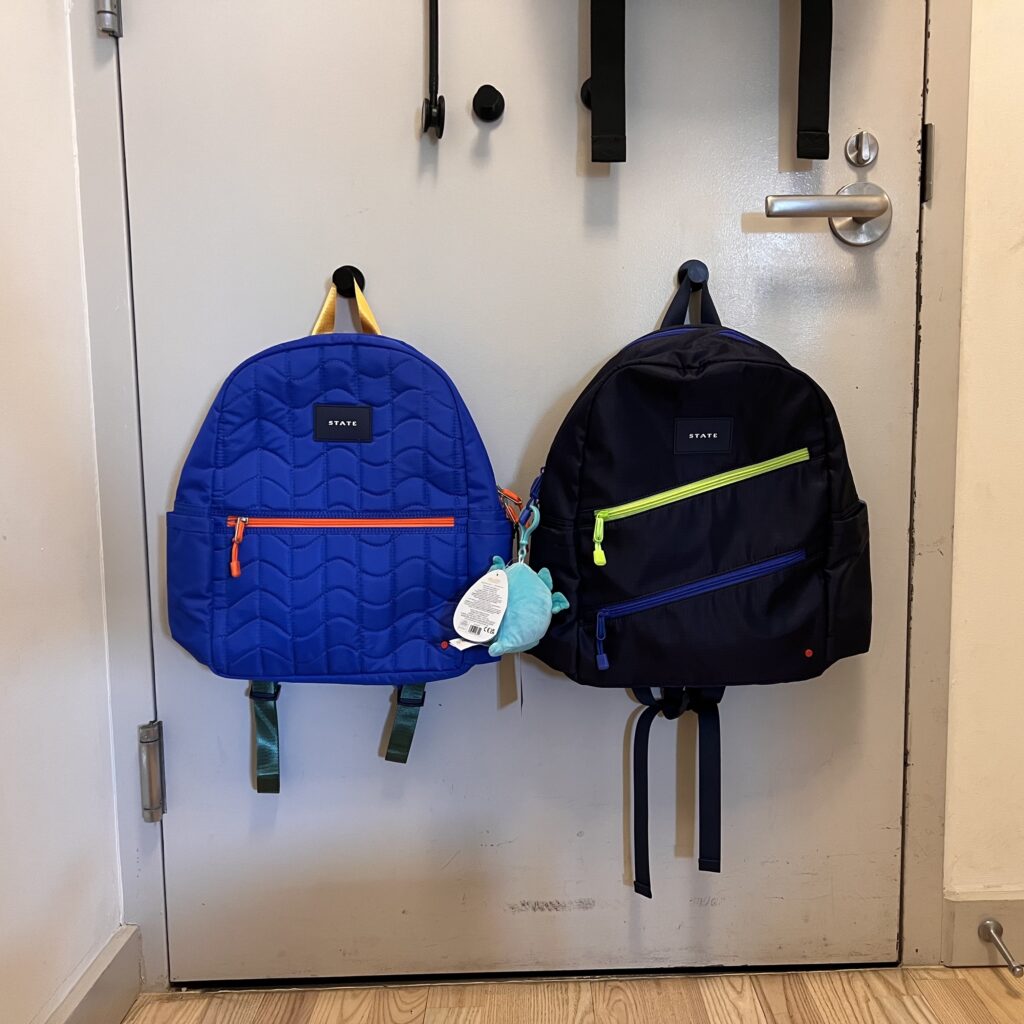
- Wall Hooks (~$ Varies): Strategically placed wall hooks at a child’s height in the entryway provide a designated, accessible spot for backpacks, coats, and lunch bags. This promotes independence and ensures essential items are easily grabbed on the way out, preventing last-minute searches.
- Dry Erase Whiteboard (~$6): A magnetic whiteboard can be placed on a fridge or wall to display a customizable morning checklist. It’s easy to update and can be used with written words for older children or simple drawings for younger ones, serving as a visual reminder of tasks.
- Chore Charts (~$17): These reusable charts often feature sliding tabs or magnetic pieces that children can move to indicate task completion. The tactile engagement and visual feedback provide a sense of accomplishment, reinforcing positive habits.
- Weekly Clothes Organizer (~$14): A hanging organizer with compartments for each day of the week allows parents (and children, with guidance) to plan and set out entire outfits for the school week in advance, eliminating daily clothing debates and decisions.
The Ripple Effect: Broader Implications for Family Life and Child Development
The concerted effort to streamline morning routines yields far-reaching benefits that extend beyond mere punctuality.
Enhanced Child Independence and Responsibility: By consistently engaging in routines and using tools like checklists and timers, children gradually internalize the sequence of tasks. This fosters a profound sense of self-sufficiency and responsibility, preparing them for greater independence in later life. They learn to manage their own time and prepare for upcoming events, crucial skills for academic and personal success.
Reduced Family Stress and Improved Harmony: A well-oiled morning machine significantly lowers household stress levels. When parents are less harried and children are less resistant, the overall family atmosphere becomes calmer and more positive. This reduction in daily friction can strengthen parent-child relationships and improve overall family cohesion, making the home a more peaceful environment.
Improved School Readiness and Attendance: Children who consistently arrive at school on time and well-prepared tend to be more engaged and ready to learn. Punctuality also instills respect for schedules and commitments, which are vital lessons for academic and professional life. Consistent routines contribute to better sleep hygiene, ensuring children are adequately rested and focused for their school day, positively impacting attendance and academic performance.
Long-term Skill Development: The strategies employed to master morning routines—planning, time management, self-regulation, and problem-solving—are foundational life skills. Children who develop these abilities early are better equipped to handle future challenges, adapt to new environments, and navigate the complexities of adolescence and adulthood with greater ease and confidence.

In conclusion, transforming chaotic mornings into calm, productive starts is an achievable goal for families. By adopting proactive strategies, utilizing practical tools, and maintaining a positive, consistent approach, parents can not only ensure their children arrive at school or daycare on time but also cultivate a host of invaluable life skills and foster a more harmonious family environment. The investment in a structured morning routine is ultimately an investment in the long-term well-being and development of both children and parents.