

The rising demand for nutrient-dense, convenient meal options for young children has led to a significant increase in the popularity of versatile, egg-based dishes such as Spinach Egg Muffins. These savory, bite-sized portions represent a intersection of culinary efficiency and pediatric nutrition, offering a high-protein, iron-rich alternative to traditional processed breakfast cereals. Designed specifically to accommodate the developmental needs of toddlers, these muffins provide a moist texture that facilitates easier mastication and swallowing, while simultaneously serving as a vehicle for essential leafy greens. As families increasingly prioritize "batch cooking" and meal-prep strategies to manage busy schedules, the Spinach Egg Muffin has emerged as a staple in modern household nutrition, functioning effectively across breakfast, lunch, and dinner menus.
Nutritional Analysis and Developmental Benefits
The primary appeal of the Spinach Egg Muffin lies in its dense nutritional profile, which addresses several critical areas of childhood development. According to pediatric nutrition guidelines, iron and protein are two of the most vital components for the physical and cognitive growth of toddlers. Eggs, the foundational ingredient of this recipe, are frequently cited by dietitians as a "gold standard" for protein quality, containing all nine essential amino acids required for tissue repair and muscle development.

Furthermore, the inclusion of spinach introduces significant levels of iron. However, nutritional science indicates that the iron found in plant-based sources—known as non-heme iron—is less readily absorbed by the human body than the heme iron found in animal products. To mitigate this, the recipe incorporates salsa, which is rich in Vitamin C. The chemical synergy between Vitamin C (ascorbic acid) and non-heme iron is well-documented; the acid helps to stabilize the iron and convert it into a form that the small intestine can absorb more efficiently. This strategic pairing makes the Spinach Egg Muffin an effective vegetarian source of iron, helping to combat iron deficiency, which remains a common concern in early childhood.
Based on standardized nutritional data, a serving of two mini muffins provides approximately 98 calories, 6 grams of protein, and 6 grams of fat. The inclusion of 1 milligram of iron and 88 milligrams of calcium per serving further supports bone health and blood oxygenation. For parents managing picky eating habits, the integration of finely chopped spinach into an egg matrix allows for the "stealth" introduction of vegetables, a common tactic recommended by child feeding specialists to increase dietary variety.
Chronology of Preparation and Culinary Standards
The production of Spinach Egg Muffins follows a streamlined, two-step process designed for maximum efficiency in a home or professional kitchen setting. The chronological development of the dish begins with the preparation of the batter, followed by a controlled baking period.

Phase 1: Preparation and Integration
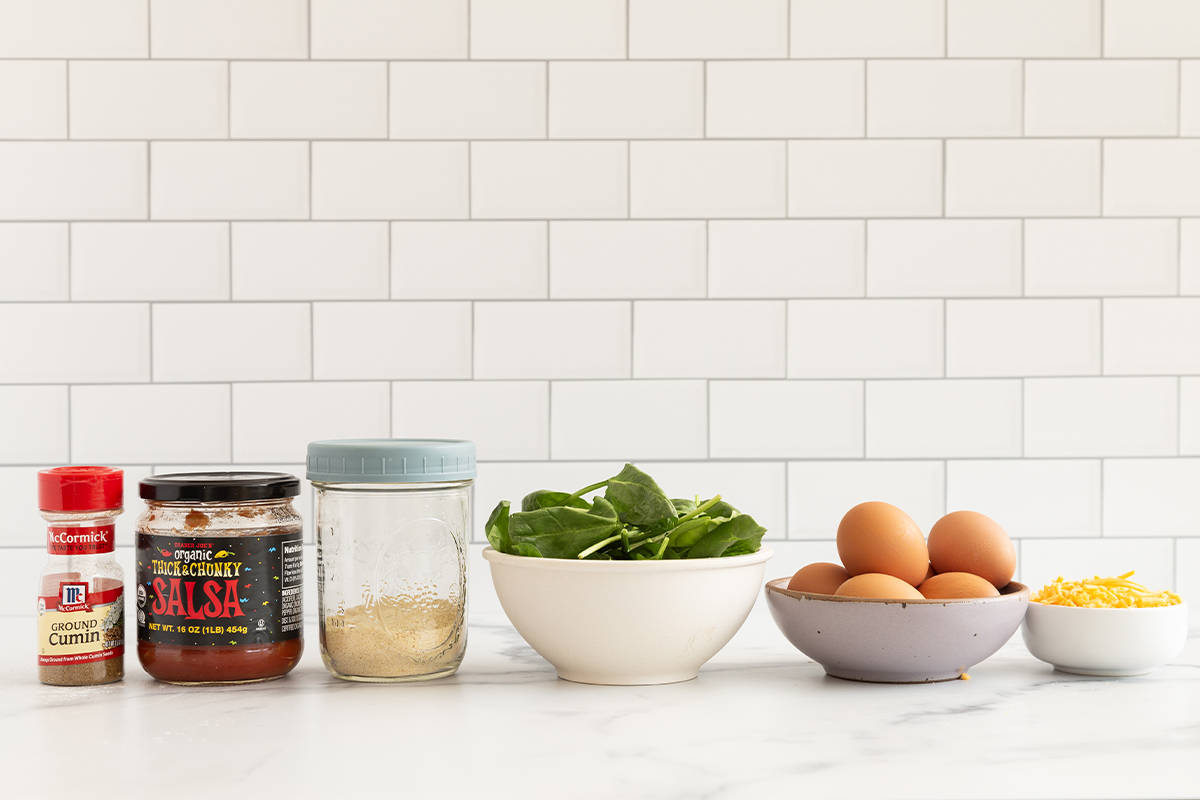
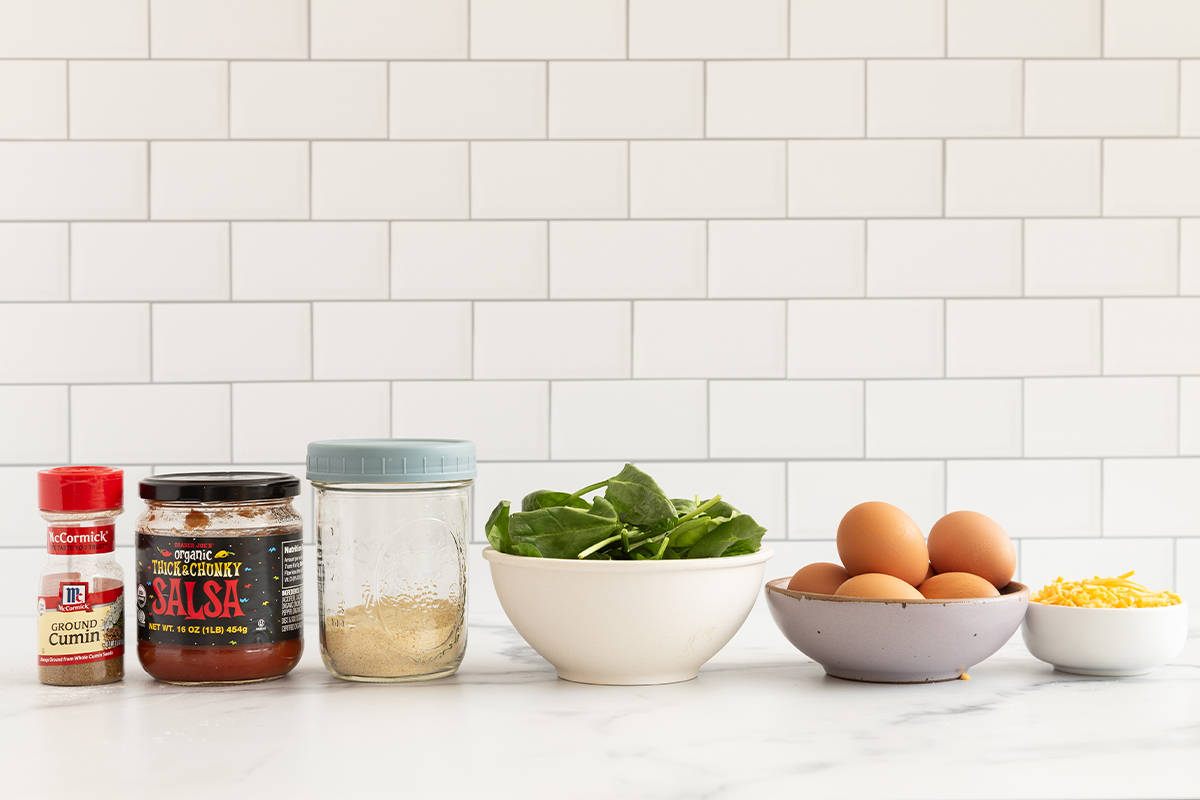
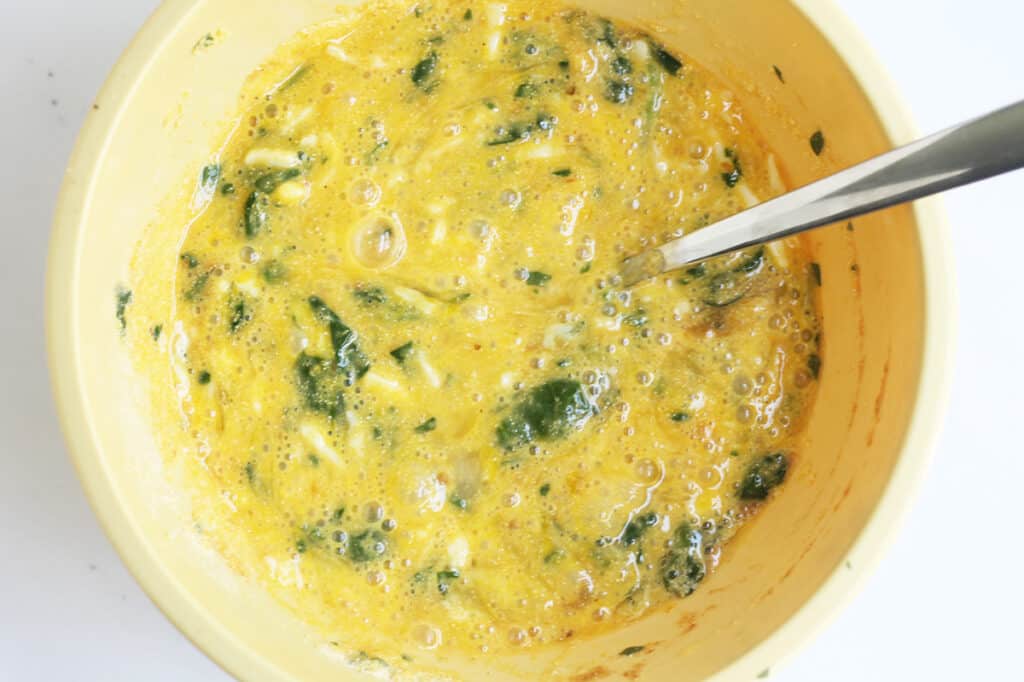
The initial phase involves the selection of high-quality ingredients, typically including large eggs, fresh or frozen spinach, salsa, and shredded cheese. If fresh spinach is utilized, culinary standards suggest a rough chop using kitchen shears to ensure even distribution throughout the muffin and to prevent large leaves from creating structural weaknesses in the finished product. The ingredients are whisked in a medium mixing bowl until the mixture is homogenous. This phase emphasizes the "all-in-one" method, which minimizes cleanup and reduces the risk of over-processing the delicate egg proteins.
Phase 2: Thermal Processing
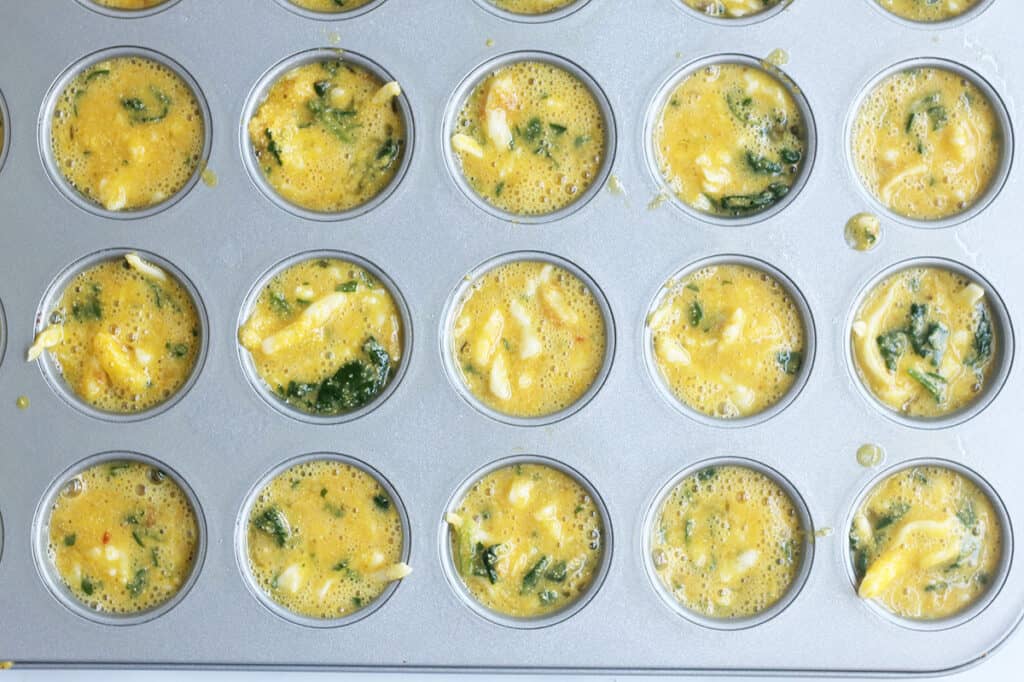
The second phase involves the transfer of the batter into a specialized mini muffin tin. A critical technical requirement for this recipe is the thorough greasing of the tin. Because egg-based batters are prone to sticking to metal surfaces due to their high protein content, the use of non-stick cooking spray or a high-quality non-stick tin is mandatory. Journalistic observation of culinary trends suggests that paper liners are often less effective for egg muffins, as the egg can bond to the paper, leading to significant product loss during peeling. The muffins are then baked until the internal temperature stabilizes and the eggs are fully set, resulting in a firm yet moist final product.
Strategic Meal Planning and Economic Utility
The Spinach Egg Muffin serves as a case study in the economics of time and resource management within the domestic sphere. The "make-ahead" nature of the recipe aligns with broader consumer trends toward weekend meal preparation. By dedicating 20 to 30 minutes on a Sunday to produce a batch of 12 to 24 muffins, caregivers can secure a reliable protein source for the duration of the work week.
From a food safety and preservation standpoint, the muffins exhibit high stability. They can be stored in an airtight container under refrigeration for up to five days. For long-term preservation, the muffins are compatible with freezing for up to six months, provided they are stored in vacuum-sealed or zip-top bags with excess air removed to prevent freezer burn. The ability to reheat the muffins in 15-second microwave increments ensures that nutritional quality is maintained without sacrificing convenience.
Dietary Accommodations and Substitution Efficacy
As the prevalence of food allergies and plant-based lifestyles continues to grow, the Spinach Egg Muffin recipe has proven adaptable to various dietary restrictions. Market data indicates a significant rise in the use of egg alternatives, such as "Just Egg," a mung bean-based liquid that mimics the coagulation properties of avian eggs.
Consumer feedback and culinary testing have confirmed that these muffins can be successfully replicated using vegan substitutes. By replacing traditional eggs with plant-based liquids and utilizing dairy-free cheese shreds, the recipe remains accessible to families managing egg or dairy allergies. This adaptability is crucial in educational and childcare settings, where allergen-friendly menus are often mandated by policy. The ability to maintain the structural integrity and flavor profile of the muffin while swapping core ingredients highlights the robustness of the original recipe’s design.
Broader Impact on Childhood Nutrition and Public Health
The promotion of recipes like Spinach Egg Muffins has broader implications for public health, particularly in the context of rising childhood obesity and the overconsumption of ultra-processed foods. By providing a savory, nutrient-dense alternative to sugar-laden breakfast options, such recipes contribute to the stabilization of blood glucose levels in children, potentially leading to improved focus and behavior in school environments.
Furthermore, the versatility of the muffin—serving as a main course or a portable snack—encourages the consumption of vegetables outside of traditional dinner times. Pediatricians often note that early exposure to savory flavors and varied textures can help prevent the development of "neophobia" (fear of new foods) as children age. The Spinach Egg Muffin, with its approachable form factor and customizable flavor profile (e.g., adding mild salsa for Vitamin C or guacamole for healthy fats), serves as a foundational tool for parents seeking to foster a positive relationship between their children and whole foods.
Official Responses and Expert Perspectives
While there is no single governing body for home-cooked recipes, the principles found in the Spinach Egg Muffin recipe align with the "MyPlate" guidelines issued by the United States Department of Agriculture (USDA). These guidelines emphasize the importance of making half of one’s plate fruits and vegetables and choosing lean protein sources.
Nutritionists specializing in early childhood development often advocate for "finger foods" that promote self-feeding and the development of fine motor skills. The mini muffin format is specifically highlighted by occupational therapists as an ideal size for a toddler’s pincer grasp. Additionally, the inclusion of salsa—a fermented or vinegar-based product depending on the brand—introduces mild acidity that can stimulate digestive enzymes, further aiding in the processing of the nutrient-dense ingredients.
In summary, the Spinach Egg Muffin is more than a simple culinary trend; it is a calculated response to the nutritional and logistical challenges of modern parenting. By combining scientific principles of nutrient absorption with the practical needs of meal prep and dietary flexibility, it provides a sustainable model for healthy family eating. As the culinary landscape continues to evolve, the emphasis on high-protein, vegetable-integrated snacks is expected to remain a cornerstone of pediatric dietary recommendations.