

Recent advancements in gastroenterology and molecular biology have illuminated the profound impact of the human microbiome on systemic health, revealing that gastrointestinal integrity extends far beyond the simple processing of nutrients. The human gut is home to approximately 100 trillion microorganisms, a complex ecosystem known as the microbiome, which plays a critical role in immune modulation, neurotransmitter production, and metabolic regulation. When this delicate balance is disrupted—a state clinically referred to as dysbiosis—the repercussions manifest through a variety of physiological and psychological symptoms. Understanding these indicators is essential for early intervention and the prevention of chronic inflammatory conditions.
The Evolution of Microbiome Research
The scientific community’s understanding of the gut has undergone a paradigm shift over the last two decades. Historically, bacteria within the human body were viewed primarily through the lens of pathology. However, the completion of the Human Microbiome Project and subsequent longitudinal studies have established that the vast majority of these microbes are commensal or symbiotic. Research now suggests that the gut-brain axis, a bidirectional communication network linking the enteric nervous system with the central nervous system, is a primary driver of overall wellness. As dietary patterns have shifted toward ultra-processed foods and antibiotic use has become more prevalent, the incidence of gut-related ailments has surged, prompting a renewed focus on clinical markers of imbalance.
Primary Clinical Indicators of Gut Dysbiosis
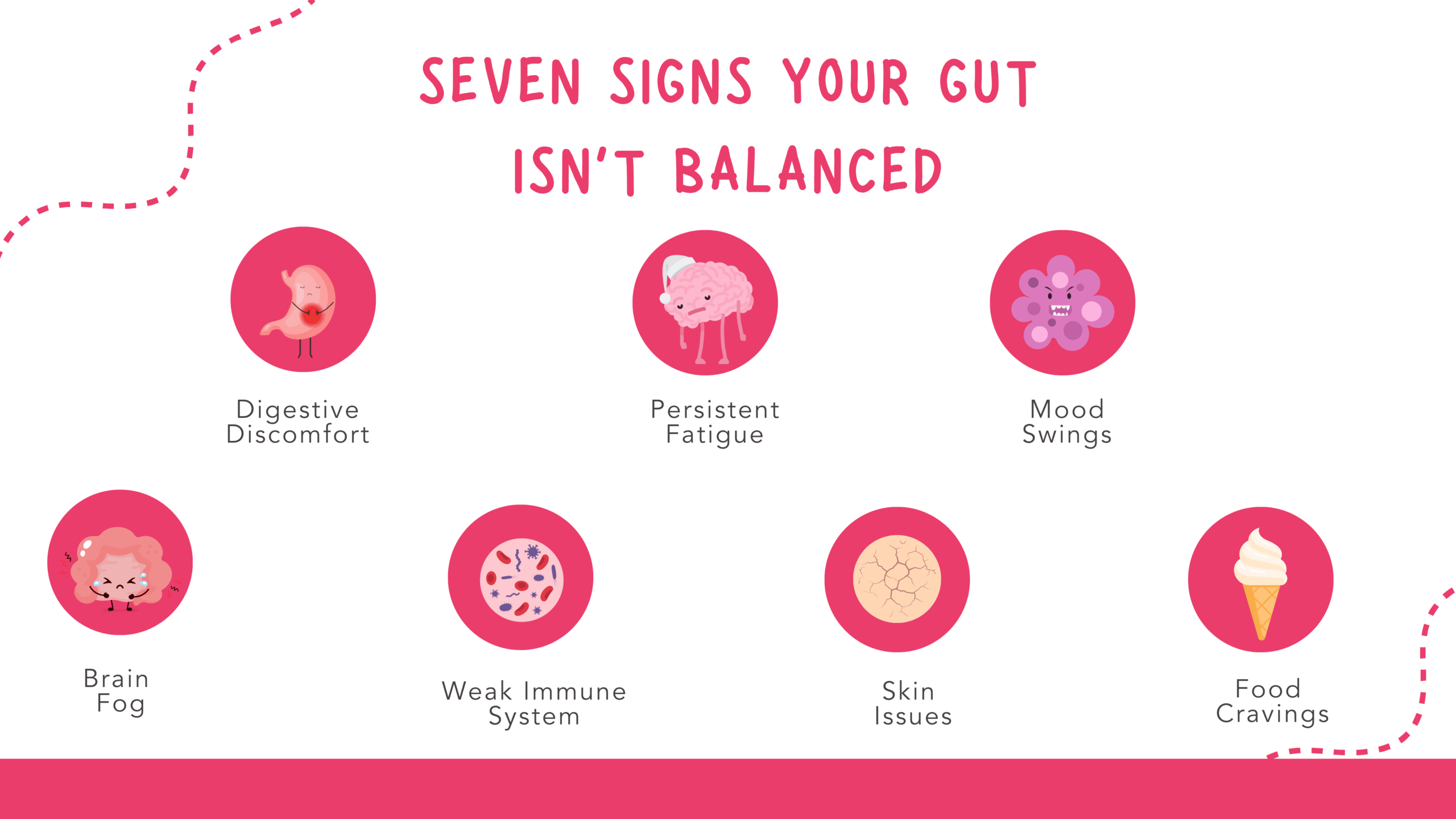
Clinical observation and patient data suggest seven primary signs that an individual’s internal microbial ecosystem is in a state of disequilibrium. These symptoms often overlap, creating a multifaceted clinical profile that requires a holistic approach to treatment.
1. Chronic Gastrointestinal Distress
The most immediate signs of dysbiosis are localized to the digestive tract. Frequent bloating, flatulence, constipation, and diarrhea are not merely inconveniences but are often the result of malabsorption or the overgrowth of pathogenic bacteria. When the microbiome is imbalanced, the fermentation of carbohydrates can occur prematurely or excessively, leading to the production of gases that cause abdominal distension. Furthermore, an absence of beneficial strains can slow transit time, leading to chronic constipation, or irritate the intestinal lining, resulting in diarrhea.
2. Persistent Fatigue and Mitochondrial Dysfunction
Emerging research indicates a strong correlation between gut health and systemic energy levels. Chronic fatigue syndrome (CFS) has been increasingly linked to alterations in gut microbiota. A study published in the journal Microbiome noted that a significant percentage of individuals with chronic fatigue also met the diagnostic criteria for Irritable Bowel Syndrome (IBS). It is theorized that increased intestinal permeability—commonly known as "leaky gut"—allows bacterial toxins (lipopolysaccharides) to enter the bloodstream, triggering a low-grade inflammatory response that exhausts the body’s metabolic resources and impairs mitochondrial function.
3. Neuropsychological Fluctuations and the Serotonin Connection
The gut-brain axis serves as a superhighway for chemical signaling. Notably, approximately 95% of the body’s serotonin, a key neurotransmitter responsible for mood stabilization, is synthesized in the gut rather than the brain. Consequently, dysbiosis can lead to significant mood swings, heightened anxiety, and depressive symptoms. When the microbial population is skewed, the production of these vital neurotransmitters is compromised, directly impacting the host’s psychological resilience and emotional regulation.
4. Pathological Food Cravings
The microbiome has been shown to exert influence over host dietary choices. Certain yeast species and pathogenic bacteria thrive on simple sugars and refined carbohydrates. Through the production of signaling molecules that mimic human hunger hormones, these microbes can manipulate the host’s cravings to ensure their own survival. This creates a feedback loop where poor dietary choices fuel the growth of harmful bacteria, which in turn demand more of the substances that further degrade the gut environment.
5. Dermatological Manifestations and the Gut-Skin Axis
The skin often serves as a mirror for internal health. Inflammatory skin conditions such as eczema, psoriasis, and acne are frequently rooted in gut inflammation. When the intestinal barrier is compromised, the resulting systemic inflammation can manifest as cutaneous eruptions. Clinical trials have demonstrated that certain probiotic strains can mitigate the severity of these conditions by strengthening the gut lining and modulating the systemic immune response.
6. Compromised Immunological Defense
The gut-associated lymphoid tissue (GALT) houses approximately 70% to 80% of the human immune system. Therefore, the microbiome is the primary training ground for immune cells. A diverse and balanced microbiome prevents the over-sensitization of the immune system and protects against pathogens. Individuals with dysbiosis often report frequent infections, such as the common cold or sinus issues, as their primary line of defense is weakened by the internal microbial imbalance.
7. Cognitive Impairment and "Brain Fog"
Cognitive functions, including focus, memory, and mental clarity, are deeply influenced by gut metabolites. "Brain fog" is often a symptom of neuroinflammation caused by gut-derived toxins crossing the blood-brain barrier. When the gut is in a state of dysbiosis, the production of short-chain fatty acids (SCFAs), which are essential for maintaining the integrity of the blood-brain barrier, is often diminished, leading to cognitive lethargy and difficulty concentrating.
Therapeutic Interventions and Microbiome Restoration
Restoring balance to the microbiome requires a multifaceted strategy involving dietary modification, lifestyle adjustments, and targeted supplementation.
The Critical Role of Dietary Fiber
Fiber serves as the primary fuel source for beneficial gut bacteria. The modern Western diet often falls significantly short of the recommended daily intake. For women, the clinical recommendation is approximately 25 grams per day, yet the average intake is closer to 15 grams. Increasing the consumption of prebiotic fibers—found in legumes, whole grains, and exotic fruits like baobab—is essential. Baobab fruit fiber, in particular, has gained attention for its high concentration of soluble and insoluble fibers, which facilitate the production of SCFAs and support the growth of Bifidobacteria.
Incorporation of Fermented Foods
Probiotic-rich foods are traditional staples that provide live cultures to the digestive tract. Foods such as raw sauerkraut, kimchi, kefir, and kombucha introduce diverse strains of beneficial bacteria. These "nature-made" probiotics help to outcompete pathogenic species and lower the pH of the colon, creating an environment that is less hospitable to harmful microbes.
Hydration and Mucosal Integrity
Water is essential for the maintenance of the mucosal lining of the intestines. This lining acts as a physical barrier against pathogens and a medium for nutrient absorption. Adequate hydration, supplemented with electrolytes or trace minerals found in sea salt, ensures that the digestive tract remains lubricated and that fiber can move efficiently through the system, preventing the stagnation that leads to bacterial overgrowth.
Targeted Probiotic Supplementation
While dietary sources are foundational, therapeutic doses of probiotics are often necessary to correct significant dysbiosis. Modern formulations, such as those providing 50 billion Colony Forming Units (CFUs) across multiple strains, offer a concentrated intervention. Strains such as Lactobacillus rhamnosus and Bifidobacterium lactis have been extensively studied for their ability to survive the acidic environment of the stomach and colonize the lower intestine. For women, specialized formulas often include strains that also support the vaginal microbiome, highlighting the interconnectedness of various bodily systems.
Market Trends and Public Health Implications
The global probiotic market is projected to reach over $90 billion by 2030, reflecting a growing public awareness of the microbiome’s importance. This trend is driven by a shift toward preventive medicine and a desire for natural alternatives to pharmaceutical interventions for GI issues. Public health officials are increasingly recognizing that addressing gut health could alleviate the economic burden of chronic inflammatory diseases.
As the medical community continues to map the complexities of the human microbiome, the integration of gut health assessments into routine physical exams may become standard. The transition from reactive treatment to proactive microbiome management represents a significant milestone in 21st-century medicine. By recognizing the early signs of imbalance—from fatigue to digestive distress—individuals can take decisive action to restore their internal ecology, leading to long-term improvements in both physical and mental health.
In conclusion, the state of the gut is a primary determinant of systemic vitality. Through the strategic use of prebiotics, probiotics, and lifestyle modifications, it is possible to reverse the effects of dysbiosis and establish a robust, resilient microbiome. The evidence is clear: a healthy life begins with a healthy gut.