

The evolution of pediatric nutrition has increasingly shifted toward whole-food, nutrient-dense options that facilitate developmental milestones such as self-feeding and sensory exploration. Among the emerging dietary solutions for young children, Salmon Rice Balls have gained prominence as a versatile meal that combines essential macronutrients with a format conducive to toddler motor skills. By integrating high-quality protein, omega-3 fatty acids, and fibrous vegetables into a cohesive, easy-to-grip sphere, this culinary method addresses common parental concerns regarding "picky eating" and nutritional gaps during the critical early years of growth.
The Nutritional Profile and Composition of Salmon-Based Finger Foods
The primary appeal of the Salmon Rice Ball lies in its dense nutritional matrix. According to standardized dietary data for this preparation, a typical serving provides approximately 270 calories, 51 grams of carbohydrates, and 7 grams of protein. While the carbohydrate content provides the necessary glucose for a toddler’s high metabolic demands, the inclusion of salmon introduces high-quality protein and essential fatty acids.

Salmon is frequently cited by pediatricians and nutritionists as a "superfood" for brain development. It is rich in Docosahexaenoic acid (DHA), an omega-3 fatty acid that is fundamental to the structural development of the brain and retina. When combined with avocado—a source of monounsaturated fats—the meal becomes a potent delivery system for lipids that support cognitive function and long-term heart health. Furthermore, the inclusion of broccoli ensures a supply of Vitamin C and Vitamin A (68 IU), alongside 8 mg of Vitamin C per serving, which are vital for immune support and bone health.
Developmental Milestones and the Mechanics of Self-Feeding
From a developmental perspective, the transition from purees to solid finger foods is a significant phase in a child’s life. Between the ages of 9 and 18 months, toddlers refine their pincer grasp and learn to manage different textures. Regular rice can often be difficult for small children to navigate with utensils or hands, leading to frustration and mealtime refusal.
The structural integrity of the rice ball, achieved through the mashing of ripe avocado and the use of warm, slightly sticky rice, creates a "binder" that keeps the ingredients together. This allows the child to successfully pick up and consume the meal without it disintegrating. Experts in occupational therapy note that such "hand-held" meals encourage independence and reduce the sensory overwhelm that can occur when multiple loose ingredients are presented on a plate.

Chronology of Preparation and Culinary Synergy
The production of Salmon Rice Balls follows a systematic process designed for efficiency and food safety. The method is optimized for modern households where time-sensitive meal preparation is a priority.
- Component Preparation: The process begins with the cooking of the core elements—short-grain or sushi rice, steamed broccoli, and pan-seared or baked salmon. Utilizing leftovers is a recommended strategy for reducing food waste and preparation time.
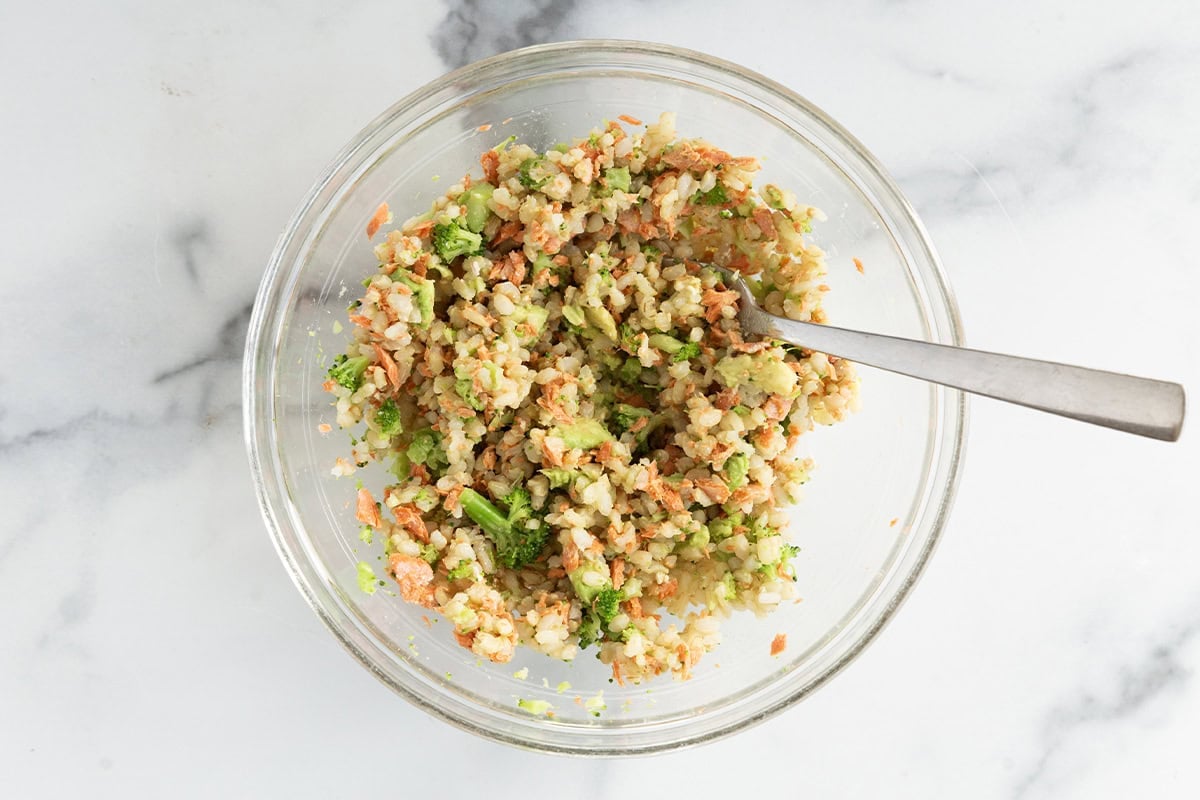
- Ingredient Integration: Once the components are cooled to a safe handling temperature, they are combined in a mixing vessel. At this stage, the avocado is introduced. The ripeness of the avocado is critical; a soft texture allows it to act as a natural adhesive.
- The Mashing and Binding Phase: Using a fork, the avocado is lightly mashed into the rice and salmon flakes. This creates a homogeneous mixture where the fats from the fish and avocado coat the rice grains.
- Formation: The final step involves manual compression. Using a small scoop or tablespoon, the mixture is pressed into spheres. Physical pressure is required to ensure the balls do not crumble during consumption.
This chronology highlights a shift toward "pre-assembled" nutrition, where the complexity of a balanced meal is simplified into a single, manageable unit.
Economic and Dietary Considerations for Families
While salmon is a premium protein source, the recipe allows for economic flexibility. Consumer advocates and nutritionists suggest that farm-raised or canned salmon can be used as cost-effective alternatives to wild-caught fillets without sacrificing the core nutritional benefits. Canned salmon, in particular, often includes softened bones that, when mashed, provide an additional source of calcium (24 mg per serving).

Furthermore, the recipe is adaptable to common pediatric allergies. While sesame oil and seeds are often included for flavor and healthy fats, they are frequently identified as allergens. Substitutions such as avocado oil, melted coconut oil, or butter are viable alternatives that maintain the caloric density and flavor profile required for toddler acceptance.
Food Safety, Storage, and Oxidation Management
A critical challenge in preparing meals containing avocado and seafood is the rate of oxidation and spoilage. Avocado flesh browns quickly when exposed to oxygen due to the enzyme polyphenol oxidase. To mitigate this, the application of a small amount of lime or lemon juice—rich in ascorbic acid—is recommended. This antioxidant treatment preserves the aesthetic appeal of the meal, which is often a deciding factor in child acceptance.
From a safety standpoint, seafood must be handled with care. The Salmon Rice Balls are designed to be stored in an airtight container for no more than 24 hours. They can be served cold or at room temperature, making them an ideal candidate for daycare lunches or "on-the-go" snacking. However, maintaining a proper cold chain until the point of consumption is essential to prevent bacterial growth.

Broader Implications for Pediatric Dietary Patterns
The rise of recipes like Salmon Rice Balls reflects a broader trend in the "clean label" movement for children. As parents become more wary of processed, high-sodium "kid meals," there is a growing demand for whole-food alternatives that are easy to prepare.
Analysis of current dietary trends suggests that introducing complex flavors—such as the umami of salmon and the nuttiness of sesame—early in life can reduce the likelihood of neophobia (the fear of new foods) in later childhood. By embedding vegetables like broccoli within the rice ball, the meal also utilizes "stealth health" tactics, ensuring that even children who are hesitant to eat greens receive their daily fiber and micronutrients.
Official Responses and Expert Perspectives
Nutritionists from various pediatric health organizations emphasize that the goal of toddler meals should be "exposure and exploration." While a child may not consume the entire serving every time, the presence of various textures and colors is vital.

"The combination of healthy fats and protein in a finger-food format is a significant win for parental convenience and child nutrition," states a consensus among dietary consultants. "It moves away from the ‘beige diet’ of crackers and nuggets, introducing high-value nutrients in a way that respects the child’s developing motor skills."
Conclusion: A Model for Functional Nutrition
Salmon Rice Balls represent more than just a recipe; they are a model for functional pediatric nutrition. By addressing the physical limitations of toddler feeding while maximizing the density of essential nutrients like DHA and protein, this meal format supports both the biological and developmental needs of growing children.
As the culinary landscape continues to evolve, the emphasis on portable, nutrient-rich, and allergen-adaptable foods is expected to grow. The Salmon Rice Ball stands as a testament to the fact that nutritious food does not have to be complicated, and that even the youngest consumers can enjoy sophisticated, health-promoting ingredients when presented in the correct format. With a balance of 270 calories and a wealth of vitamins and minerals, it remains a gold standard for early childhood meal planning.