

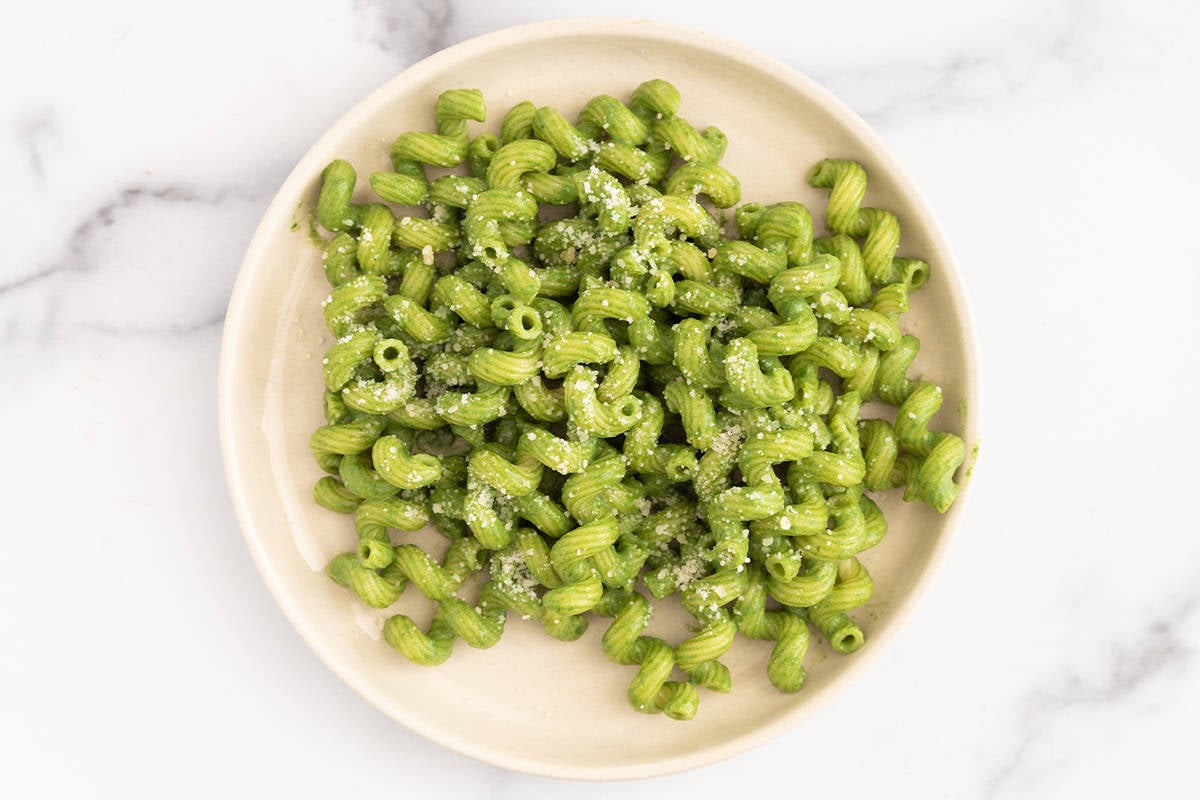
As the annual celebration of St. Patrick’s Day approaches, a growing movement in pediatric nutrition is shifting the focus from traditional, often heavy, Irish fare toward innovative, vegetable-forward culinary options designed specifically for children. While the holiday has historically been associated with corned beef, cabbage, and soda bread, modern dietary trends emphasize the use of natural pigments—primarily from leafy greens—to create festive, "clover-colored" meals that meet rigorous nutritional standards. This transition reflects a broader effort by health educators and parents to utilize holiday themes as a vehicle for reducing food neophobia, the common childhood fear of new or green foods, by associating them with celebration and play.
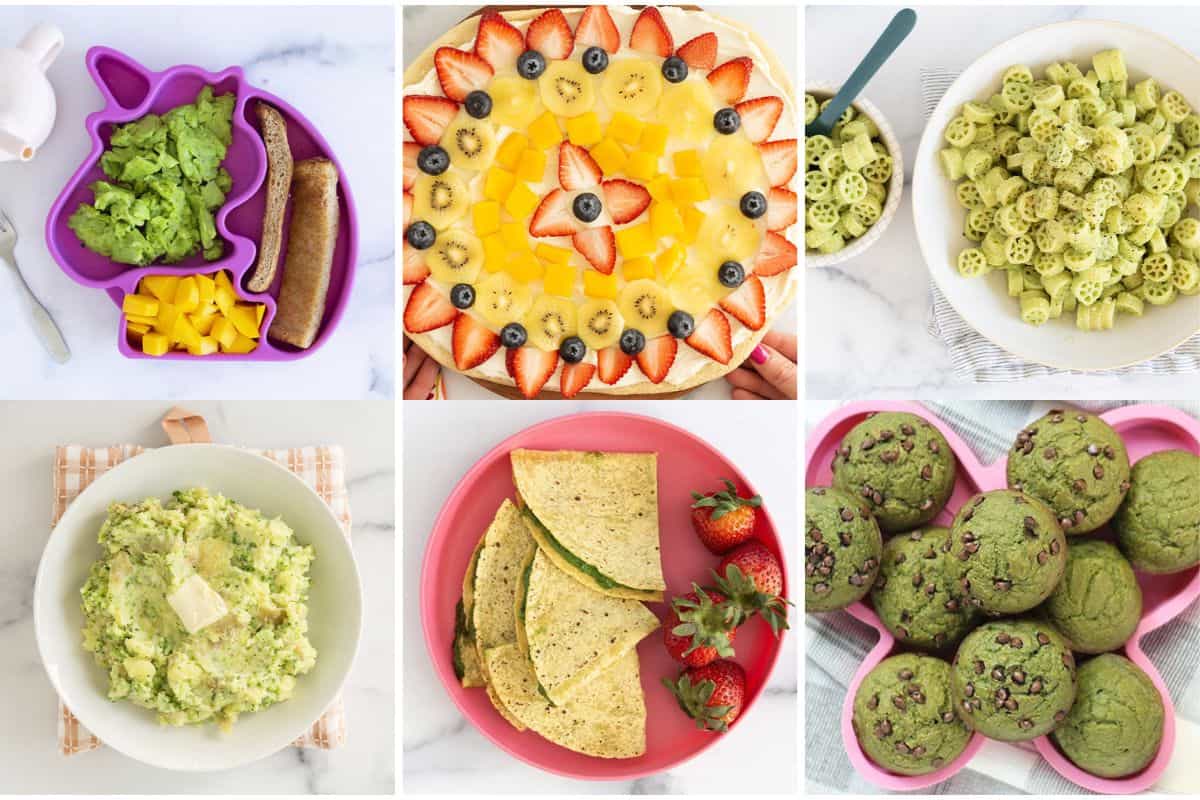
The Evolution of the St. Patrick’s Day Culinary Landscape
St. Patrick’s Day, observed annually on March 17, commemorates the patron saint of Ireland. Historically, the holiday was a religious feast day, but over centuries, it evolved into a global celebration of Irish culture. In the United States, the tradition of eating "green" food gained momentum in the mid-20th century, often involving the use of synthetic food dyes. However, recent data from the Centers for Disease Control and Prevention (CDC) indicates that only approximately 1 in 10 children meet the daily recommended intake of vegetables. In response, nutritionists are advocating for a "functional festive" approach, replacing artificial colorants with nutrient-dense ingredients like spinach, kale, and broccoli.
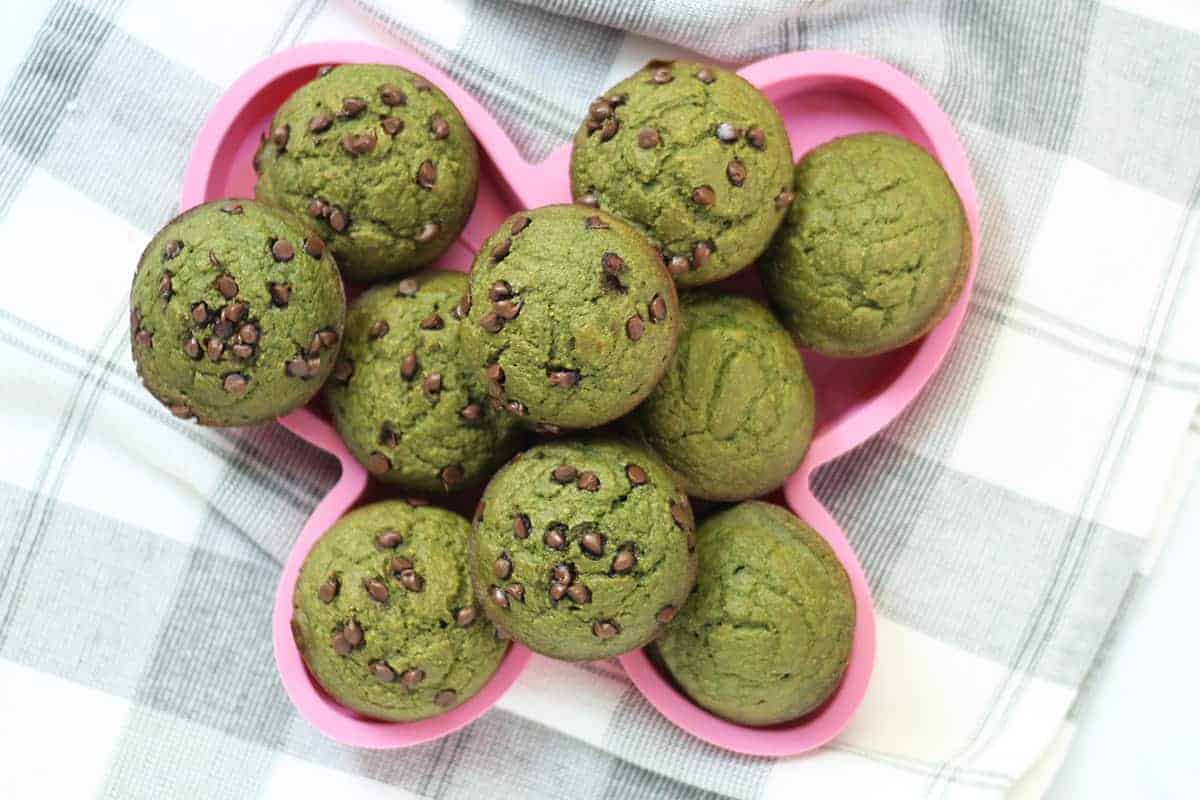
This shift is not merely aesthetic; it is a strategic intervention. By integrating high-fiber and iron-rich vegetables into familiar formats—such as muffins, pancakes, and pasta sauces—caregivers can improve a child’s nutrient profile without the sensory aversions often triggered by whole vegetables. The "Green Food" initiative for St. Patrick’s Day 2024 focuses on several key categories: nutrient-dense breakfasts, vegetable-fortified lunch and dinner entrees, and antioxidant-rich "rainbow" snacks.

Strategic Nutrient Integration in Breakfast Formats
The first meal of the day provides a critical window for establishing blood sugar stability and cognitive focus in toddlers and school-aged children. Traditional festive breakfasts often rely on high-sugar cereals or dyed pastries. The modern journalistic consensus among health advocates points toward the "Blender Method" as a superior alternative.
One of the most effective recipes in this category is the Sweet Spinach Muffin with Banana. Utilizing a blender to emulsify fresh spinach with ripe bananas creates a smooth, vibrant green batter that conceals the texture of the greens. Bananas provide natural sweetness and potassium, while the spinach introduces essential iron and Vitamin A. Because the interior remains moist, these muffins are particularly suitable for babies and toddlers who are still developing mastication skills.

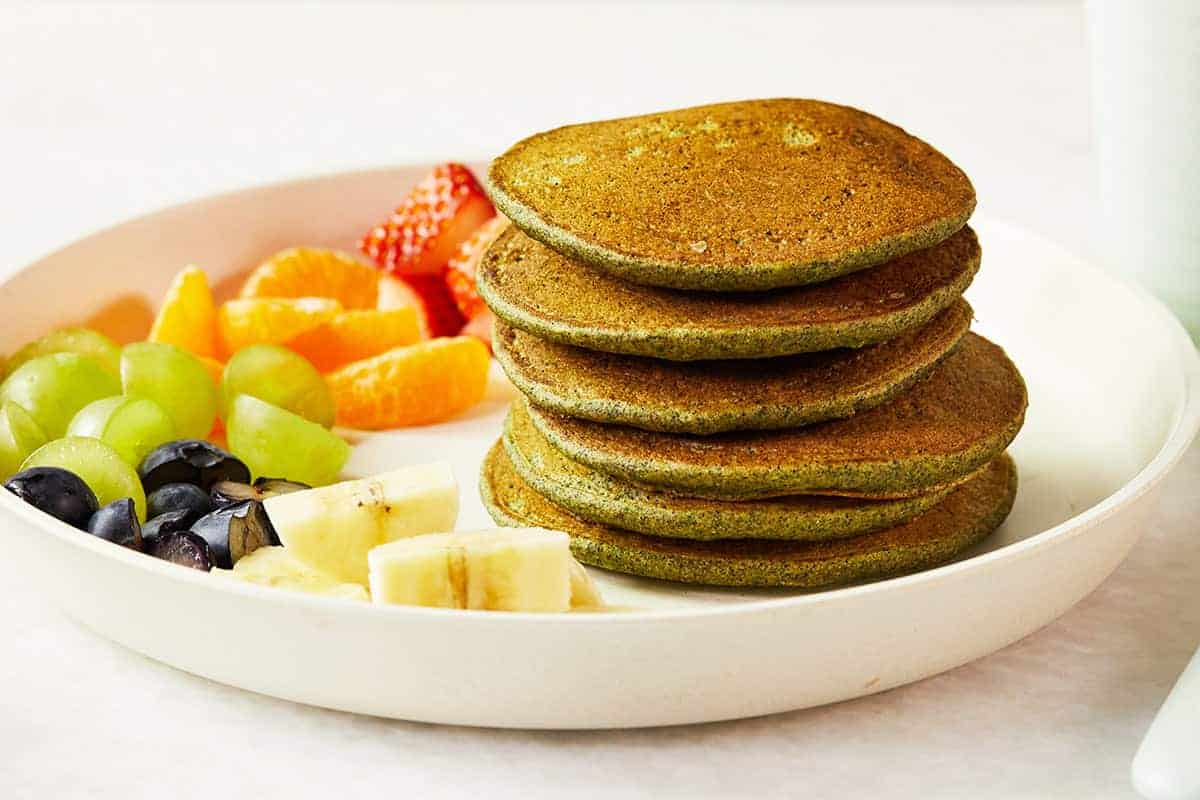
Similarly, Banana Spinach Pancakes have emerged as a staple for holiday-themed wellness. The technical challenge of these pancakes lies in the batter consistency; a thinner batter ensures a tender texture that is easy for young children to digest. Nutritional analysis suggests that by incorporating a "big handful" of spinach into a standard pancake base, caregivers can provide a significant portion of a child’s daily folate requirement before they leave the house for school.
Main Course Innovations: The "Hidden Green" Strategy
Lunch and dinner during the St. Patrick’s Day period offer opportunities to redefine classic comfort foods. The primary objective is to maintain the "green" theme while ensuring the meal remains satiating and balanced.

-
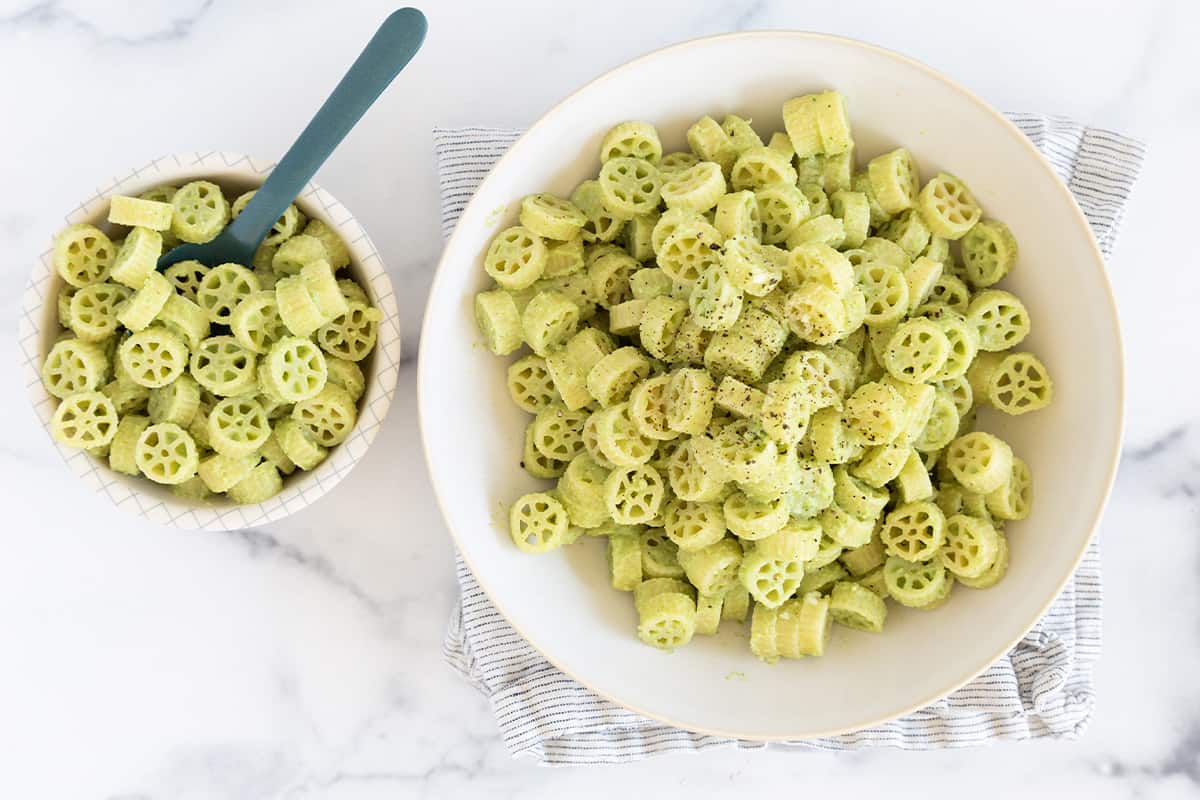
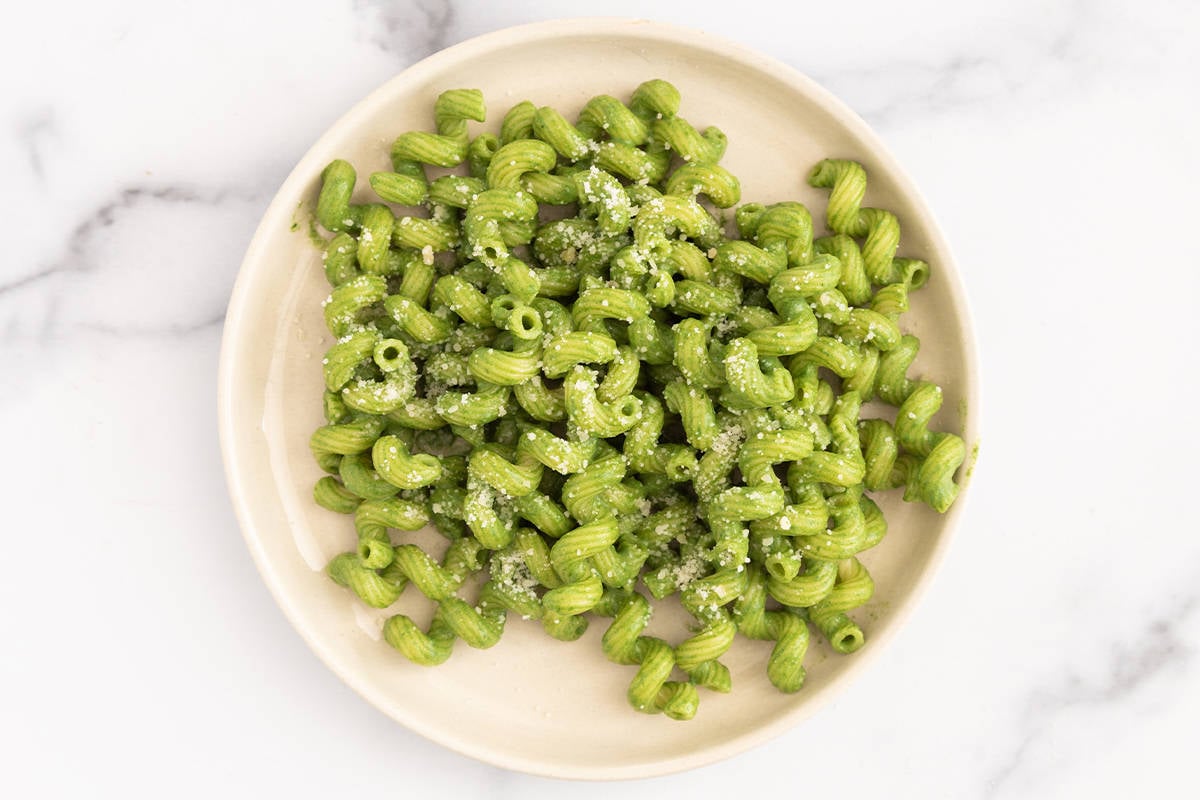
Green Pasta Systems: Pasta serves as a neutral canvas for nutritional fortification. Two primary sauces have gained popularity: a cheese-based "Easy Green Pasta Sauce" and a more concentrated "Spinach Pasta Sauce." The former incorporates a blend of two vegetables—often broccoli and spinach—into a traditional macaroni and cheese framework. This "power-packed" sauce is designed to be made in batches and frozen, providing a long-term solution for busy households. The latter focuses on a creamy texture that adheres to various noodle shapes, ensuring that even picky eaters receive a dose of phytonutrients with every bite.
-
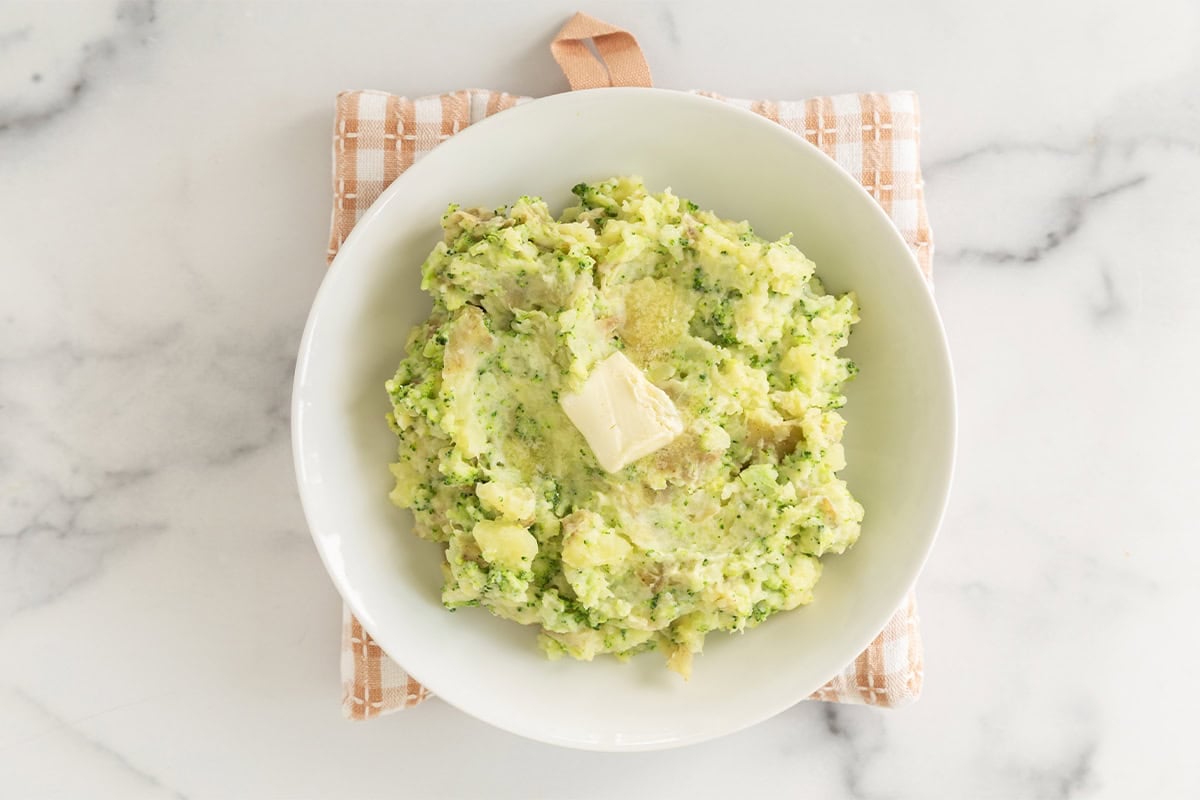
Consolidated Side Dishes: A notable trend in time-saving culinary techniques is the "Healthy Mashed Potatoes with Broccoli" method. By boiling and mashing broccoli alongside potatoes, the two sides are merged into a single, creamy, green-flecked mash. This reduces the number of dishes prepared while ensuring that the fiber content of the meal is significantly higher than that of traditional mashed potatoes.

-
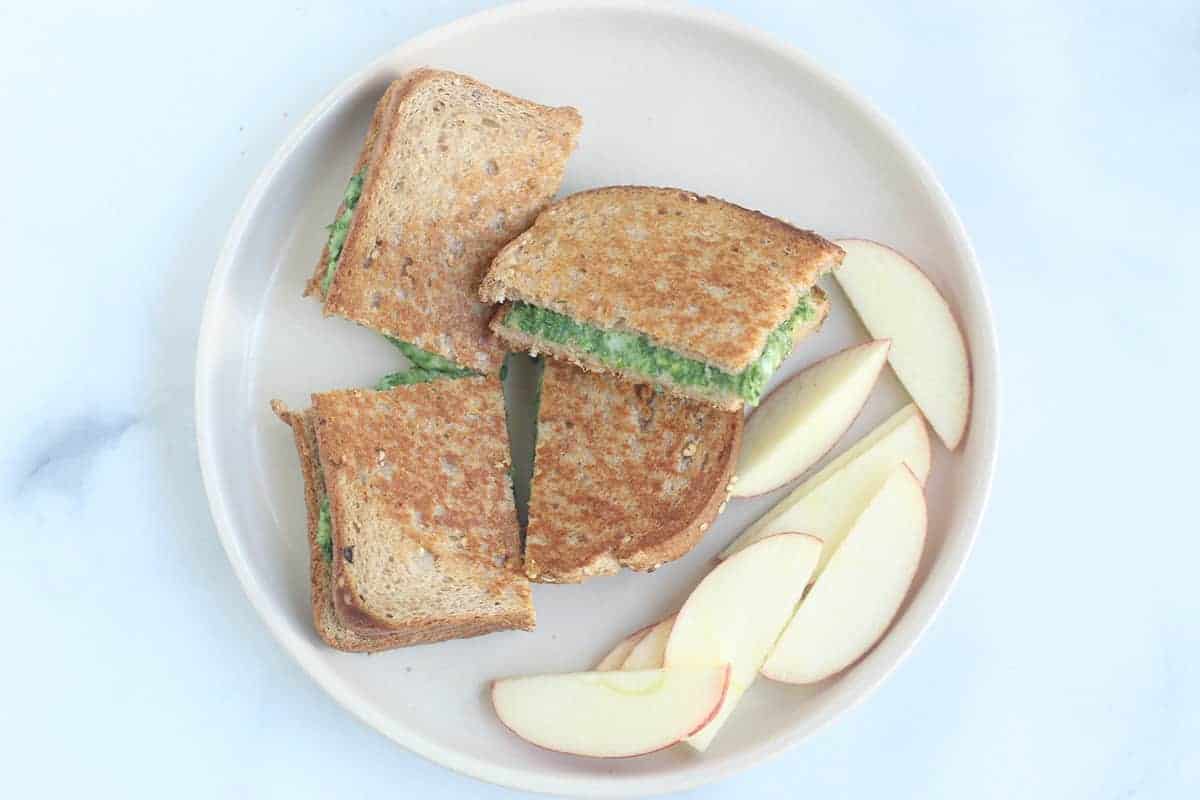
Protein-Packed Handhelds: Spinach Quesadillas and Spinach Grilled Cheese represent a "familiar food" strategy. By layering finely chopped or blended spinach within melted cheese, the vegetable becomes a structural component of the sandwich. These options are particularly high in protein and calcium, and the addition of spinach provides a boost of Vitamin K, which is essential for bone health in growing children.
The Science of "Rainbow" Nutrition and Antioxidant Intake
Beyond the color green, the legend of the "pot of gold at the end of the rainbow" provides a thematic opening to introduce a variety of fruits. This is scientifically supported by the "Eat the Rainbow" initiative, which encourages the consumption of different colored plant foods to ensure a broad spectrum of antioxidants and phytochemicals.
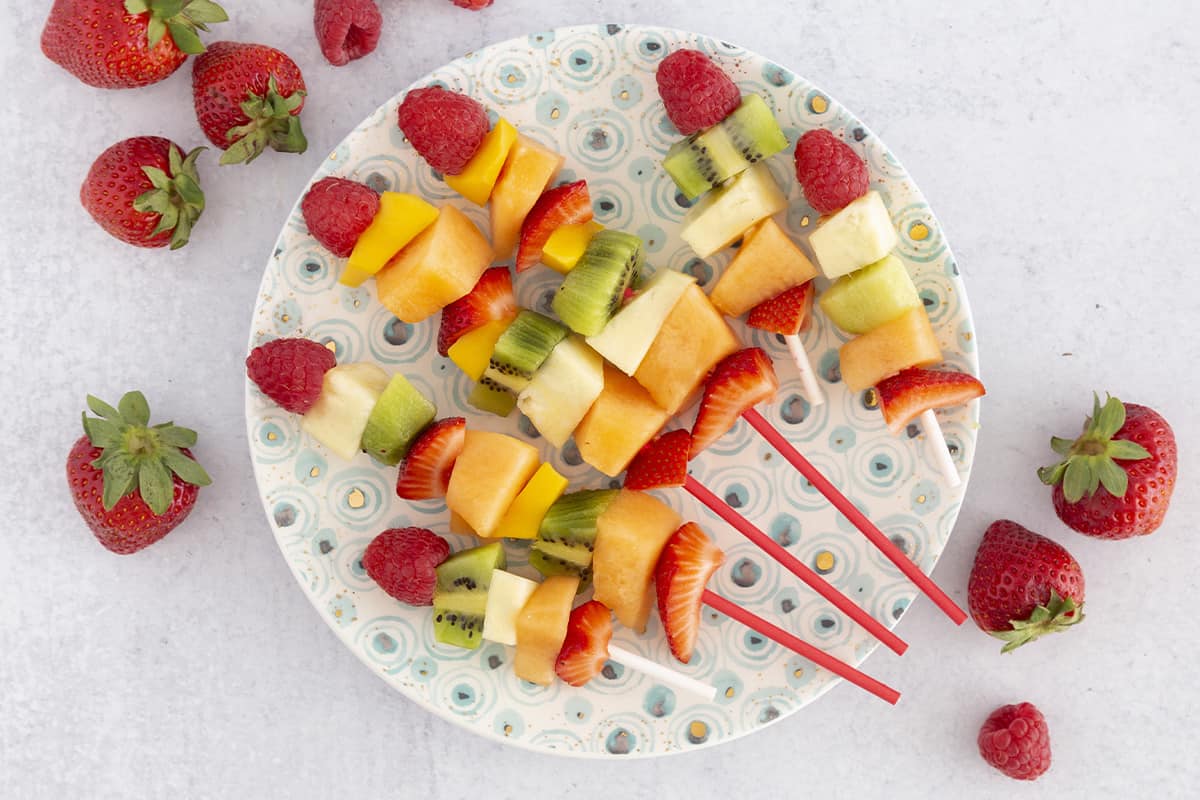
The "Favorite Fruit Stick" or "Fruit Wand" is a primary example of this strategy. By threading different colored fruits—such as strawberries (red), oranges (orange), pineapple (yellow), grapes (green), and blueberries (blue/purple)—onto a skewer, parents can make fruit consumption an engaging activity. This method has been shown to increase the willingness of children to try less familiar fruits.

Furthermore, the "Easy Fruit Pizza" utilizes a sugar cookie or whole-grain crust topped with a cream cheese frosting and a meticulously arranged rainbow of fresh fruit. This serves as a "functional dessert," providing fiber and Vitamin C in a format that competes with traditional high-calorie holiday sweets.

Supporting Data: The Importance of Early Vegetable Exposure
Research published in the Journal of the Academy of Nutrition and Dietetics emphasizes that early and repeated exposure to the flavors of green vegetables is a key predictor of healthy eating habits in adulthood. St. Patrick’s Day provides a culturally reinforced "exposure event."
| Nutrient | Source in Festive Recipes | Primary Health Benefit |
|---|---|---|
| Iron | Spinach (Muffins, Eggs, Pasta) | Supports brain development and oxygen transport. |
| Vitamin A | Broccoli, Spinach | Crucial for vision and immune function. |
| Fiber | Bananas, Whole Grains, Greens | Promotes digestive health and satiety. |
| Vitamin C | Rainbow Fruit Sticks | Enhances iron absorption and tissue repair. |
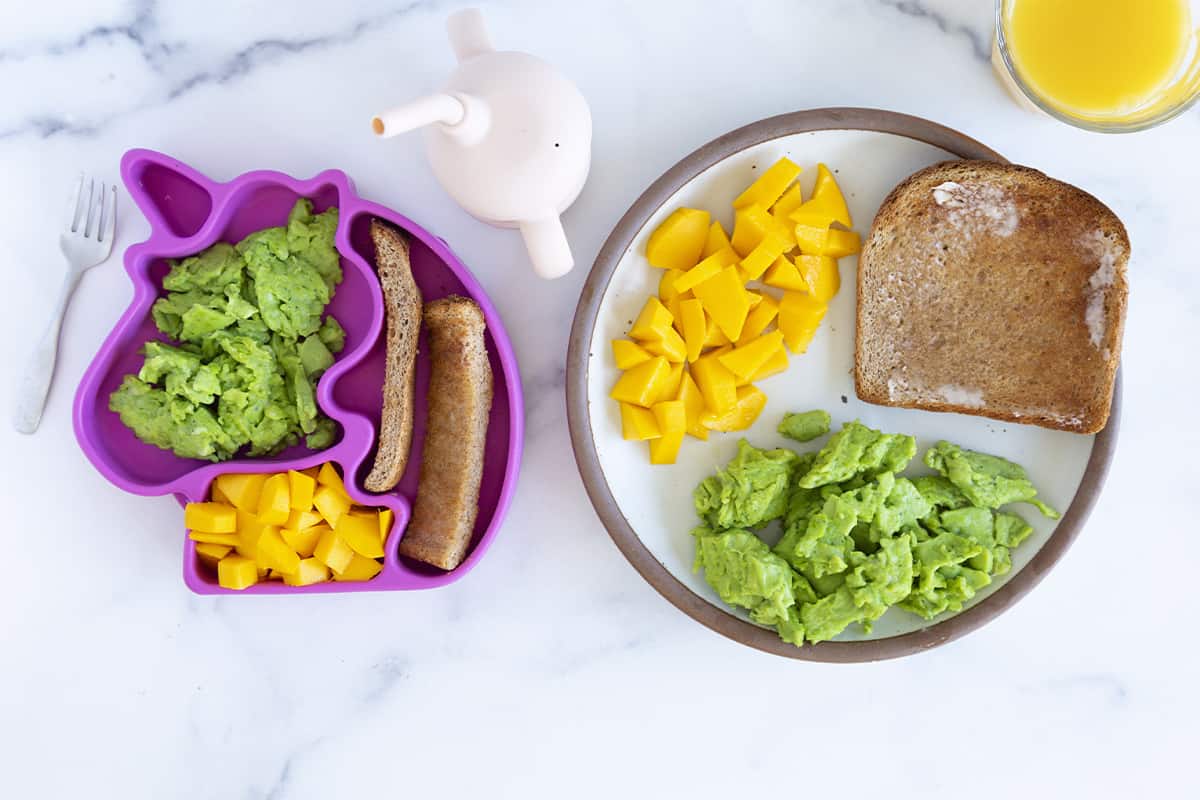
According to pediatric dietitians, the "green eggs" concept—achieved by whisking spinach into eggs before scrambling—can provide up to 20% of the daily iron requirement for a toddler in a single serving. This is particularly relevant as iron deficiency remains one of the most common nutritional deficiencies in early childhood.
Sociological and Psychological Implications
The adoption of these recipes suggests a broader shift in how families observe cultural holidays. Instead of viewing holidays as "cheat days" where nutritional standards are suspended, there is a move toward "celebratory wellness."
Psychologists specializing in pediatric feeding behavior note that "festive presentation" can override the sensory defensiveness often seen in children. When a green pancake is presented as a "Shamrock Pancake," the child’s cognitive association shifts from "eating a vegetable" to "participating in a story." This narrative-driven eating reduces the power struggles often associated with mealtime.

Market Response and Consumer Trends
The food industry has noted these trends, with an increase in the availability of "clean label" festive foods. However, the recipes outlined above emphasize home preparation, which allows for total control over sodium and sugar content. Retailers have reported a seasonal spike in the sale of blenders, food processors, and organic leafy greens leading up to mid-March, indicating that parents are increasingly opting to prepare these "nutritious green" meals from scratch.
Conclusion and Future Outlook
The transition toward health-conscious St. Patrick’s Day celebrations represents a significant milestone in public health efforts to improve childhood nutrition. By leveraging the vibrant colors and playful themes of the holiday, caregivers are successfully integrating essential vitamins and minerals into the pediatric diet.

As the culinary world continues to evolve, the emphasis on "easy, yummy, and nutritious" festive foods is expected to expand to other holidays. For now, the focus remains on the "fun green foods" of March, proving that with the right culinary techniques—such as blending spinach into muffins or mashing broccoli into potatoes—the luck of the Irish can indeed be found in a healthy, balanced meal. The success of these recipes lies in their ability to bridge the gap between what children want to eat and what their bodies need to thrive, ensuring a festive and nutritious holiday for the next generation.