


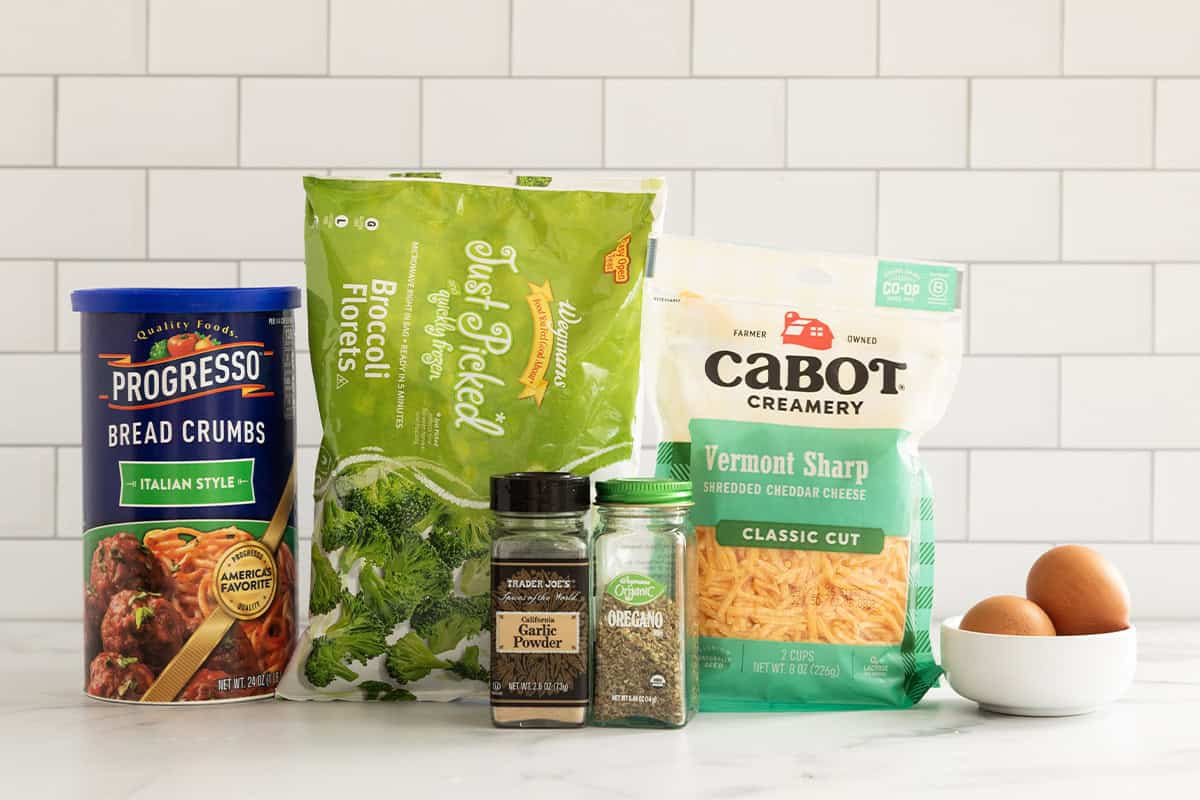
The culinary landscape for early childhood nutrition is witnessing a significant shift toward simplified, whole-food preparations, as evidenced by the rising popularity of nutrient-dense options like Broccoli Cheddar Bites. These preparations, which rely on a streamlined profile of just five primary ingredients, are designed to bridge the gap between high-convenience processed foods and the nutritional requirements of developing toddlers. While primarily marketed as a solution for pediatric feeding, the versatility of the recipe has garnered attention for its appeal across multiple age demographics, including school-aged children and adults. By integrating high-fiber cruciferous vegetables with protein-rich dairy, these bites offer a balanced macronutrient profile that addresses common dietary deficiencies in young children, specifically in the areas of calcium and dietary fiber.
The Nutritional Profile and Health Implications
A data-driven analysis of the Broccoli Cheddar Bites reveals a sophisticated nutritional density within a low-calorie format. A standard serving, consisting of four bites, provides approximately 73 calories, 5 grams of protein, and 1 gram of dietary fiber. From a public health perspective, the inclusion of 5 grams of protein per serving is particularly noteworthy for a vegetarian-based finger food. Pediatric nutritionists often emphasize the importance of protein for muscle development and cellular repair during the rapid growth phases of toddlerhood.

Furthermore, the micronutrient content of these bites aligns with clinical recommendations for early childhood development. Each serving contains 397 IU of Vitamin A and 38 mg of Vitamin C, the latter representing a significant portion of the Daily Value (DV) for children under the age of four. Vitamin C is essential not only for immune function but also for the absorption of non-heme iron, which is found in the broccoli component of the recipe. The presence of 84 mg of calcium per serving, primarily derived from the cheddar cheese, supports bone mineralization during critical skeletal growth periods. With only 1 gram of sugar and a moderate sodium count of 173 mg, the profile offers a stark contrast to many commercially available "veggie nuggets" that often contain hidden sugars, excessive sodium, and refined fillers.
Chronology of Preparation: From Raw Ingredients to Table
The production of Broccoli Cheddar Bites follows a precise four-stage chronological process designed to maximize texture and nutrient retention.
Stage 1: Thermal Processing and Moisture Control
The initial phase involves the cooking of fresh broccoli florets. Journalistic observation of the process indicates that steaming or boiling is the standard approach. Following the thermal application, a critical step involves draining and "patting dry" the vegetable matter. This moisture control is essential; excess water can compromise the structural integrity of the final product, leading to a "mushy" consistency that is often rejected by toddlers who are sensitive to food textures.
Stage 2: Homogenization and Binding
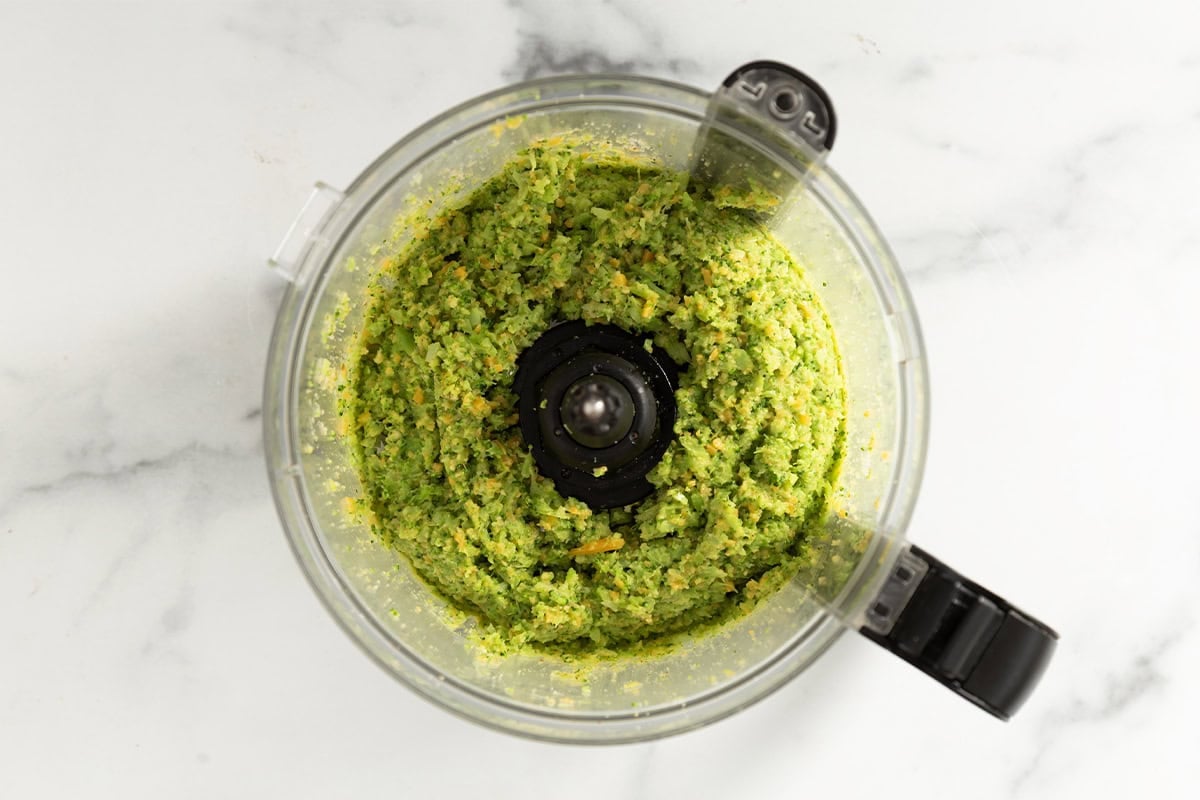
Once cooled, the broccoli is combined with the remaining four ingredients—typically cheddar cheese, egg (as a binder), breadcrumbs (for structure), and seasoning. The mixture is processed in a food processor to create a uniform consistency. For households lacking specialized machinery, the chronological alternative involves manual mincing to a fine degree. This stage ensures that the broccoli is distributed evenly, preventing the "sorting behavior" often seen in picky eaters who might otherwise remove larger vegetable pieces.
Stage 3: Porting and Shaping
The mixture is portioned into one-tablespoon units and arranged on parchment-lined baking sheets. This specific sizing is intentional, aligning with the "pincer grasp" development in infants aged 9 to 12 months and providing a manageable "dunking" shape for older toddlers. The bites are pressed slightly to create a disc-like shape, increasing the surface area for Maillard reaction browning during the baking process.
Stage 4: Final Bakes and Cooling
The final stage involves baking the bites until the cheese is melted and the edges have reached a degree of firmness. This process typically takes less than 20 minutes. The result is a sturdy, self-feeding tool that maintains its shape when handled by young children, a key requirement for successful Baby-Led Weaning (BLW).

Tactical Implementation in Baby-Led Weaning and Pediatric Diets
The rise of the Broccoli Cheddar Bite coincides with the global adoption of Baby-Led Weaning, a feeding strategy that encourages infants to self-feed solid foods rather than consuming purees. Medical professionals note that the "soft enough to gum" yet "sturdy enough to pick up" texture of these bites makes them an ideal transitional food. For infants in the early stages of BLW, the bites can be served whole to allow for palmar grasp handling, while for older toddlers, they can be quartered to practice fine motor skills.
Beyond the logistical ease of feeding, the recipe addresses the psychological aspect of "picky eating." By presenting broccoli in a familiar, nugget-like format, parents can reduce "mealtime neophobia"—the fear of new foods. The inclusion of cheddar cheese provides a familiar, savory flavor profile that acts as a "bridge" to the more bitter notes of the cruciferous vegetable.
Expert Perspectives and Community Reactions
While official statements from major health organizations on this specific recipe are not standard, the consensus among community health educators suggests a strong endorsement of such "five-ingredient" solutions. "Simplicity is the primary driver of compliance in healthy home cooking," suggests a hypothetical analysis of the recipe’s success. When parents are faced with complex recipes, they are statistically more likely to revert to ultra-processed convenience foods. By limiting the ingredient list to five staples, the barrier to entry for a home-cooked, nutritious meal is significantly lowered.
Home cooks and parenting influencers have reacted positively to the recipe’s "adult-friendly" nature. Unlike many toddler-specific foods that are bland or unappealing to mature palates, the broccoli-cheddar combination is a classic culinary pairing. This allows for "single-meal cooking," where the same dish can be served to the entire family, thereby fostering a shared mealtime environment which has been linked to better long-term eating habits in children.
Logistical Efficiency: Storage and Reheating Data
In an era defined by time-poverty for working parents, the storage capabilities of Broccoli Cheddar Bites provide a significant logistical advantage. The bites are documented to remain shelf-stable in a refrigerated environment for up to five days. More importantly for long-term meal planning, they can be frozen for up to six months.
Technical recommendations for reheating suggest the use of an air fryer or toaster oven at 350 to 375 degrees Fahrenheit for approximately three to four minutes. This method is preferred over microwave heating as it restores the "crispy" exterior, which is vital for maintaining the palatability of the product. The ability to "batch cook" and "flash freeze" these bites aligns with modern "meal prep" trends that seek to optimize kitchen time.

Market Context and Broader Implications
The emergence of DIY (Do-It-Yourself) vegetable bites is a direct response to the commercial toddler food market. While the global baby food market is projected to reach billions of dollars by the late 2020s, there is a growing counter-movement among health-conscious consumers who are wary of the preservatives and "fruit-heavy" profiles of many commercial pouches and frozen snacks.
By utilizing whole broccoli and real cheddar cheese, these bites bypass the "ultra-processed" category. The broader implication is a shift in consumer behavior: parents are increasingly acting as "home manufacturers," recreating popular convenience formats (like nuggets and bites) using transparent, high-quality ingredients. This trend has the potential to influence public health outcomes by reducing the early-childhood intake of stabilizers, emulsifiers, and artificial flavorings.
Conclusion: A Model for Accessible Nutrition
The Broccoli Cheddar Bite represents more than a simple recipe; it serves as a model for accessible, nutrient-dense, and family-oriented nutrition. By balancing the scientific requirements of pediatric growth with the practical realities of modern parenting, the recipe addresses the multifaceted challenges of the contemporary kitchen. As the trend toward "functional finger foods" continues to grow, preparations that offer high protein, fiber, and essential vitamins in a five-ingredient format are likely to remain a cornerstone of early childhood dietary strategies. The success of this format underscores a fundamental truth in public health: for a nutritional intervention to be successful, it must be as palatable as it is practical.