


The landscape of pediatric nutrition and domestic meal preparation is undergoing a significant shift as families increasingly prioritize whole-food ingredients over processed alternatives. Central to this movement is the emergence of the baked oatmeal bar, a versatile and nutrient-dense food item designed to meet the specific dietary needs of toddlers while providing a convenient option for parents. These bars represent a transition from traditional stovetop porridges to portable, solid-state breakfast solutions that balance fiber, protein, and natural sugars. By utilizing a foundation of rolled oats, mashed bananas, and eggs, the recipe provides a structural framework that allows for extensive customization through various fruit and chocolate inclusions, catering to the diverse palates of young children.
The Evolution of Oatmeal: From Porridge to Portable Bars
The history of oats in the human diet is extensive, with the grain serving as a staple in Northern European cultures for centuries due to its hardiness in cold climates. Historically, oats were consumed primarily as a soft gruel or porridge. However, the late 20th and early 21st centuries saw a demand for "grab-and-go" nutrition, which initially led to the proliferation of commercial granola bars. Many of these industrial products, while convenient, have faced scrutiny for high levels of refined sugars, preservatives, and artificial flavorings.
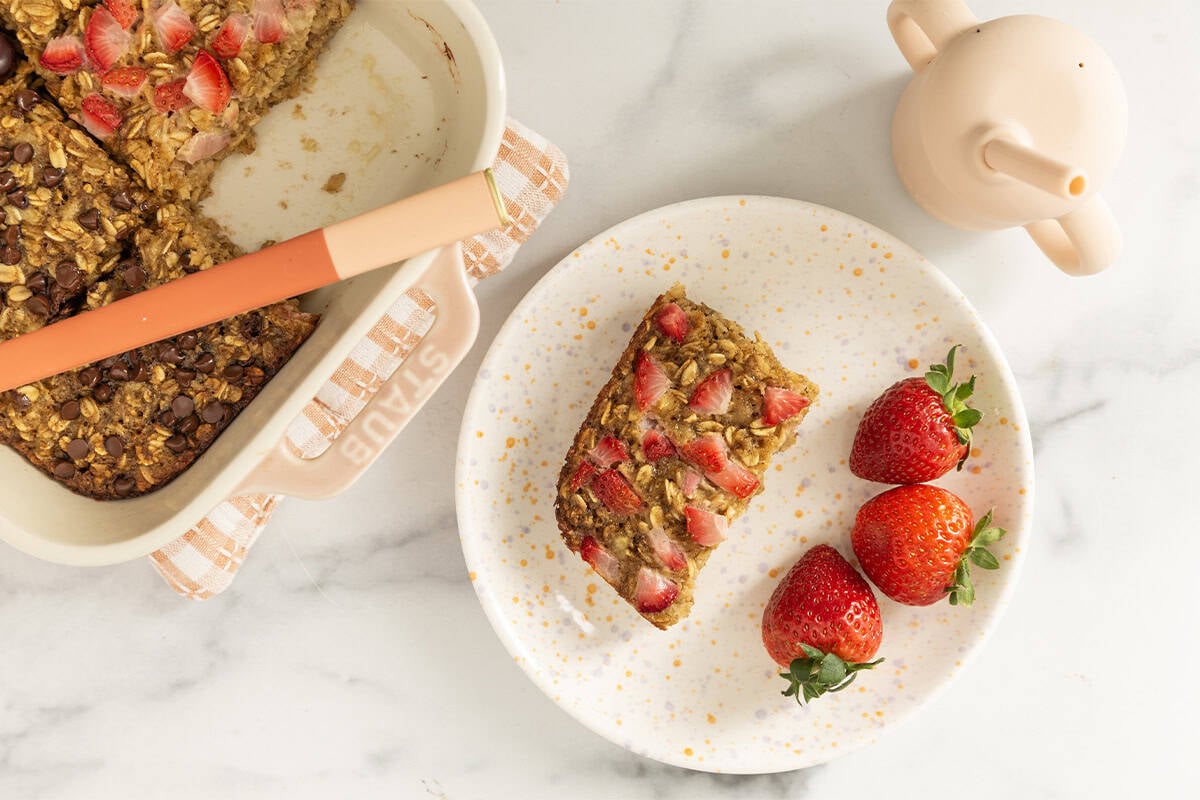
The current trend toward homemade baked oatmeal bars marks a return to simpler ingredient lists, adapted for the modern schedule. Unlike traditional granola bars, which are often crunchy and pose a potential choking hazard for toddlers, the baked oatmeal bar is characterized by a soft, cake-like texture. This development is particularly relevant in the context of Baby-Led Weaning (BLW), a method of introducing solid foods where infants are encouraged to self-feed. The structural integrity of a baked bar allows a child to grip the food easily without it disintegrating, supporting the development of fine motor skills and autonomy during mealtime.
Nutritional Composition and Pediatric Health Benefits
The primary appeal of the baked oatmeal bar lies in its dense nutritional profile. A standard serving of approximately one slice contains roughly 163 calories, 5 grams of protein, and 3 grams of dietary fiber. These figures are significant when viewed through the lens of daily requirements for children aged one to four.
The Role of Complex Carbohydrates and Fiber
Oats are a primary source of beta-glucan, a type of soluble fiber that has been extensively studied for its ability to slow digestion and stabilize blood glucose levels. For toddlers, who often experience energy fluctuations, the slow release of energy provided by complex carbohydrates is essential for sustained activity and cognitive focus. Furthermore, the 3 grams of fiber per serving contribute to digestive regularity, a common concern in early childhood development.

Protein and Micronutrient Density
The inclusion of eggs and milk provides a complete protein profile, essential for the rapid tissue growth and muscle development occurring during the toddler years. Additionally, the use of bananas as a primary sweetener introduces significant levels of potassium and Vitamin C. Data indicates that a single serving provides approximately 185mg of potassium and 11mg of Vitamin C, supporting cardiovascular health and immune function, respectively.
Strategic Ingredients and Preparation Methodology
The efficacy of the baked oatmeal bar recipe is rooted in its simplicity and the synergistic properties of its components. The preparation process involves a multi-step approach designed to maximize texture and flavor without the need for specialized equipment.
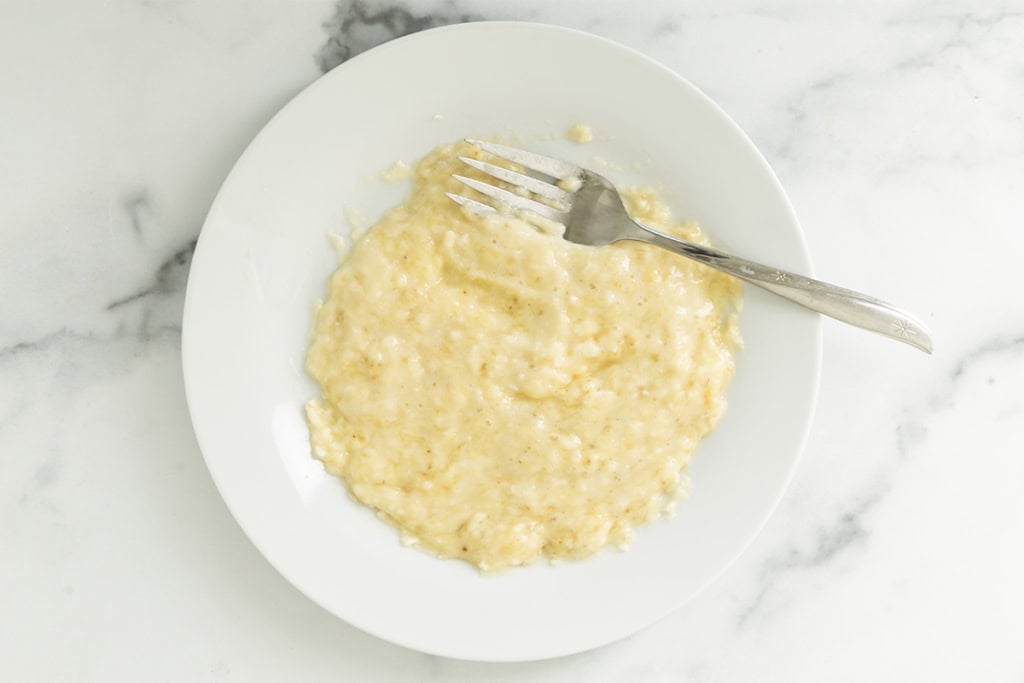
- Mechanical Breakdown of Solids: The process begins with the thorough mashing of overripe bananas. From a culinary science perspective, the breakdown of the fruit’s cellular structure releases natural sugars and pectins, which act as both a sweetener and a binding agent.
- Integration of Wet and Dry Ingredients: The mashed fruit is combined with oats, eggs, milk, and leavening agents. The oats absorb the liquid components, a process known as hydration, which ensures the final product remains moist after baking.
- Customization and Thermal Processing: The batter is transferred to a greased baking vessel where toppings—ranging from antioxidant-rich blueberries to small amounts of dark chocolate—are added. The mixture is then subjected to dry heat (baking) until the proteins in the eggs coagulate and the starches in the oats gelatinize, creating a firm yet soft matrix.
Economic and Practical Implications for Households
Beyond health considerations, the shift toward home-baked oatmeal bars has measurable economic impacts. Analysis of the cost-per-serving reveals that homemade bars are significantly more cost-effective than premium organic store-bought snacks. Bulk-purchased rolled oats and staple pantry items like eggs and bananas represent a fraction of the cost of packaged goods, which often include a high markup for branding and individual packaging.
Furthermore, the "make-ahead" nature of the recipe aligns with the logistical needs of dual-income households. The bars can be stored at room temperature for three days, refrigerated for five days, or frozen for up to six months. This longevity reduces food waste and ensures that a nutritious option is always available, mitigating the reliance on ultra-processed emergency snacks during transit or busy mornings.
Expert Reactions and Public Health Context
Nutritionists and pediatricians have largely responded positively to the rise of whole-grain, fruit-sweetened snacks. While the recipe allows for the addition of maple syrup, health experts often recommend the "no-added-sugar" variation for younger children. By omitting supplemental sweeteners and relying on the natural fructose in bananas, parents can help shape a child’s palate to prefer natural flavors over hyper-palatable refined sugars.
"The introduction of whole grains in early childhood is a critical predictor of long-term dietary habits," notes a summary of pediatric nutritional consensus. "Providing fiber-rich, protein-stable snacks like oatmeal bars helps prevent the early onset of childhood obesity and type 2 diabetes by promoting satiety and reducing the consumption of empty calories."

Public health data suggests that children who consume a balanced breakfast are more likely to meet their daily requirements for iron, calcium, and vitamins. The baked oatmeal bar serves as a vehicle for these nutrients, particularly when fortified with milk or served alongside fresh fruit.
Addressing Dietary Restrictions and Versatility
A significant advantage of the baked oatmeal bar is its adaptability to various dietary requirements. As food allergies and sensitivities become more prevalent, the ability to control every ingredient in a child’s snack is paramount.
- Gluten-Sensitivity: By utilizing certified gluten-free oats, the recipe becomes safe for children with celiac disease or gluten intolerance.
- Dairy-Free Alternatives: The milk component can be seamlessly replaced with soy, almond, or oat milk without compromising the structural integrity of the bar.
- Vegan Modifications: While the original recipe calls for eggs, flax-based "eggs" can be used to accommodate vegan lifestyles, though this may slightly alter the protein density and rise of the bar.
Broader Impact on the Food Industry
The popularity of recipes like the Baked Oatmeal Bar is part of a broader "clean label" movement that is forcing the commercial food industry to reformulate. As consumers become more educated about nutritional labels and the benefits of whole foods, large-scale manufacturers are seeing a decline in the sales of traditional sugary cereals and snacks. This shift is driving innovation in the retail sector, with more brands attempting to mimic the "homemade" profile by reducing ingredient lists and eliminating artificial additives.

However, the homemade version remains the gold standard for many families due to the lack of stabilizers and the ability to adjust textures to a child’s specific developmental stage. For instance, for younger toddlers, the bars can be cut into thin "fingers" to facilitate ease of consumption, a level of customization not available with standardized factory-made products.
Conclusion and Future Outlook
The Baked Oatmeal Bar is more than a simple breakfast recipe; it is a manifestation of modern nutritional priorities. By combining the traditional benefits of oats with the convenience of a portable snack, it addresses the dual challenges of pediatric health and parental time constraints. As research continues to underscore the importance of the first 1,000 days of a child’s life in terms of nutritional programming, the role of nutrient-dense, home-prepared foods will only continue to grow.
The data supports a clear conclusion: providing toddlers with snacks that are rich in fiber and protein, and low in refined sugars, sets a foundation for a lifetime of healthy eating. The baked oatmeal bar, with its ease of preparation and high degree of versatility, stands as a primary example of how simple ingredients can be transformed into a powerful tool for public health and family wellness. Moving forward, the continued sharing of such recipes and the supporting nutritional data will likely remain a cornerstone of community-based health education and modern domestic life.