

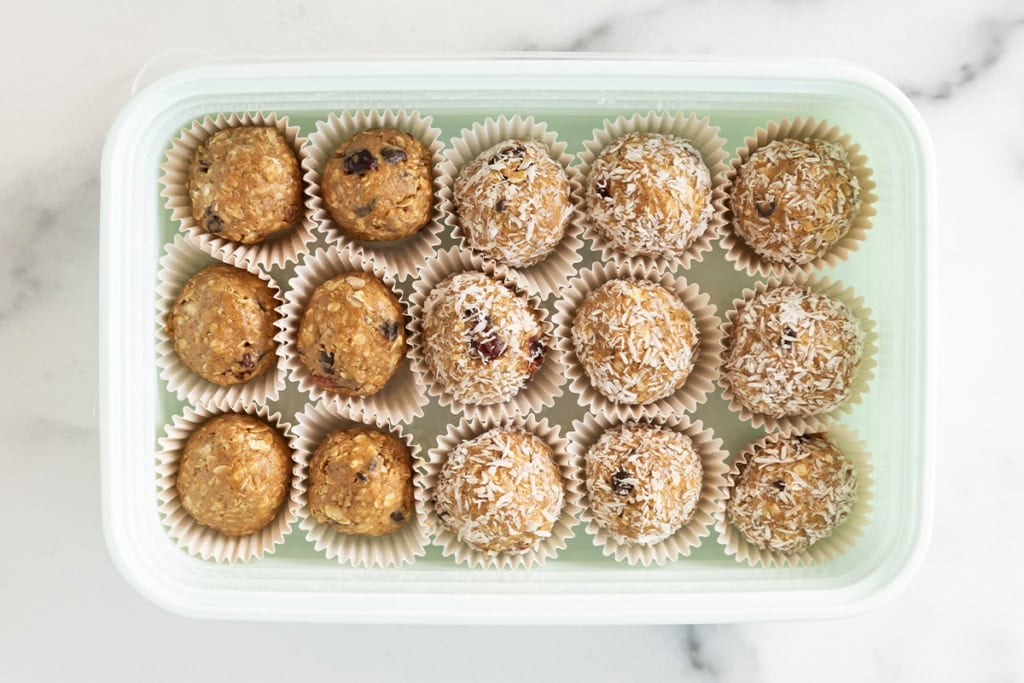
The landscape of postpartum nutrition is undergoing a significant shift as new mothers increasingly prioritize functional foods that offer both convenience and targeted health benefits. Among the most prominent developments in this sector is the rise of no-bake lactation bites, a category of snack designed to support the rigorous physical demands of breastfeeding while accommodating the time constraints of early parenthood. These snacks, characterized by a combination of rolled oats, nut butters, and various seeds or dried fruits, have become a staple of the "fourth trimester" meal-prepping culture. The primary appeal of these nutrient-dense spheres lies in their dual-purpose nature: they serve as a calorie-dense energy source and are frequently formulated with ingredients traditionally believed to enhance milk supply, known as galactagogues.
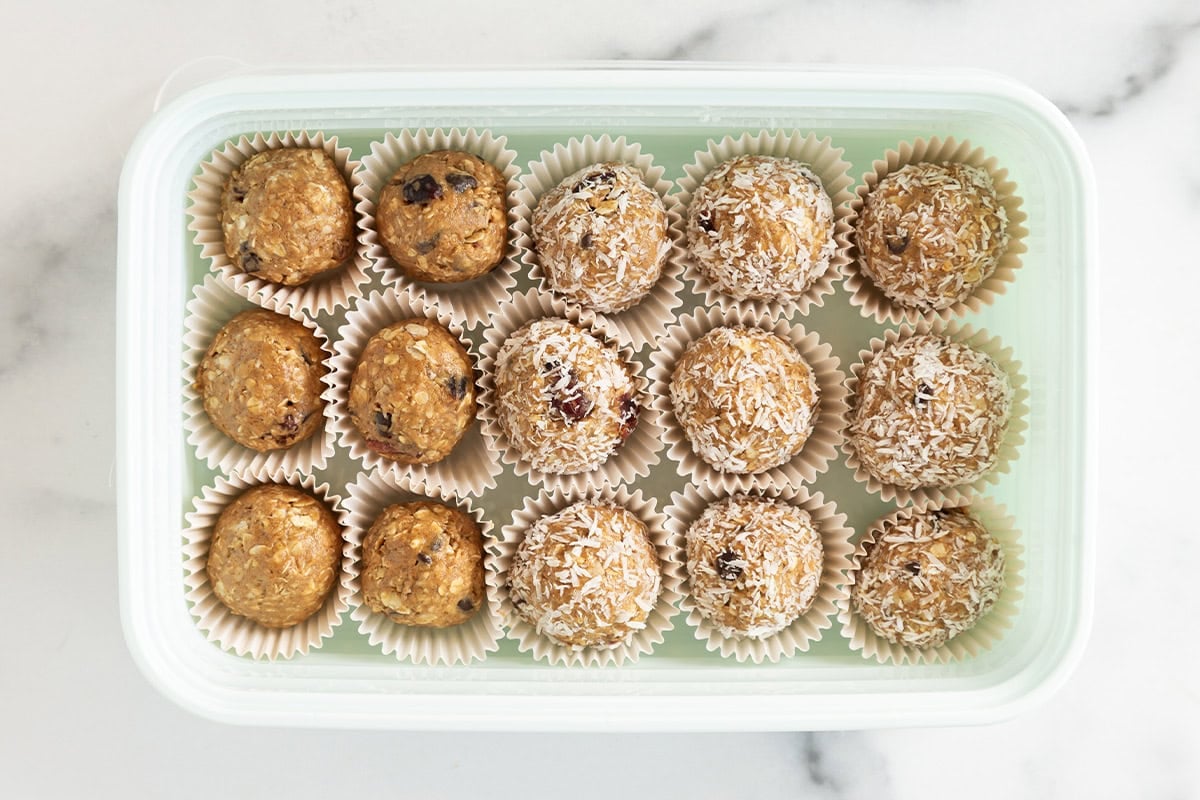
The Nutritional Composition of Modern Lactation Snacks
The standard profile of a lactation bite, such as the popular no-bake variants currently circulating in wellness communities, focuses on a balance of macronutrients. A typical serving, which averages approximately 97 calories per ball, provides a calculated distribution of 12 grams of carbohydrates, 3 grams of protein, and 5 grams of fat. This ratio is designed to provide sustained energy release rather than the quick spikes and crashes associated with high-sugar processed snacks.
The inclusion of rolled oats serves as the structural and nutritional backbone of these recipes. Oats are a complex carbohydrate rich in beta-glucan, a type of soluble fiber. From a dietary standpoint, the fiber content—averaging 2 grams per serving—aids in postpartum digestive health, a common concern for women in the weeks following childbirth. Furthermore, the healthy fats derived from almond butter or sunflower seed butter provide essential fatty acids and monounsaturated fats, which are vital for the caloric density of breast milk and the mother’s own neurological health during a period of significant hormonal fluctuation.
The Galactagogue Debate: Scientific Perspectives vs. Traditional Use
A central component of the discourse surrounding lactation bites is the use of specific ingredients intended to boost milk production. Ingredients such as Brewer’s yeast and oats have been used for generations in various cultures as natural aids for breastfeeding. However, the medical community, including institutions such as Johns Hopkins Medicine, maintains a cautious stance on these claims.
According to clinical observations and peer-reviewed literature, there is a lack of robust scientific evidence to prove that any specific food or herb significantly increases milk supply in a controlled environment. Medical professionals often point out that the perceived success of lactation snacks may be attributed to two primary factors: increased caloric intake and improved maternal hydration. Lactation requires an additional 450 to 500 calories per day; if a mother is under-nourished, her supply may dwindle. By consuming nutrient-dense snacks like lactation bites, mothers meet these caloric demands, which naturally supports the body’s ability to produce milk.
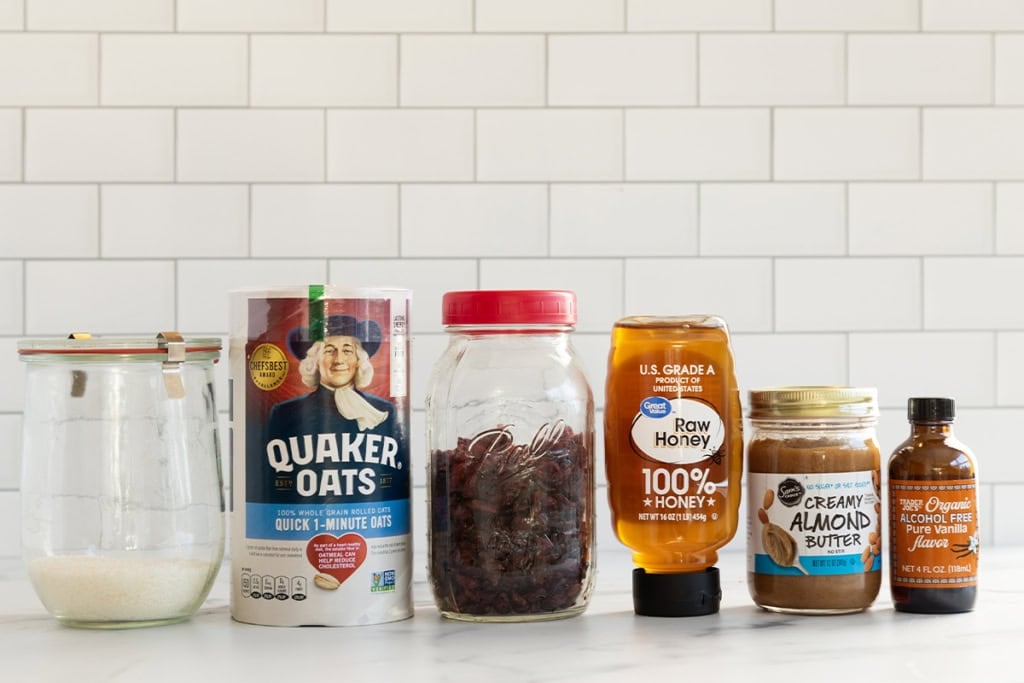
Despite the lack of clinical "proof" for specific ingredients, the psychological and logistical benefits are undeniable. The "placebo effect," combined with the reduction of maternal stress through better nutrition, creates a supportive environment for successful breastfeeding. Consequently, many lactation consultants continue to recommend these snacks as part of a holistic approach to postpartum care, emphasizing their role as a "nutrient-dense fuel" rather than a medicinal cure for low supply.
Chronology of Postpartum Preparation and the "Fourth Trimester"
The rise of the lactation bite is closely tied to the evolving timeline of postpartum preparation. Modern maternal health experts now emphasize the "Fourth Trimester"—the three-month period following birth—as a critical window for recovery. This has led to a chronological shift in how families prepare for a new arrival.

- Late Third Trimester (Weeks 35–40): This period is now characterized by "nesting" through food preparation. Expectant parents often engage in bulk-making lactation bites and freezer meals. Because no-bake bites can be stored in a refrigerator for up to a month or frozen for up to six months, they are ideal for pre-birth labor.
- The Immediate Postpartum (Weeks 1–2): During the initial recovery phase, mobility is often limited, and the frequency of infant feedings is at its peak. The "one-handed snack" becomes a logistical necessity.
- The Maintenance Phase (Weeks 3–12): As the mother’s milk supply stabilizes and the infant’s demand increases, the sustained energy from protein-and-fiber-rich snacks helps manage the fatigue associated with sleep deprivation.
Logistical Advantages: The "One-Handed" Food Revolution
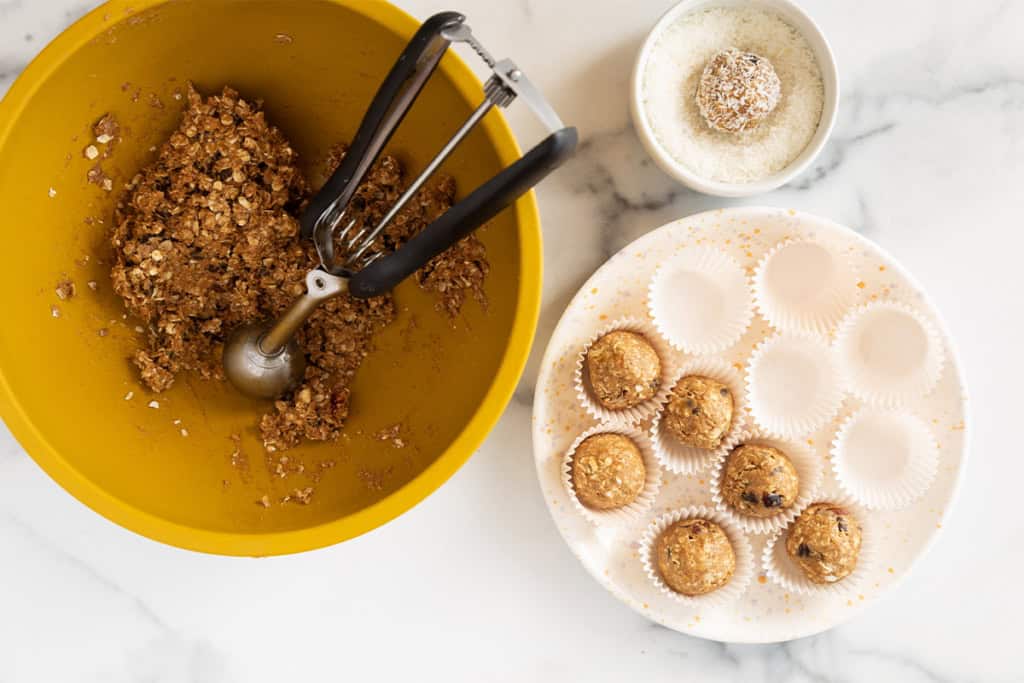
In the context of infant care, the physical form of food is as important as its nutritional content. Journalistic observations of the parenting market show a high demand for "ergonomic" foods. Lactation bites are specifically designed to be consumed with one hand, allowing a mother to nourish herself while simultaneously holding or nursing an infant.
The "no-bake" aspect of these recipes further enhances their utility. By removing the need for oven time, the preparation process is reduced to approximately 10 minutes of active labor. This efficiency is a critical selling point for busy parents. Furthermore, the versatility of the base recipe—allowing for the substitution of sunflower butter for nut-free households or the addition of flaxseed for extra Omega-3s—demonstrates a move toward personalized nutrition in the maternal health space.

Market Impact and the DIY Movement
The commercial market for lactation products has expanded into a multi-million dollar industry, with pre-packaged cookies, bars, and teas available at major retailers. However, a significant segment of the population is moving toward a DIY (Do-It-Yourself) approach. This shift is driven by three main factors:
- Cost-Effectiveness: Raw ingredients like oats and honey purchased in bulk are significantly cheaper than branded lactation supplements.
- Ingredient Transparency: Homemade bites allow mothers to avoid preservatives, artificial sweeteners, and excessive refined sugars often found in shelf-stable commercial products.
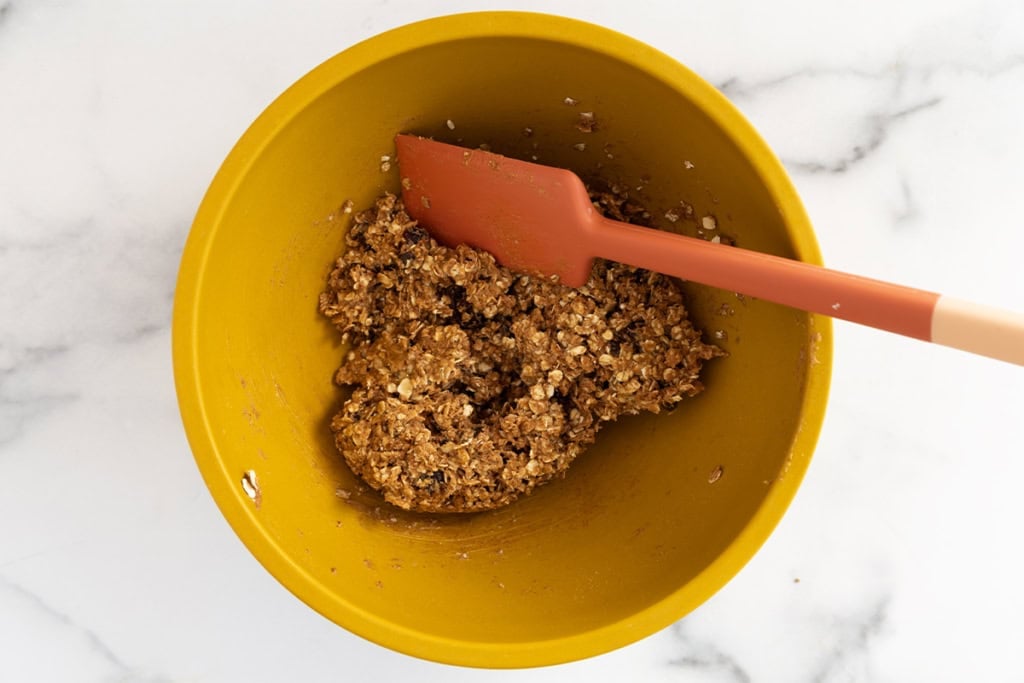
- Customization: Mothers can adjust the texture—using oat flour for a smoother, cookie-dough consistency or rolled oats for a heartier texture—based on personal preference.
The data suggests that while commercial products offer convenience for those with no time, the DIY movement provides a sense of agency and health-consciousness that resonates with the modern "wellness-oriented" parent.
Broader Implications for Maternal Health Policy
The popularity of these nutritional interventions highlights a broader gap in postpartum support in many Western societies. In countries with limited paid maternity leave, the pressure on mothers to recover quickly and maintain a high level of productivity (both in terms of infant care and returning to work) is immense. In this environment, a lactation bite is more than just a snack; it is a tool for survival and efficiency.
Health analysts suggest that the focus on "functional snacking" underscores the need for more comprehensive maternal care that includes nutritional counseling and mental health support. While a snack can provide the calories needed for lactation, it cannot replace the systemic support required for long-term maternal well-being. However, as a grassroots solution, the lactation bite represents a successful marriage of traditional wisdom and modern nutritional science.
Expert Recommendations for Success
For those incorporating lactation bites into a postpartum recovery plan, experts suggest several best practices to ensure safety and efficacy:
- Consistency is Key: The nutritional benefits of oats and healthy fats are cumulative. Consuming one to two bites per day as a consistent supplement to regular meals is more effective than sporadic consumption.
- Hydration Integration: Because ingredients like oats and flax are high in fiber, they require adequate water intake to prevent digestive discomfort. Lactation itself increases water demand, making hydration the most critical "ingredient" in any breastfeeding regimen.
- Temperature Matters: For the best texture, these bites should be stored cold. The fats in the nut butter act as a binding agent that firms up in the refrigerator, preventing the bites from becoming too soft or messy during consumption.
- Nutritional Balance: While delicious, these bites should be viewed as a supplement. A balanced diet of whole grains, lean proteins, and vegetables remains the gold standard for postpartum recovery.
In conclusion, the emergence of the lactation bite as a staple of the modern nursery reflects a deeper understanding of the intersection between nutrition, logistics, and maternal health. By providing a calorie-dense, easy-to-eat, and customizable food source, these snacks address the practical realities of new parenthood while honoring the biological demands of the human body during one of its most taxing phases. Whether or not the galactagogues within them are ever scientifically "proven" to increase milk volume, their role in supporting the overall health and sanity of new mothers is firmly established in the contemporary postpartum experience.