

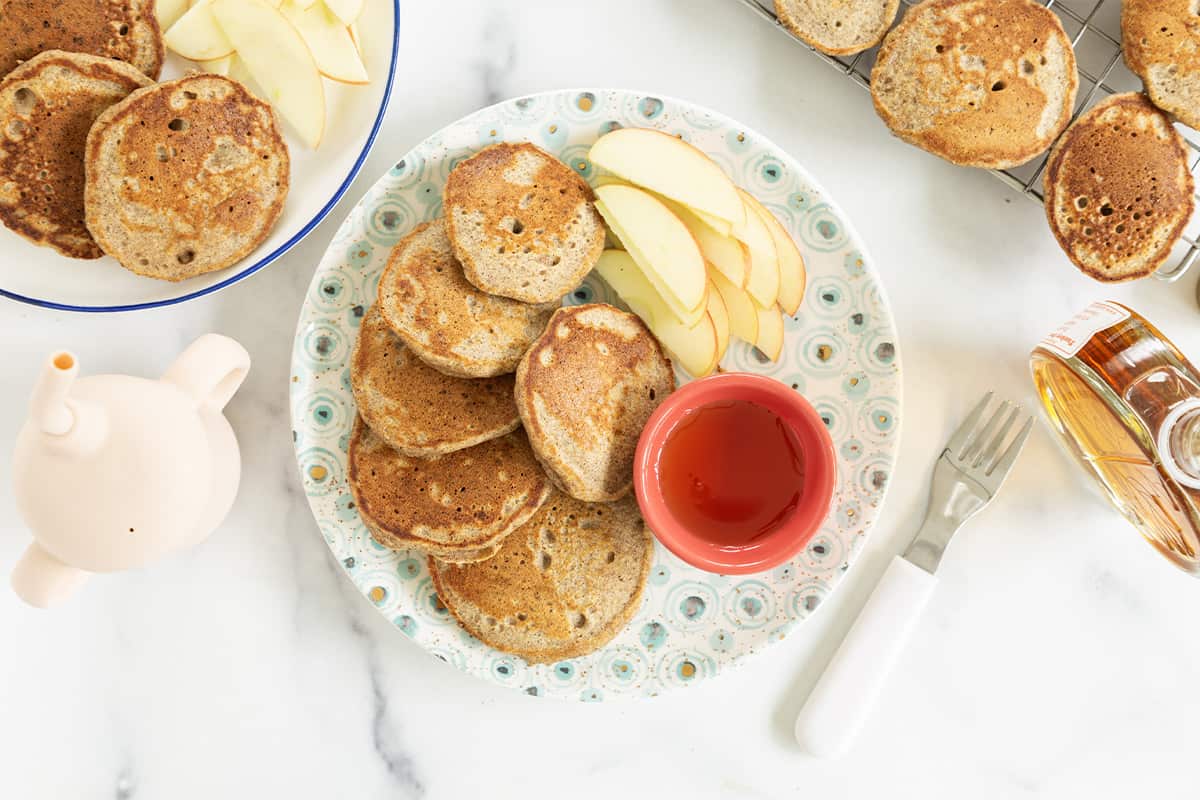
The transition from a purely liquid diet to solid foods represents a critical physiological and developmental milestone in infant health, with Baby-Led Weaning (BLW) emerging as a prominent methodology for fostering self-regulation and motor skill progression. Central to this dietary transition is the utilization of soft-textured, nutrient-dense finger foods, among which pancakes have become a foundational tool for caregivers. These culinary formulations, ranging from minimalist two-ingredient structures to complex vegetable-integrated composites, provide a versatile medium for delivering essential macronutrients and micronutrients. By offering a format that is easily grasped by an infant’s developing palmar and pincer grips, these recipes serve as more than mere sustenance; they are developmental aids designed to facilitate oral-motor coordination and sensory exploration.
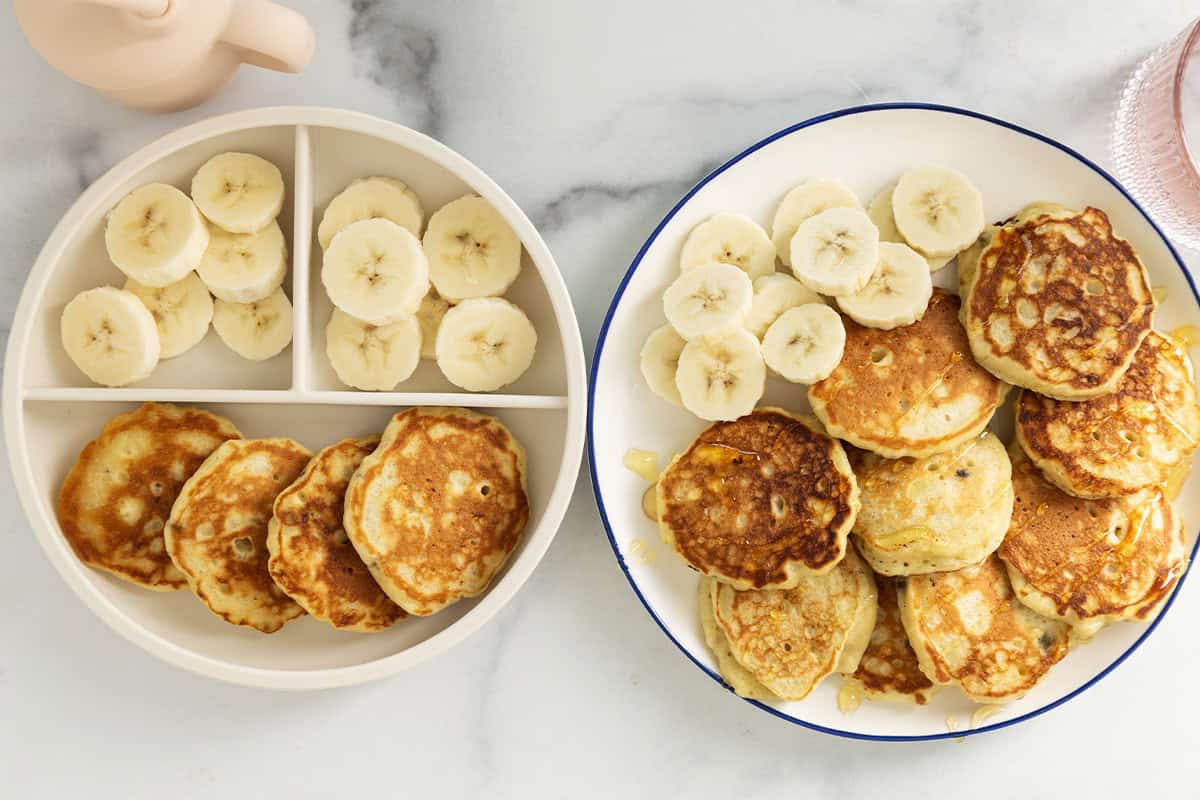
The Evolution of Infant Feeding: From Purees to Self-Feeding
Historically, infant feeding in the Western world was dominated by the sequential introduction of smooth purees, a practice that gained momentum in the mid-20th century alongside the industrialization of baby food. However, the last two decades have seen a significant shift toward Baby-Led Weaning, a term popularized by British health visitor Gill Rapley. This approach bypasses the puree stage entirely, encouraging infants to self-feed whole pieces of food starting at approximately six months of age.

The rationale behind this shift is rooted in the "window of opportunity" for texture acceptance. Clinical research suggests that infants introduced to lumpy textures and finger foods before nine months are less likely to exhibit picky eating behaviors later in childhood. Pancakes, characterized by their tender crumb and ability to be cut into age-appropriate strips, align precisely with the World Health Organization (WHO) and American Academy of Pediatrics (AAP) guidelines, which emphasize the introduction of varied textures to support jaw development and the prevention of iron deficiency.
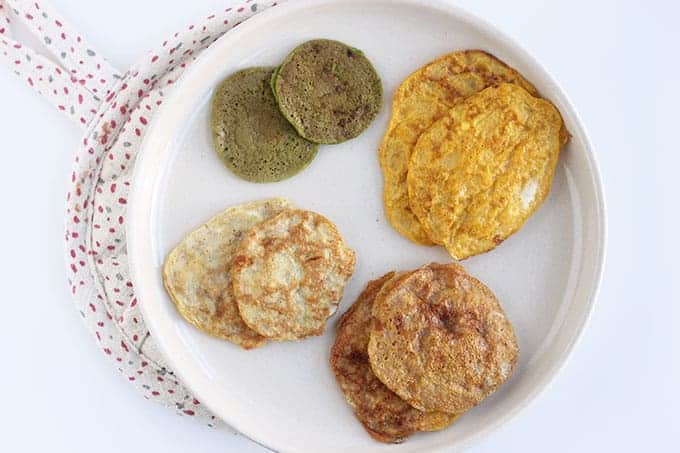
Chronology of Dietary Introduction and Developmental Readiness
The implementation of a BLW pancake regimen typically follows a specific chronological sequence based on the infant’s physiological readiness. At approximately six months, most infants exhibit the necessary signs of readiness: the ability to sit with minimal support, the disappearance of the tongue-thrust reflex, and the coordination required to bring objects to the mouth.
- Initial Phase (6–7 Months): Introduction of high-moisture, low-ingredient pancakes, such as the two-ingredient banana and egg formulation. These are served in thick, finger-sized strips to accommodate the palmar grasp.
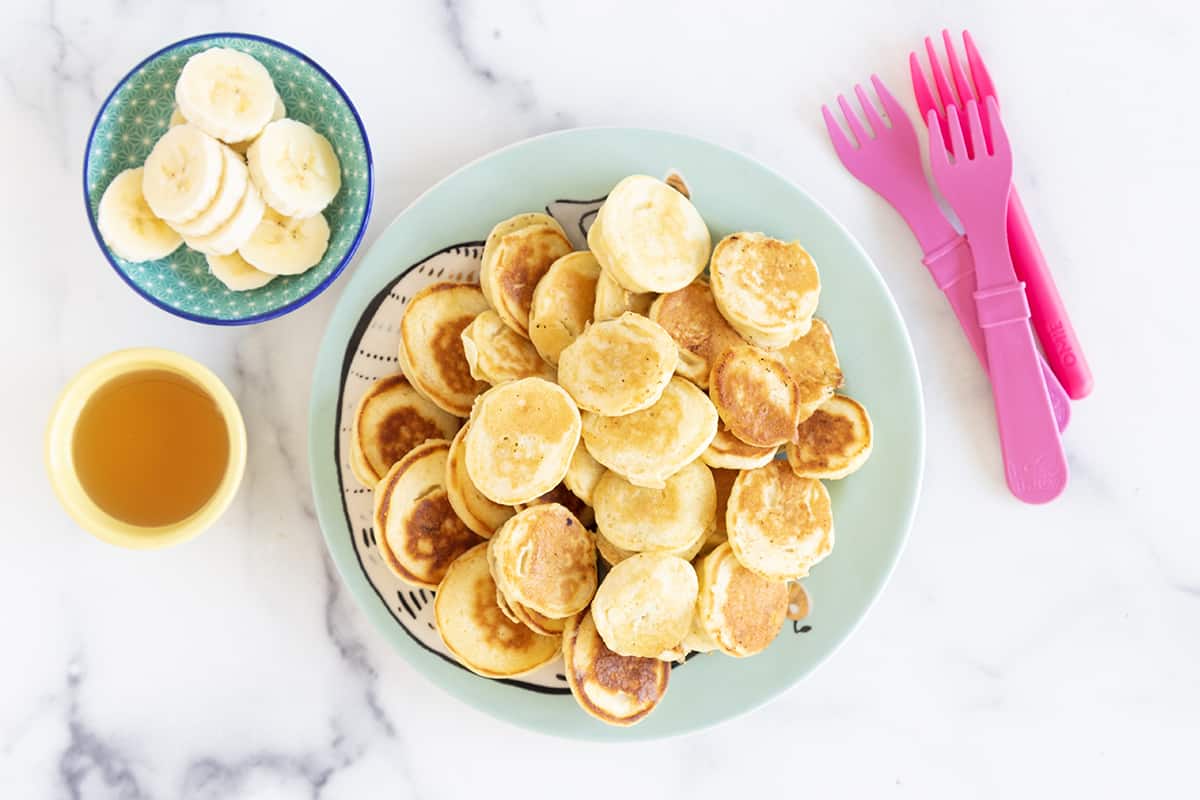
- Intermediate Phase (8–10 Months): Integration of complex grains like buckwheat and oats, along with finely grated vegetables. During this stage, as the pincer grasp develops, pancakes may be served in smaller "silver dollar" or "mini" formats.
- Advanced Phase (11+ Months): Diversification of flavors including savory vegetable pancakes and protein-fortified options involving yogurt and seeds, preparing the child for a transition to family-style table foods.
Nutritional Formulation and Ingredient Analysis
The efficacy of BLW pancakes lies in their nutritional density. Unlike traditional commercial pancake mixes, which are often high in refined sugars and sodium, home-prepared BLW variants prioritize whole-food components.
The Role of Potassium and Natural Sugars
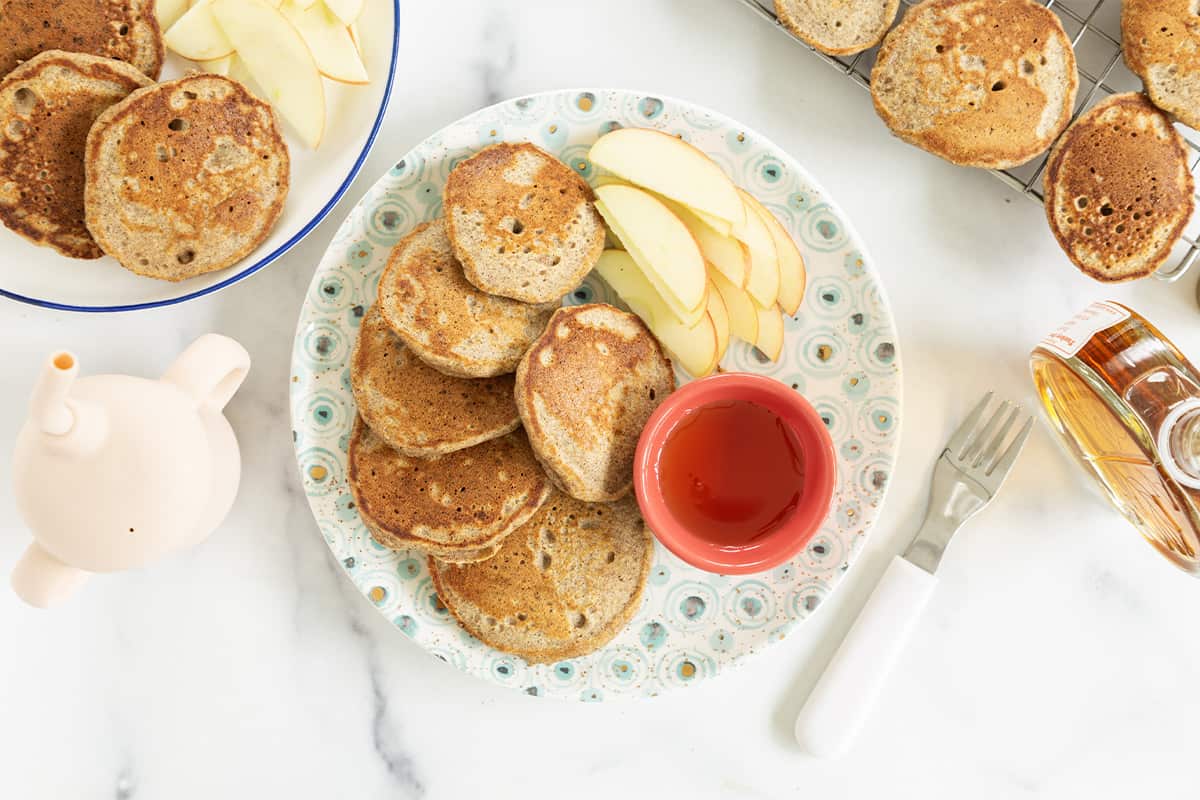
Banana-based recipes serve as a primary source of potassium, which is essential for cardiovascular health and muscle function. The use of overripe bananas provides natural sweetness, eliminating the need for added sugars, which pediatric guidelines suggest avoiding entirely for children under the age of two.

Protein and Calcium Fortification
The inclusion of Greek yogurt and eggs in pancake batters introduces high-quality proteins and calcium. Protein is vital for the rapid tissue growth experienced during infancy, while calcium supports the mineralization of the skeletal system. Recipes such as "Oatmeal Protein Pancakes" utilize these ingredients to create a satiating meal that mimics the nutritional profile of a balanced smoothie or oatmeal bowl.

Micronutrient Density via Leafy Greens and Vegetables
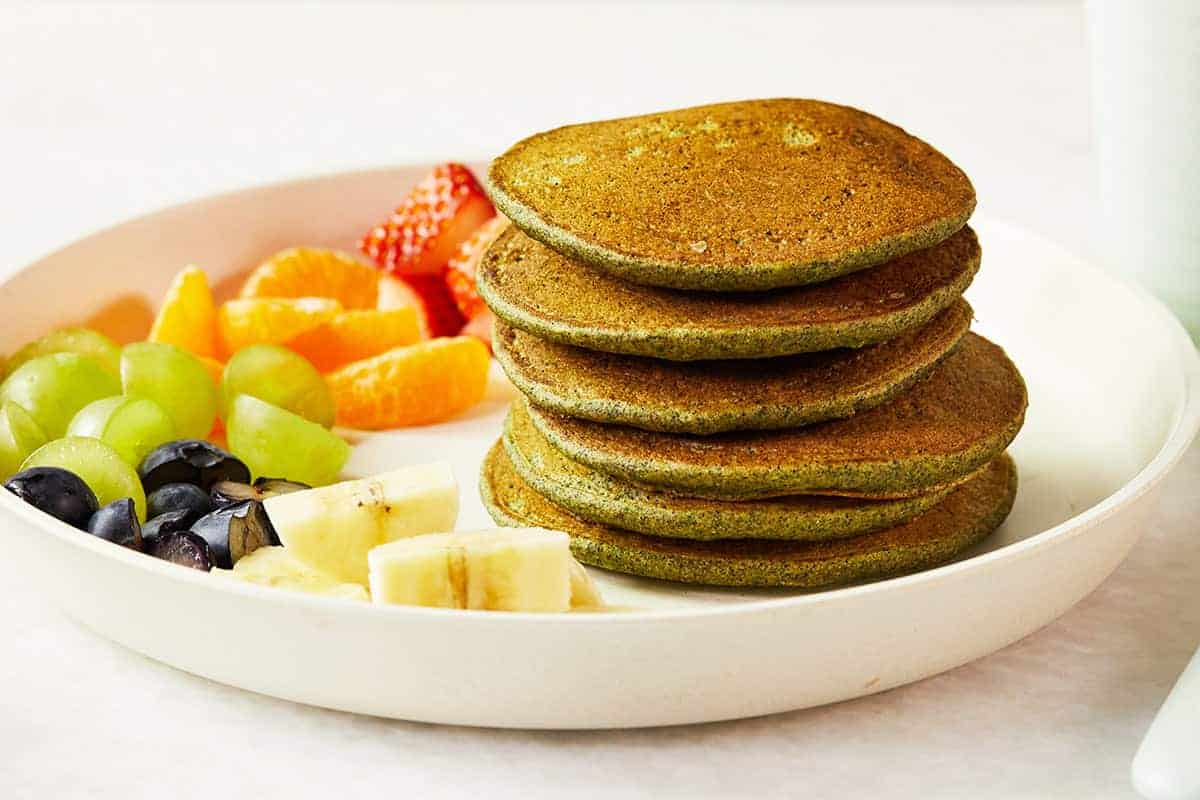
The "Banana Spinach Pancake" represents a significant advancement in infant nutrition by incorporating iron and folate-rich leafy greens into a palatable format. Iron is a nutrient of particular concern for infants, as their birth stores typically begin to deplete around the six-month mark. Furthermore, savory vegetable pancakes utilizing carrots, zucchini, or peas introduce infants to non-sweet flavor profiles, a crucial step in preventing "sweet-preference" bias in early childhood.

Safety Protocols and Oral-Motor Development
A primary concern among caregivers adopting BLW is the risk of choking. However, professional analysis of infant feeding behaviors indicates a distinction between gagging—a natural safety mechanism—and choking. BLW pancakes are specifically engineered to be "gum-able," meaning they can be broken down by the pressure of an infant’s gums even in the absence of erupted teeth.
To maximize safety, pediatric nutritionists recommend the following structural guidelines:
- Texture: The pancake must be moist and tender. Dry or overly dense pancakes can form a bolus that is difficult to swallow.
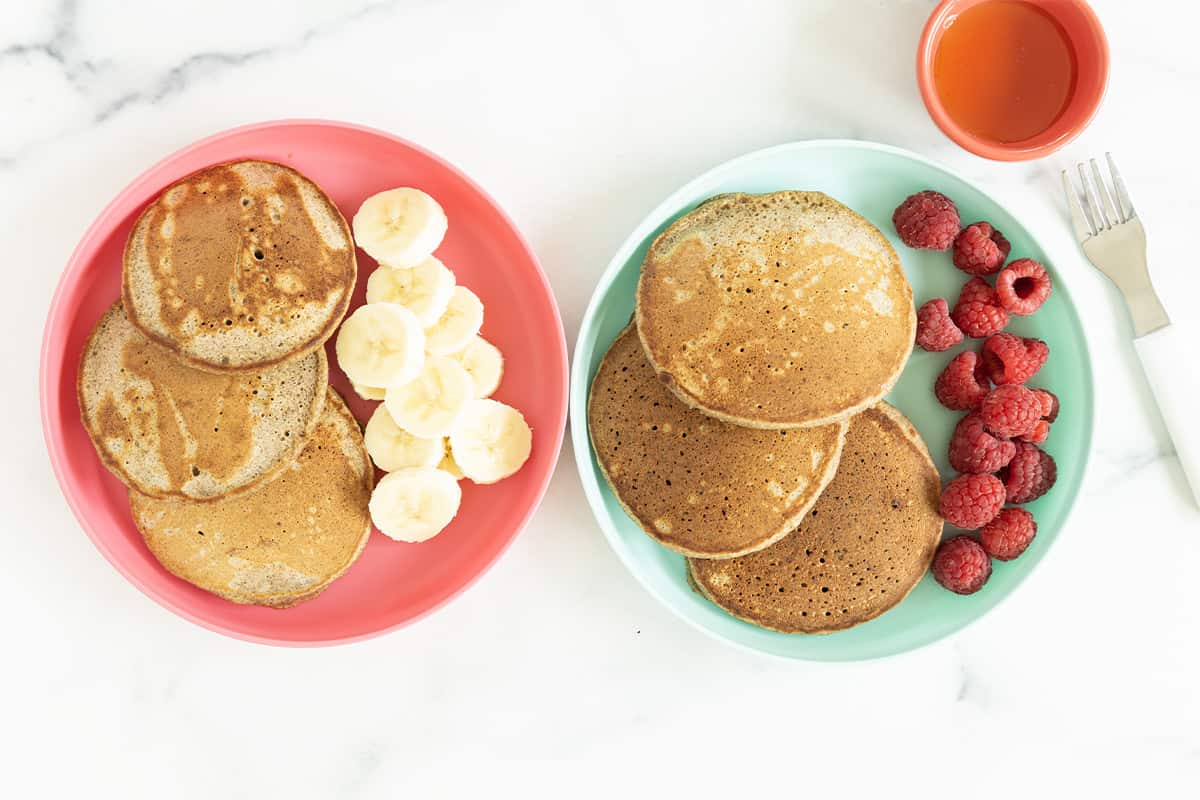
- Shape: For beginners, strips approximately the size of an adult finger are optimal. This allows the infant to hold the bottom of the food while gnawing on the top.
- Supervision: Feeding must always occur in an upright position under direct adult supervision to ensure immediate intervention if required.
Addressing Allergen Introduction
Modern clinical consensus has shifted regarding the introduction of common allergens. Previous advice to delay the introduction of eggs and dairy has been largely superseded by evidence suggesting that early exposure—around six months—can actually reduce the risk of developing food allergies.

Medical professionals generally advise that unless an infant has a known history of severe eczema or an existing food allergy, pancakes containing eggs and milk products should be introduced early and often. This "early introduction" strategy is supported by the LEAP (Learning Early About Peanut Allergy) study and subsequent research, which transformed global feeding guidelines. By incorporating these allergens into a soft pancake format, caregivers can monitor for reactions in a controlled, home environment.

Logistics: Storage, Stability, and Economic Impact
From a practical standpoint, the "make-ahead" nature of BLW pancakes offers significant advantages for household management. The stability of the cooked batter allows for efficient meal prepping, which can alleviate the stress associated with the daily preparation of infant-specific meals.

Cold Chain and Preservation
Standard protocols for BLW pancakes involve immediate cooling followed by refrigeration in airtight containers. Data indicates that these formulations remain shelf-stable for up to five days at 40°F (4°C). For long-term storage, freezing provides a viable solution for up to six months. The use of parchment paper barriers between layers prevents adhesion, allowing for the retrieval of individual servings.

Reheating and Texture Integrity
To maintain the required softness for infant safety, reheating should be conducted with care. While microwave heating is efficient, it can occasionally lead to localized "hot spots" or a toughening of the gluten structure. Steaming or low-heat skillet warming is often preferred to preserve the original moisture content of the pancake.
Broader Implications for Long-Term Public Health
The promotion of BLW pancake recipes as a staple of infant nutrition carries broader implications for public health. By emphasizing whole ingredients and self-feeding, this methodology supports the development of "internal cues" for hunger and satiety. This is a critical factor in the prevention of childhood obesity, as infants who control their own intake are less likely to be overfed compared to those who are spoon-fed.

Furthermore, the inclusion of savory and vegetable-based pancakes helps to expand the "flavor window." Children who are exposed to a wide variety of tastes during the 6-to-12-month period are statistically more likely to accept a diverse range of foods in later childhood and adolescence. This dietary diversity is foundational to long-term health, reducing the risk of chronic diseases associated with poor nutrition.
Conclusion
The integration of BLW pancakes into the infant diet represents a sophisticated intersection of culinary art and nutritional science. By providing a safe, adaptable, and nutrient-dense food source, these recipes empower infants to take an active role in their own developmental journey. As the medical and nutritional communities continue to refine infant feeding guidelines, the role of versatile finger foods like the pancake remains a central pillar in the strategy to foster a generation of healthy, adventurous, and self-regulated eaters. Through careful ingredient selection and adherence to safety protocols, caregivers can utilize these simple formulations to provide a robust foundation for lifelong health and well-being.