

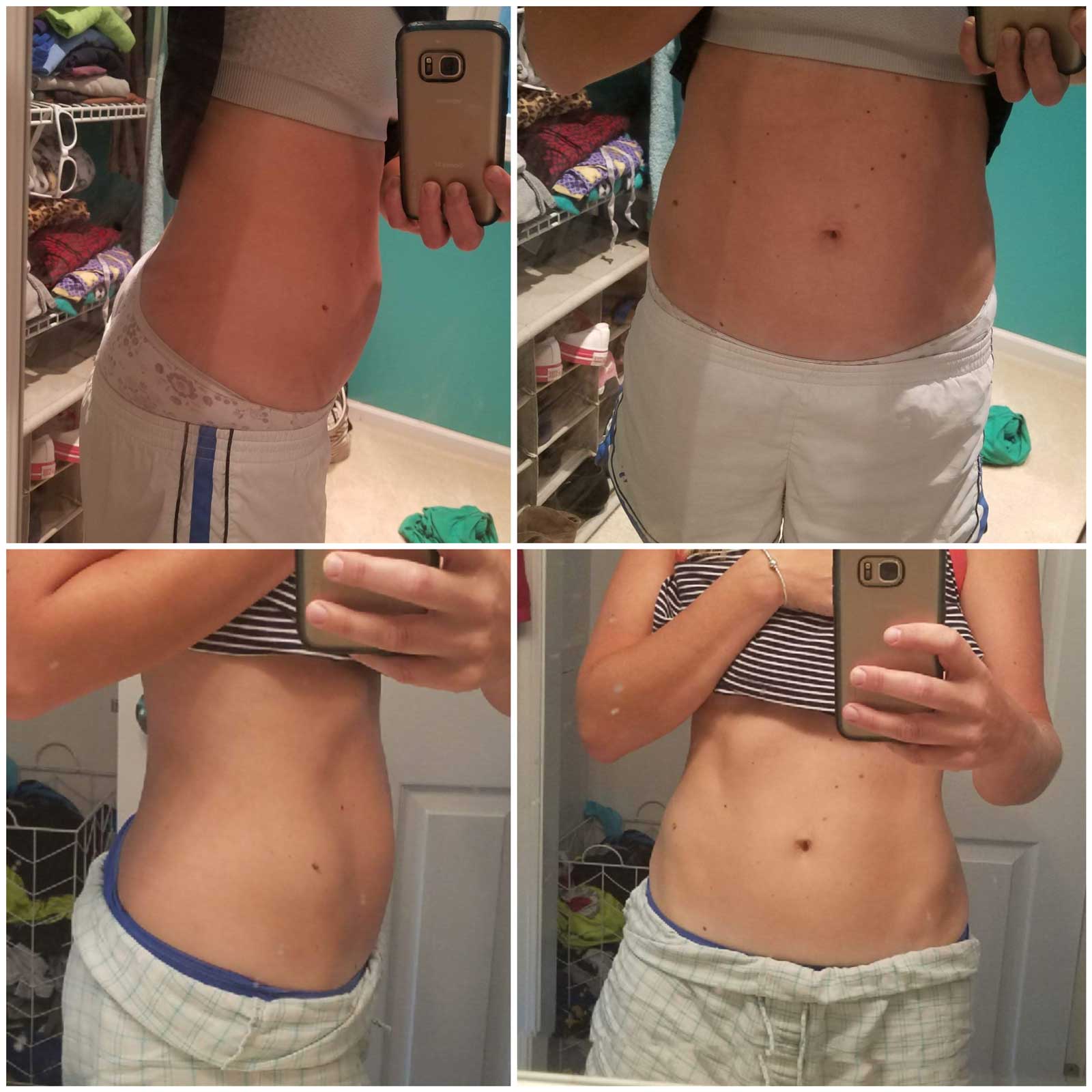
A growing body of evidence and real-world outcomes are spotlighting the efficacy of non-surgical interventions in addressing two prevalent and often debilitating postpartum conditions: diastasis recti and umbilical hernias. Historically, these conditions, particularly when severe, have often been routed towards surgical solutions like abdominoplasty (tummy tuck) and hernia repair. However, innovative, exercise-based programs are demonstrating remarkable success in core rehabilitation, providing a less invasive and highly accessible alternative for many individuals.
Diastasis recti, commonly referred to as "mommy pooch," is the separation of the rectus abdominis muscles (the "six-pack" muscles) along the linea alba, the connective tissue that runs down the midline of the abdomen. This separation occurs when the pressure of pregnancy stretches the abdominal wall, and the muscles fail to return to their pre-pregnancy alignment naturally. While a certain degree of separation is normal during pregnancy, it becomes problematic when the gap persists, leading to a range of symptoms beyond cosmetic concerns.
Understanding Diastasis Recti and Umbilical Hernias
![Diastasis Recti Before And After [Without Surgery] | Lucies List](https://www.lucieslist.com/wp-content/uploads/2024/03/umbilical-hernia.jpeg)
The physical transformation of the female body during pregnancy is profound, and while often celebrated, it can also lead to significant physical challenges. Diastasis recti affects nearly half of all women after childbirth, with a significant proportion (33% of women overall, and 39% of those over 35) still experiencing the condition 12 months postpartum, according to a 2021 study published by the National Institute of Health. Symptoms extend beyond the visible abdominal bulge, encompassing chronic lower back pain, pelvic floor dysfunction, urinary incontinence (leaking during coughs or sneezes), constipation, and even pain during sexual intercourse. These symptoms can profoundly impact a woman’s quality of life, often dismissed or misattributed to the general stresses of motherhood.
When diastasis recti is left untreated, it can lead to more serious complications, including the development of an umbilical hernia. An umbilical hernia occurs when abdominal tissue, such as fat or a portion of the intestine, protrudes through a weak spot in the abdominal wall, typically at or near the navel. For many women with diastasis recti, the weakened linea alba creates an ideal environment for a hernia to form. What was once an "innie" belly button can become a painful or uncomfortable "outie." While often benign, umbilical hernias carry the risk of more severe complications such as bowel obstruction, where the protruding tissue becomes trapped, potentially cutting off blood supply (strangulation), which is a medical emergency requiring immediate surgical intervention. Umbilical hernias are also common in newborns, though they often resolve on their own. In adults, especially postpartum women, they usually require intervention.
Traditional Treatment Pathways and Their Limitations
For decades, significant diastasis recti and umbilical hernias in adults have been primarily managed through surgical means. A tummy tuck, or abdominoplasty, involves surgically stitching the separated rectus abdominis muscles back together and removing excess skin and fat. Hernia repair surgery typically involves pushing the protruding tissue back into the abdomen and reinforcing the weakened area, often with a synthetic mesh.
![Diastasis Recti Before And After [Without Surgery] | Lucies List](https://www.lucieslist.com/wp-content/uploads/2024/03/diastasis-recti-check-1024x682.jpg)
However, these surgical approaches come with considerable considerations. Abdominoplasty is a major surgical procedure with associated risks, recovery time, and cost. Furthermore, insurance coverage for abdominoplasty is often limited, as it is frequently classified as a cosmetic procedure unless specific medical necessity criteria are met, such as severe chronic pain or functional impairment directly attributable to the diastasis. In many cases, a patient seeking hernia repair might be advised that an abdominoplasty is a prerequisite to ensure the long-term success of the hernia repair, as the continued pressure from unaddressed diastasis recti could lead to a recurrence of the hernia or failure of the mesh.
Another critical concern for many women is the impact of surgery on future pregnancies. While a repaired diastasis or hernia might hold, medical professionals often caution that a subsequent pregnancy could potentially undo the surgical repair, necessitating further intervention. This uncertainty often leads women to defer surgery, sometimes indefinitely, choosing to live with the discomfort and limitations of their condition.
The Emergence of Non-Surgical Solutions: A Case Study in Success
The landscape of postpartum recovery is undergoing a significant shift with the increasing recognition and validation of non-surgical, exercise-based rehabilitation programs. One such program, pioneered by Leah Keller, CEO of Every Mother, has garnered attention for its ability to effectively resolve diastasis recti and associated complications, including umbilical hernias, through targeted daily exercises.
![Diastasis Recti Before And After [Without Surgery] | Lucies List](https://www.lucieslist.com/wp-content/uploads/2024/03/diastasis-recti-before-and-after-1024x763.jpg)
A compelling illustration of this success is the journey of a mother in her 30s who, after two pregnancies within a short span, found herself grappling with persistent "mommy tummy," lower back pain, constipation, and urinary incontinence. Despite attempts at diet and increased walking, her symptoms remained. Six months postpartum, a gynecological examination revealed a significant 4 cm abdominal gap, indicative of severe diastasis recti, and the palpation of an umbilical hernia. This diagnosis initially led her down the path of traditional surgical consultation, where she learned of the potential need for an abdominoplasty before a hernia repair, and the risk of surgical failure with future pregnancies.
It was during this period of uncertainty that a suggestion from her gastrointestinal surgeon led her to an NPR segment titled "Flattening The ‘Mummy Tummy’ With 1 Exercise, 10 Minutes A Day," featuring Leah Keller. Keller’s program emphasized that certain common exercises, like traditional crunches, can exacerbate diastasis recti and even contribute to hernia formation. Instead, her methodology focuses on engaging the deep transverse abdominus, a crucial core muscle often overlooked in conventional fitness routines, through specific breathing and strengthening exercises. The program promised resolution of diastasis in as little as 12 weeks, with minimal equipment, performed at home.
A Detailed Journey of Rehabilitation
The individual’s experience with the Every Mother program unfolded as follows:
![Diastasis Recti Before And After [Without Surgery] | Lucies List](https://www.lucieslist.com/wp-content/uploads/2024/03/umbilical-hernia-anatomy.jpeg)
- Initial Engagement (Weeks 1-2): The program provided detailed instruction on safe and effective core engagement, emphasizing the importance of activating the deep transverse abdominus. This initial phase involved daily 8-10 minute breathing exercises. Participants often report a learning curve in correctly identifying and engaging this muscle, likening the guidance to having a personal physical therapist. Early signs of muscle soreness indicated effective activation.
- Turning Point and Measurable Progress (Week 3): By day 21, the program mandated a measurement check. The participant noted a significant reduction in waist circumference and a 2 cm decrease in her diastasis gap. This tangible progress served as a powerful motivator, coinciding with a noticeable decrease in post-workout soreness and an overall improvement in core strength, balance, and energy levels.
- Sustained Improvement and Symptom Resolution (Weeks 4-5): As the program progressed, additional targeted exercises were incorporated alongside the core breathing. The participant became adept at integrating core compression breathing into daily activities, such as showering or waiting at a red light. Crucially, symptoms like lower back pain and urinary incontinence were significantly reduced, with unexpected sneezes no longer resulting in urine leakage.
- Full Diastasis Closure (Day 62): Within a remarkable 62 days—less than three months—the participant achieved full closure of her diastasis recti. This outcome was achieved without the need for a tummy tuck, substantial financial investment in personal training, or concerns about abdominal muscle detachment impacting a hernia repair.
The Ultimate Test: Pregnancy and Postpartum Resilience
The true testament to the program’s effectiveness came when the participant became pregnant with her third child. By switching her workout path within the Every Mother app to "pregnancy," her routine was adjusted to minimize strain on the linea alba and promote core strength for labor. She reported a healthier pregnancy with less back pain and an easier recovery after delivering her daughter in April 2020.
During her 8-week postpartum visit, her gynecologist, upon reviewing her charts and conducting an examination, was reportedly "baffled" to find that her diastasis had not only closed but remained closed even after a subsequent pregnancy. This outcome is particularly significant, as it addresses a major concern associated with surgical repair and highlights the long-term benefits of strengthening the deep core muscles. Following this remarkable success, her OBGYN practice began recommending Every Mother to all their patients, regardless of their childbirth status.
Clinical Validation and Broader Implications
![Diastasis Recti Before And After [Without Surgery] | Lucies List](https://www.lucieslist.com/wp-content/uploads/2024/03/postpartum-belly-with-diastasis-recti-and-hernia-1024x684.jpg)
Leah Keller emphasizes the "tremendous clinical validation" her program has received through peer-reviewed journals and studies conducted in partnership with institutions like the Hospital for Special Surgery. A pilot study of 63 women in 2014, for instance, reported that 100% of participants fully resolved their diastasis recti within an average of 11.25 weeks. These findings underscore the program’s evidence-based foundation and its potential to revolutionize postpartum care.
Keller highlights that while many women discover the program reactively, seeking solutions for existing problems, the principles of healthy core engagement are universally beneficial. "We are all vulnerable and can all benefit from learning healthy ways to relax, lengthen, and strengthen core muscles," she states, noting that 80% of their users are symptomatic mothers seeking relief.
The accessibility and affordability of such programs are critical. With plans starting at under $10 per month, these resources offer a cost-effective alternative to expensive personal trainers or surgical interventions, making effective postpartum rehabilitation available to a wider demographic. Keller’s advice to "just start" and recognize that "your body is resilient" resonates with the growing movement towards empowering individuals with knowledge and tools for self-care. The anecdote of an 82-year-old woman successfully closing her diastasis recti further underscores that it is "never too late to start."
The implications of these non-surgical successes are far-reaching. For individual women, it means regaining physical comfort, addressing debilitating symptoms, and improving their overall quality of life without the risks and recovery time associated with surgery. For healthcare systems, widespread adoption of effective non-surgical methods could lead to reduced surgical caseloads, lower healthcare costs, and a more holistic approach to maternal health. It also represents a shift in medical understanding, moving from solely reactive surgical solutions to proactive, rehabilitative strategies that leverage the body’s innate capacity for healing and strengthening.
![Diastasis Recti Before And After [Without Surgery] | Lucies List](https://www.lucieslist.com/wp-content/uploads/2024/03/diastasis-recti-before-and-after-transformation-1024x1024.jpg)
This paradigm shift not only offers hope for mothers grappling with postpartum abdominal issues but also advocates for greater awareness and education about core health at all stages of life. The ability to prevent and treat complex conditions like diastasis recti and umbilical hernias through simple, consistent, and evidence-based exercise marks a significant advancement in women’s health.