

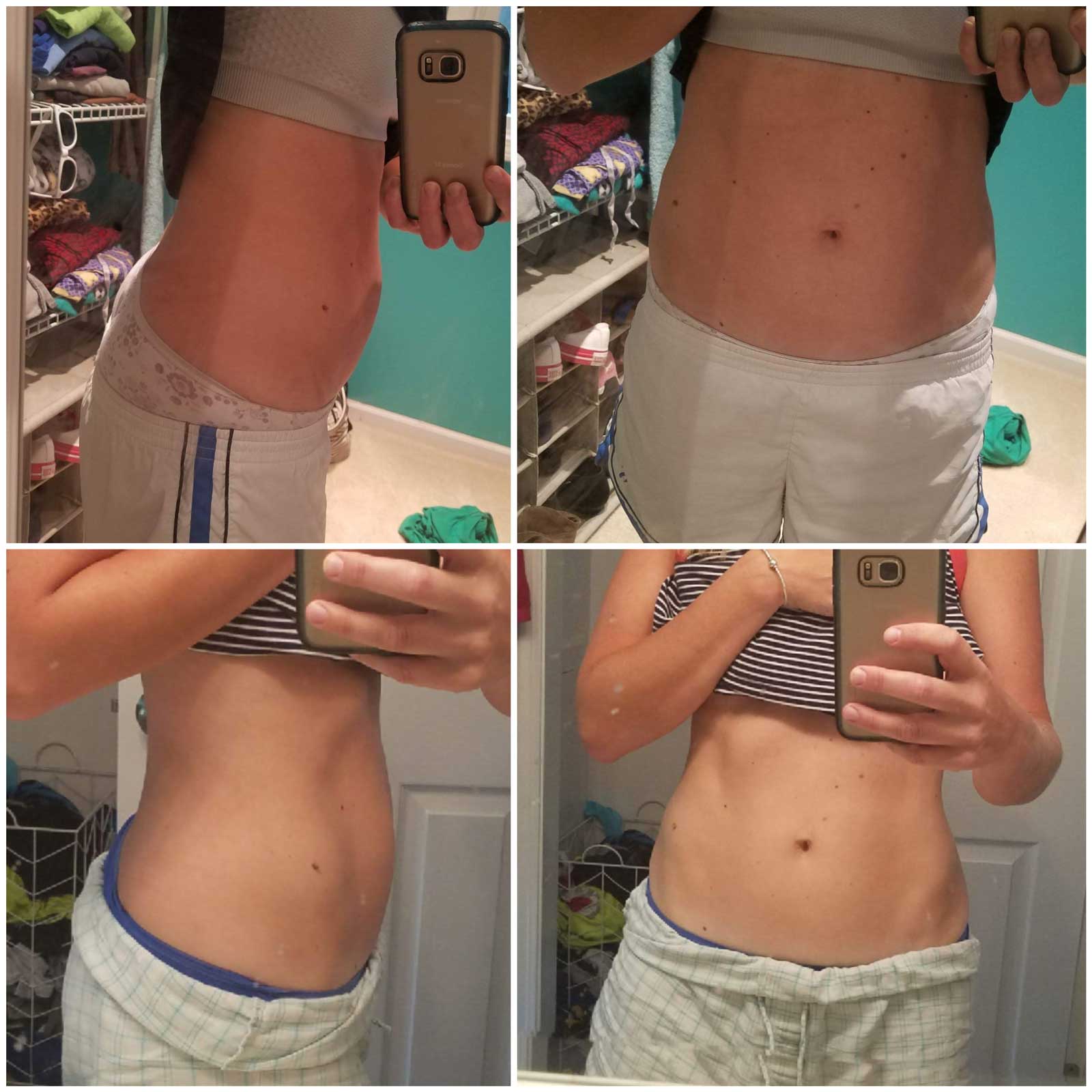
A remarkable case study highlights a growing trend in postpartum recovery, demonstrating how a targeted exercise regimen can effectively resolve severe diastasis recti (DR) and an umbilical hernia, conditions often thought to require surgical intervention. This non-invasive approach, championed by the "Every Mother" program, presents a compelling alternative for mothers navigating the physical challenges of childbirth. The individual’s journey, which included two previous cesarean sections and a subsequent third pregnancy, showcases the potential for significant core rehabilitation without the need for abdominoplasty or hernia repair surgery.
Understanding Diastasis Recti and Umbilical Hernia
Diastasis recti, commonly known as "mummy tummy," is a prevalent condition affecting nearly half of all women after childbirth. It occurs when the rectus abdominis muscles, the "six-pack" muscles, separate due to the intense pressure exerted on the abdominal wall during pregnancy. This separation, or gap, in the linea alba (the connective tissue running down the midline of the abdomen) can lead to a range of symptoms beyond cosmetic concerns. These often include persistent lower back pain, chronic constipation, urinary incontinence (even from minor actions like coughing or sneezing), pelvic pain, and reduced core strength. While many women experience some degree of abdominal separation postpartum, the National Institute of Health (2021) reports that 33% of women, and 39% of those over 35, continue to suffer from DR 12 months after childbirth. Left untreated, DR can exacerbate core weakness and significantly impact quality of life, potentially leading to more severe complications.
![Diastasis Recti Before And After [Without Surgery] | Lucies List](https://www.lucieslist.com/wp-content/uploads/2024/03/umbilical-hernia.jpeg)
One such severe complication is an umbilical hernia. This condition arises when abdominal tissue protrudes through a weakened spot, often near the navel, which can be a direct consequence of unresolved diastasis recti. An umbilical hernia can manifest as a noticeable "outtie" belly button, even if it was previously an "innie." Beyond discomfort, an umbilical hernia poses risks such as bowel obstruction, a medical emergency requiring immediate attention. Traditional medical approaches for significant DR and umbilical hernias often involve surgical repair. For diastasis recti, this typically means an abdominoplasty, or "tummy tuck," to surgically re-approximate the separated abdominal muscles. Hernia repair, which may involve the placement of a surgical mesh, is then performed. However, surgeons often require prior abdominoplasty for severe DR to ensure the stability of the hernia repair, as continued pressure from unaddressed muscle separation could compromise the mesh and lead to recurrence.
A Challenging Postpartum Journey
The individual’s experience began in her thirties after delivering two children within a short span, both via cesarean sections. Months postpartum, despite attempts at diet modification and increased stroller walks, she continued to experience a persistent "mommy tummy," along with nagging lower back pain, constipation, and occasional urinary leakage. Initially, these symptoms were attributed to the immense physical toll of childbirth and the impact of two C-sections on her abdominal muscles. However, as the discomfort intensified and began to overshadow the joys of motherhood, she sought medical evaluation.
A gynecological examination revealed a significant 4 cm abdominal gap, leading to a diagnosis of diastasis recti. Further examination uncovered an umbilical hernia tear, prompting a referral to a gastroenterologist for surgical consultation. The prospect of surgery presented a dilemma: the gastroenterologist explained that an abdominoplasty would likely be required before hernia repair to prevent future complications, as the detached abdominal muscles would continue to strain the connective tissue around the hernia. Compounding this, the surgeon noted that a future pregnancy could potentially compromise any surgical repair. Faced with the uncertainty and invasiveness of surgery, the individual deferred the procedure, seeking alternatives.
![Diastasis Recti Before And After [Without Surgery] | Lucies List](https://www.lucieslist.com/wp-content/uploads/2024/03/diastasis-recti-check-1024x682.jpg)
The Turning Point: A Non-Surgical Solution Emerges
During her pre-operative appointment, a pivotal suggestion came from her GI surgeon, who mentioned an NPR segment about a non-surgical approach to resolve "mummy tummy." This segment featured Leah Keller, CEO of Every Mother, a program dedicated to core and pelvic floor rehabilitation. Keller’s methodology, as highlighted in the interview, focused on specific exercises designed to heal diastasis recti, cautioning against common exercises like crossover crunches that can exacerbate the condition and even contribute to hernia formation. The program promised resolution of diastasis in as little as 12 weeks with just ten minutes of daily exercise, performed at home with minimal equipment.
Intrigued yet skeptical, the individual downloaded the Every Mother app, completed its initial assessment quiz, and began the recommended exercise path. She incorporated dumbbells and a resistance band, committing to the daily routine. The core of the program involved learning to engage the deep transverse abdominus, a muscle often overlooked in conventional fitness routines, through precise breathing exercises. The initial weeks involved a steep learning curve, akin to receiving personalized physical therapy, as she adapted to the new way of engaging her core muscles.
Documented Progress and Resolution
![Diastasis Recti Before And After [Without Surgery] | Lucies List](https://www.lucieslist.com/wp-content/uploads/2024/03/diastasis-recti-before-and-after-1024x763.jpg)
The commitment to the Every Mother program yielded tangible results remarkably quickly. Within the first two weeks, she noted the expected muscle soreness, indicating effective engagement. A significant turning point occurred at the three-week mark when the app prompted a measurement check. This revealed a 2 cm reduction in her abdominal gap, a clear indication that her diastasis was shrinking. This early success spurred her motivation, and she reported feeling more balanced and energized, with a noticeable decrease in morning soreness.
By weeks four and five, the individual was fully invested in the program. She began incorporating the suggested supplementary workouts alongside the core breathing exercises. She consciously integrated core compression breathing into daily activities, such as showering or waiting at a red light, demonstrating a profound shift in body awareness. Crucially, the debilitating symptoms that had plagued her for months began to recede: her chronic back pain vanished, and episodes of urinary incontinence, even from sudden sneezes or coughs, became a thing of the past.
The most compelling outcome arrived by day 62, less than three months after starting the program: her diastasis recti was officially closed. This achievement meant avoiding an abdominoplasty, the significant financial investment associated with personal trainers and gym memberships, and the concern that detached abdominal muscles would compromise any future hernia repair.
Resilience Through Subsequent Pregnancy
![Diastasis Recti Before And After [Without Surgery] | Lucies List](https://www.lucieslist.com/wp-content/uploads/2024/03/umbilical-hernia-anatomy.jpeg)
The true test of the program’s efficacy came months later when the individual became pregnant with her third child. She seamlessly transitioned her routine within the Every Mother app to the "pregnancy" path, which adjusted exercises to minimize strain on the linea alba and optimize core strength for labor. This proactive approach contributed to a healthier pregnancy, reduced back pain, and an easier recovery following her daughter’s birth in April 2020.
At her 8-week postpartum visit, her gynecologist expressed astonishment. After meticulously reviewing her charts, the medical professional confirmed that not only had the individual successfully closed her diastasis recti initially, but it had also remained closed after a subsequent pregnancy. This outcome was a significant deviation from typical postpartum recovery patterns and highlighted the program’s preventative and restorative power. Following this success, the gynecologist’s practice began recommending Every Mother to all their patients, regardless of their current stage of childbirth.
Clinical Validation and Expert Endorsement
Leah Keller, CEO of Every Mother, emphasizes the extensive clinical validation behind her program. In an interview, she highlighted the "tremendous clinical validation" through peer-reviewed journals and studies conducted in collaboration with institutions like the Hospital for Special Surgery. A notable 2014 pilot study involving 63 women demonstrated that 100% of participants fully resolved their diastasis recti in an average of 11.25 weeks using the program’s methods. Keller underscored the universal applicability of the program, stating, "We are all vulnerable and can all benefit from learning healthy ways to relax, lengthen, and strengthen core muscles." She noted that while 80% of users discover the program reactively, seeking solutions for postpartum symptoms, the exercises offer proactive benefits for anyone.
![Diastasis Recti Before And After [Without Surgery] | Lucies List](https://www.lucieslist.com/wp-content/uploads/2024/03/postpartum-belly-with-diastasis-recti-and-hernia-1024x684.jpg)
Keller’s message to those contemplating the program is one of encouragement and accessibility: "Just start. You need minutes a day – not hours. It’s one baby step at a time. One day at a time. Any step forward is progress. Your body is resilient. Your body wants to get better. It starts with awareness. Everyone deserves affordable access to this information and to know how our body works." When asked if it’s ever too late to begin, Keller shared an inspiring anecdote: "Recently, we had an 82-year-old woman close her diastasis." This underscores the program’s potential for individuals across all ages and life stages.
Broader Implications for Postpartum Healthcare
The success story of this non-surgical approach carries significant implications for postpartum healthcare and women’s wellness. Traditionally, the medical community has often presented surgery as the primary, and sometimes only, definitive solution for severe diastasis recti and umbilical hernias. However, cases like this challenge that paradigm, advocating for conservative, accessible, and highly effective alternatives.
The widespread adoption of such programs could lead to a substantial reduction in healthcare costs associated with surgical procedures, anesthesia, hospital stays, and lengthy recovery periods. Furthermore, it could alleviate the burden on surgical resources, freeing them for cases where intervention is truly unavoidable. For mothers, this offers an empowering pathway to recovery, allowing them to regain core strength, alleviate painful symptoms, and restore body confidence without the risks, recovery time, and financial strain of surgery. The ability to perform these exercises at home, often requiring only 10 minutes a day, removes many barriers to access, making effective rehabilitation attainable for a broader demographic, including those with limited time, childcare resources, or financial flexibility for in-person physical therapy.
![Diastasis Recti Before And After [Without Surgery] | Lucies List](https://www.lucieslist.com/wp-content/uploads/2024/03/diastasis-recti-before-and-after-transformation-1024x1024.jpg)
Moreover, the emphasis on understanding and engaging the deep transverse abdominus muscle highlights an evolving understanding of core mechanics in postpartum recovery. This shift moves beyond conventional abdominal exercises, many of which can worsen DR, towards a more nuanced and physiologically informed approach. As medical professionals like the gynecologist in this narrative begin to integrate such programs into their patient recommendations, it signals a positive trend toward holistic and patient-centered postpartum care. The long-term impact could reshape guidelines for postpartum rehabilitation, prioritizing non-invasive, evidence-based exercise as a first-line treatment for conditions like diastasis recti and associated umbilical hernias, ultimately enhancing the health and well-being of countless mothers.