


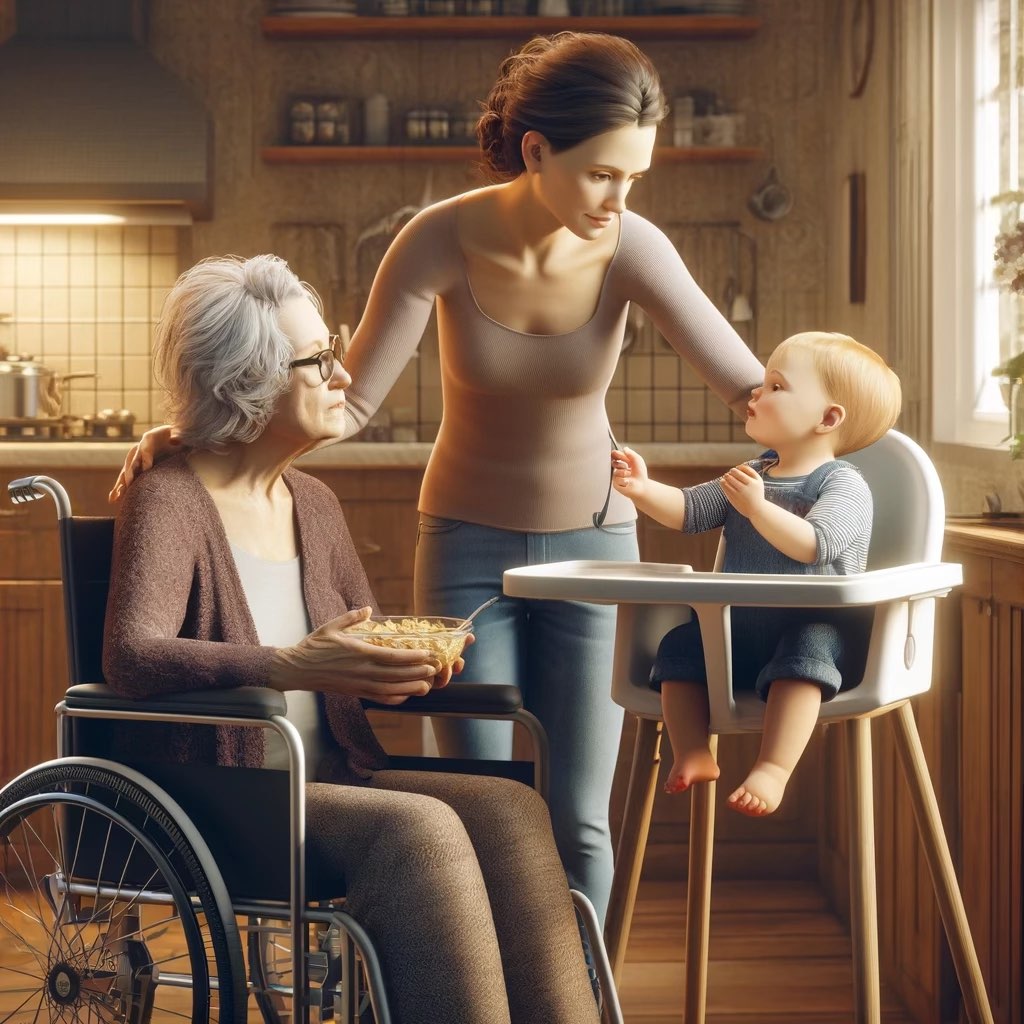
The "Sandwich Generation," a demographic comprising individuals, typically in their 40s and 50s, who are simultaneously caring for aging parents and their own dependent children, represents an increasingly prevalent and challenging societal phenomenon. This demanding dual role often leads to significant emotional, financial, and physical strain, with profound implications for family well-being, healthcare systems, and national economies. As lifespans extend and the cost of living and care continues to rise, more individuals find themselves caught in this unique generational bind, highlighting an urgent need for robust support structures and policy considerations.
Defining a Modern Dilemma
The term "Sandwich Generation" was coined in 1981 by social worker Dorothy Miller to describe adult children caring for their aging parents. Over time, its definition evolved to include those simultaneously raising young children. Today, this demographic is further categorized into several groups: the Traditional Sandwich Generation (those in their 40s-50s caring for parents and young children), the Club Sandwich Generation (older adults in their 50s-60s caring for aging parents, adult children, and grandchildren, or younger adults in their 30s-40s caring for young children and aging grandparents), and the Open-Faced Sandwich Generation (anyone involved in elder care who is not formally a caregiver).
Demographic shifts are largely responsible for the expansion of this group. Increased longevity means parents are living longer, often into advanced old age where chronic conditions like dementia become more common. Concurrently, many adults are delaying parenthood, resulting in smaller age gaps between their dependent children and their elderly parents. According to a 2013 Pew Research Center study, nearly half (47%) of adults in their 40s and 50s have a parent aged 65 or older and are either raising a young child or supporting a grown child. Data from the National Alliance for Caregiving further indicates that millions of Americans serve as unpaid family caregivers, many balancing these responsibilities with work and other family obligations.
A Personal Journey Through Dual Caregiving
The experience of Marissa Bader, a writer and author, exemplifies the profound challenges faced by members of the Sandwich Generation. Her personal narrative details the abrupt and emotionally jarring shift into full-time caregiving for her mother while simultaneously raising three young children.
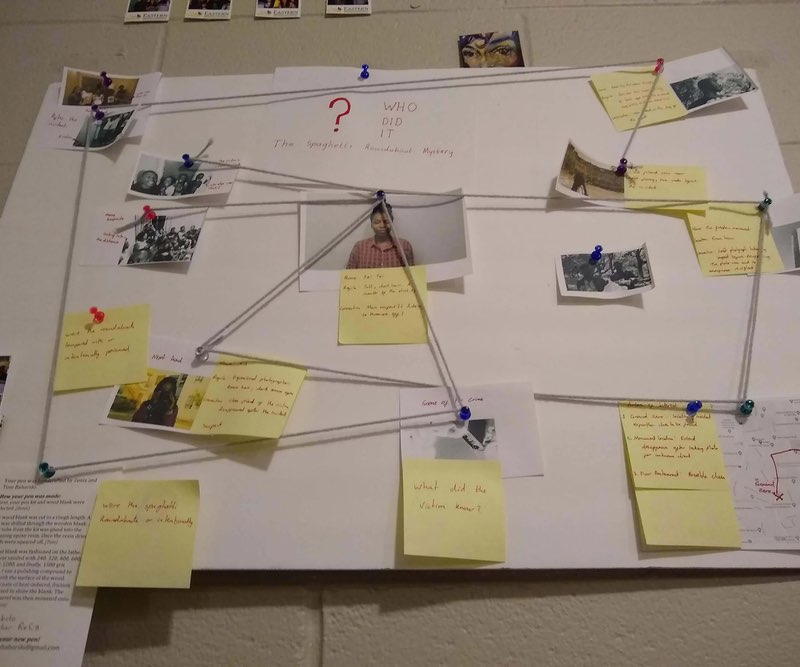
The critical turning point occurred in 2019 when Bader’s mother was diagnosed with Myelodysplastic Syndrome (MDS), a type of blood cancer. This diagnosis brought to light a more insidious problem: significant cognitive decline. What began as "spottiness" in memory rapidly progressed, revealing severe forgetfulness, confusion, paranoia, and a notable deterioration in personal care and home management—a stark contrast to her mother’s previously meticulous nature. This realization propelled Bader into the role of primary medical advocate, necessitating a meticulous, detective-like effort to reconstruct her mother’s medical history and coordinate care. This initial phase, marked by emotional exhaustion and a sense of being overwhelmed, solidified her entry into the Sandwich Generation.
Chronology of Escalating Care Needs:
- 2019: Mother diagnosed with Myelodysplastic Syndrome (MDS). Simultaneously, Bader observes significant memory lapses and confusion, leading her to assume active management of her mother’s medical appointments and records.
- Late 2019/Early 2020: Following chemotherapy, the mother achieves remission from MDS. However, cognitive decline accelerates, manifesting as increasingly outlandish stories, repetitive questioning, and neglect of personal and home hygiene.
- Mid-2020: Bader initiates a conversation with her mother about memory concerns, leading to an appointment with a geriatrician specializing in Alzheimer’s/Dementia.
- Late 2020: Official diagnosis of early-stage Dementia. The family completes essential legal paperwork, including Power of Attorney and advanced directives, and begins planning for future care needs.
- 2021-2022: Dementia progresses, making independent living and driving unsafe. The family explores options for higher levels of care, facing the mother’s initial resistance to live-in assistance due to privacy concerns. Bader experiences significant stress, balancing her mother’s escalating needs with her children’s demands and professional deadlines.
- April 2023: While wintering in Arizona, the mother suffers a severe hip fracture after a fall. This physical trauma, coupled with changes in environment, routine, medication, and the inability to smoke, precipitates a rapid and dramatic increase in her dementia symptoms, causing her to age "10 years within one week."
- May 2023: Following hospitalisation and a brief stint in a rehabilitation facility, the family makes the difficult decision to move the mother into a memory care facility. This transition is emotionally fraught, involving a difficult conversation with the mother and navigating her distress and confusion.
- January 2024: After approximately eight months, the family moves the mother from the initial memory care facility to a new, smaller, community-focused home that proves to be a better fit, leading to improved well-being and social engagement for the mother.
The Broader Impact and Implications
The Bader family’s experience is not isolated. Millions of caregivers across the nation face similar situations, highlighting a multifaceted crisis with significant societal implications:
Financial Strain: Caregiving for elderly parents can be financially devastating. A 2021 AARP report found that family caregivers spend an average of $7,242 out-of-pocket annually on caregiving expenses, including medical costs, housing, transportation, and specialized equipment. For those simultaneously supporting children, this burden is compounded. The cost of professional memory care facilities, as eventually utilized by Bader’s family, can range from $5,000 to over $10,000 per month, often quickly depleting family savings and retirement funds.
Emotional and Psychological Toll: The emotional burden on Sandwich Generation caregivers is immense. Studies consistently show higher rates of stress, anxiety, depression, and burnout among this group. The constant juggling of responsibilities, coupled with the emotional weight of witnessing a parent’s decline and the guilt associated with difficult care decisions, can lead to severe mental health challenges. Marissa Bader’s account of "pouring everything, all the time, from an empty cup" resonates deeply with many.
Impact on Careers and Personal Life: Many caregivers are forced to reduce work hours, pass up promotions, or even leave their jobs entirely to meet caregiving demands. This impacts their own financial security, career progression, and future retirement prospects. The constant demands also leave little time for personal well-being, hobbies, or maintaining relationships, including with spouses and other family members, often leading to social isolation and relationship strain.
Societal and Policy Challenges: The growing number of Sandwich Generation caregivers underscores critical gaps in societal support systems. There is a pressing need for:
- Affordable Long-Term Care: Expanding access to affordable and high-quality home care, assisted living, and memory care facilities is crucial.
- Caregiver Support Programs: Increased funding for respite care, support groups, training, and mental health services for caregivers.
- Workplace Flexibility: Policies that support caregivers, such as paid family leave, flexible work arrangements, and caregiver-friendly workplaces.
- Public Awareness and Education: Greater public understanding of dementia and other age-related conditions, and the resources available for families.
Expert Perspectives and Resources
Geriatricians and social workers frequently emphasize the importance of early diagnosis and proactive planning for conditions like dementia. Dr. Smith, the geriatrician in Bader’s narrative, exemplifies the critical role of specialized medical professionals in navigating these complex diagnoses. Advocacy groups like the Alzheimer’s Association and AARP provide vital resources, including helplines, support groups, and information on legal and financial planning. They consistently advocate for policy changes that would alleviate the burden on family caregivers, such as expanding Medicare and Medicaid coverage for long-term care services and establishing tax credits for caregiving expenses.
Economists highlight the significant economic contribution of unpaid family caregivers, whose services, if monetized, would represent hundreds of billions of dollars annually. The lack of adequate support for these caregivers places a hidden strain on the economy, impacting productivity and healthcare costs in the long run.
Looking Forward
The journey of the Sandwich Generation is ongoing and constantly evolving. As Marissa Bader reflects on her family’s difficult but ultimately successful transition to a new memory care facility for her mother, she underscores the importance of resilience, self-compassion, and the continuous search for the right solutions. While her mother’s dementia continues to progress, her improved well-being in a supportive environment illustrates that optimal outcomes are possible even in challenging circumstances.
For those navigating this complex caregiving landscape, the message is clear: You are not alone. Seeking support, planning proactively, and advocating for personal and systemic change are not just beneficial but essential. The experience of the Sandwich Generation is a powerful reminder of the deep bonds of family and the profound responsibilities that come with them, urging society to collectively strengthen the support systems necessary for these dedicated caregivers.
Marissa Bader continues her work as a writer and author of children’s books, including The Only Me, Stella’s Brave Voice, and the forthcoming Petunia the Perfectionist. Her personal narrative, while deeply personal, serves as a poignant illustration of a universal challenge faced by an ever-growing segment of the population.