

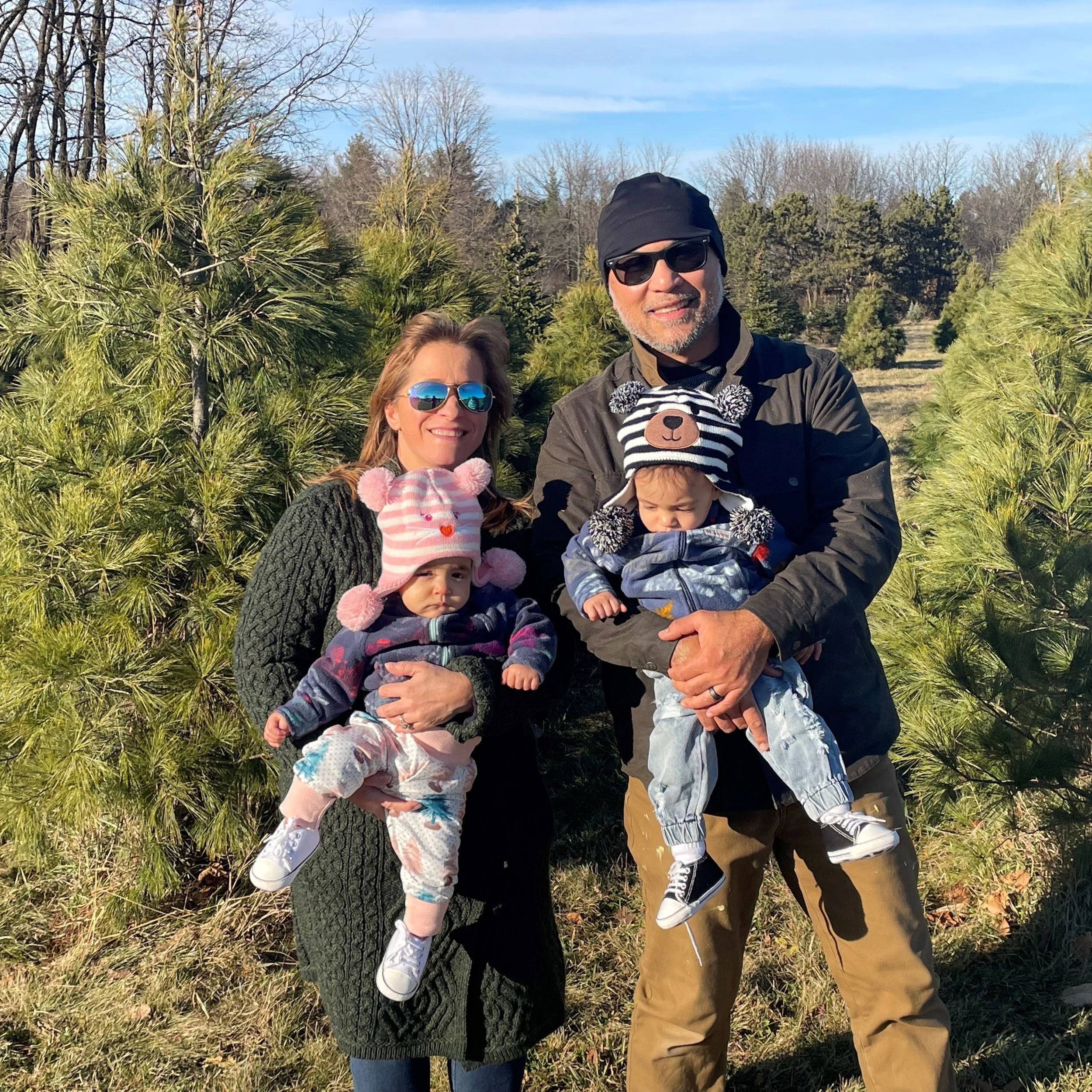
The transition into fatherhood represents one of the most significant psychological and sociological shifts in a man’s life, yet for those who enter this phase later in life and through the lens of complex family histories, the experience is marked by a unique intersection of resilience and cultural redefinition. For one Filipino man, whose journey to parenthood spanned decades of personal loss, failed marriages, and eventually, the high-stakes world of fertility treatments, the arrival of twin sons born at 29 weeks serves as a case study in the modern evolution of paternal roles. This narrative reflects a broader global trend where traditional "machismo" is increasingly being replaced by a nurturing, domestic-focused masculinity, often guided by intergenerational mentorship rather than direct paternal presence.
The Intergenerational Blueprint: From Fatherless to Grandfather-Led
The subject’s journey began with a significant void: the absence of a biological father during his formative years. In many traditional sociological frameworks, the absence of a father is often linked to various developmental challenges. However, in this instance, the void was filled by a grandfather figure who provided what the subject describes as a "larger than life" template for manhood. This "Renaissance man" model—characterized by creativity, social fluidity, and playfulness—offered an alternative to the rigid, often stoic expectations of traditional masculinity.
Research into intergenerational parenting suggests that grandfathers often play a critical role in "rescuing" the paternal narrative for fatherless children. By embodying a mix of what are traditionally labeled "masculine" and "feminine" traits—such as being both a protector and a creative nurturer—the grandfather provided a blueprint that allowed the subject to bypass the more restrictive aspects of "machismo" often found in Southeast Asian cultures. This early exposure to a multifaceted male role model created a lifelong aspiration not just to be a father, but to embody the specific virtues of the elder generation.
The Chronology of Delayed Fatherhood and Fertility Challenges
As the subject matured into his 30s and 40s, the path to fatherhood was hindered by the complexities of modern relationships. After two failed marriages and reaching his late 40s, the subject entered a phase of "acceptance," a psychological state common among men who believe their biological window for parenthood has closed. According to data from the Centers for Disease Control and Prevention (CDC), the average age of first-time fathers has been steadily rising in the United States and other developed nations, yet the transition from acceptance of childlessness to active fertility seeking is a profound emotional shift.
The meeting of a new partner served as the catalyst for re-entering the paternal pursuit. This process involved Assisted Reproductive Technology (ART), a field that has seen a 20% increase in usage over the last decade. The journey through fertility treatments is rarely linear; it is often defined by "countless setbacks," which can include failed In Vitro Fertilization (IVF) cycles, chemical pregnancies, and the significant financial and emotional strain associated with the $20 billion global fertility industry. For a man in his late 40s, the news of impending fatherhood was not an immediate "lightbulb" moment but a slow, heavy realization that required the recalibration of a decades-old self-identity.
The Medical Reality: Navigating the 29-Week Preterm Birth
The transition to fatherhood was further complicated by a medical crisis: the birth of twins at just 29 weeks gestation. In clinical terms, a birth at 29 weeks is classified as "very preterm." According to neonatal health statistics, infants born at this stage face a myriad of immediate challenges, including respiratory distress syndrome, potential intraventricular hemorrhage, and the need for prolonged stays in a Neonatal Intensive Care Unit (NICU).
For the new father, the arrival of the twins meant balancing the natural "high" of parenthood with the "sheer worry" of infant vulnerability. This period is often described by medical professionals as a "NICU roller coaster," where parents must learn to bond with their children through the glass of an isolette while navigating complex medical data. The subject’s ability to tap into a "natural nurturing side" during this crisis is indicative of a shift in paternal psychology, where the father’s role is no longer just that of a provider or observer, but an active, hands-on caregiver in a high-stakes medical environment.
Redefining Filipino Masculinity: The Rejection of Machismo
A central theme in this narrative is the rejection of "machismo," a cultural construct that has historically dominated many Latin and Southeast Asian societies. Machismo typically emphasizes male dominance, physical prowess, and an aversion to domestic labor or emotional vulnerability. However, the subject’s identification with his "feminine/nurturing" side represents a growing segment of the Filipino diaspora that seeks to decouple "manhood" from "dominance."
Sociological studies on Filipino-American and diaspora families often highlight the concept of Padre de Familia, which traditionally placed the father as the head of the household. The modern iteration of this role, as demonstrated by the subject, involves a 200% accountability model. This includes an embrace of housework—washing dishes and doing laundry—not as chores, but as "meditative" and "emotionally cleansing" acts. This shift aligns with broader trends in the "New Fatherhood" movement, where men are increasingly finding value in domestic contributions that were once relegated to the female sphere.
Supporting Data: The Rise of the Active Father
The subject’s experience is supported by broader societal data regarding fatherhood and domesticity:
- Domestic Involvement: According to the Pew Research Center, fathers in the 21st century spend nearly triple the amount of time on childcare than they did in the 1960s. The subject’s finding of "meditative" value in housework is a psychological coping mechanism that links domestic order to family stability.
- Late-Stage Fatherhood Outcomes: While much focus is placed on "geriatric" motherhood, the "Older Dad" phenomenon is significant. Children of older fathers often benefit from the father’s increased financial stability and psychological maturity, though they may face higher risks for certain genetic conditions.
- The Impact of Faith: The subject’s reliance on faith and prayer as a tool for "fatherhood skills" reflects a common trend in the Filipino community, where spiritual frameworks provide the resilience needed to handle the "unknown" of premature births and health uncertainties.
Official Responses and Psychological Implications
While there are no "official" statements from government bodies on this specific case, family psychologists often point to such narratives as evidence of "resilience modeling." Dr. Michael Lamb, a leading researcher on the role of the father in child development, has long argued that the quality of the father-child relationship—characterized by sensitivity and responsiveness—is far more important than the father’s adherence to traditional gender roles.
The subject’s reflection that his lack of a biological father "factored little to my reality now" challenges the "fatherless deficit" model. Instead, it suggests that a "bouquet" of life lessons—gathered from grandfathers, failed marriages, and personal hardships—can be synthesized into a highly effective parenting style. The psychological transition from "accepting childlessness" to "embracing twins in the NICU" requires a level of emotional flexibility that is increasingly recognized as a hallmark of modern paternal health.
Broader Impact: A New Template for the Next Generation
The implications of this journey extend beyond one family. It provides a template for:
- Older Men: Demonstrating that the window for meaningful contribution to the next generation is wider than previously thought.
- The Filipino Community: Offering a counter-narrative to machismo that prizes emotional intelligence and domestic partnership.
- NICU Parents: Highlighting the importance of maintaining "real joy for life" even in the face of medical uncertainty.
In conclusion, the subject’s journey from a fatherless childhood to becoming the father of 29-week-old twins is a testament to the fluidity of modern masculinity. By leaning on the memory of a "Renaissance" grandfather and embracing the "meditative" nature of domestic life, he has constructed a version of fatherhood that is both ancient in its commitment and modern in its execution. The "bouquet of flowers" metaphor used by the subject serves as a final analysis of his perspective: the value of the experience lies not in the setting or the circumstances, but in the inherent beauty of the role itself—a role he waited nearly five decades to finally play.