

The quintessential image of a parent calmly ushering well-rested children out the door for school or daycare often remains an elusive ideal for many households. Gone are the days when an individual’s morning routine consisted simply of grabbing essentials and leaving; with children, the dawn often heralds a complex orchestration of tasks, potential delays, and emotional negotiations. As the academic year recommences, the perennial challenge of ensuring punctuality while preserving household harmony resurfaces, prompting a renewed focus on effective strategies for managing the morning rush.

The Modern Morning Rush: A Widespread Challenge
For countless families, the period between waking and school drop-off is a high-stakes race against the clock, fraught with "speed bumps" ranging from forgotten homework to wardrobe disputes and breakfast negotiations. This daily struggle significantly contributes to parental stress and can negatively impact children’s readiness for learning. According to various surveys on family well-being, parents consistently cite managing daily routines, particularly mornings, as a major source of stress. The cumulative effect of chaotic starts can permeate the entire day, influencing children’s mood, focus, and overall academic performance, as well as parental productivity and mental state. Educators and child development specialists frequently observe that children who begin their day in a calm, predictable manner are generally more prepared to engage with their school environment, exhibiting better concentration and emotional regulation.

The Foundation of Success: Establishing Routines
Central to mitigating morning chaos is the establishment of clear, consistent routines. Developmental psychologists and educational experts universally agree that children thrive on predictability. A structured routine provides a sense of security, reduces anxiety, and helps children develop crucial executive function skills, such as planning, self-regulation, and time management. With the seasonal shift back to school or daycare, the autumn period presents an opportune moment to re-evaluate and reinforce these foundational household structures. These routines, once happily relegated to the background during the more relaxed summer months, are vital tools for a smoothly operating family unit. Implementing a well-thought-out morning schedule not only ensures timely departures but also cultivates independence and responsibility in children, laying groundwork for future self-sufficiency.

Seven Strategies for Harmonious Mornings
Drawing on insights from family management and child psychology, the following strategies offer practical pathways to transform frantic mornings into efficient, even enjoyable, experiences:

1. Proactive Preparation: The Evening Advantage
The cornerstone of a successful morning often lies in the actions taken the night before. By addressing as many tasks as possible in the evening, parents can significantly reduce decision fatigue and potential crises at crunch time. This includes simple yet impactful actions such as laying out clothes for the following day, a process that can involve children to foster autonomy and minimize morning disagreements over outfits. Beyond attire, preparing breakfast stations, packing lunchboxes, and organizing school bags are critical steps. For parents seeking to maximize efficiency, utilizing tools like weekly clothes organizers can streamline wardrobe choices for an entire week, freeing up valuable mental bandwidth. Similarly, a dedicated school lunch planner can simplify meal preparation, ensuring nutritious options are readily available. This pre-emptive approach not only saves time but also reduces the likelihood of forgotten items and last-minute meltdowns.
2. Prioritizing Parental Well-being: The "Me-Time" Imperative
An often-overlooked yet profoundly impactful strategy involves parents dedicating time for themselves before their children wake. While sacrificing an extra 30 minutes of sleep may seem counterintuitive, many parents report that waking up earlier allows them to prepare themselves mentally and physically in peace. This personal time, perhaps for a quiet cup of coffee, a brief workout, or simply getting dressed without interruption, enables parents to approach the subsequent demands of preparing their children with greater calm and focus. This intentional self-discipline, often requiring an earlier bedtime, contributes significantly to a more positive overall morning flow, allowing parents to be more present and less reactive when engaging with their children.
3. Mastering Time with Visual Cues and Auditory Signals
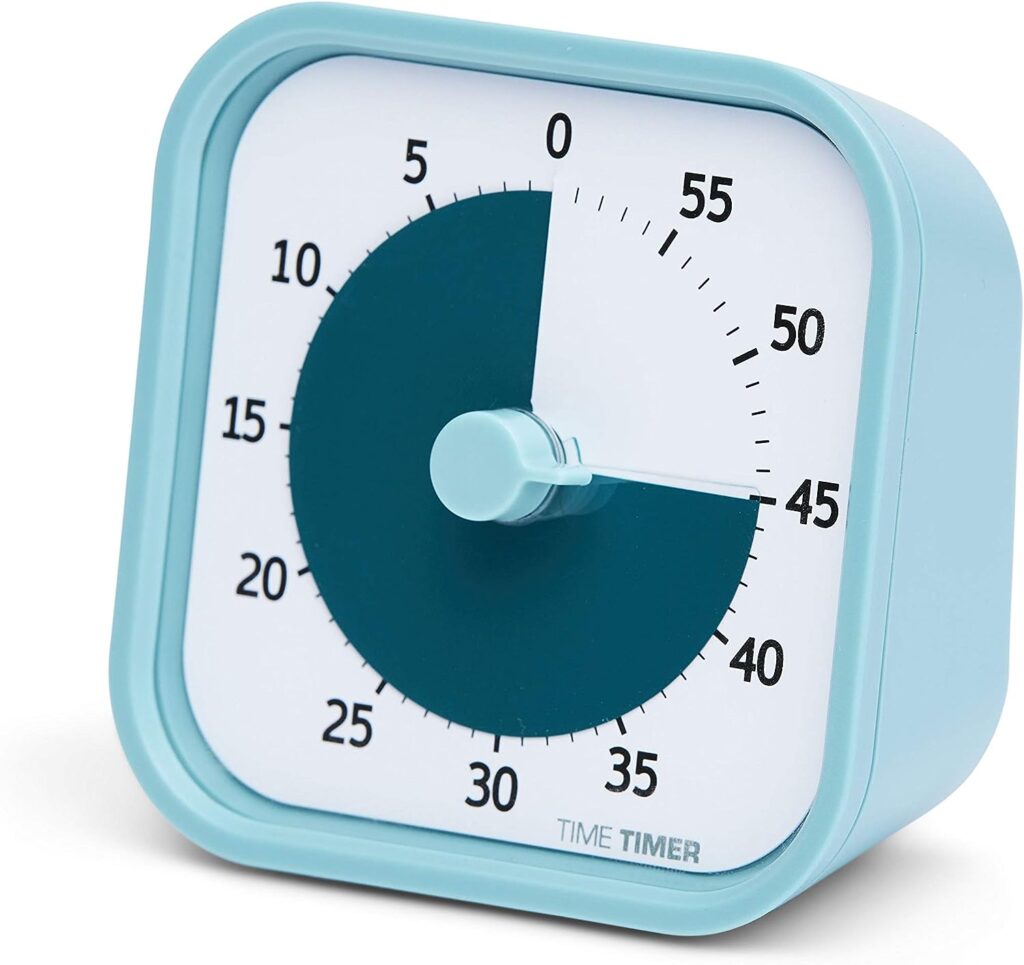
For children, especially those who have not yet developed strong time-telling skills, abstract concepts of time can be challenging. Timers serve as invaluable tools to make time tangible and help both adults and children stay mindful of task completion deadlines. While phone timers are convenient, visual/analog countdown timers, which feature a colored disc that gradually disappears, offer a more intuitive understanding of passing time for younger children. These devices foster independence by allowing children to visually track their progress. Alternatively, creating a morning playlist with upbeat, familiar songs can act as an auditory timer, with specific songs signaling transitions between tasks, such as getting dressed or preparing to leave. This innovative use of sound cues leverages children’s natural responsiveness to music, transforming routine into an engaging sequence.

4. Gamification: Turning Chores into Challenges
The power of play can be harnessed to motivate children through otherwise mundane morning tasks. By reframing activities as a "race" or a game, parents can tap into children’s inherent desire for challenge and competition. Simple prompts, such as "Can you be fully dressed by the time I finish brushing my teeth?" can dramatically accelerate task completion, transforming potential resistance into eager participation. This strategy not only makes routines more enjoyable but also encourages children to take ownership of their responsibilities through playful engagement, demonstrating the profound influence of creative motivation.

5. The Power of Positive Reinforcement: Earning "Free Time"
The promise of "free time" can be a highly effective motivator for children to complete their morning tasks promptly. This reward system allows children to engage in preferred activities, such as playing with Legos, drawing, or reading, once they are fully dressed, fed, and ready to leave. It is crucial, however, to manage this free time judiciously. While educational shows or creative play are often encouraged, careful consideration should be given to screen time, ensuring it doesn’t inadvertently encourage children to wake excessively early solely for digital entertainment. Implementing a timer for "free time" ensures that this reward remains structured and does not detract from the ultimate goal of timely departure. This strategy instills a sense of accomplishment and teaches valuable lessons in time management and responsibility.
6. Visual Roadmaps: The Efficacy of Checklists
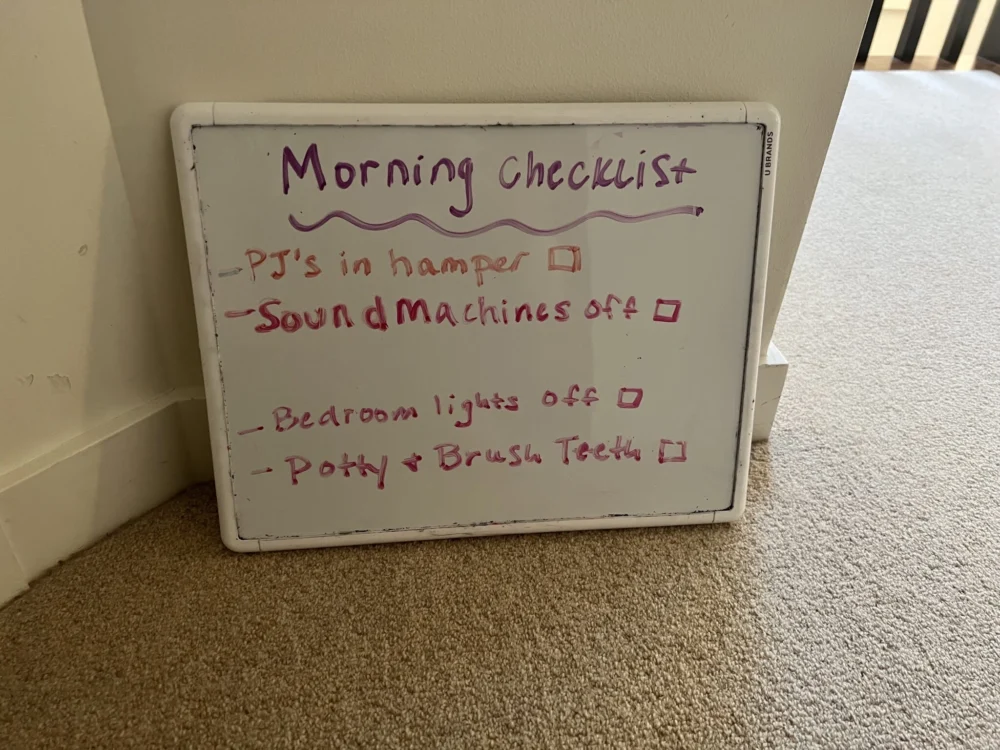
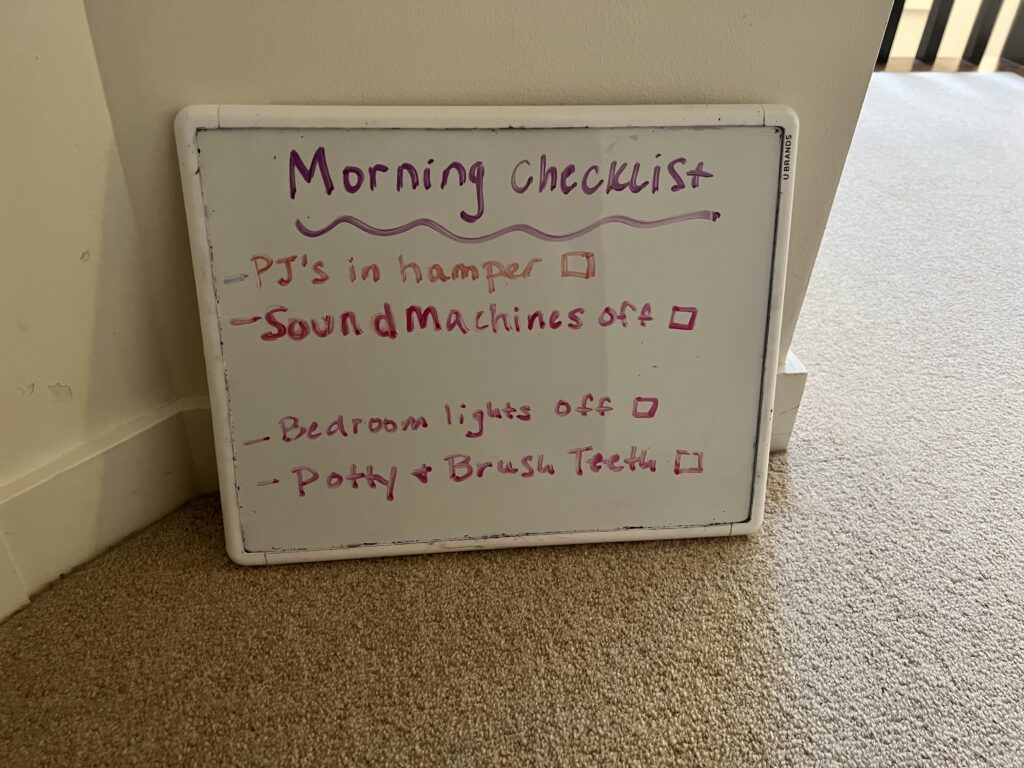
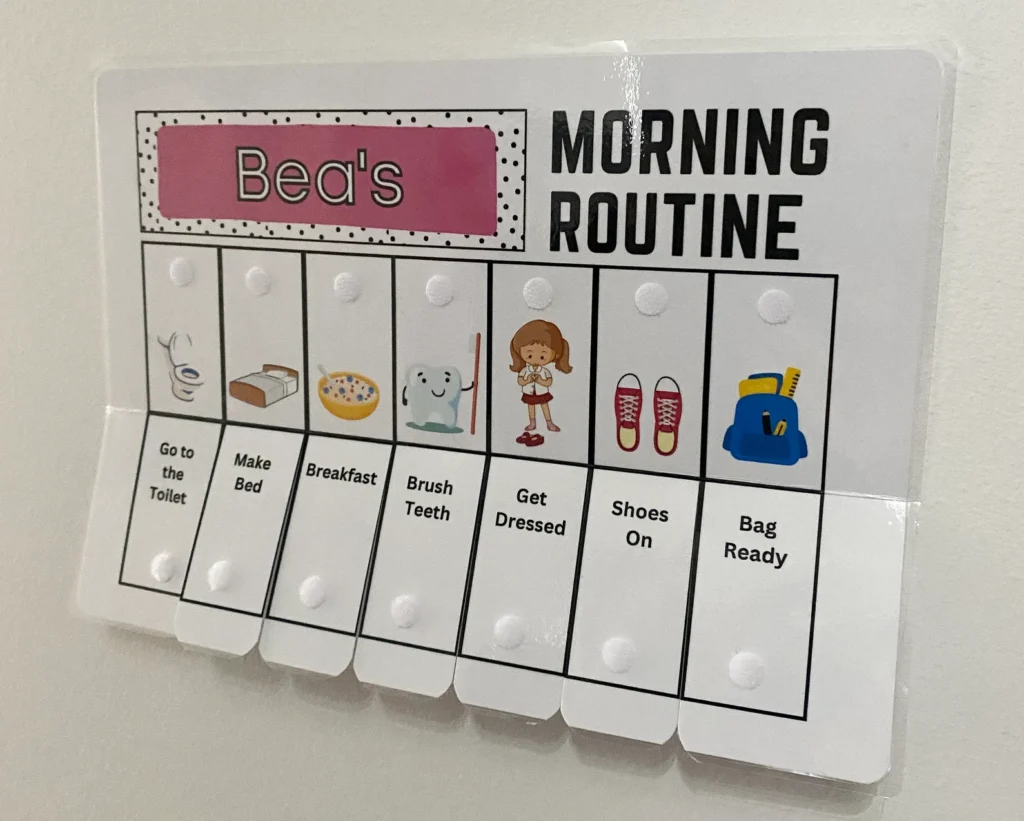
Checklists are powerful organizational tools that provide clear, sequential instructions for children, reducing the need for constant verbal reminders from parents. A dry erase whiteboard, prominently displayed outside children’s bedrooms or on the refrigerator, can serve as an easily updated morning checklist. For pre-readers, visual checklists incorporating drawings or printed pictures of each task (e.g., a toothbrush for "brush teeth," a shirt for "get dressed") are particularly effective. Innovative visual charts with sliding or flip tabs allow children to physically mark off completed tasks, providing a satisfying sense of progress and accomplishment. This approach fosters independence and helps children internalize the sequence of their morning responsibilities.

7. Streamlining Nutrition: Simple and Swift Breakfasts
Mornings are not the time for culinary experimentation. Keeping breakfast options simple, quick, and nutritious is paramount to maintaining efficiency. Ready-to-eat choices like peanut butter and banana toast, instant oatmeal, whole-grain toaster waffles, avocado toast, or yogurt with granola provide essential fuel without demanding extensive preparation time. Preparing breakfast components the night before, such as setting out bowls and utensils, further streamlines this critical morning meal. Prioritizing ease ensures that children receive adequate nourishment without adding unnecessary stress or delays to the morning schedule.
Optimizing the Environment: Essential Tools for Efficiency
Beyond behavioral strategies, specific organizational tools and products can significantly enhance morning efficiency:

- Hatch Rest: This "ok-to-wake" clock is lauded by many parents for its ability to gently signal to children when it’s an appropriate time to get out of bed, using color changes and soothing sounds like birdsong. This independence-promoting device helps children regulate their wake-up time, allowing parents their pre-child "me-time."
- Visual Timer Clocks: With their colored discs that visually represent diminishing time, these timers are indispensable for helping children grasp abstract time concepts. Versions featuring animals or color-coded segments cater to different developmental stages, empowering children to manage their own task completion.
- Kizik Sneakers: The innovative hands-free design of Kizik sneakers eliminates the struggle with laces or Velcro, allowing children to effortlessly slide their shoes on. This small but significant convenience can shave precious minutes off the departure process, contributing to overall punctuality.
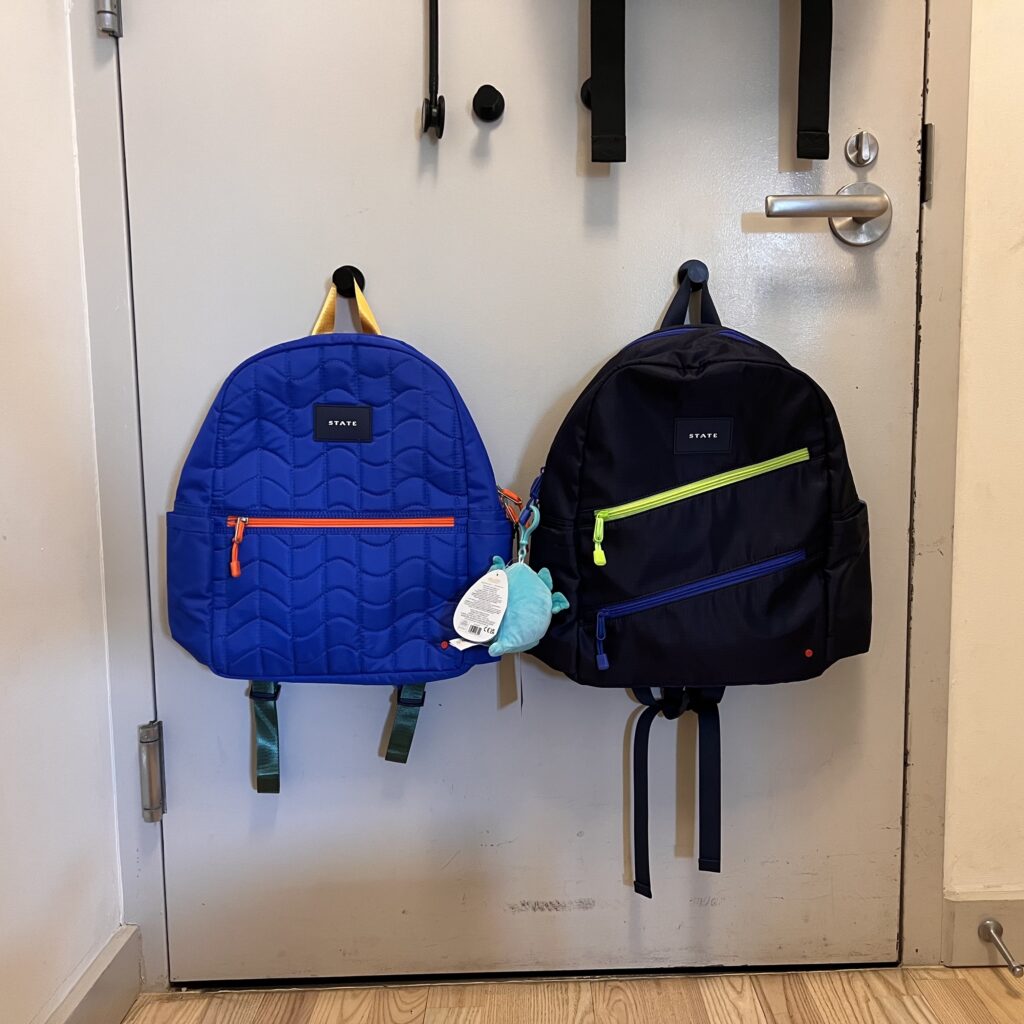
- Wall Hooks: Strategically placed wall hooks at children’s eye level in entryways encourage independence by making it easy for them to grab backpacks and hang coats. Magnetic hooks offer versatile placement options, ensuring essential items are always within reach and promoting a tidy, organized departure zone.
- Dry Erase Whiteboards & Chore Charts: As detailed above, these visual aids, whether a simple magnetic whiteboard for written lists or more interactive chore charts with sliding check boxes, reinforce routines and empower children to track their progress.
- Weekly Clothes Organizer: This hanging organizer allows for the preparation of an entire week’s worth of outfits in advance, eliminating morning wardrobe dilemmas and fostering a sense of readiness.
Broader Implications and Long-Term Benefits
Implementing these integrated strategies extends beyond merely getting children out the door on time. The cumulative effect of proactive preparation, mindful parenting, and consistent routines is a reduction in household stress, an increase in children’s independence, and a more positive start to the day for every family member. By investing in predictable structures and empowering children with tools for self-management, parents cultivate an environment that supports not only punctuality but also crucial developmental milestones and harmonious family dynamics. The consistent application of these principles transforms the morning rush from a source of friction into a structured, manageable, and ultimately, rewarding part of family life.