

The Physiological Context of Postpartum Nutrition
The postpartum period is characterized by significant hormonal shifts and physical recovery, yet it is often the phase where maternal self-care is most neglected. For breastfeeding mothers, the metabolic cost is substantial; the American College of Obstetricians and Gynecologists (ACOG) notes that lactation requires an additional 450 to 500 calories per day. This energy demand is often coupled with sleep deprivation and the constant physical demands of infant care, creating a need for "one-handed" nutrition—foods that can be consumed quickly without the need for elaborate preparation or traditional dining settings.
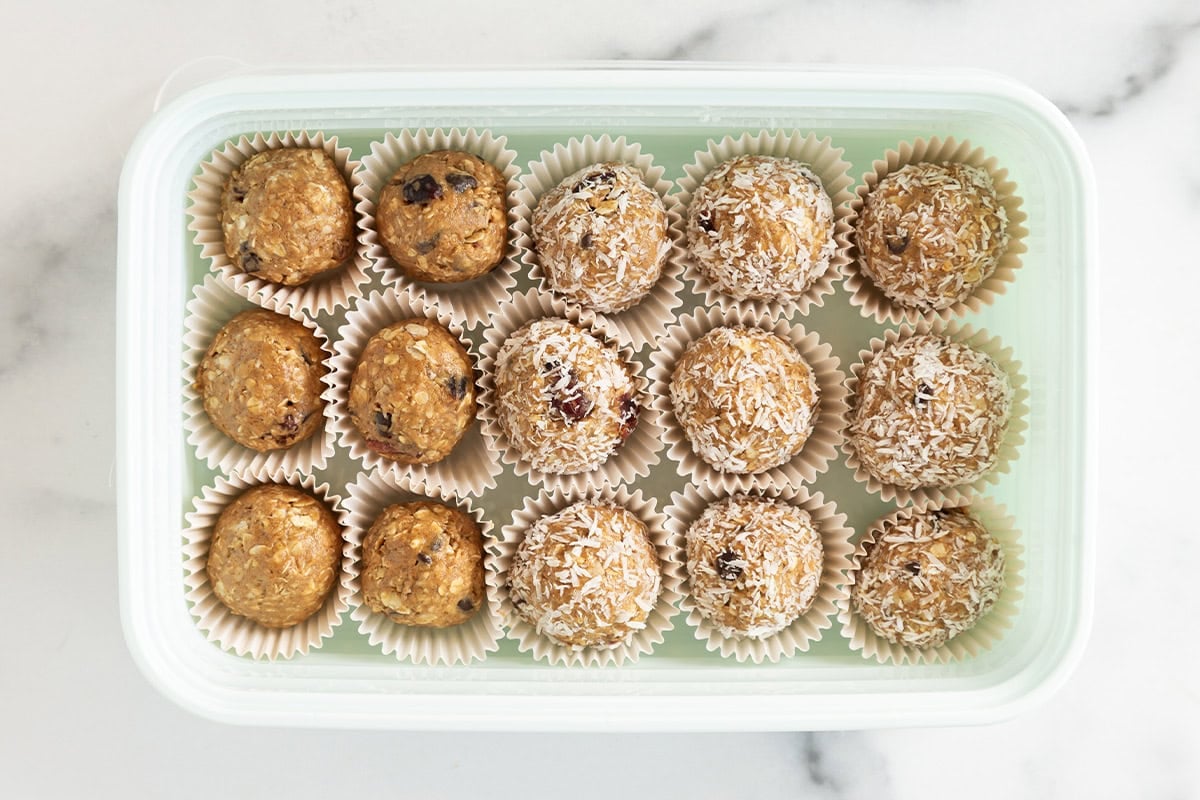
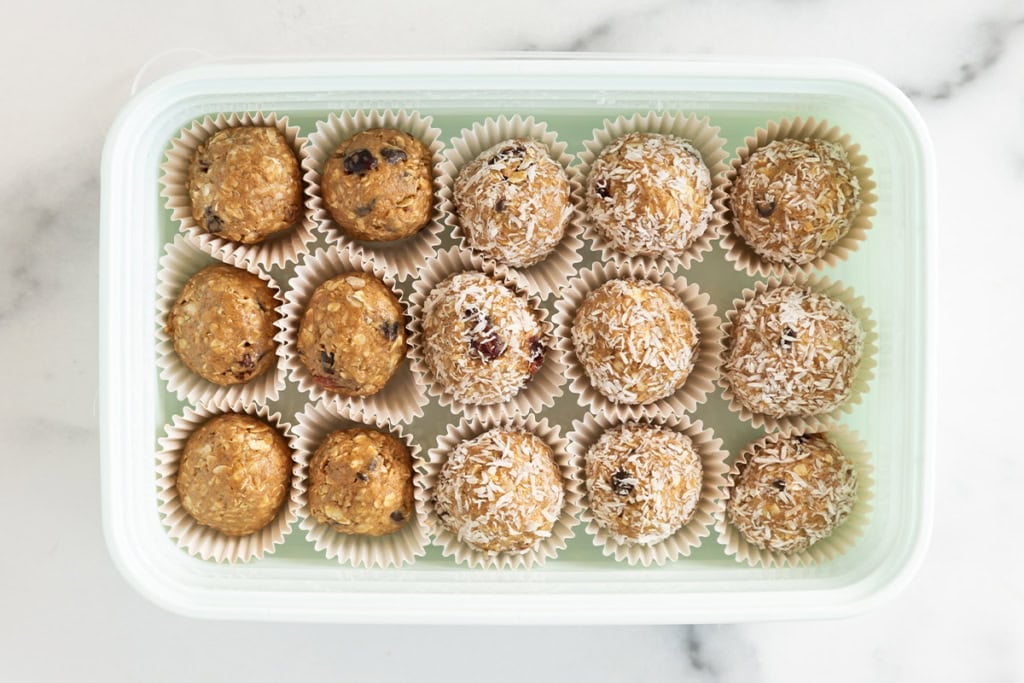
Lactation Bites address this specific logistical challenge. By combining protein, healthy fats, and complex carbohydrates into a shelf-stable, bite-sized format, these snacks provide a steady release of glucose rather than the sharp spikes and crashes associated with processed sugary snacks. The inclusion of dietary fiber through oats and dried fruits further aids in digestive health, a common concern during the early weeks of postpartum recovery.
Chronology of the Galactagogue Trend
The use of specific foods to enhance milk supply, known as galactagogues, is a practice rooted in antiquity. Historically, various cultures have utilized ingredients like fenugreek in the Middle East, papaya in Southeast Asia, and oats in Western Europe to support nursing mothers. The modern "lactation snack" industry began to gain significant commercial traction in the early 2010s, following a surge in wellness blogging and the democratization of nutritional information via social media.
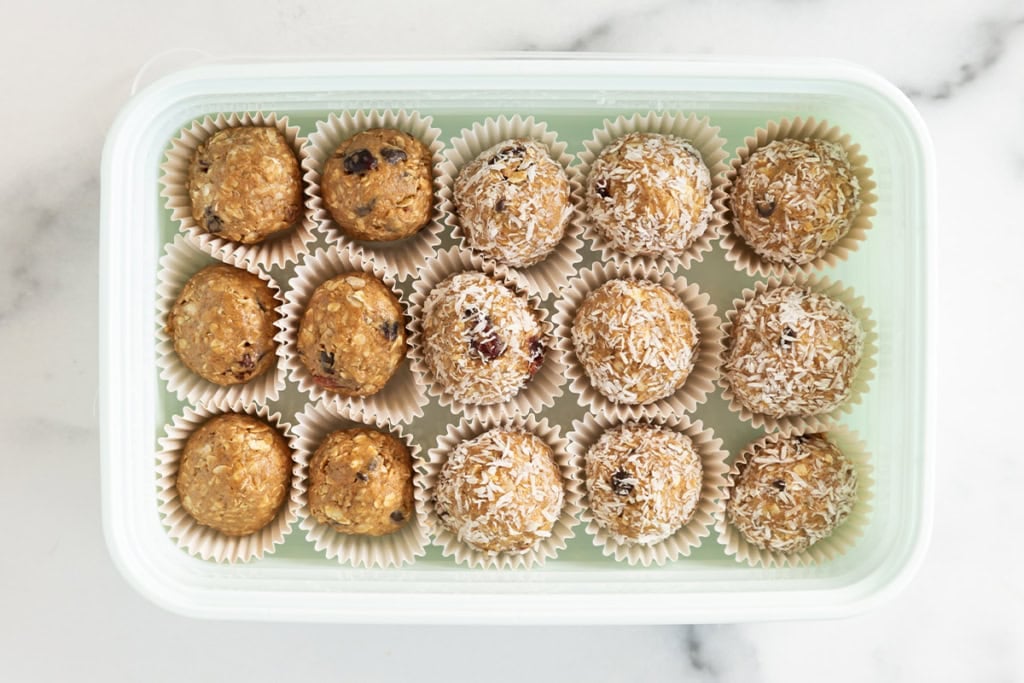
By 2015, the market for pre-packaged lactation cookies and bars had expanded into a multi-million dollar industry. However, the high cost and often high sugar content of commercial products led to a secondary movement: the "DIY" lactation snack. This shift emphasized transparency in ingredients and the ability to customize recipes for dietary restrictions, such as gluten-free or nut-free requirements. The current iteration of the Lactation Bite represents the pinnacle of this trend—a no-bake, customizable formula that prioritizes ease of assembly and long-term storage.
Nutritional Composition and Ingredient Analysis
The efficacy of Lactation Bites is derived from a specific synergy of macronutrients and micronutrients. A standard serving of these bites, approximately one ball, contains roughly 97 calories, 3 grams of protein, and 5 grams of fat. While these numbers may seem modest, the density of the nutrients provides sustained satiety.
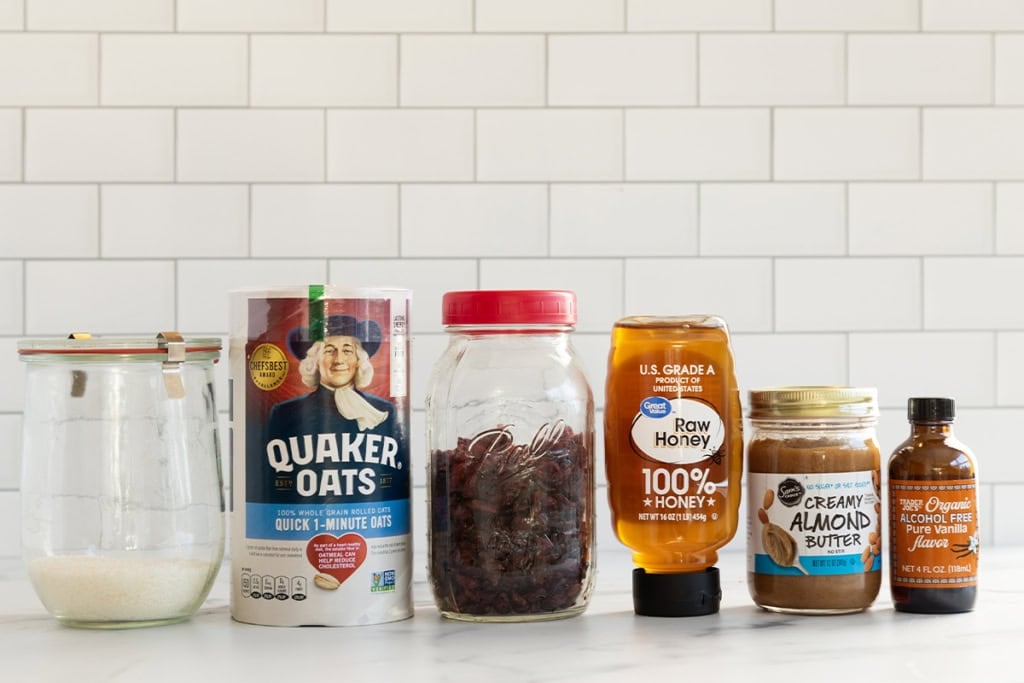
- Rolled Oats: Oats are the primary structural component and a traditional galactagogue. They are rich in beta-glucan, a type of soluble fiber that has been linked to heart health and, anecdotally, to increased milk production. From a metabolic standpoint, the complex carbohydrates in oats provide a slow-burning energy source essential for mothers facing broken sleep cycles.
- Nut Butters: Whether utilizing almond butter, peanut butter, or sunflower seed butter for nut-free versions, these ingredients provide the necessary monounsaturated fats and protein. Healthy fats are crucial for the absorption of fat-soluble vitamins (A, D, E, and K) and are a vital component of the lipid profile in breast milk.
- Brewer’s Yeast: Often an optional addition, Brewer’s yeast is a fungus used in brewing and baking. It is highly regarded in the lactation community for its high concentration of B vitamins and chromium. B vitamins are essential for energy metabolism and nervous system function, which can be under significant stress during the postpartum period.
- Natural Sweeteners and Fiber: Ingredients like honey or maple syrup act as the binding agent while providing a quick source of carbohydrates. Dried fruits or flaxseeds are frequently added to increase the mineral content, specifically iron and magnesium.
Scientific Evaluation and Expert Perspectives
Despite the widespread popularity of lactation snacks, the scientific community maintains a cautious stance regarding their ability to physically increase milk volume. A report by Johns Hopkins Medicine highlights that while many foods are believed to help breast milk supply, these claims are not widely supported by rigorous clinical trials. The report emphasizes that "galactagogues" often work through a placebo effect or, more likely, by ensuring the mother is simply meeting her baseline caloric and hydration needs.
"There is no magic food that will instantly double a milk supply," states the Johns Hopkins wellness advisory. "The most effective way to maintain supply is through frequent removal of milk and adequate hydration." However, experts concede that nutrient-dense snacks like Lactation Bites are beneficial because they prevent the maternal "depletion" that can occur when a mother is too busy to eat balanced meals. By providing a concentrated source of calories and minerals, these bites support the body’s overall ability to function, which indirectly supports lactation.

Formulation and Preparation Standards
The rise of the "no-bake" methodology in postpartum meal prep is a direct response to the time poverty experienced by new parents. The preparation protocol for Lactation Bites involves a four-step process designed for maximum efficiency.
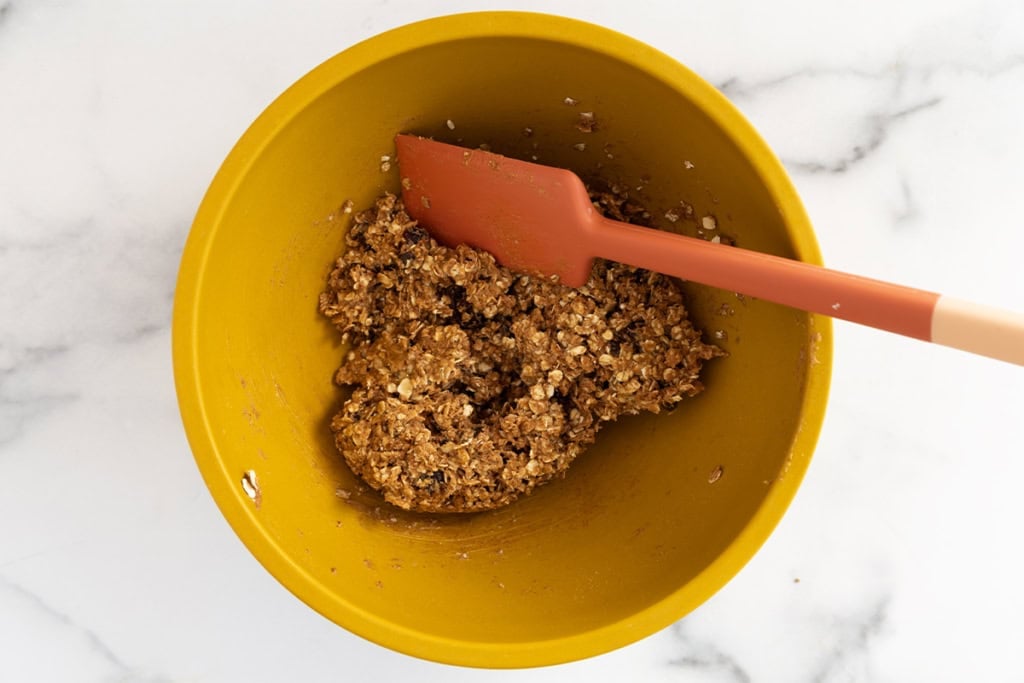
- Phase 1: Emulsification. Liquid ingredients, typically the nut butter and sweetener, are combined. Ensuring these are at room temperature is a critical technical step for achieving a smooth consistency without the need for industrial mixing equipment.
- Phase 2: Integration. Dry ingredients, including the oats, yeast, and any supplemental powders, are folded into the emulsion.
- Phase 3: Portioning. Using standardized tools like a mini ice cream scoop ensures uniform caloric distribution across the batch.
- Phase 4: Stabilization. While the bites are "no-bake," they require a period of refrigeration to allow the oats to hydrate and the fats to solidify, ensuring the product remains portable.
The storage capacity of these bites is a significant factor in their popularity. They can be refrigerated for up to one month or frozen for up to six months, allowing for "batch prepping" during the final weeks of pregnancy—a practice increasingly recommended by postpartum doulas and nutritionists.

Market Implications and Broader Impact
The DIY lactation snack movement has broader implications for the "femtech" and maternal wellness markets. As consumers become more skeptical of highly processed supplements, there is a growing demand for "whole-food" solutions. This has led to a decrease in the market share of traditional lactation teas and an increase in the popularity of functional foods that the consumer can control.
Furthermore, the social aspect of these recipes cannot be overlooked. The "meal train" and postpartum gift baskets have increasingly moved away from heavy casseroles toward functional, storable snacks. Lactation Bites have become a staple of "postpartum meal prep" culture, fostering a community of support where experienced mothers share recipes and preparation tips with those entering the "fourth trimester."
Conclusion: The Future of Maternal Nutrition
As research into the human microbiome and maternal-fetal health continues to evolve, the focus on postpartum nutrition is expected to intensify. While the specific "galactagogue" properties of oats and yeast may remain a subject of scientific debate, the practical value of the Lactation Bite is undeniable. It represents a shift toward a more holistic view of maternal health—one that recognizes the necessity of convenience, the importance of nutrient density, and the reality of the physical demands placed on the female body following childbirth.
In an era where maternal health outcomes are under scrutiny, the promotion of accessible, affordable, and nutritious dietary options like Lactation Bites serves as a small but vital component of a larger strategy to support women during one of the most physically demanding phases of their lives. Whether they act as a physiological boost to milk supply or simply a reliable source of energy for a tired mother, these snacks have secured their place in the modern postpartum toolkit.