

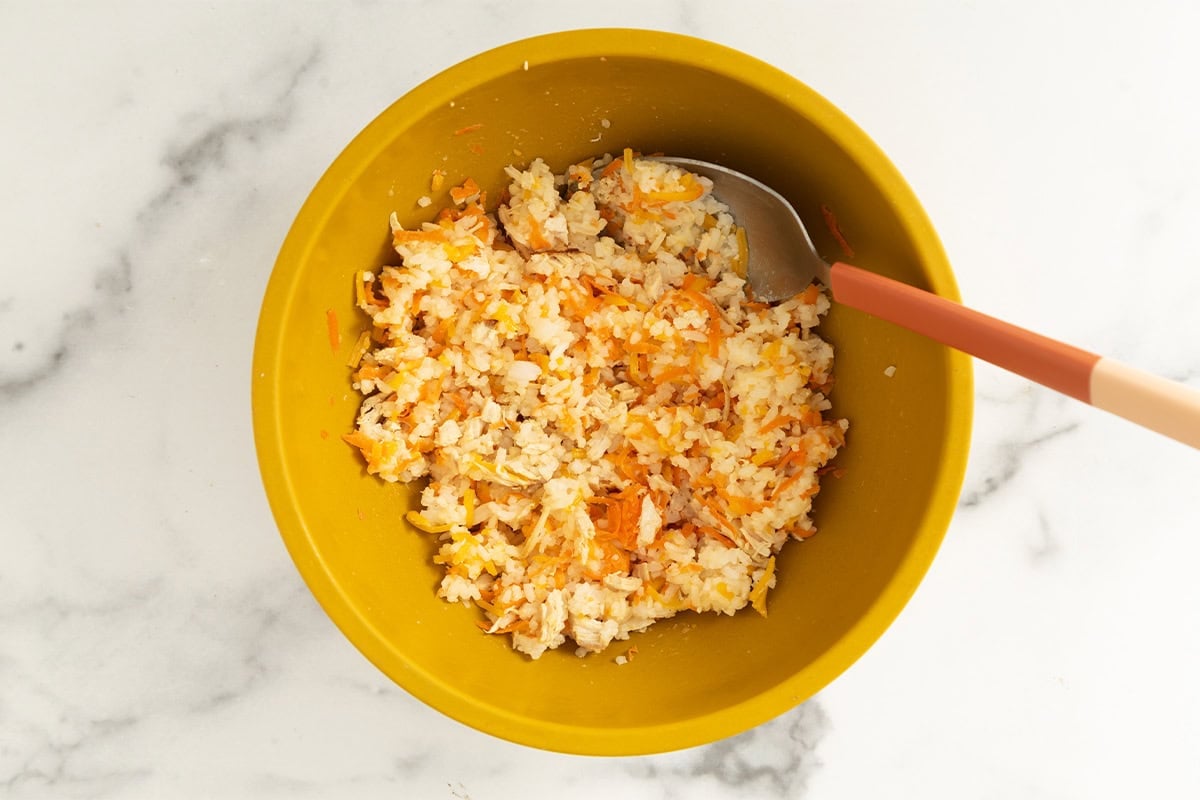
The landscape of pediatric nutrition is currently undergoing a significant shift as parents and nutritional experts seek innovative ways to balance caloric density with ease of consumption. At the forefront of this movement is the emergence of specialized finger foods, such as chicken rice balls, which serve as a strategic solution to the perennial challenges of toddler feeding. These nutrient-dense spheres, composed of lean protein, complex carbohydrates, and essential vitamins, represent more than just a convenient snack; they are a calculated response to the developmental needs of children transitioning from purees to solid table foods. By integrating shredded chicken and soft-cooked vegetables into a cohesive rice-based matrix, this feeding method addresses the "mess factor" that often leads to significant food waste in households with young children, while simultaneously supporting the refinement of fine motor skills.
The Evolution of Toddler Feeding Strategies
The transition from infancy to toddlerhood is marked by a dramatic shift in dietary requirements and feeding behaviors. Historically, the prevailing wisdom in pediatric nutrition focused heavily on iron-fortified cereals and smooth purees. However, the last decade has seen a rise in the Baby-Led Weaning (BLW) movement, which emphasizes self-feeding and the introduction of varied textures early in the developmental cycle. This shift has created a demand for recipes that are structurally sound enough for a child to grasp but soft enough to be safe for consumption without fully developed molar teeth.
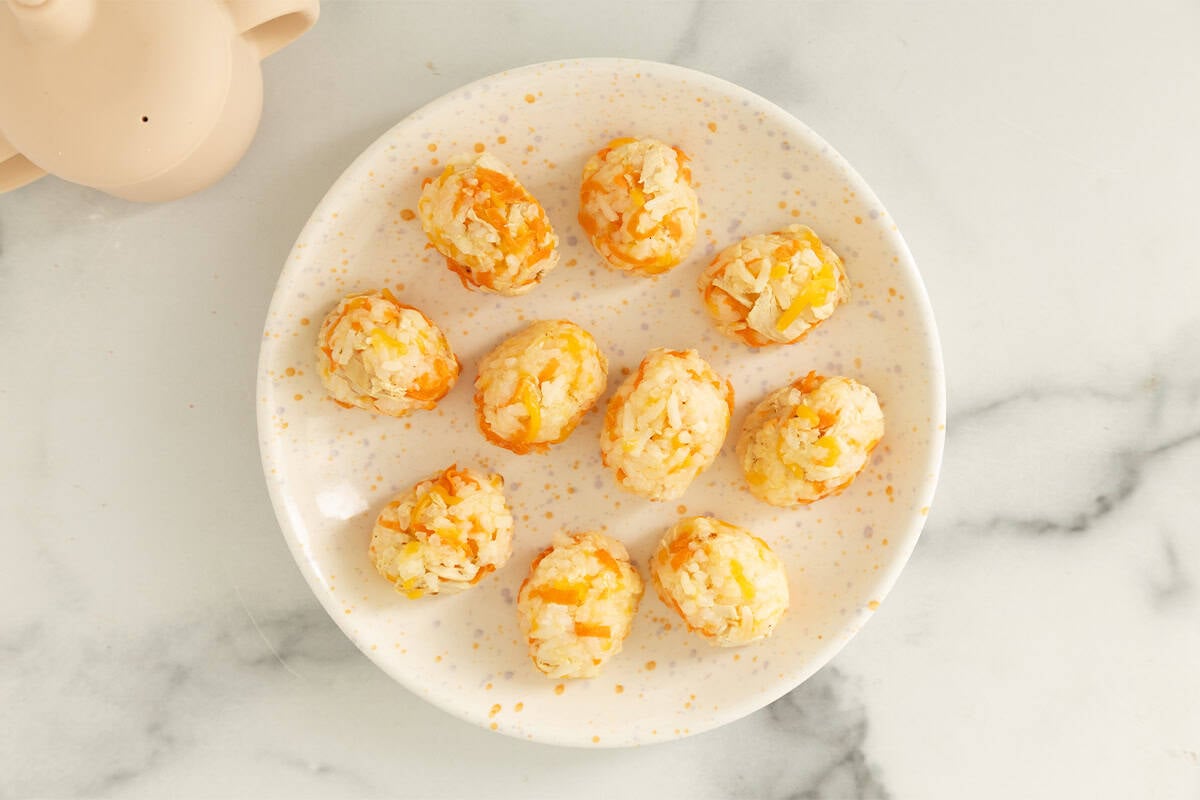
The chronology of this dietary evolution can be traced through the changing recommendations of the American Academy of Pediatrics (AAP). In the late 20th century, the focus was primarily on allergen avoidance and caloric intake. By the early 2010s, the conversation shifted toward the prevention of "picky eating" through early exposure to diverse flavor profiles. The chicken rice ball is a modern iteration of this philosophy, providing a versatile canvas for various culinary traditions—ranging from Italian-style herbs to Asian-inspired aromatics—within a familiar, manageable format.
Nutritional Composition and Functional Benefits
From a clinical perspective, the efficacy of the chicken rice ball lies in its macronutrient distribution. Based on standard nutritional analysis, a typical serving of these rice balls provides approximately 267 calories, 8 grams of protein, and 51 grams of carbohydrates. This profile is specifically tailored to meet the high energy demands of active toddlers. The inclusion of jasmine or short-grain brown rice is a deliberate choice; these varieties contain higher levels of amylopectin, the starch responsible for the "sticky" quality required to maintain the ball’s shape.
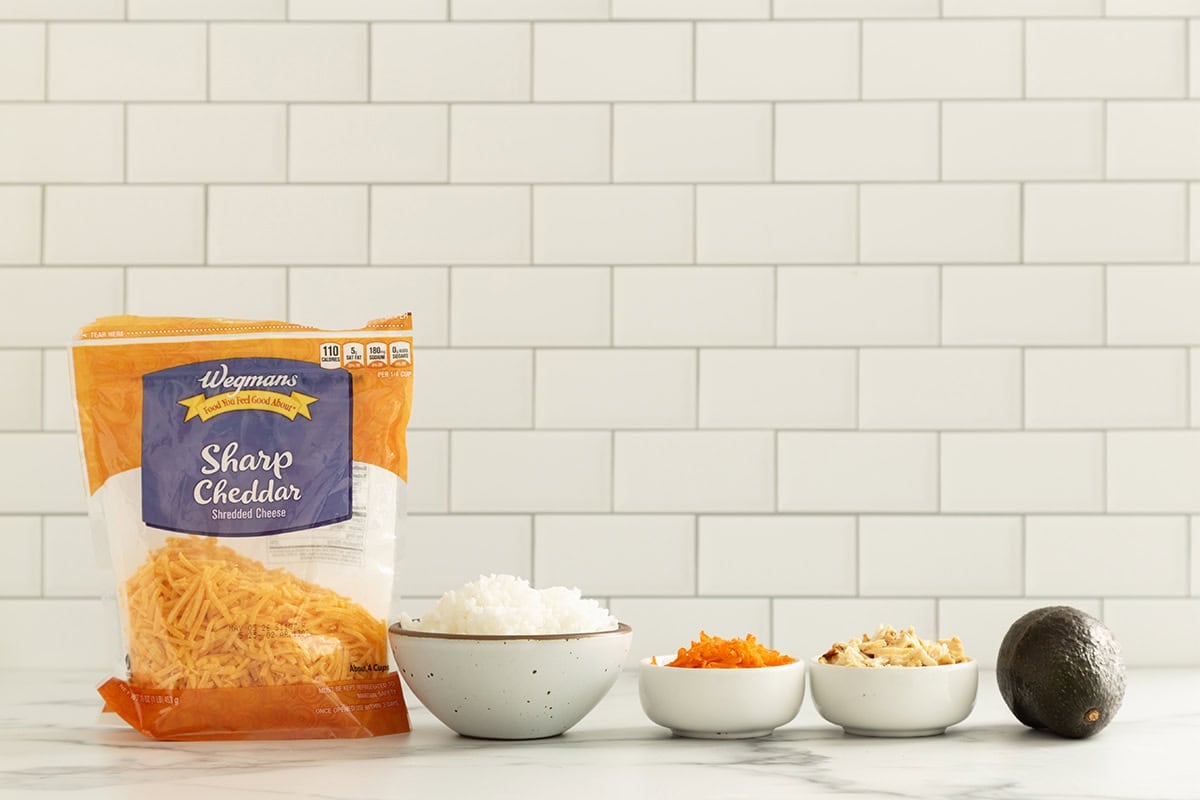
Furthermore, the integration of shredded carrots and healthy fats, such as those found in cheese or avocado, ensures a steady release of energy. According to data from the Centers for Disease Control and Prevention (CDC), nearly 1 in 5 children in the United States do not consume a vegetable daily. By embedding vegetables directly into a protein-rich finger food, caregivers can bridge this nutritional gap. The addition of avocado, in particular, provides monounsaturated fats which are crucial for brain development during the first 1,000 days of life.
The Science of Texture and Fine Motor Development
Pediatric occupational therapists have long noted the importance of the "pincer grasp"—the ability to pick up small objects between the thumb and forefinger—which typically develops between 9 and 12 months of age. Regular rice is notoriously difficult for toddlers to manage, often leading to frustration and a high volume of "floor waste." The chicken rice ball solves this mechanical issue by aggregating individual grains into a single, cohesive unit.
"The structural integrity of the food is a key factor in a child’s confidence during mealtime," explains Dr. Elena Richardson, a developmental specialist. "When a child can successfully navigate food from the plate to the mouth without it disintegrating, it reinforces positive feedback loops associated with eating. This reduces mealtime anxiety for both the child and the parent."
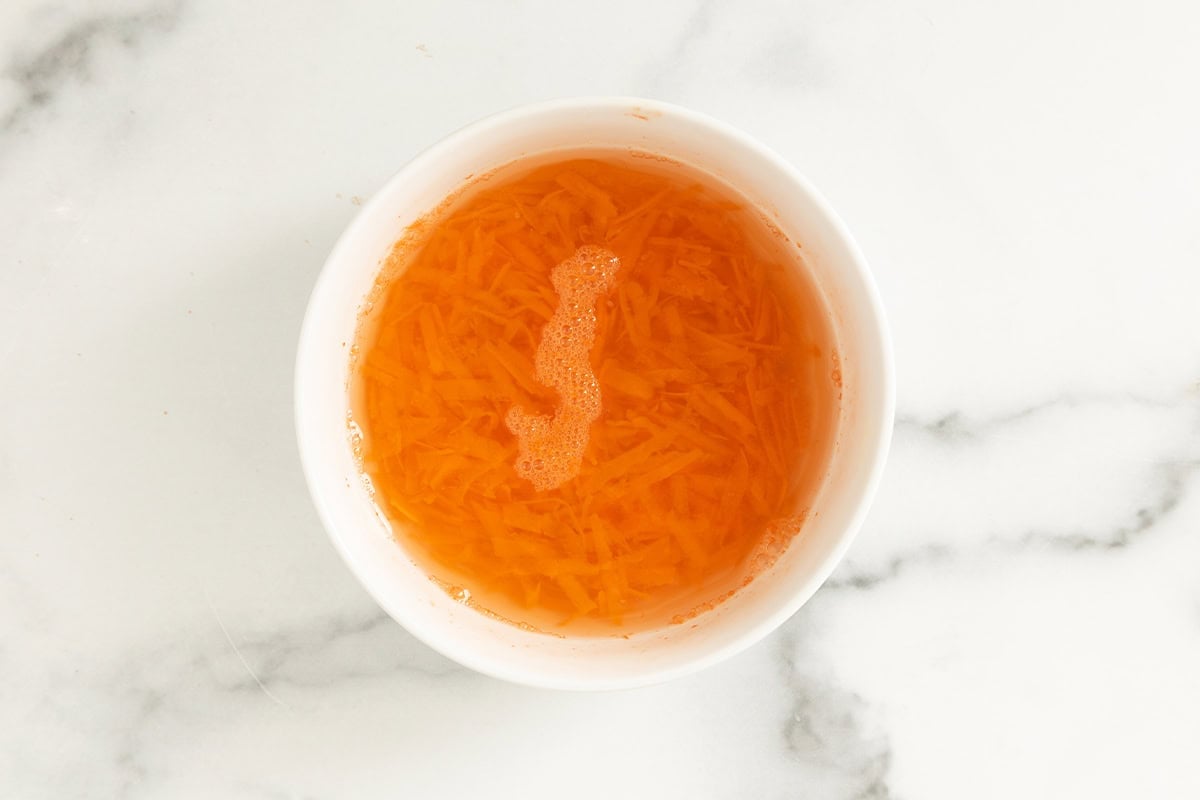
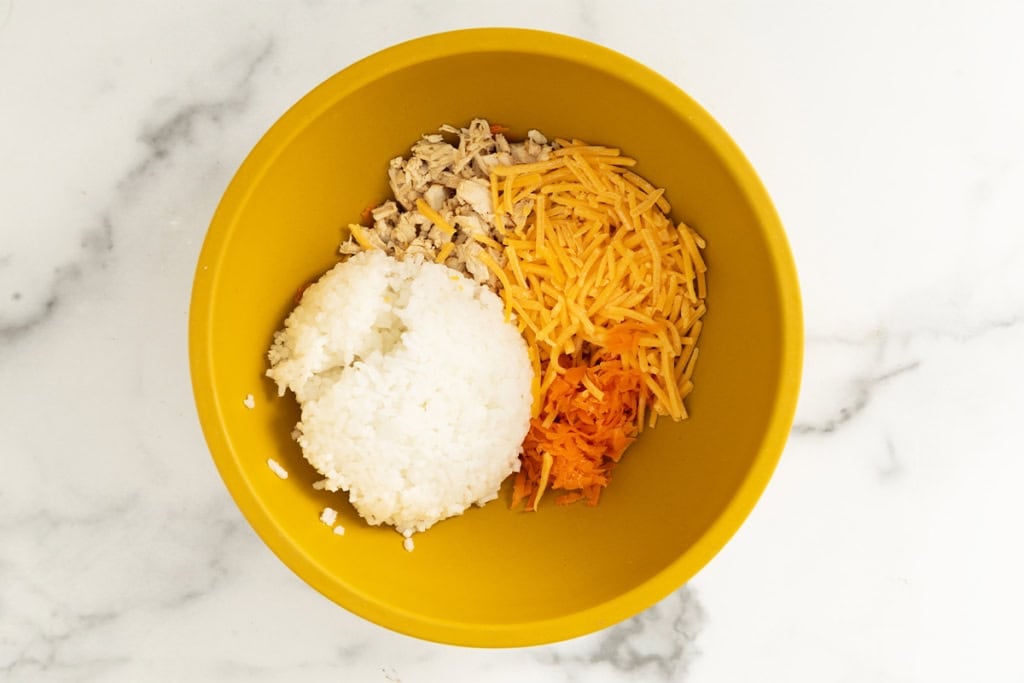
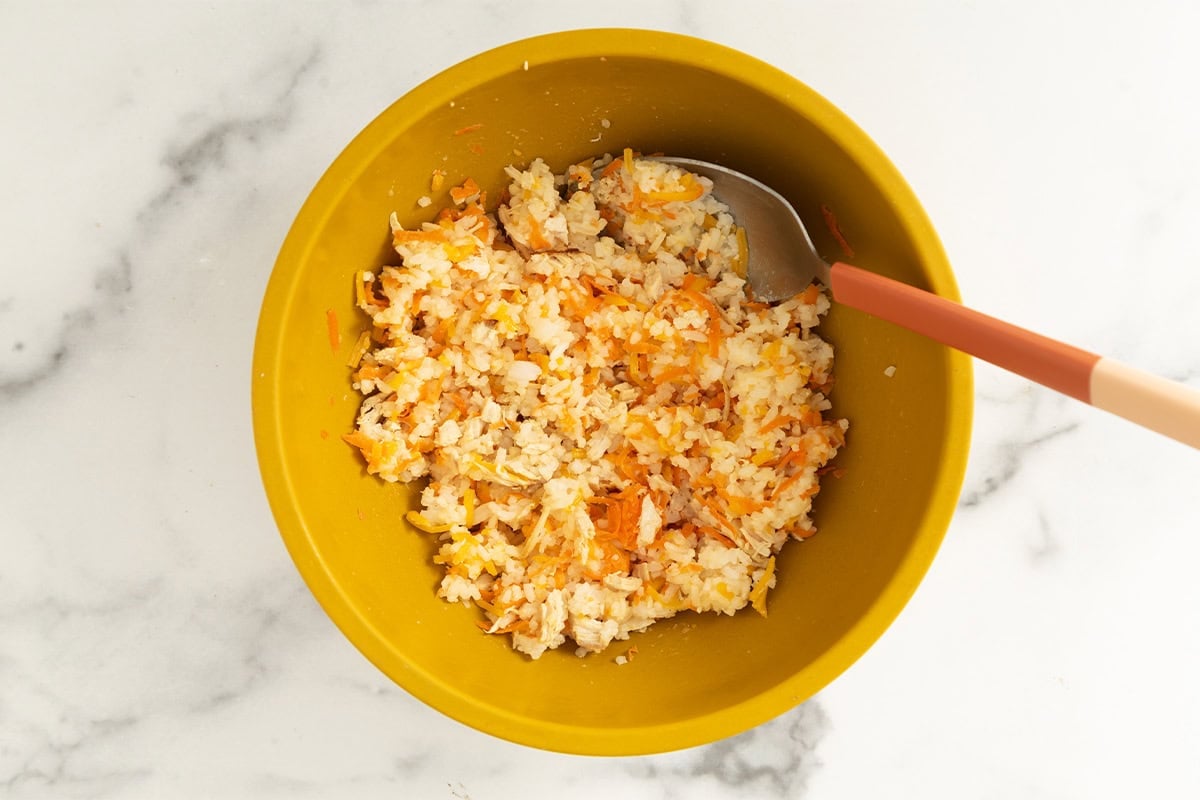
The preparation process involves a specific sequence designed to optimize this texture. Softening shredded carrots in boiling water before mixing them with warm rice allows the ingredients to bond more effectively. The use of a mini ice cream scoop or measuring spoon to form the balls ensures uniformity, which is vital for portion control and consistent cooking or reheating times.
Culinary Versatility and Global Flavor Integration
One of the most significant advantages of the chicken rice ball is its adaptability to global flavor profiles, a technique known as "flavor bridging." By introducing mild versions of international cuisines, parents can expand a child’s palate before they reach the neophobic (fear of new foods) stage often seen in three-year-olds.
- Italian-Style: Incorporating Parmesan cheese and dried oregano introduces savory umami notes and calcium.
- Mexican-Style: The use of mild salsa, cumin, and cheddar cheese provides a base for future exposure to more complex spices.
- Asian-Style: Utilizing avocado and a touch of low-sodium soy sauce or ginger mimics the profile of traditional rice-based dishes like onigiri, but in a toddler-safe format.
These variations are often served with complementary dipping sauces, such as cucumber yogurt (tzatziki) or mild teriyaki, which further encourage sensory exploration through the act of dipping—a favorite activity for many toddlers.
Economic Impact and Household Efficiency
The rise of meal-prepping culture among modern families has highlighted the economic benefits of recipes like chicken rice balls. Food waste is a significant concern for the average household; according to the USDA, Americans waste approximately 30-40% of the food supply. In households with toddlers, a large portion of this waste occurs during mealtime.
The chicken rice ball is designed for longevity and storage efficiency. Laboratory-standard food safety guidelines suggest that these units can be refrigerated for up to five days or frozen for up to six months. This allows caregivers to prepare large batches in advance, reducing the daily labor of meal preparation. The ability to reheat the product in a microwave or air fryer—the latter of which helps maintain a slightly firm exterior—aligns with the time-sensitive nature of modern parenting.
Safety Protocols and Best Practices
While the chicken rice ball is an effective feeding tool, its preparation must adhere to strict safety standards to prevent choking hazards. The chicken must be finely shredded or minced, and the rice must be sufficiently moist. Dry or overcooked rice loses its adhesive properties, increasing the risk of the ball crumbling into smaller, harder-to-manage pieces.
Experts recommend serving the rice balls at a warm, but not hot, temperature. Testing the internal temperature is essential, especially when using a microwave, which can create "hot spots." Furthermore, the size of the ball should be approximately 1 to 1.5 inches in diameter—large enough to be handled but small enough to be consumed in two or three bites.
Broader Implications for Public Health and Nutrition
The adoption of portioned, nutrient-dense finger foods reflects a broader trend in public health aimed at combating childhood obesity and malnutrition simultaneously. By providing controlled portions that are rich in fiber and protein, caregivers can avoid the "empty calories" often found in processed toddler snacks like crackers or sugar-heavy puffs.
As the market for "functional" toddler foods grows, the chicken rice ball stands as a testament to the power of simple, whole-food ingredients. It represents a move away from industrial food processing and back toward home-cooked, customizable nutrition. This trend is expected to continue as more research emerges regarding the link between early childhood dietary habits and long-term health outcomes.
In conclusion, the chicken rice ball is more than a simple recipe; it is a multifaceted tool that addresses the biological, developmental, and economic realities of raising a child in the 21st century. By combining the science of starch adhesion with the principles of pediatric nutrition, it provides a blueprint for successful, low-stress feeding. As families continue to seek balance in their busy lives, such innovative yet accessible solutions will remain a cornerstone of early childhood development. Through the careful selection of ingredients, a focus on texture, and an openness to global flavors, caregivers are not just feeding their children—they are laying the foundation for a lifetime of healthy, adventurous eating.