

A groundbreaking non-surgical approach is demonstrating remarkable success in treating diastasis recti and umbilical hernias, common postpartum conditions that affect millions of women globally. This development offers a significant alternative to traditional invasive surgical procedures like abdominoplasty and hernia repair, potentially transforming postpartum recovery and long-term maternal health. The "Every Mother" exercise program, developed by Leah Keller, has garnered attention for its efficacy, even leading medical professionals to recommend it as a primary intervention.
Understanding Diastasis Recti and Umbilical Hernia
Diastasis recti (DR), often colloquially known as "mommy pooch" or "mummy tummy," is the separation of the rectus abdominis muscles (the "six-pack" muscles) along the linea alba, the connective tissue that runs down the midline of the abdomen. This condition occurs when the immense pressure of pregnancy stretches and weakens the abdominal wall, causing the muscles to pull apart. While some degree of separation is normal during pregnancy, it becomes problematic when the muscles fail to close back together naturally in the postpartum period.
![Diastasis Recti Before And After [Without Surgery] | Lucies List](https://www.lucieslist.com/wp-content/uploads/2024/03/umbilical-hernia.jpeg)
According to the National Institute of Health, nearly half of all women experience diastasis recti after childbirth. While many cases resolve spontaneously within the first few months, a significant percentage—33% of women overall, and 39% of those over 35—continue to experience DR even 12 months postpartum. This persistent separation is not merely a cosmetic concern; it is the underlying cause of a range of debilitating symptoms, including chronic lower back pain, pelvic floor dysfunction, urinary incontinence (leaking during coughs or sneezes), constipation, and even pain during sexual activity.
A more severe complication of untreated diastasis recti is an umbilical hernia. This occurs when weakened connective tissue near the navel allows a portion of abdominal tissue or bowel to protrude, creating a visible "outtie" where an "innie" once was. Umbilical hernias can range from mild discomfort to serious medical emergencies, such as bowel obstruction, which can restrict blood supply to the herniated tissue, requiring immediate surgical intervention. Both diastasis recti and umbilical hernias significantly impact a woman’s physical comfort, body image, and overall quality of life.
The Traditional Surgical Landscape
For decades, surgical intervention has been the primary recommended treatment for severe or persistent diastasis recti and umbilical hernias. Diastasis recti is often addressed through an abdominoplasty, commonly known as a "tummy tuck," a major cosmetic surgery that involves surgically stitching the separated abdominal muscles back together, removing excess skin, and tightening the abdominal wall. Umbilical hernia repair typically involves pushing the protruding tissue back into the abdomen and reinforcing the weakened area, often with a synthetic mesh.
![Diastasis Recti Before And After [Without Surgery] | Lucies List](https://www.lucieslist.com/wp-content/uploads/2024/03/diastasis-recti-check-1024x682.jpg)
However, these surgical options present several challenges. Abdominoplasty is an invasive procedure with significant recovery time, potential complications, and a substantial financial cost, often considered elective and not covered by insurance unless deemed medically necessary. For umbilical hernias, surgeons often require prior repair of diastasis recti, arguing that the persistent abdominal muscle separation would continue to place undue pressure on the hernia repair, leading to a high likelihood of failure. Furthermore, future pregnancies after these surgeries carry the risk of damaging the surgical repairs, presenting a dilemma for women considering more children. These factors often leave women in a difficult position, facing invasive procedures with uncertain long-term outcomes, especially if they envision expanding their families.
A Personal Journey: From Diagnosis to Non-Surgical Triumph
The personal account of Krissy, a mother in her 30s with "two under two," vividly illustrates the widespread struggles and eventual triumph over these conditions. After two cesarean sections, Krissy experienced persistent symptoms that she initially attributed to the general toll of childbirth: a noticeable "mommy tummy," chronic lower back aches, constipation, and occasional urinary leakage. Despite attempts at dietary changes and increased stroller walks, her core weakness and discomfort remained.
Approximately six months postpartum, the subtle physical pain began to overshadow the joys of motherhood, prompting her to seek medical advice. Her gynecologist’s examination revealed a stark diagnosis: a 4 cm (four-finger width) abdominal gap, confirming severe diastasis recti, alongside a palpable umbilical hernia tear. This diagnosis marked a turning point, propelling Krissy into extensive research on her conditions.
![Diastasis Recti Before And After [Without Surgery] | Lucies List](https://www.lucieslist.com/wp-content/uploads/2024/03/diastasis-recti-before-and-after-1024x763.jpg)
The medical path initially laid out for Krissy involved a complex and costly sequence of surgeries. During a pre-operative appointment for hernia repair, she learned that an abdominoplasty would be required first. The rationale was clear: without surgically rejoining her separated abdominal muscles, the pressure on the connective tissue tears would likely cause any hernia repair, even with mesh, to fail. Faced with the prospect of major surgery and the lingering question of whether a future pregnancy would undo the repairs, Krissy found herself in a "surgery TBD status," feeling flustered and confused.
It was a serendipitous comment from her GI surgeon that redirected her path. As Krissy left the pre-op appointment, the surgeon mentioned hearing "a captivating segment on NPR this morning about curing the ‘Mummy Tummy.’" This casual remark proved to be a lifeline. Tuning into the referenced NPR segment, "Flattening The ‘Mummy Tummy’ With 1 Exercise, 10 Minutes A Day," Krissy discovered Leah Keller, CEO of Every Mother. Keller’s program promised to address core and pelvic floor needs through a daily exercise regimen, specifically warning against exercises like crossover crunches that can exacerbate diastasis recti. Crucially, Keller asserted that her app-based program could cure diastasis recti in just 12 weeks with minimal effort and equipment, all from home.
The Every Mother Program: A Detailed Look
Intrigued yet skeptical, Krissy downloaded the Every Mother app. The program’s core methodology centers on targeted exercises, particularly "core compression breathing," which engages the deep transverse abdominus muscle—a muscle often overlooked in conventional fitness routines. This specific engagement helps to draw the separated rectus abdominis muscles closer together and strengthen the entire core unit, including the pelvic floor.
![Diastasis Recti Before And After [Without Surgery] | Lucies List](https://www.lucieslist.com/wp-content/uploads/2024/03/umbilical-hernia-anatomy.jpeg)
Krissy’s journey through the program unfolded rapidly. In the initial weeks (1-2), she focused on understanding and correctly executing the breathing exercises, guided by Keller’s clear instructions. She noted the learning curve involved in engaging the deep transverse abdominus, a muscle she hadn’t previously known existed, describing it as having her "own physical therapist." The daily 8-10 minute breathing workouts, performed after putting her children to bed, resulted in a satisfying soreness, indicating muscle engagement.
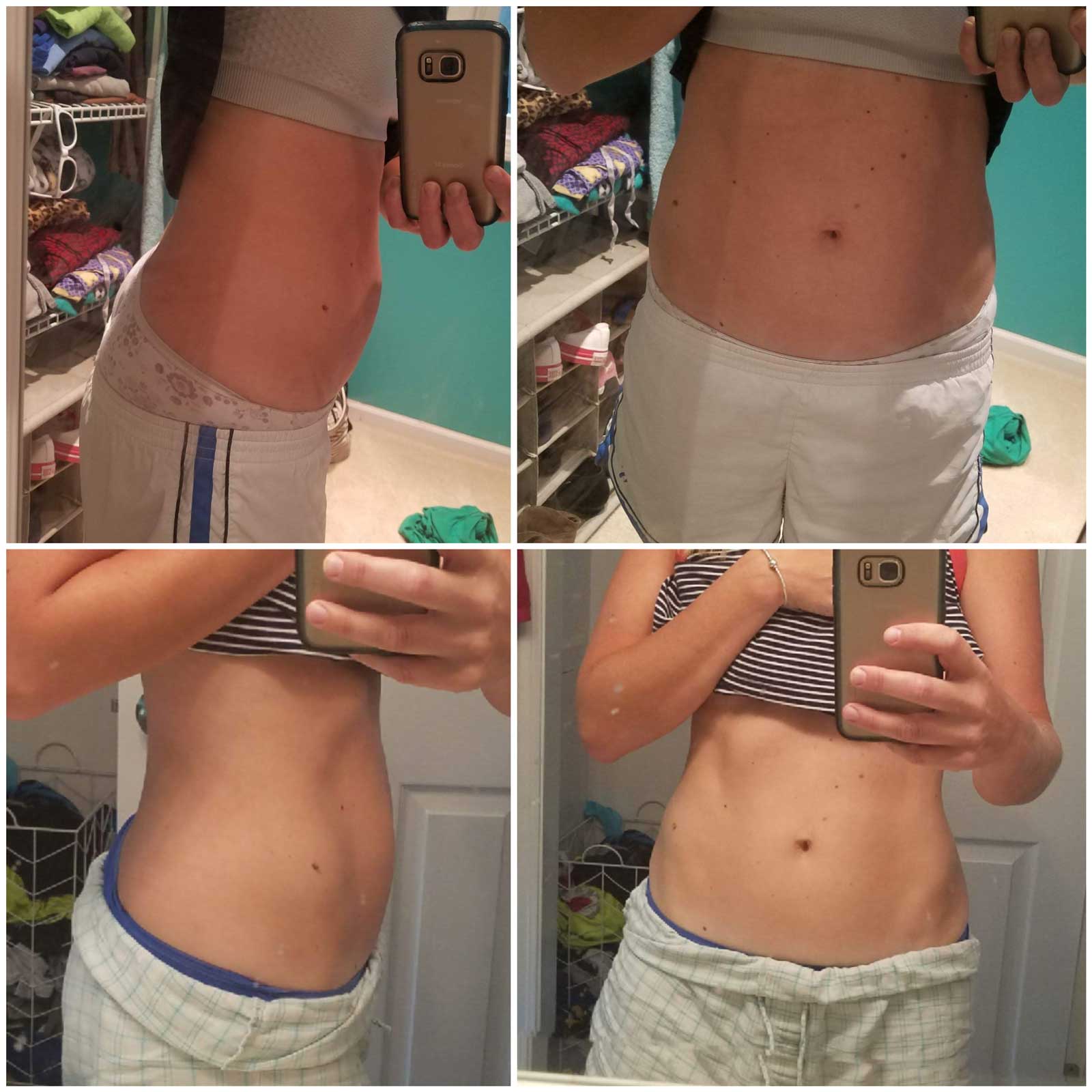
By Week 3, a significant turning point emerged. An in-app measurement check revealed that Krissy had lost inches from her waist, and, more importantly, her diastasis had already shrunk by 2 cm. This tangible progress fueled her commitment. She felt her core strengthening, her breathing became more intentional, and she experienced increased balance and energy throughout her day.
Weeks 4-5 saw Krissy fully invested. She began incorporating the suggested supplementary workouts into her core breathing routine, looking forward to her daily sessions. The program’s emphasis on integrating core compression into daily life also resonated; she found herself performing two minutes of breathing exercises in the shower, at red lights, or while waiting in line. The functional improvements were profound: her chronic back pain disappeared, urinary incontinence became a rare occurrence, and the unexpected "pee drips" from a sneeze were gone.
The culmination of her dedication arrived on Day 62 – less than three months after starting. Krissy officially closed her diastasis recti. This remarkable achievement meant avoiding a costly and invasive tummy tuck, saving hundreds of dollars and hours typically spent with personal trainers or at gyms, and eliminating the concern that detached abdominal muscles would compromise any future hernia repair.
![Diastasis Recti Before And After [Without Surgery] | Lucies List](https://www.lucieslist.com/wp-content/uploads/2024/03/postpartum-belly-with-diastasis-recti-and-hernia-1024x684.jpg)
The Ultimate Test and Medical Validation
The true test of the program’s long-term efficacy came months later when Krissy became pregnant with her third child. She seamlessly transitioned her Every Mother app settings to the "pregnancy" workout path, which adjusted her routine to minimize strain on the linea alba and prevent injury during gestation. This proactive approach contributed to a healthy pregnancy with notably less back pain and an easier recovery after delivering her daughter in April 2020, amidst the COVID-19 pandemic.
The most compelling validation arrived during her 8-week postpartum visit. Krissy’s gynecologist, astonished, meticulously checked and double-checked her charts. The physician was "baffled" to confirm that Krissy had not only successfully closed her diastasis recti but that it had remained closed even after a subsequent pregnancy. This outcome defied conventional medical expectations and solidified the program’s credibility. Following Krissy’s success story, her OBGYN practice has since integrated Every Mother into their patient recommendations, irrespective of their childbirth status.
Clinical Evidence and Expert Commentary
![Diastasis Recti Before And After [Without Surgery] | Lucies List](https://www.lucieslist.com/wp-content/uploads/2024/03/diastasis-recti-before-and-after-transformation-1024x1024.jpg)
The success witnessed in individual cases like Krissy’s is underpinned by substantial clinical validation and peer-reviewed research. Leah Keller, CEO of Every Mother, highlights the "tremendous clinical validation" her program has received through studies, including collaborations with the Hospital for Special Surgery. She points to a 2014 pilot study involving 63 women, published in a peer-reviewed journal, where 100% of participants fully resolved their diastasis recti in an average of 11.25 weeks. These findings underscore the program’s scientific rigor and effectiveness.
In an interview, Keller emphasized the universal applicability of her program: "We are all vulnerable and can all benefit from learning healthy ways to relax, lengthen, and strengthen core muscles." She acknowledged that most women discover Every Mother reactively, seeking solutions for existing problems, with "80% finding us after having babies and are symptomatic." However, she advocated for a proactive approach, stressing that "just start. You need minutes a day—not hours. It’s one baby step at a time. One day at a time. Any step forward is progress. Your body is resilient. Your body wants to get better. It starts with awareness. Everyone deserves affordable access to this information and to know how our body works."
Addressing the common concern about whether it’s ever "too late to start," Keller shared an inspiring anecdote: "Recently, we had an 82-year-old woman close her diastasis." This testament to the body’s resilience and the program’s adaptability reinforces its potential to benefit women across all ages and stages of life, challenging the notion that these conditions are permanent or only treatable through surgery.
Broader Implications and Future Outlook
![Diastasis Recti Before And After [Without Surgery] | Lucies List](https://www.lucieslist.com/wp-content/uploads/2024/03/before-and-after-diastasis-recti-pictures-1024x1024.jpg)
The documented success of non-surgical programs like Every Mother carries significant implications for women’s health and the healthcare system. By offering an accessible, affordable, and effective alternative to surgery, these programs can:
- Empower Women: Provide women with tools for self-management and recovery, fostering a sense of control over their postpartum bodies.
- Reduce Healthcare Burden: Potentially decrease the number of expensive and invasive surgeries for diastasis recti and umbilical hernias, alleviating pressure on healthcare resources and reducing individual financial burdens.
- Improve Quality of Life: Address the often-underestimated physical and psychological impact of postpartum core dysfunction, leading to better long-term health outcomes and overall well-being.
- Shift Medical Paradigms: Encourage a greater emphasis on conservative, evidence-based physical therapy and exercise as first-line treatments for these conditions, particularly in early postpartum care.
Krissy’s transformation from a woman facing complex surgeries to an advocate for non-surgical healing exemplifies the profound impact of this approach. Her journey underscores that a simple, consistent, and scientifically sound exercise regimen can not only resolve debilitating conditions but also build lasting physical and mental strength. This paradigm shift offers a message of hope: postpartum core conditions do not necessarily require a surgical knife, but rather, a deeper understanding of core mechanics and a commitment to targeted, daily movement. The availability of such programs, starting at accessible price points, ensures that this vital information and path to recovery are within reach for a wider population of women.