

The integration of nutrient-dense vegetables into traditional baked goods has emerged as a significant dietary strategy for parents navigating the complexities of early childhood nutrition. As pediatric health experts continue to emphasize the importance of diverse vegetable intake for cognitive and physical development, the "hidden veggie" muffin has moved from a niche home-cooking hack to a recognized culinary intervention. This approach addresses the prevalent issue of "picky eating" while ensuring that toddlers receive essential vitamins, minerals, and fiber during a critical stage of growth. By blending or finely grating produce into familiar formats like muffins, caregivers are successfully bridging the gap between clinical nutritional requirements and the practical realities of toddler food preferences.

The Landscape of Early Childhood Nutrition and Dietary Gaps
Current data from the Centers for Disease Control and Prevention (CDC) indicates that a significant percentage of children in the United States do not meet the recommended daily intake of fruits and vegetables. According to the CDC’s Morbidity and Mortality Weekly Report, approximately one in three children aged 1 to 5 does not eat a fruit daily, and nearly half do not consume a vegetable daily. These nutritional gaps can lead to deficiencies in essential nutrients such as Vitamin A, Vitamin C, potassium, and dietary fiber.

The rise of nutrient-dense muffin recipes serves as a direct response to these statistics. By utilizing base ingredients such as spinach, zucchini, carrots, and sweet potatoes, these recipes transform standard snack items into functional foods. The objective is not merely to "trick" the child, but to provide a consistent exposure to various flavors and nutrients in a texture-friendly format. This method aligns with the "stealth health" movement, which focuses on enhancing the nutritional profile of common meals without sacrificing palatability.

Chronology of the Hidden Veggie Movement in Domestic Culinary Arts
The concept of concealing vegetables in children’s food gained mainstream prominence in the mid-2000s, largely catalyzed by the publication of Jessica Seinfeld’s Deceptively Delicious (2007) and Missy Chase Lapine’s The Sneaky Chef. These works introduced the systematic use of vegetable purees in everything from brownies to mac and cheese.

Over the subsequent two decades, the movement has evolved. Initially criticized by some child psychologists for potentially undermining a child’s relationship with "whole" vegetables, the strategy has matured into a more nuanced "exposure-plus" model. In this current iteration, parents are encouraged to involve children in the baking process. This transparency allows the child to witness the transformation of a raw vegetable into a delicious muffin, fostering a positive association with the ingredient. The modern hidden veggie muffin is characterized by its versatility, moving beyond simple purees to include blender-based batters and flourless protein options that cater to contemporary dietary trends such as gluten-free, dairy-free, and vegan lifestyles.
Technical Analysis of Nutrient Integration: Key Vegetable Profiles
The efficacy of hidden veggie muffins relies on the specific physical and nutritional properties of the vegetables used. Each vegetable provides a unique contribution to the muffin’s structure and health profile.
Leafy Greens: Spinach and Kale
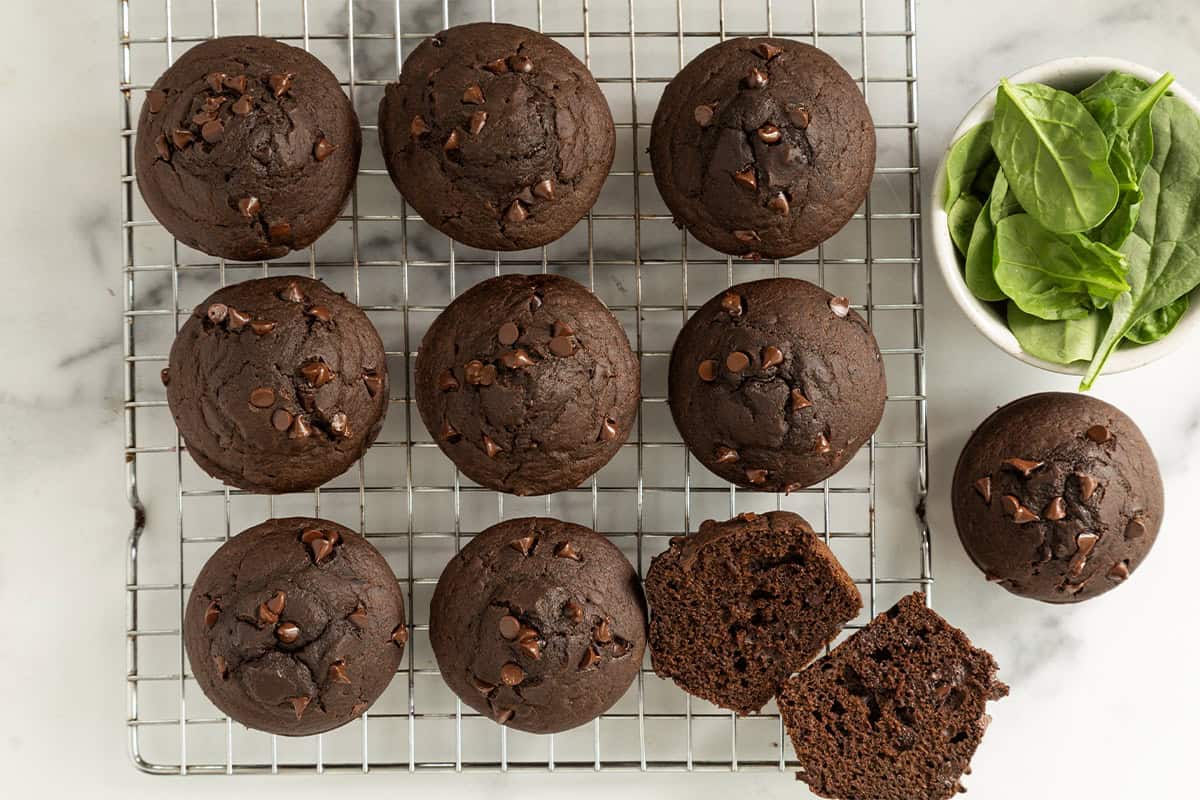
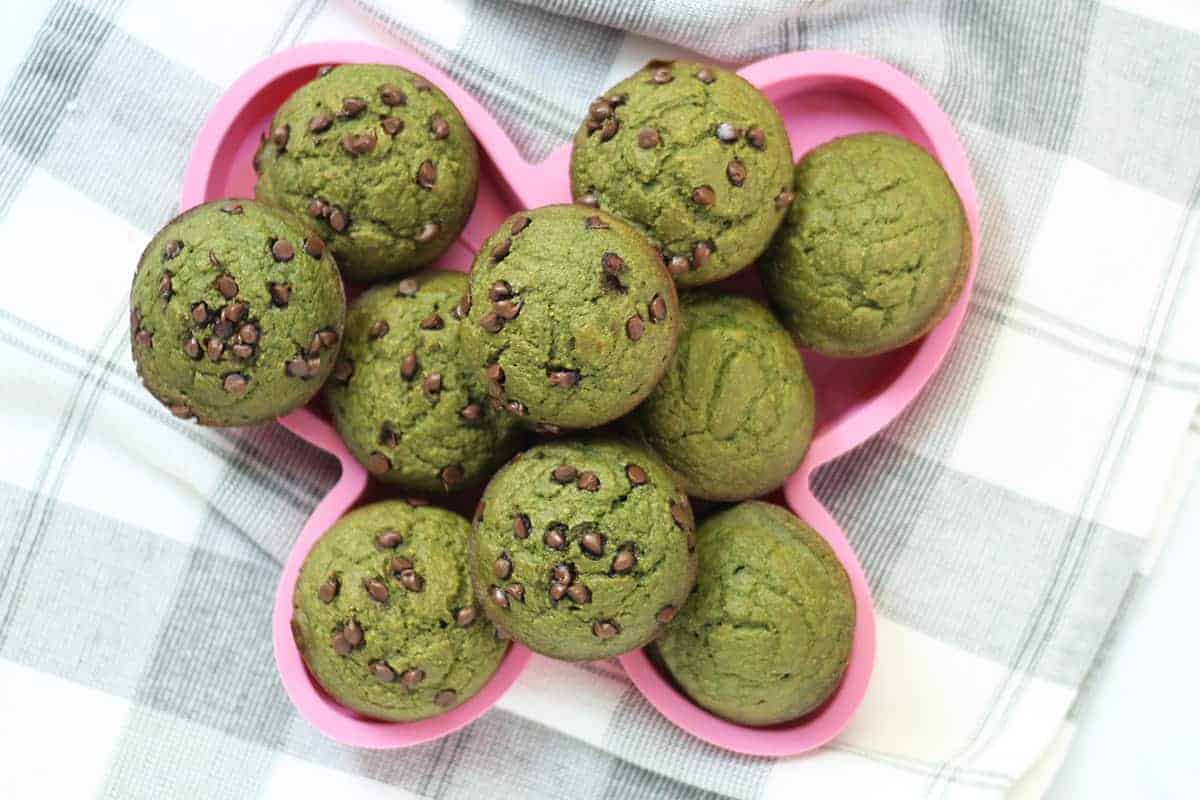
Spinach is a primary candidate for "hidden" nutrition due to its mild flavor profile and high nutrient density. When blended into a batter, spinach provides significant amounts of non-heme iron, Vitamin K, and folate. In recipes such as the "Healthy Chocolate Muffin," the dark pigments of cocoa powder effectively mask the green hue of the spinach, while the vegetable’s moisture content contributes to a tender crumb.
Cucurbitaceae: Zucchini
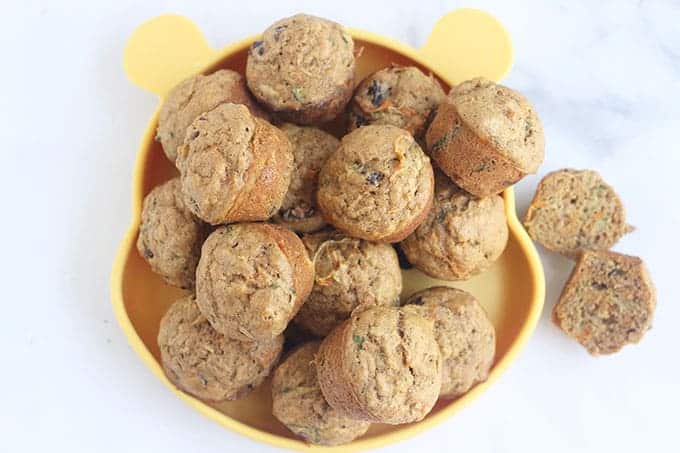
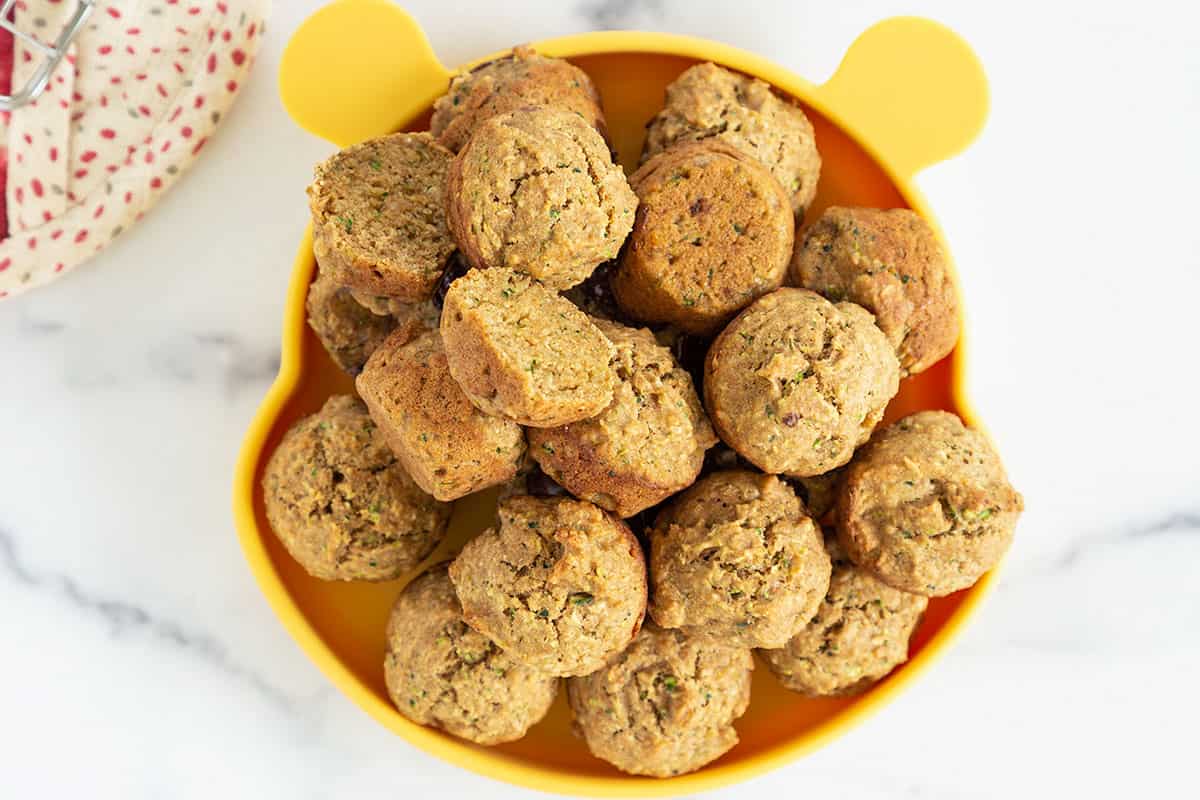
Zucchini is valued in the baking industry for its high water content and neutral taste. Finely grated zucchini provides bulk and moisture without the need for excessive oils or fats. From a nutritional standpoint, zucchini introduces Vitamin B6, riboflavin, and manganese into the diet. It is frequently paired with chocolate chips or blueberries to create a familiar flavor profile that appeals to younger palates.

Root Vegetables: Carrots and Sweet Potatoes
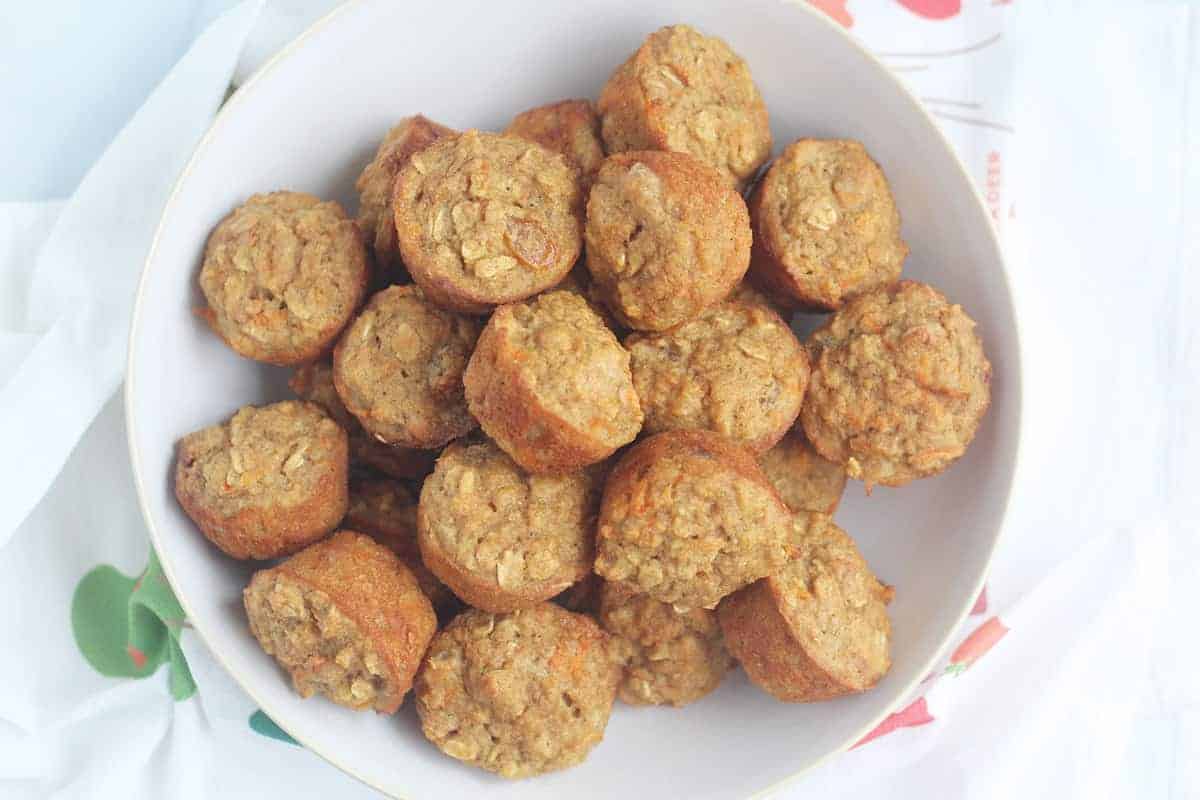
Carrots and sweet potatoes offer natural sweetness, reducing the requirement for refined sugars. Carrots are rich in beta-carotene, which the body converts to Vitamin Vitamin A, essential for ocular health and immune function. Sweet potatoes provide complex carbohydrates and potassium. In muffin formats, these vegetables are often finely grated or steamed and mashed, providing a sturdy texture that holds up well during storage and freezing.
Categorization of Muffin Interventions for Specific Dietary Needs
The current market of home-prepared muffins for toddlers can be categorized by their specific nutritional and dietary goals.

- Protein-Forward Solutions: The "Chocolate Protein Muffin" represents a shift toward higher satiety snacks. Often utilizing blender-based methods and flourless bases (such as oats or nut butters), these muffins provide a balanced ratio of macronutrients, making them suitable for breakfast substitutes.
- Allergy-Conscious Formulations: With the increasing prevalence of pediatric food allergies, vegan and nut-free muffin options have become essential. Recipes that omit eggs and dairy—utilizing flax eggs or fruit purees as binders—ensure that children with dietary restrictions are not excluded from nutritional optimization.
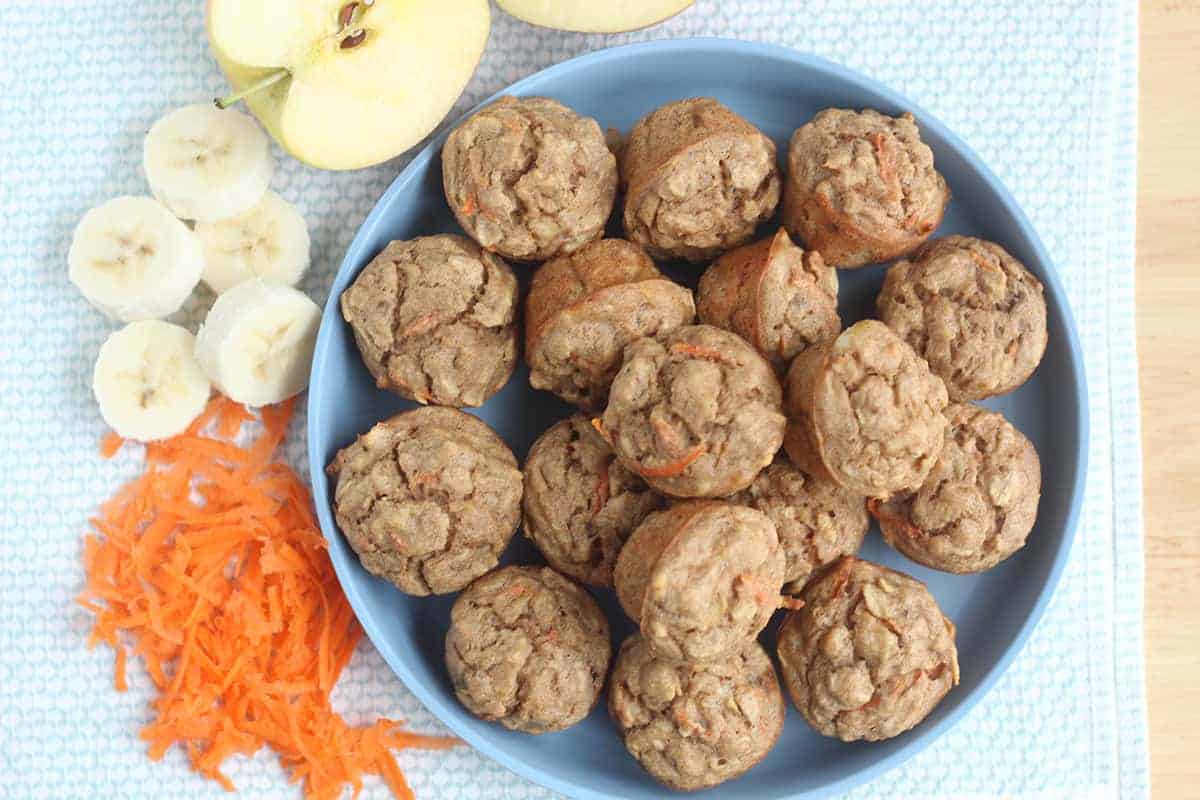
- Sugar-Free and Low-Glycemic Options: The "ABC Baby Muffin" (Apple, Banana, Carrot) focuses on using whole fruit as the primary sweetener. This approach helps regulate blood sugar levels in toddlers, avoiding the "spike and crash" cycle associated with processed snacks.
Expert Perspectives on Picky Eating and Food Exposure
Pediatric nutritionists and child psychologists often weigh in on the implications of hiding vegetables. While the primary goal is nutrient delivery, experts suggest that "hiding" should be one part of a broader strategy.
"The goal is to increase the total volume of nutrients consumed," states a consensus among pediatric dietitians. "While muffins provide a safe and accepted delivery vehicle, they should be paired with the visible presence of vegetables on the plate to ensure long-term dietary literacy."
The FAQ sections of major nutritional platforms address common parental concerns:

- Flavor Profiles: To prevent a "vegetable-y" taste, experts recommend using naturally sweet catalysts like ripe bananas or pure maple syrup.
- Texture Management: For children with sensory processing sensitivities, blender muffins are recommended to create a completely smooth, uniform texture that eliminates the "suspicion" of hidden pieces.
- Educational Integration: Involving toddlers in the kitchen—letting them pour the spinach into the blender or stir the grated carrots—reduces the "fear of the unknown" and can actually decrease picky eating behaviors over time.
Operational Logistics: Preparation, Storage, and Safety
For the modern household, the utility of hidden veggie muffins is tied to their logistical convenience. Journalistic observation of household trends shows a move toward "batch cooking" or "meal prepping" to combat the time poverty of working parents.

- Shelf Life and Stability: Most veggie-heavy muffins remain shelf-stable for three days but require refrigeration for longer durations due to their high moisture content.
- Freezing Protocols: These items are highly conducive to freezing. When stored in airtight containers with minimal oxygen exposure, they can maintain nutritional integrity for up to six months. This allows parents to provide a high-quality snack in a matter of seconds via microwave reheating.
- Portion Control: The use of mini-muffin tins has become a standard for toddler feeding, providing age-appropriate portion sizes that minimize food waste—a significant economic factor for many families.
Broader Implications for Public Health and Future Trends
The trend of hidden veggie muffins reflects a broader shift in public health: the decentralization of nutritional responsibility. As families move away from highly processed, store-bought "toddler snacks"—which often contain fillers and synthetic preservatives—the return to home-baked, vegetable-integrated foods represents a grassroots movement toward better health outcomes.
The long-term implications of this dietary strategy include a potential reduction in childhood obesity and a lower risk of developing chronic conditions like Type 2 diabetes later in life. By normalizing the consumption of vegetables—even in baked forms—caregivers are setting a foundation for a more diverse and healthful diet.
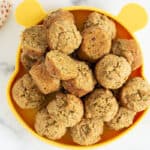
Looking forward, we can expect to see further innovation in this space, including the use of alternative flours (such as chickpea or cassava) and the integration of even more diverse produce like beets, cauliflower, and butternut squash. The "hidden veggie muffin" is no longer just a recipe; it is a critical tool in the modern parental arsenal for safeguarding the health of the next generation. As the data continues to support the importance of early nutritional intervention, the role of functional, homemade baked goods will only continue to grow in significance within the global health landscape.