

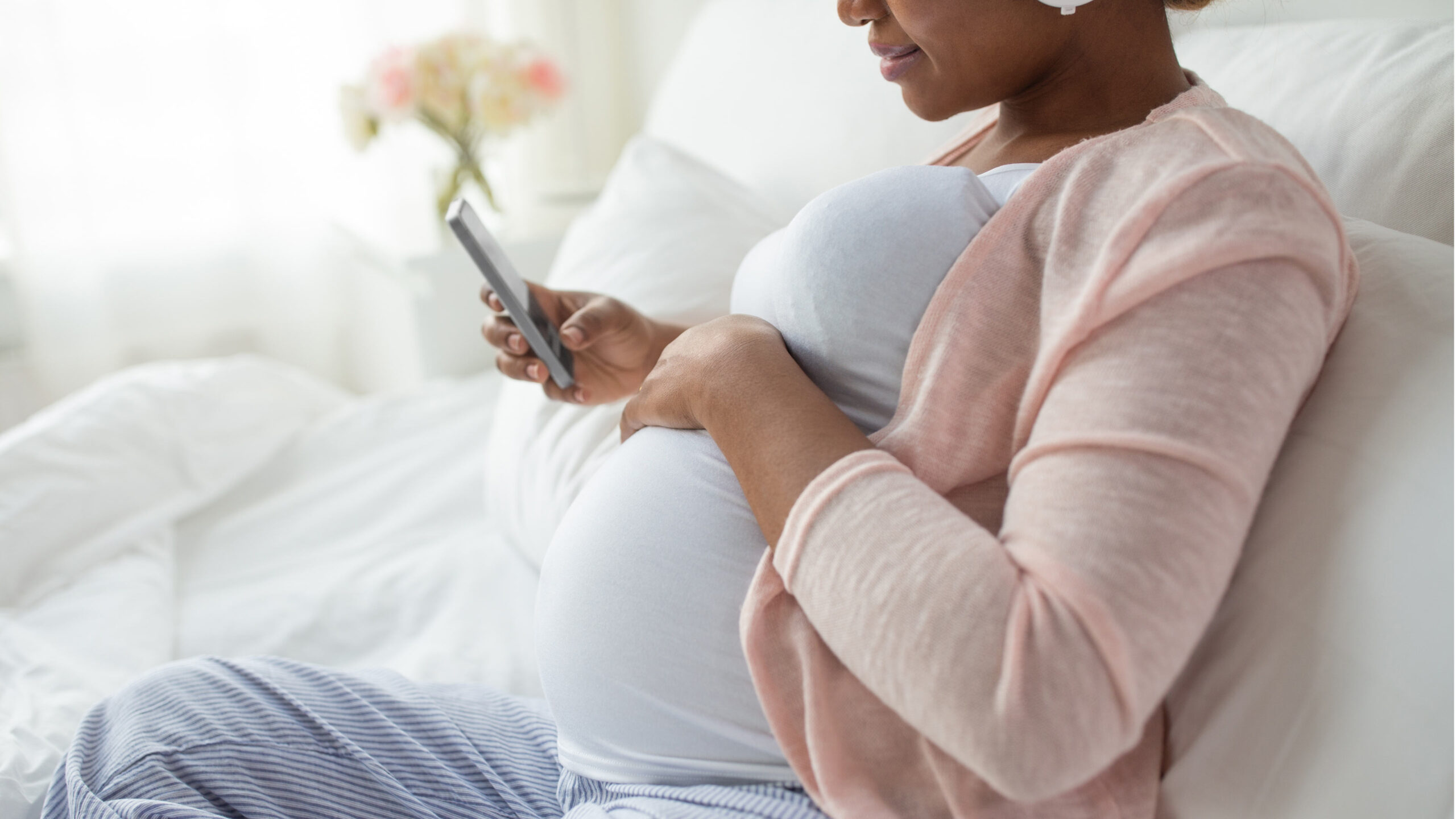
The landscape of maternal healthcare is undergoing a significant transformation as expectant parents increasingly seek accessible, cost-effective alternatives to traditional hospital-based prenatal education. While childbirth education has historically been a cornerstone of the third trimester, the rise of digital platforms and the increasing financial pressures on young families have catalyzed a surge in demand for free childbirth classes. These offerings, ranging from comprehensive online modules to community-led workshops, promise to bridge the gap between medical necessity and financial accessibility. However, as the market for prenatal information becomes more saturated, medical professionals and educators are raising critical questions regarding the quality, depth, and pedagogical value of no-cost educational resources.
The Economic and Clinical Context of Prenatal Education
To understand the proliferation of free childbirth classes, one must first examine the broader economic environment of American maternity care. With the average cost of vaginal delivery in the United States exceeding $13,000—and significantly more for cesarean sections—many families are looking to minimize ancillary expenses. Concurrently, clinical data continues to underscore the importance of prenatal education. According to the Journal of Perinatal Education, women who participate in comprehensive childbirth classes report lower levels of anxiety, a higher sense of self-efficacy during labor, and, in some cohorts, a reduced likelihood of elective medical interventions.
Despite these benefits, the traditional model of in-person, fee-based instruction—often costing between $150 and $500 per series—remains a barrier for low-to-middle-income families. This has created a vacuum that free digital resources and non-profit initiatives are now attempting to fill.
The Evolution of Access: A Chronology of Childbirth Instruction
The delivery of childbirth education has evolved through several distinct eras. In the mid-20th century, the "Natural Childbirth" movement, spearheaded by figures like Grantly Dick-Read and Fernand Lamaze, introduced the concept of structured classes, primarily conducted in person through community groups. By the 1980s and 1990s, hospitals became the primary providers, often bundling these classes into their delivery packages for a fee.
The 2010s marked a pivotal shift toward the "Digital Paradigm," where platforms like YouTube and BabyCenter began offering video-based content. The COVID-19 pandemic served as a final catalyst, forcing the near-total migration of prenatal education to online spaces. Today, the market is defined by a "Freemium" model: basic information is provided at no cost to capture audience attention, while comprehensive, specialized, or interactive instruction is gated behind paywalls.
Evaluating the Landscape of Free In-Person Resources
While the digital realm dominates the "free" market, in-person options still exist, albeit with geographical and logistical limitations. These are typically funded through three primary avenues:
- Government-Funded Programs: Programs such as the Special Supplemental Nutrition Program for Women, Infants, and Children (WIC) often provide basic prenatal and breastfeeding education at no cost to eligible participants. These classes focus heavily on nutrition, basic labor signs, and newborn safety.
- Hospital Marketing Initiatives: Some medical centers offer free introductory "tours" or "mini-classes." While these serve a marketing function—encouraging parents to choose that specific facility for delivery—they often include essential information on hospital protocols and pain management options.
- Non-Profit and Religious Organizations: Crisis pregnancy centers and community health clinics frequently host volunteer-led classes. While these are accessible, experts note that the curriculum may sometimes reflect the specific ideological or religious leanings of the hosting organization rather than purely evidence-based obstetric data.
The scarcity of free in-person classes is largely due to the overhead costs of specialized labor: midwives, doulas, and certified childbirth educators (CCEs) require compensation for their expertise and the time required to manage group dynamics and hands-on practice.
Digital Platforms: A Comparative Analysis of Free Online Courses
The digital marketplace offers the most robust selection of free resources, though the quality varies significantly across providers.
The Generalist Approach: BabyCenter
BabyCenter, a subsidiary of the Everyday Health Group, offers one of the most widely utilized free online birthing courses. Hosted by editorial staff rather than medical clinicians, the course covers the mechanics of labor, contraction timing, and newborn care basics.

- Analysis: While comprehensive in its breadth, critics argue the content is "sterile" and hospital-centric. It assumes a standard medicalized birth experience, which may not align with the goals of parents seeking unmedicated or "natural" births. Furthermore, the lack of direct medical credentials from the presenter is a point of concern for those seeking expert-level clinical nuance.
The Text-Based Model: BabyMed
BabyMed represents the traditional web-resource model, providing a series of interconnected articles organized into a "class" structure.
- Analysis: This format lacks the visual demonstration essential for learning labor positions or breathing techniques. While it serves as a functional encyclopedia of birth terms, it is often described as cumbersome and less engaging than video-based alternatives.
The Open-Source Frontier: YouTube
YouTube has become a primary search engine for prenatal education. Channels led by registered nurses, midwives, and doulas provide high-production-value content for free.
- Analysis: The "YouTube University" approach offers the highest degree of specialization but requires the most "information hygiene" from the user. Parents must independently verify the credentials of the content creator to ensure the advice aligns with current ACOG (American College of Obstetricians and Gynecologists) or AWHONN (Association of Women’s Health, Obstetric and Neonatal Nurses) standards.
The "Freemium" Strategy: Samples and Introductary Modules
Many leading paid courses, such as Lamaze International, Kopa Birth, and Pulling Curls, offer "free samples" or introductory modules. These are designed as lead magnets to move consumers into a sales funnel.
- Lamaze International: Offers a brief "Labor Confidence" module. While grounded in their famous six-step approach to healthy birth, the free version is a snippet that lacks the depth of their full 12-hour curriculum.
- Kopa Birth: Provides a one-hour introductory video focused on natural hospital birth. This is widely considered the most high-quality "free" hour available online, though it covers only approximately 12% of the total course material.
- The Online Prenatal Class for Couples: Taught by a certified labor and delivery nurse, this free introductory lesson focuses on third-trimester testing and common fears. It is designed to be succinct, catering to the "time-poor" modern couple.
Supporting Data: The Value Proposition of Education
Recent data from the National Institutes of Health (NIH) suggests that prenatal education is a key factor in reducing "fear-tension-pain" cycles. A study of over 1,000 first-time mothers indicated that those who completed at least six hours of childbirth education were 25% less likely to request an epidural early in the first stage of labor and reported higher satisfaction with the postpartum period.
However, the "free" model often falls short of this six-hour threshold. Most free resources total between 10 and 120 minutes of content. This suggests that while free classes provide a foundational "what to expect" overview, they may lack the "how to cope" depth required for significant clinical impact on birth outcomes.
Official Responses and Professional Standards
Leading organizations in the field of maternal health emphasize that while any education is better than none, the source matters. In a statement regarding patient education, ACOG notes that "physicians should encourage patients to seek out education that is evidence-based and free from commercial bias."
The International Childbirth Education Association (ICEA) highlights that the interactive element—the ability to ask questions and receive personalized feedback—is what differentiates a "class" from "content." Free, pre-recorded videos lack this bidirectional communication, which educators argue is vital for addressing the unique medical histories and anxieties of expectant parents.
Broader Impact and Implications for Maternal Health Equity
The rise of free childbirth classes has profound implications for health equity. By removing the financial barrier to entry, these resources democratize information that was once reserved for those with disposable income. This is particularly critical in "maternity deserts" where in-person classes are non-existent.
However, a "digital divide" remains. Families without high-speed internet or the time to "weed through" disparate YouTube videos are still at a disadvantage. Furthermore, the reliance on free, often unvetted content can lead to the spread of misinformation regarding medical interventions, such as the safety of home births versus hospital births or the efficacy of certain induction methods.
In conclusion, free childbirth classes serve as a vital entry point for prenatal education, offering basic literacy on the physiological process of birth. They are a valuable tool for low-risk pregnancies and for parents seeking a general overview. Nevertheless, for those desiring a specialized birth experience—such as a natural birth in a hospital setting or a planned VBAC (Vaginal Birth After Cesarean)—the consensus among experts is that the "free" model often requires a significant investment of time to curate, which may ultimately outweigh the cost of a comprehensive, professionally-led paid course. As the industry continues to evolve, the challenge will be to ensure that "free" does not equate to "insufficient" in the critical window of prenatal preparation.