

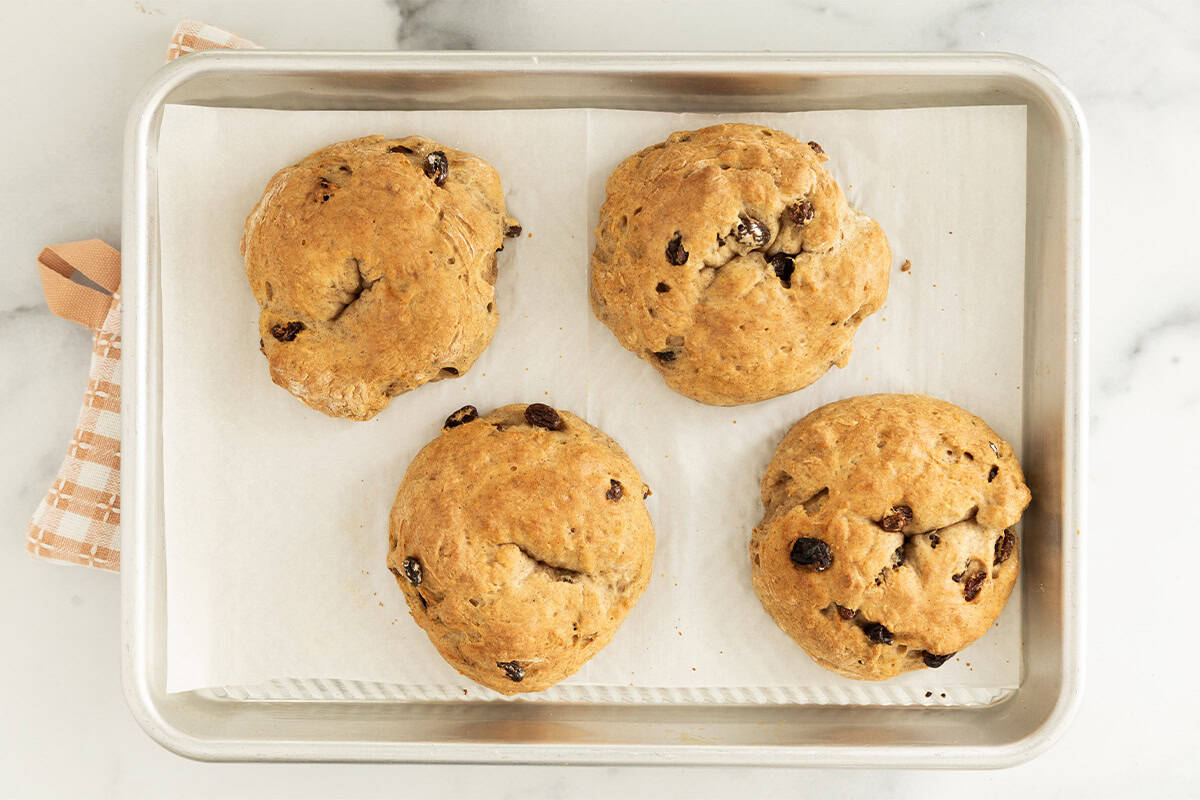
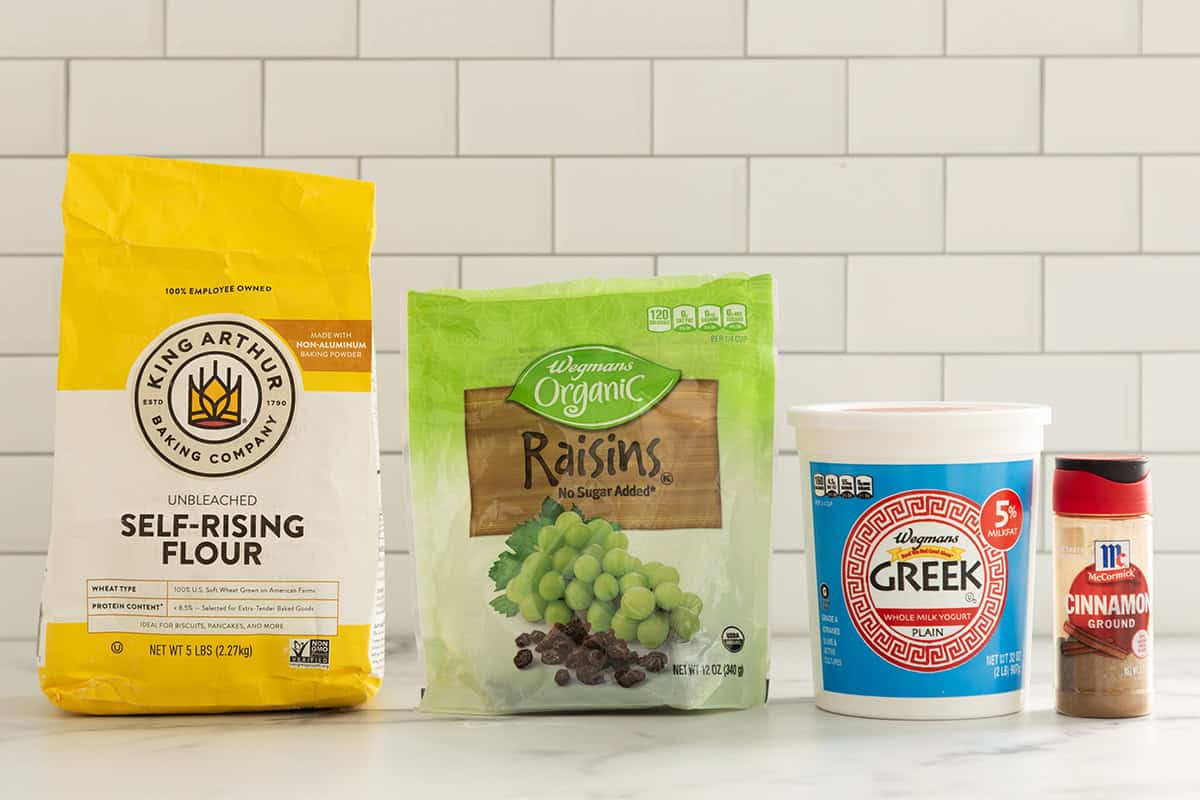
The landscape of home baking has undergone a significant transformation in recent years, shifting from complex, multi-day fermentation processes to streamlined, nutrient-dense methods that cater to busy families. Among the most notable developments in this sector is the rise of the Greek yogurt-based dough, a technique that has now been adapted to produce Cinnamon Raisin Bagels. This specific formulation requires only four primary ingredients—Greek yogurt, self-rising flour, ground cinnamon, and raisins—eliminating the traditional requirements for commercial yeast, professional-grade stand mixers, or the labor-intensive boiling stage typically associated with bagel production. By prioritizing accessibility and nutritional density, this method addresses a growing consumer demand for "shortcut" meals that do not compromise on dietary value or flavor.
Technical Methodology and Production Workflow
The production of these bagels relies on the chemical interaction between the acidity of the Greek yogurt and the leavening agents present in self-rising flour. This synergy allows the dough to rise during the baking process without the need for biological leavening agents like yeast, which often require precise temperature controls and extended proofing times. The workflow is designed for maximum efficiency, typically moving from raw ingredients to a finished product in approximately 30 minutes.
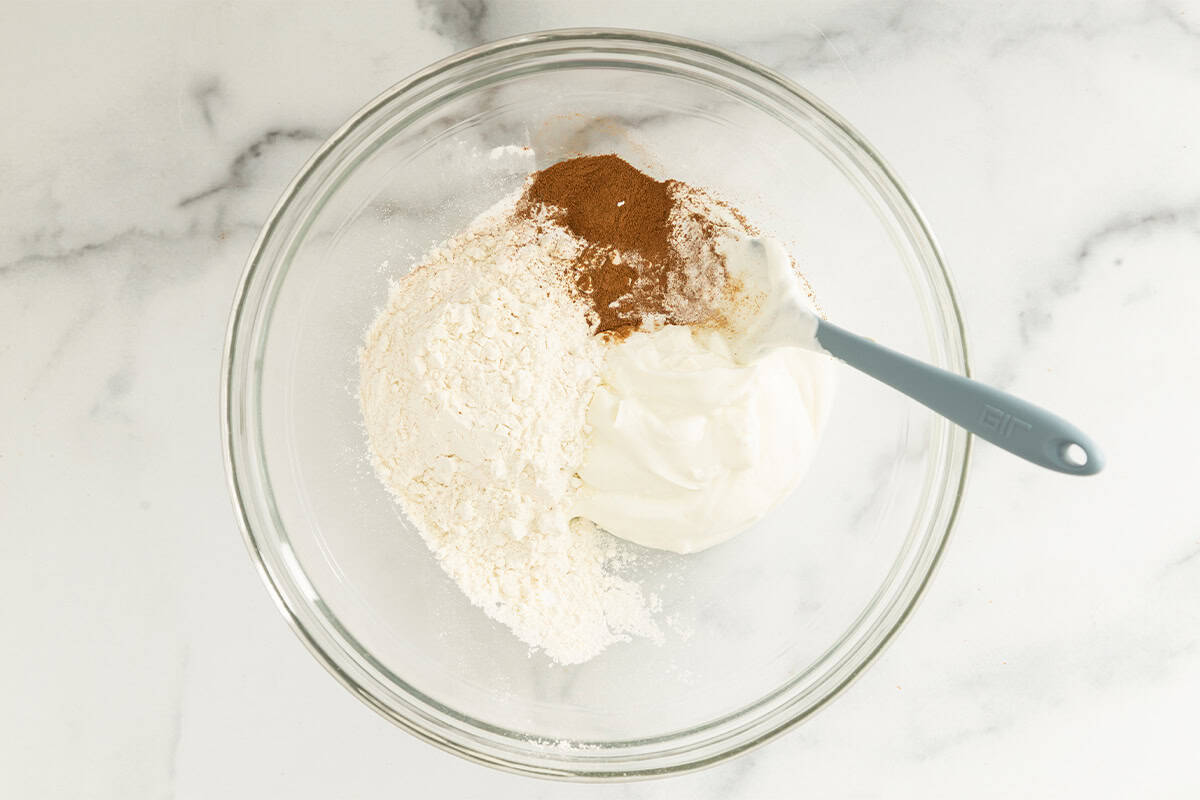
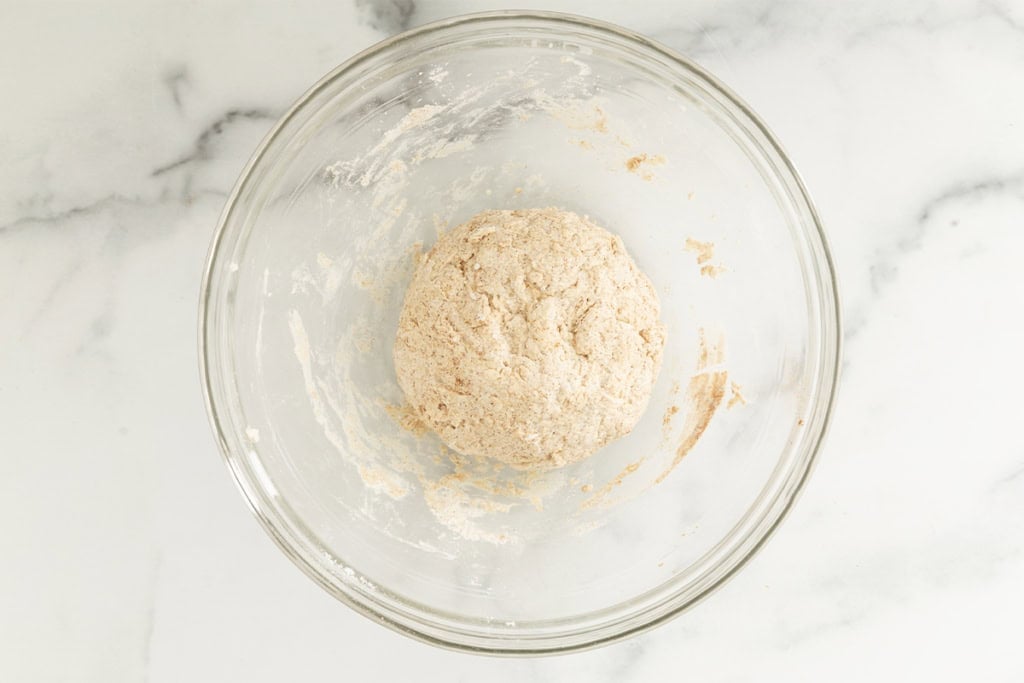
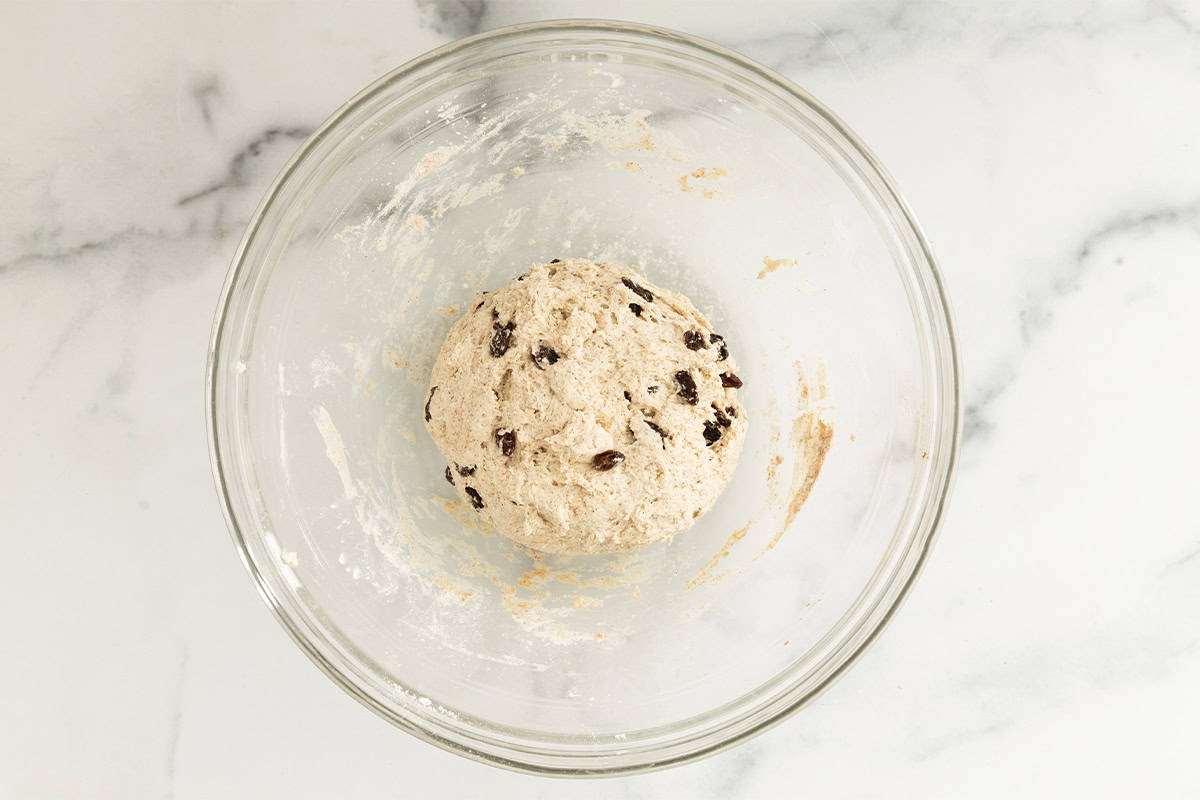
The process begins with the combination of the dry base—self-rising flour and cinnamon—with the wet component, which is exclusively Greek yogurt. Analysts in the culinary space note that the use of Greek yogurt serves a dual purpose: it provides the necessary moisture for dough formation while significantly boosting the protein and calcium content of the final product. Once the initial dough is formed using a fork or hands, raisins are folded in through a brief kneading process to ensure even distribution.
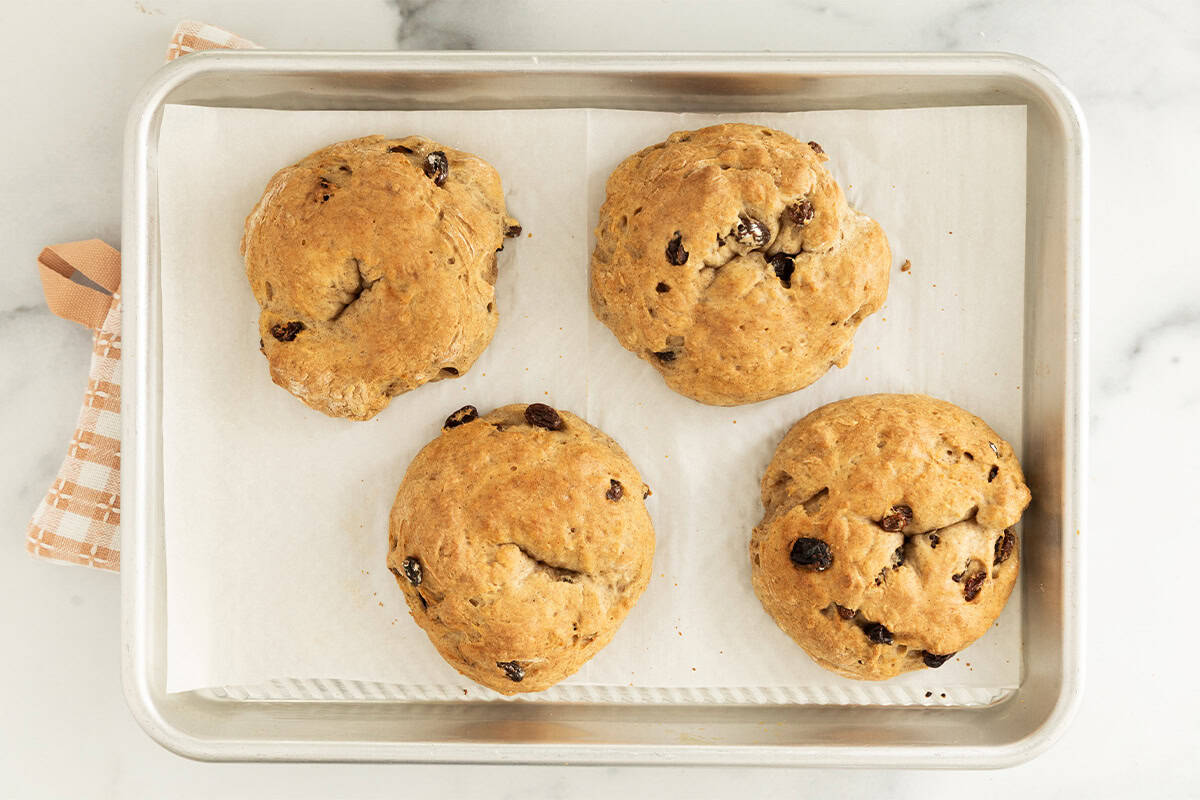
The shaping phase follows a simplified "roll-and-loop" technique. The dough is divided into four equal portions, rolled into cylindrical tubes, and joined at the ends to form the iconic toroidal shape of a bagel. Unlike traditional New York-style bagels, which are boiled in malted water to gelatinize the exterior starch before baking, these bagels proceed directly to the oven. This omission results in a softer exterior, which pediatric nutritionists highlight as a critical safety and palatability feature for young children and toddlers who may struggle with the dense, "toothsome" crust of conventional bagels.
Comparative Nutritional Analysis
A detailed examination of the nutritional profile of these homemade bagels reveals a superior composition compared to many mass-produced commercial alternatives. According to standardized nutritional data, a single serving of this four-ingredient bagel contains approximately 196 calories and 11 grams of protein. In contrast, many store-bought cinnamon raisin bagels contain between 6 and 8 grams of protein while often incorporating higher levels of refined sugars and preservatives to maintain shelf life.
The inclusion of Greek yogurt contributes 75 milligrams of calcium per serving, an essential mineral for bone development in pediatric populations. Furthermore, the recipe achieves a balanced macronutrient ratio with 34 grams of carbohydrates and only 2 grams of fat. From a dietary management perspective, the absence of added granulated sugars or honey—relying instead on the natural sweetness of the raisins—positions this recipe as a lower-glycemic option for breakfast or snack time.
Economic Impact and Household Budgeting
As grocery inflation continues to impact household expenditures, the cost-effectiveness of home-baked goods has become a focal point for economic analysis. Market data indicates that premium, "artisan-style" bagels in retail environments can cost significantly more per unit than those produced at home using bulk ingredients like flour and yogurt.
By utilizing a four-ingredient pantry-stable list, households can reduce their "cost-per-serving" while simultaneously reducing food waste. The versatility of the ingredients—specifically Greek yogurt and self-rising flour—allows for multiple applications beyond bagel production, such as pizza crusts or flatbreads, further maximizing the value of the grocery spend. Additionally, the ability to freeze these bagels for up to six months provides a logistical advantage for families practicing "bulk cooking" or "postpartum meal prepping," ensuring a consistent supply of nutritious food without the need for frequent retail trips.
Pediatric Safety and Developmental Considerations
One of the primary drivers behind the popularity of this specific recipe is its suitability for "baby-led weaning" (BLW) and toddler nutrition. Traditional bagels are often cited by safety experts as a potential choking hazard due to their high density and rubbery texture, which can be difficult for children with developing primary molars to masticate effectively.
The Greek yogurt-based dough produces a "tender" crumb that maintains its structural integrity while remaining soft enough for easy chewing. Regarding the inclusion of raisins, culinary experts suggest that while they are generally safe, cautious caregivers can easily bisect them with kitchen shears to further mitigate any perceived choking risks. This focus on texture and safety reflects a broader trend in the "Yummy Toddler Food" movement, which seeks to bridge the gap between adult-friendly flavors and child-appropriate textures.
Chronology of the "Two-Ingredient" Dough Phenomenon
The evolution of this recipe can be traced back to the broader "two-ingredient dough" trend that gained mainstream traction in health and wellness communities over the last decade.
- Phase 1: The Weight Loss Community Adoption: Early iterations of the yogurt-and-flour dough were popularized within weight management circles as a high-protein, low-point alternative to traditional bread.
- Phase 2: The Efficiency Pivot: Busy parents began adopting the method to save time, leading to the development of "3-Ingredient Bagels" (flour, yogurt, and egg wash/seasoning).
- Phase 3: Flavor Diversification: The current iteration represents the "flavor-enriched" phase, where ingredients like cinnamon, raisins, blueberries, or cottage cheese are integrated to provide variety and specialized nutrition.
Broader Implications for Modern Food Culture
The success of the Cinnamon Raisin Bagel recipe points to a significant shift in how modern consumers view "from-scratch" cooking. The "perfectionist" era of sourdough starters and complex hydration percentages is being supplemented—or in some cases, replaced—by a "functionalist" approach to baking. In this new paradigm, the value of a recipe is measured by its nutritional density, its speed of execution, and its appeal to multiple generations within a single household.
Furthermore, this trend highlights a growing skepticism toward ultra-processed foods (UPFs). By controlling the ingredients at home, consumers can avoid the dough conditioners, emulsifiers, and artificial flavorings found in many commercial bagel brands. The "clean label" movement, once the domain of high-end health food stores, has effectively moved into the home kitchen through simplified recipes like these.
Storage, Preservation, and Quality Control
To maintain the structural and flavor integrity of the bagels, specific storage protocols are recommended by culinary professionals. Once cooled completely, the bagels should be housed in an airtight container to prevent staling.
- Room Temperature: Suitable for up to 72 hours.
- Refrigeration: Extends viability to one week, though it may slightly toughen the crumb.
- Freezing: The most effective long-term solution. Experts recommend slicing the bagels with a serrated knife prior to freezing. This allows for a "toast-from-frozen" workflow, which restores the crispness of the edges while maintaining a soft interior.
Conclusion and Future Outlook
The four-ingredient Cinnamon Raisin Bagel serves as a case study for the future of domestic food production. It successfully navigates the intersection of health, economy, and convenience. As more families seek ways to provide high-quality nutrition under time and budget constraints, it is expected that the "yogurt-dough" framework will continue to expand into new culinary categories.
The broader impact of such recipes extends beyond the breakfast table; they empower individuals with limited culinary training to take control of their dietary intake, fostering a sense of self-sufficiency that has become increasingly prized in the post-pandemic era. By stripping away the intimidation factor of traditional baking, these methods ensure that nutritious, homemade bread remains a staple of the modern diet rather than a rare luxury.