

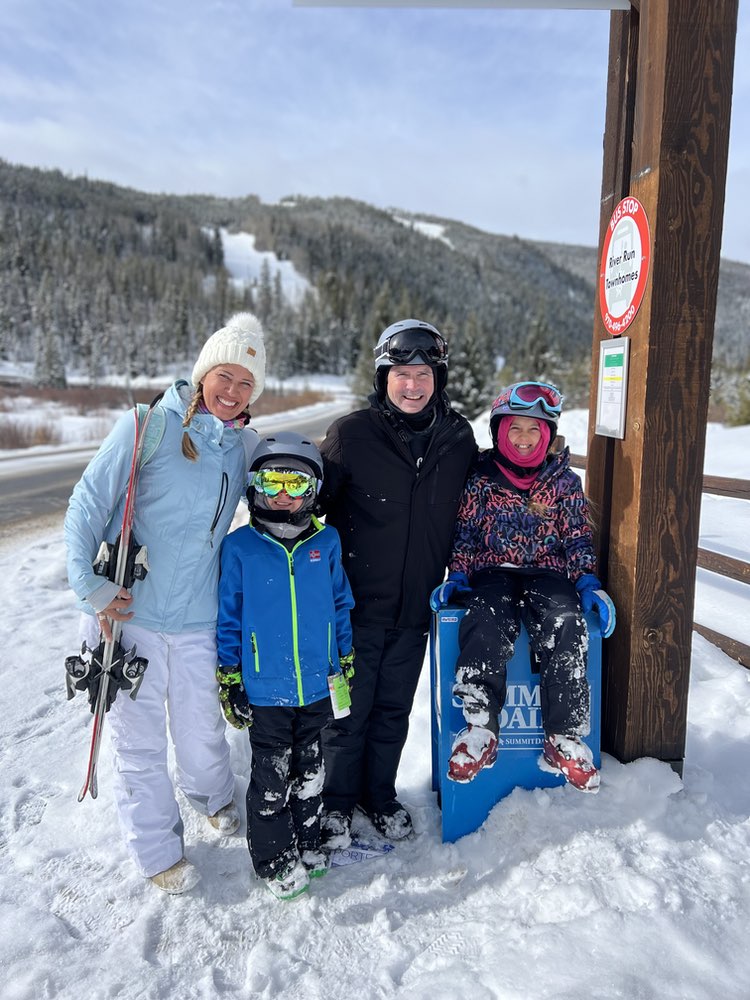
A recent family vacation to the snowy peaks of Colorado, initially planned as a quintessential Spring Break experience for the entire Grove family, unexpectedly underscored the evolving complexities of modern family dynamics, particularly with teenage children. The absence of the eldest son, 16-year-old Hunter, due to an unmissable commitment, served as a poignant catalyst for parental reflection on the fleeting nature of childhood and the profound, transformative power of family travel, ultimately leading to a remarkable personal triumph for his younger sister.
The narrative began months before the scheduled Spring Break, when Jen Grove, the mother and a professional travel advisor with Living with the Magic Family Vacations, along with her husband, meticulously planned what they envisioned as a landmark family trip. The destination was Colorado, chosen for its mountainous terrain and the promise of a myriad of snow-centric activities like skiing, snowboarding, and tubing—a departure from their usual family getaways. This was not just any trip; it was "a big one, an expensive one," meticulously arranged seven months in advance, designed to create indelible memories.
The Unforeseen Challenge: A Teen’s Commitment vs. Family Plans
The meticulously laid plans encountered an unforeseen hurdle just weeks before departure. In the midst of the bustling 5 o’clock hour, a time synonymous with the clamor of daily parental duties, Hunter, the eldest son, delivered a statement that momentarily silenced the internal chaos of his mother’s mind: "Mom, I can’t go. I can’t go on Spring Break, Mom. I can’t go with you guys." This declaration, imbued with a discernible inflection of genuine regret, immediately signaled a shift in family dynamics that many parents of teenagers increasingly encounter.

Hunter’s younger siblings, aged seven and eight years his junior, had historically allowed for flexible travel arrangements. However, as they, and particularly Hunter, aged, their individual lives became less pliable. Teenage years often bring with them a surge of commitments—academic, athletic, and social—that frequently compete with family time. For Hunter, the conflict arose from a crucial tournament scheduled during the Spring Break week. While not explicitly mandated by his coach, the 16-year-old felt a strong personal obligation, perceiving participation as "the right decision" for his development and team loyalty.
This situation is increasingly common among families. According to recent sociological studies, the pressures on teenagers to excel in extracurricular activities, particularly competitive sports, have intensified over the past decade. Participation in youth sports alone can consume significant time, with travel teams often requiring year-round commitment and demanding schedules that frequently overlap with traditional family vacation periods. This can place parents in a difficult position, balancing the desire for family togetherness with supporting a child’s individual passions and responsibilities, which are themselves crucial for developing independence and commitment.
Parental Realizations: The Fleeting Nature of Childhood
The mother’s initial reaction was a mix of anger and disbelief, a natural response to the disruption of a long-anticipated and costly family endeavor. However, as she observed her son, no longer the "be-bopping, moppy haired boy" but a young man standing taller and rapidly embarking on a new life chapter, her emotions shifted to a profound realization. This moment crystallized the often-repeated adage about having "only 18 summers" with children, a number that, as Grove reflected, often feels closer to 12 when significant commitments begin to take precedence.
This parental reckoning is a common experience, often described by psychologists as a form of anticipatory grief or a poignant awareness of time’s relentless march. The "rinse, wash, repeat" cycle of daily parenting, characterized by an endless loop of school runs, practices, homework, and household chores, often obscures the rapid passage of years. The sudden inability of a child to join a family trip serves as a stark reminder that childhood is finite and opportunities for collective family experiences are dwindling. This emotional impact is amplified by the internal conflict parents face when upholding values like commitment while simultaneously yearning for diminishing family time.

The Colorado Expedition: A Trip of Transformation
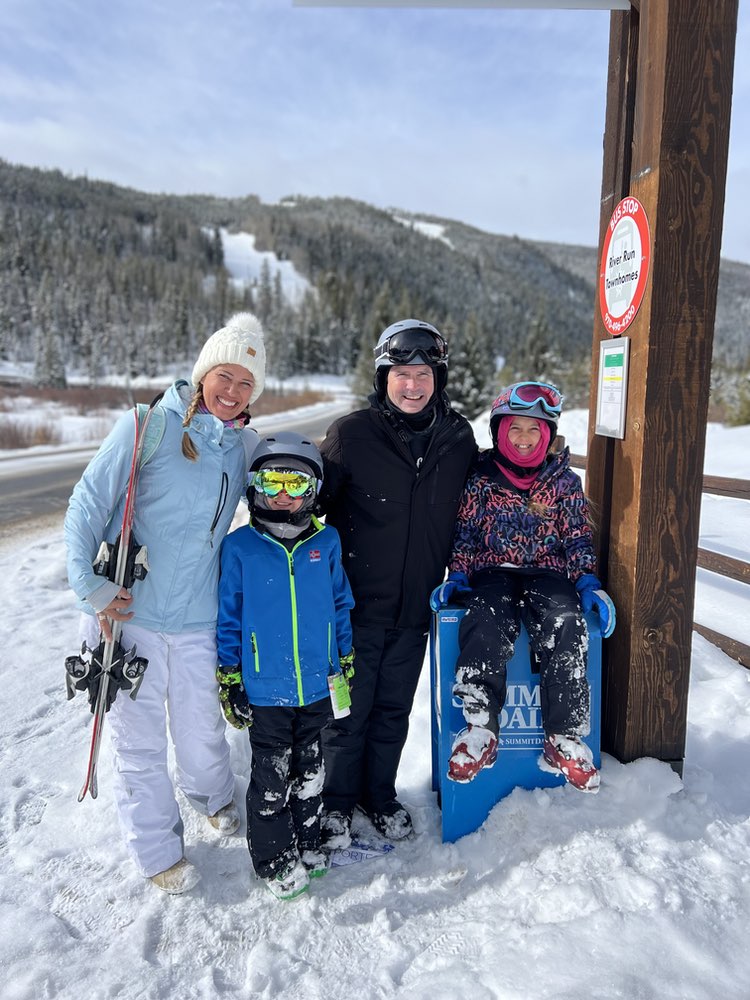
Despite Hunter’s absence, the rest of the Grove family proceeded with their Colorado adventure. What began with a bittersweet departure, leaving "a piece of my heart at home," transformed into an unexpectedly profound experience for the remaining family members, particularly for nine-year-old Harper. Prior to the trip, Harper was described as a "meek and anxious" child, lacking self-confidence. The mountainous environment and the challenge of learning to ski, however, unlocked an entirely new facet of her personality.
Within days, Harper, who had seemingly "not a lick of self-confidence," was confidently "skiing down a mountain like she’d been raised on one." Her transformation was dramatic and visible, culminating in a beaming smile and an enthusiastic declaration to her mother: "I’m moving to Colorado when I grow up and I’m going to be a ski instructor!" This newfound determination and joy, witnessed as she fearlessly hopped onto a ski lift, demonstrated a remarkable surge in self-efficacy and independence.
This powerful outcome aligns with extensive research on the developmental benefits of travel for children. Exposure to new environments, cultures, and activities challenges children, fostering adaptability, resilience, and problem-solving skills. Learning a new skill like skiing, particularly one that requires physical coordination, courage, and perseverance, can significantly boost a child’s self-esteem and sense of accomplishment. These "mastery experiences" are crucial for building confidence and expanding a child’s perception of their own capabilities. Furthermore, outdoor activities like skiing connect children with nature, promoting physical health and mental well-being, while fostering an appreciation for the natural world.
Broader Implications for Family Travel in the Modern Era

The Grove family’s experience serves as a compelling case study illustrating the broader message about prioritizing experiential travel. The mother’s reflection, "Take the trip. Just take the trip," resonates with a growing sentiment among parents and child development experts alike. Common deterrents to family travel—finances, work schedules, and the sheer demands of "Mom Life"—are often cited as reasons for delaying or foregoing trips. However, the profound impact witnessed in Harper’s transformation underscores the immense value these experiences hold, far beyond their immediate cost or logistical challenges.
Economic data consistently highlights the significant investment families make in travel, with the family travel market being a substantial segment of the global tourism industry. While financial considerations are undeniably important, studies on consumer behavior increasingly show that experiential purchases, such as travel, tend to generate more lasting happiness and satisfaction than material goods. These experiences contribute to a family’s "social capital," strengthening bonds and creating a shared history that enriches relationships.
Moreover, travel offers unparalleled educational opportunities. Beyond formal learning, it provides real-world lessons in geography, history, culture, and social interaction. Children exposed to diverse environments develop a broader worldview, empathy, and adaptability—skills highly valued in an increasingly globalized society. These lessons are not confined to textbooks; they are lived, felt, and integrated into a child’s personal narrative.
The article powerfully articulates that "it’s not what our children can hold that they will remember, it is what they felt." Memories forged during family trips—the thrill of skiing down a mountain, the awe of new landscapes, the laughter shared during an adventure—are not transient possessions. They are "quietly stored in a section of their hearts and minds," shaping their identity, influencing their perspectives, and informing who they will become. These intangible assets remain with individuals long after toys are discarded or trends fade, serving as a wellspring of resilience, inspiration, and cherished connection.
The Role of Travel Advisors in Navigating Complexities
The narrative also subtly highlights the increasing relevance of professional travel advisors in today’s intricate travel landscape. As a travel advisor herself, Jen Grove’s understanding of planning and execution, despite the personal challenge, underscores the value of expertise in crafting meaningful family vacations. Travel advisors like Grove, who specializes in cruises, beaches, and all-inclusive packages through Living with the Magic Family Vacations, play a crucial role in helping families navigate the myriad challenges of trip planning.
In an era where family schedules are often over-committed and travel options are overwhelming, a professional advisor can simplify the process, offering tailored recommendations, managing logistics, and even anticipating potential conflicts. They can help identify destinations and activities that align with family goals, budget constraints, and the developmental stages of children, ensuring that trips are not only memorable but also transformative. Their guidance can prove invaluable in maximizing the positive impact of travel and minimizing the stress of planning, allowing families to focus on the experience itself.
In conclusion, the Grove family’s Colorado Spring Break, while initially marked by the poignant realization of a teenager’s growing independence, ultimately became a testament to the irreplaceable value of family travel. It underscored the need for parents to seize opportunities for shared experiences, recognizing that these journeys, even when imperfect, can profoundly shape a child’s character and create a legacy of emotional richness that lasts a lifetime. The lessons learned on the slopes of Colorado extend far beyond the family itself, offering a compelling reminder to all: the memories and emotional growth fostered by travel are priceless investments in the lives of our children and the enduring fabric of family bonds.