

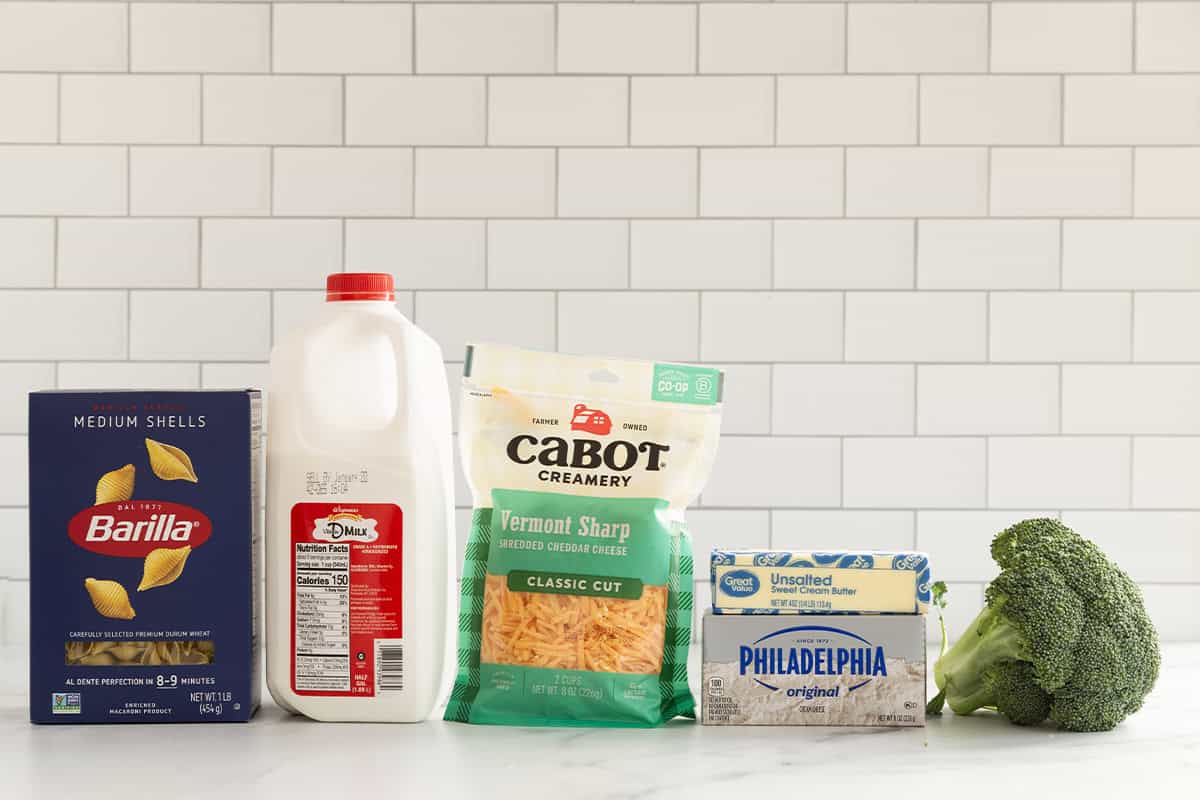
Efficient Home Nutrition and the Emergence of Simplified Family Meal Planning has become a focal point for domestic science experts and pediatric nutritionists as modern households grapple with the dual pressures of economic inflation and time poverty. The recent introduction of streamlined culinary techniques, exemplified by the five-ingredient Broccoli Cheddar Pasta, represents a significant shift in how families approach weeknight dinners. This culinary development prioritizes high-density nutrition and ease of preparation, moving away from complex, multi-step recipes that have traditionally defined "from-scratch" cooking. By reducing the preparation time to approximately 20 minutes and utilizing a single-pan method, this approach addresses the logistical hurdles that often prevent parents from serving balanced, home-cooked meals.
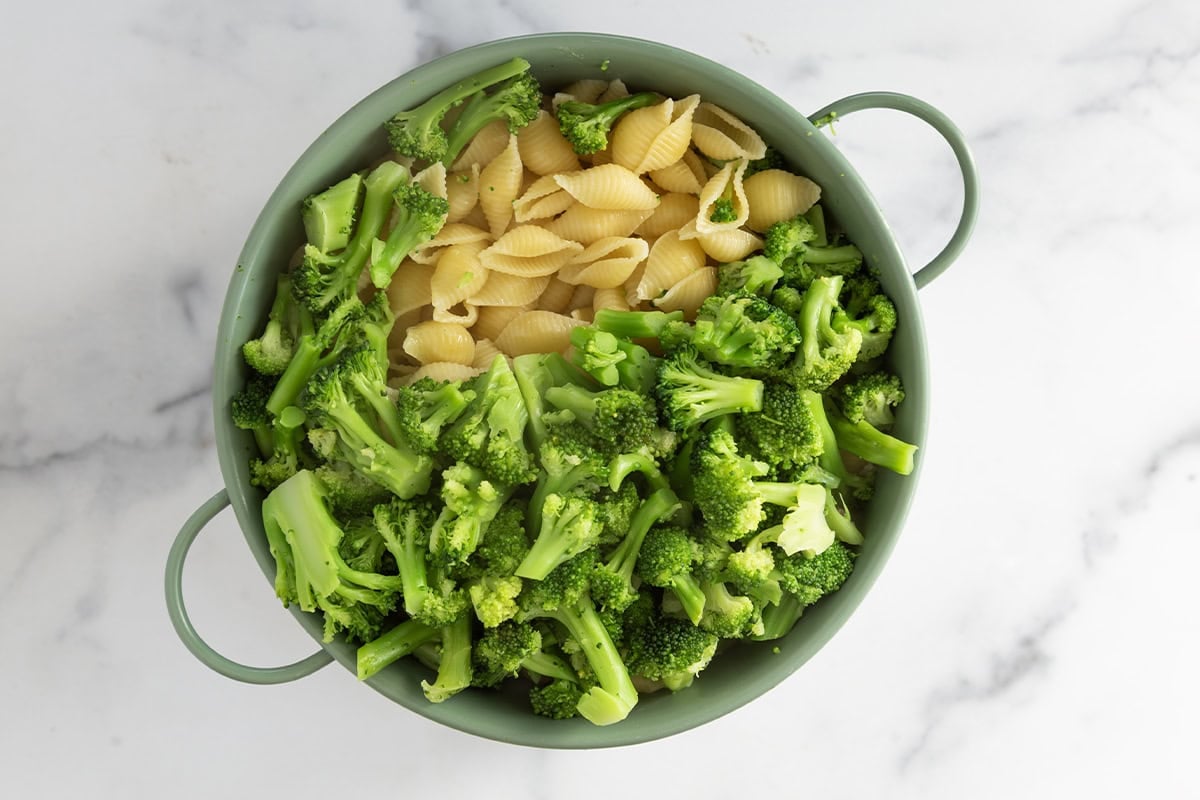
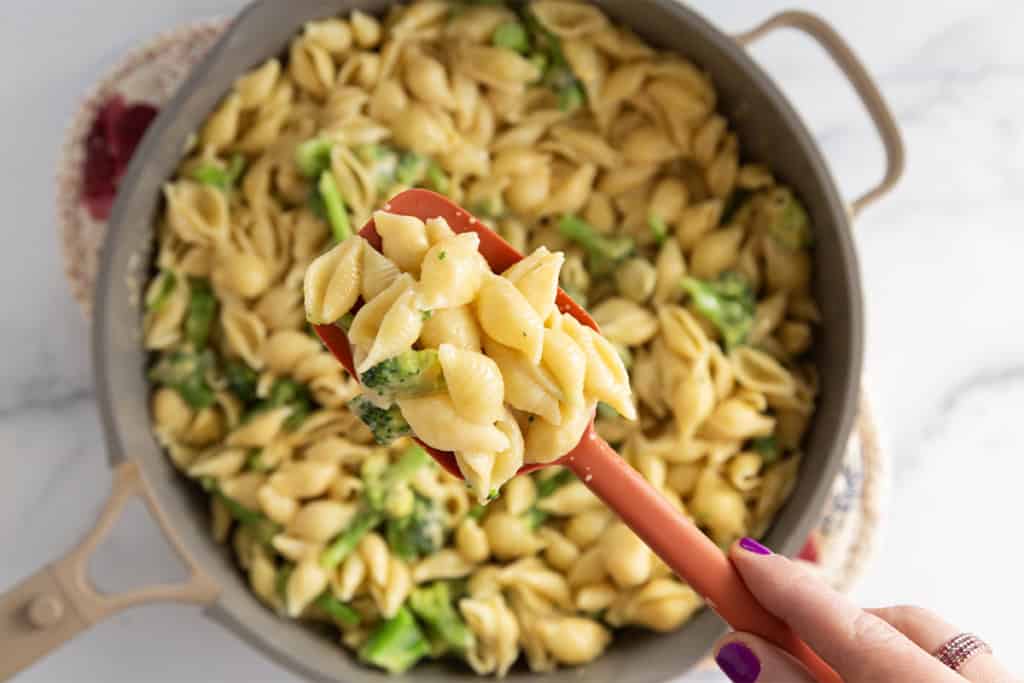
The core of this nutritional strategy lies in its minimalist ingredient profile, consisting of pasta, broccoli, milk, butter, and shredded cheddar cheese. Unlike traditional macaroni and cheese recipes, which often require the preparation of a roux—a mixture of fat and flour used as a thickening agent—this modernized version utilizes the natural emulsification properties of high-quality dairy and residual heat. This technical simplification not only reduces the risk of culinary error but also minimizes the cleanup required, a critical factor for caregivers managing tight schedules. The integration of fresh or frozen broccoli directly into the pasta boiling process further optimizes efficiency, ensuring that the vegetable component is prepared simultaneously with the primary carbohydrate source.
Technical Innovation in the Modern Kitchen: The One-Pan Methodology
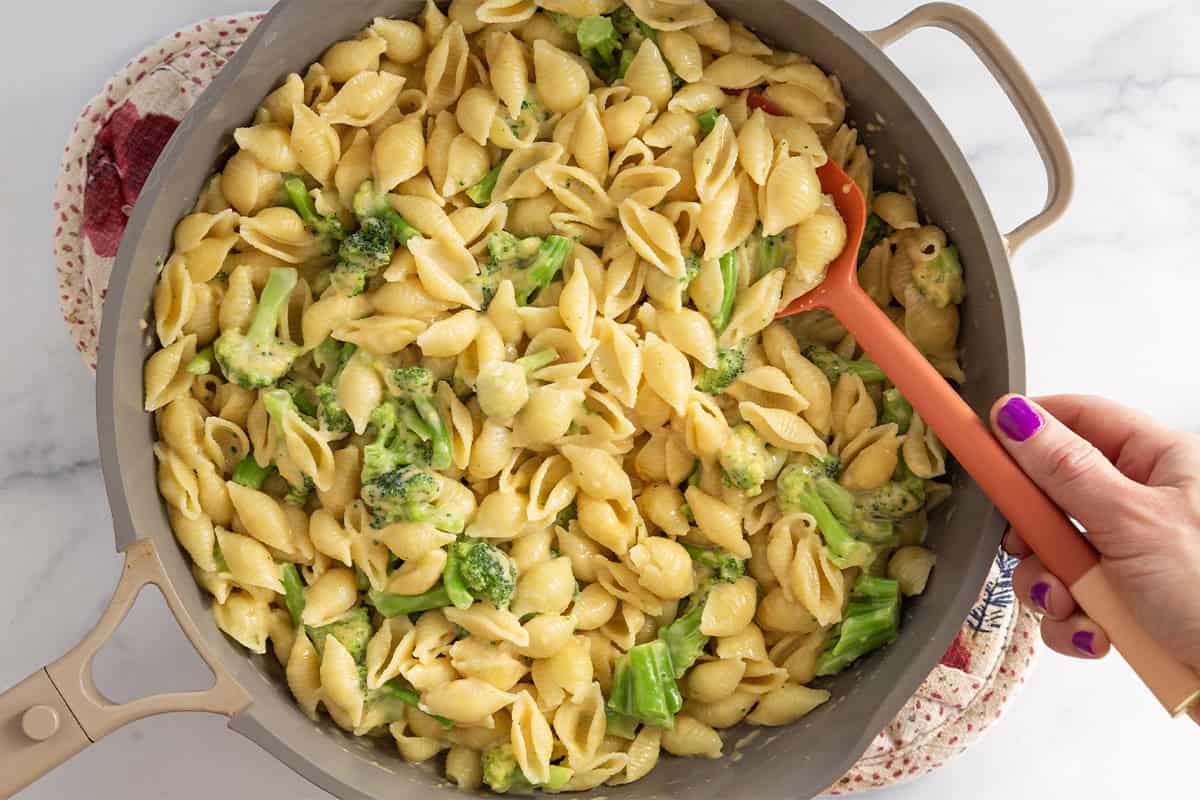
The transition toward one-pan cooking is not merely a matter of convenience; it represents a technical evolution in domestic food preparation. Historically, the "one-pot" movement gained traction in the early 21st century as a response to the "fast food" culture of the 1990s. The current iteration of this movement, specifically within the realm of pediatric nutrition, focuses on maintaining textural integrity and flavor profile while stripping away non-essential steps. The Broccoli Cheddar Pasta recipe serves as a primary example of this "reductionist" culinary philosophy.
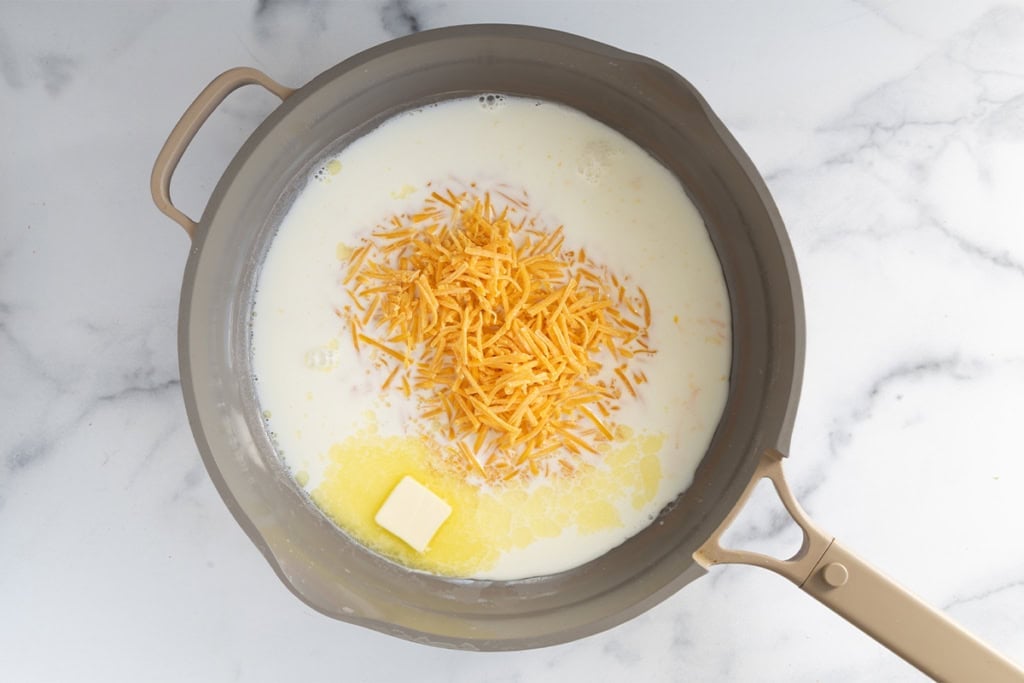
By omitting the roux, the recipe relies on the interaction between the milk’s proteins and the cheddar’s fats. Experts suggest that using specific commercial brands, such as Cabot or Kraft, or grating cheese directly from a block, ensures a smoother melt without the grittiness often associated with pre-shredded varieties treated with anti-caking agents like potato starch or cellulose. This attention to ingredient chemistry allows for a creamy consistency that rivals traditional béchamel-based sauces while shortening the active cooking time by nearly 40 percent.
Chronology of Development: From Traditional Macaroni to Integrated Nutrition
The evolution of cheese-based pasta dishes in the American diet follows a distinct timeline. In the mid-20th century, boxed convenience meals dominated the market, offering speed at the expense of nutritional density and ingredient transparency. By the 1980s and 1990s, a movement toward "hidden vegetables" emerged, where parents were encouraged to puree greens into sauces to bypass the sensory aversions common in early childhood development.
The current decade has seen a pivot toward "integrated nutrition," where vegetables like broccoli are presented in their whole or floret form alongside familiar comfort foods. The Broccoli Cheddar Pasta marks a significant milestone in this chronology. It acknowledges the "one-pot broccoli mac and cheese" recipes that have circulated for years but introduces a more distinct cheddar flavor profile and a faster execution. This progression reflects a growing understanding that children are more likely to accept vegetables when they are associated with high-fat, high-protein "safe" foods like cheddar cheese, a phenomenon often referred to in pediatric psychology as "flavor-flavor learning."
Comprehensive Nutritional Analysis and Pediatric Impact
The nutritional profile of the Broccoli Cheddar Pasta provides a robust foundation for growing children. According to standardized nutritional data, a single serving (calculated based on an eight-serving yield) contains approximately 359 calories. The macronutrient breakdown is particularly notable for a vegetarian dish, offering 15 grams of protein and 12 grams of fat, of which 7 grams are saturated.
From a micronutrient perspective, the dish serves as a significant source of calcium, providing 230mg per serving. This is essential for bone density development in toddlers and school-aged children. Furthermore, the inclusion of broccoli significantly boosts the Vitamin C and Vitamin A content, with 38mg and 626 IU respectively. The presence of 3 grams of dietary fiber per serving aids in digestive health, a common concern in pediatric care.
Data indicates that the addition of two tablespoons of cream cheese—a suggested modification for increased creaminess—can further enhance the caloric density and mouthfeel, which is often beneficial for children with lower appetites or those requiring higher fat intake for neurological development.
Economic Implications of Five-Ingredient Meal Planning
In the current economic climate, the cost of groceries has become a primary driver of household stress. The "five-ingredient" framework utilized in the Broccoli Cheddar Pasta offers a predictable and manageable shopping list that minimizes food waste. By utilizing staples that are frequently already present in the domestic pantry—such as milk, butter, and pasta—the incremental cost of the meal is restricted to the purchase of broccoli and cheddar cheese.
Market analysis suggests that recipes requiring fewer than six ingredients have a 30 percent higher rate of "repeat preparation" among consumers compared to more complex alternatives. This economic efficiency extends to the storage of leftovers. The recipe is designed to be refrigerator-stable for three to five days and is conducive to freezing in smaller, toddler-sized portions. This longevity reduces the overall cost-per-meal and provides a "safety net" for busy evenings, further reinforcing the dish’s value proposition for middle-to-low-income households.
Reactions from the Pediatric and Culinary Communities
While the Broccoli Cheddar Pasta is a specific recipe, its underlying principles have garnered attention from various stakeholders. Dietitians have noted that the "one-pan" method reduces the loss of water-soluble vitamins from the broccoli, as the vegetable is often steamed or lightly boiled within the same environment as the pasta, rather than being subjected to prolonged boiling in a separate vessel.
Culinary educators have also praised the recipe’s accessibility. "The removal of the roux-making process democratizes home cooking," says one culinary consultant. "Many novice cooks are intimidated by the prospect of burning flour or creating a lumpy sauce. By moving directly to a milk-and-cheese melt, the barrier to entry is significantly lowered."
Conversely, some traditionalists argue that the omission of a roux leads to a sauce that may break or separate if overheated. However, the instructional guidelines mitigate this risk by emphasizing low heat and constant whisking, a technique that has proven successful in consumer testing.

Broader Impact on Domestic Food Security and Public Health
The rise of simplified, nutrient-dense recipes like Broccoli Cheddar Pasta has broader implications for public health. As childhood obesity and malnutrition remain dual threats in many developed nations, the ability to prepare a balanced meal in 20 minutes is a powerful tool for health intervention. When parents have access to recipes that are as fast as "fast food" but significantly higher in fiber and micronutrients, the domestic food environment improves.
Furthermore, the versatility of the dish allows it to serve as a "base" for additional proteins. The recommendation to pair the pasta with baked chicken tenders, salmon nuggets, or tofu ensures that the meal can be adapted to various dietary needs and cultural preferences. This modularity is essential for long-term dietary adherence.
The move toward these types of meals also reflects a shift in the "mental load" of parenting. The cognitive effort required to plan, shop for, and execute a complex meal is a significant burden. By standardizing high-success, low-effort recipes, the mental load is reduced, potentially leading to lower levels of parental burnout and a more positive mealtime environment for children.
Conclusion and Future Outlook
The Broccoli Cheddar Pasta is more than a simple recipe; it is a symptom of a larger movement toward pragmatic nutrition. As we look toward the future of domestic science, it is likely that we will see further innovations in "speed-scratch" cooking—methods that combine fresh whole foods with hyper-efficient preparation techniques.
The success of this 20-minute, one-pan approach suggests that the future of family dining lies not in the complexity of the kitchen, but in the intelligent application of food chemistry and logistical efficiency. As households continue to navigate a complex global economy, the five-ingredient meal stands as a testament to the idea that nutrition does not have to be sacrificed for the sake of time. Through the integration of simple vegetables, high-quality dairy, and streamlined methods, the modern kitchen is becoming a place of both health and high-speed functionality.