

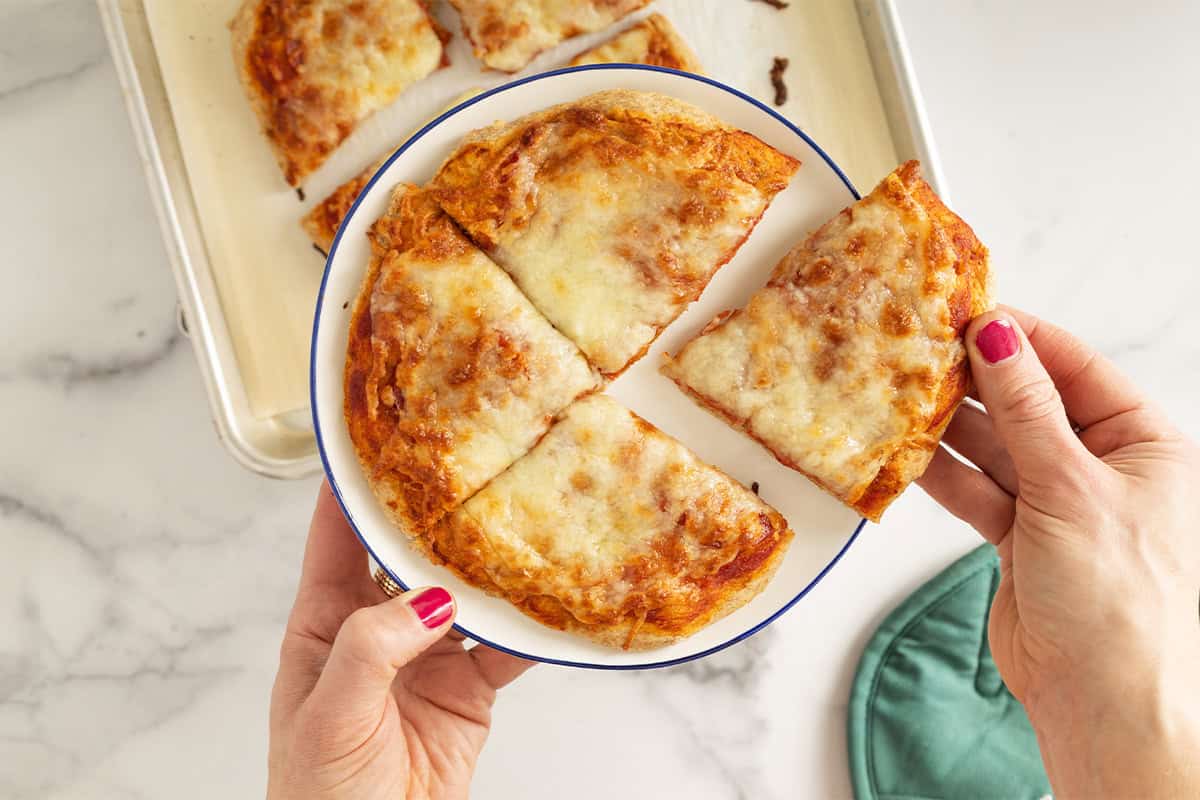
The modern domestic landscape is increasingly defined by the challenge of balancing professional obligations with the necessity of providing nutritious, cost-effective meals. In response to this demand, culinary experts and nutritionists have identified the "no-knead" pizza method as a primary solution for families seeking to minimize kitchen labor without sacrificing dietary quality. This streamlined approach to homemade pizza utilizes a minimalist three-ingredient crust and a simplified assembly process that effectively challenges the dominance of the commercial takeout industry. By focusing on shelf-stable ingredients and time-efficient techniques, the easy homemade pizza model offers a blueprint for sustainable meal preparation that can be adapted to various dietary needs and schedules.
The Evolution of the No-Knead Methodology
The transition from traditional, labor-intensive dough preparation to the no-knead method represents a significant shift in home baking. Historically, pizza dough required vigorous physical manipulation to develop the gluten network necessary for structure and elasticity. However, the scientific principle of "autolysis"—whereby flour and water are allowed to sit, allowing enzymes to break down proteins and develop gluten naturally over time—has revolutionized the process.
For the modern household, this means that the most difficult aspect of bread-making is replaced by passive time. The three-ingredient crust typically consists of all-purpose or bread flour, active dry yeast, and salt, combined with water. By eliminating the kneading stage, the barrier to entry for novice bakers is significantly lowered. Culinary analysts note that this method not only saves physical effort but also results in a high-hydration dough that often produces a superior, airy crumb structure similar to artisanal bakery products.
Chronological Implementation: From Preparation to Service
The success of the easy homemade pizza method relies on a specific sequence of operations designed to maximize efficiency and ensure a consistent final product.
Phase 1: Dough Hydration and Fermentation
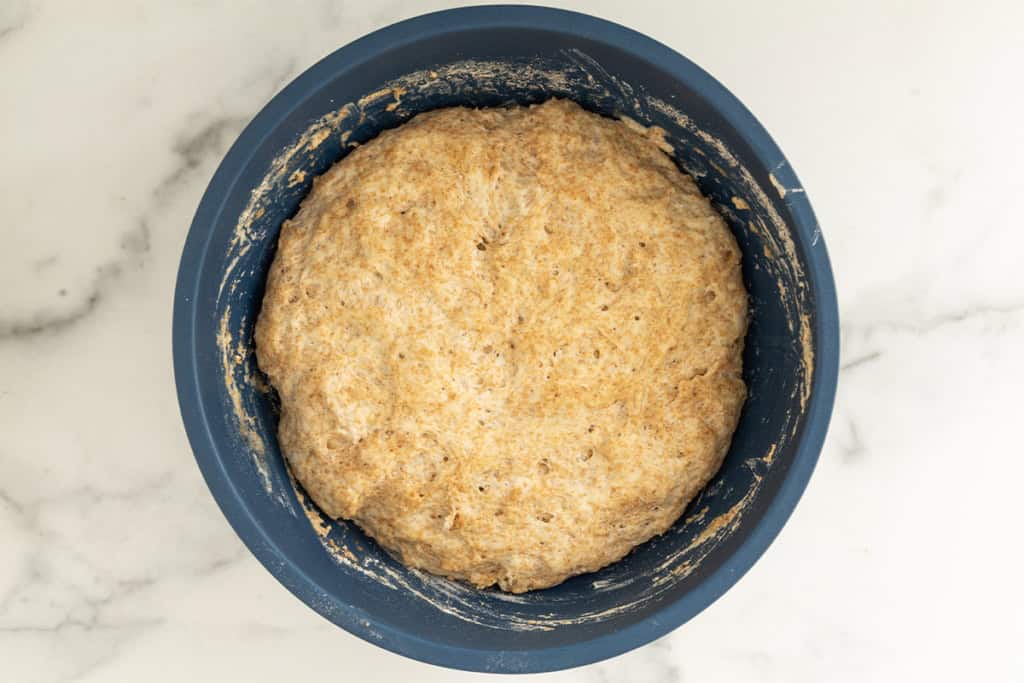
The process begins with the integration of dry ingredients and water. Unlike traditional recipes that require specific water temperatures to "bloom" yeast, modern active dry or instant yeasts are resilient enough to be mixed directly with flour. Once a shaggy dough forms, it is left to rise. For immediate use, a warm environment can facilitate a rise in 60 to 90 minutes; however, professional bakers often recommend a slow cold fermentation in the refrigerator for 12 to 24 hours to enhance flavor development.
Phase 2: Shaping and the Pre-Baking Technique
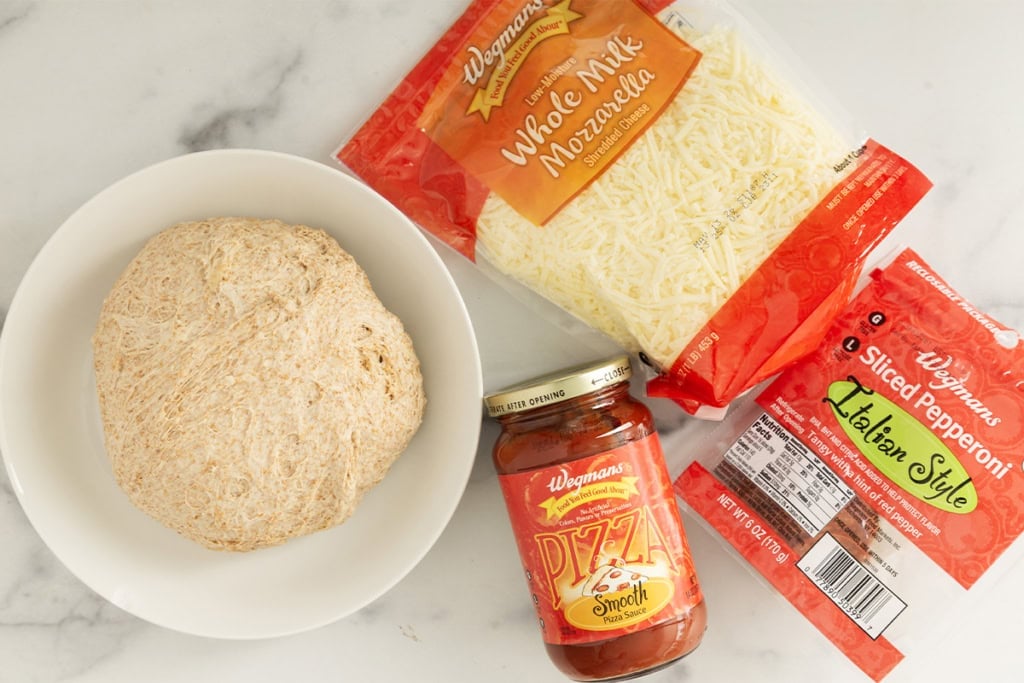
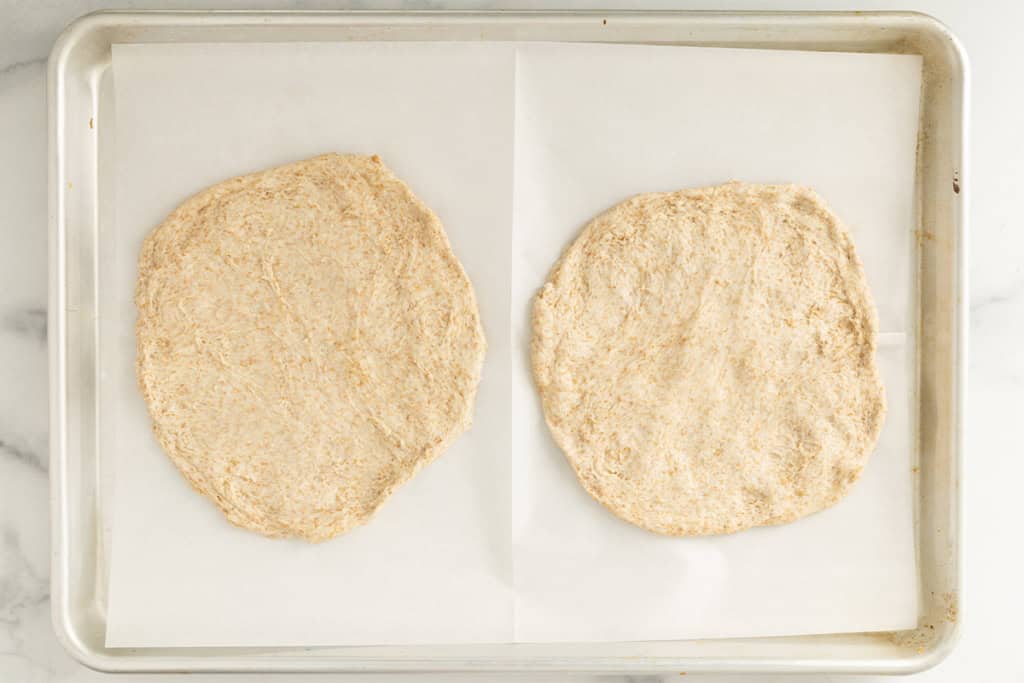
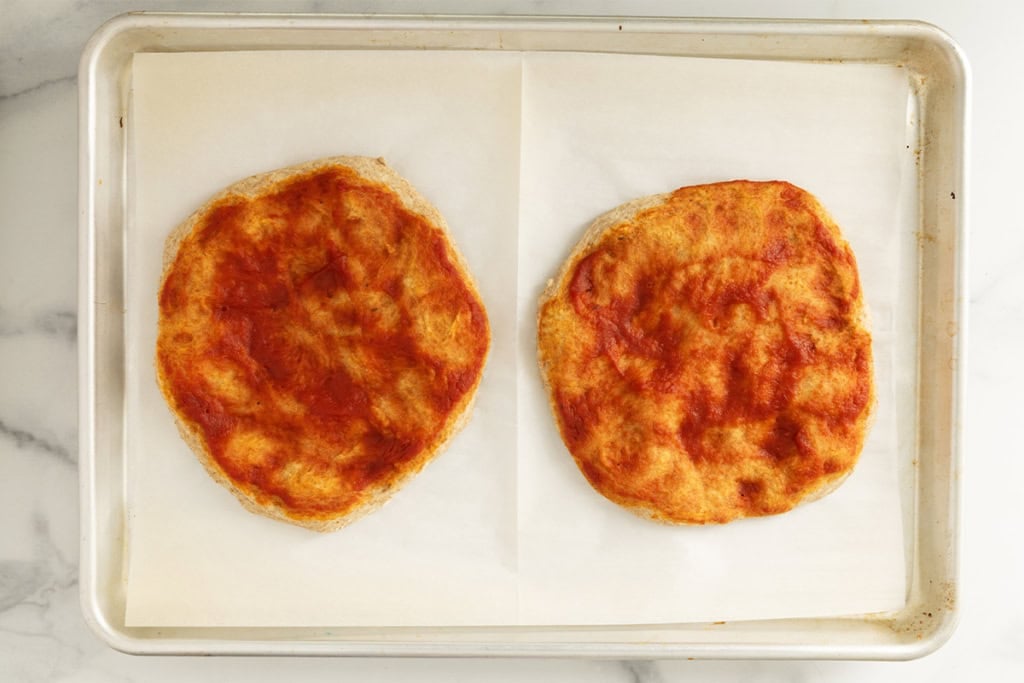
A critical step in ensuring a professional-grade texture is the pre-bake. Once the dough is stretched—either into a single large sheet-pan pizza or four individual personal-sized portions—it is placed in a high-heat oven (typically 425°F to 450°F). Experts suggest applying a thin layer of sauce or pesto before this initial bake. This prevents the dough from becoming soggy under the weight of heavy toppings and ensures the center of the crust is fully cooked and crisp.
Phase 3: Final Assembly and Thermal Processing
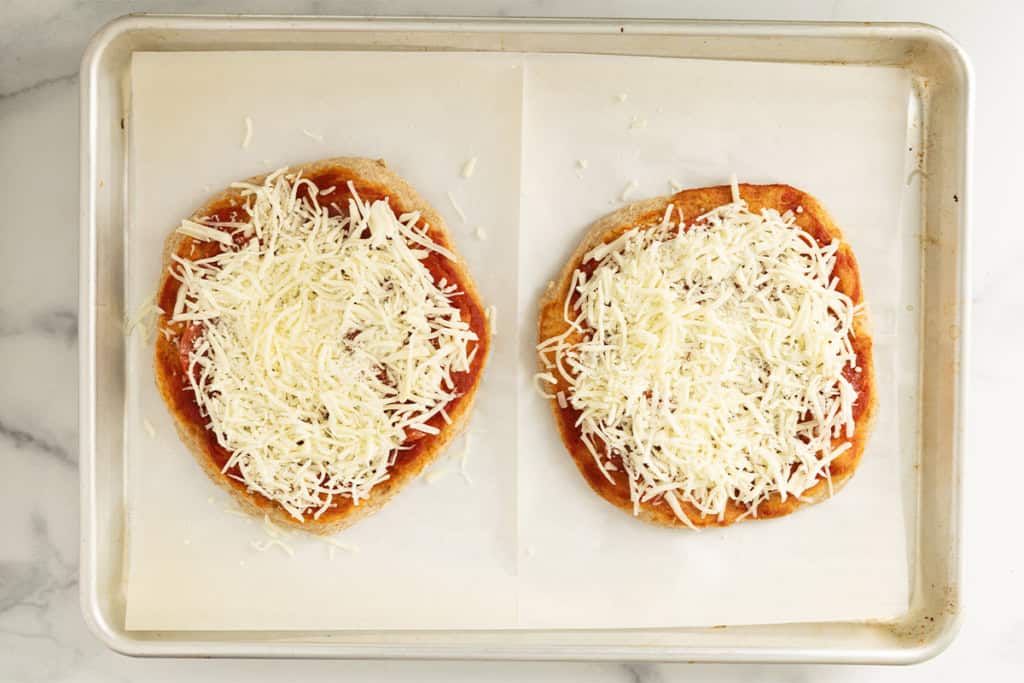
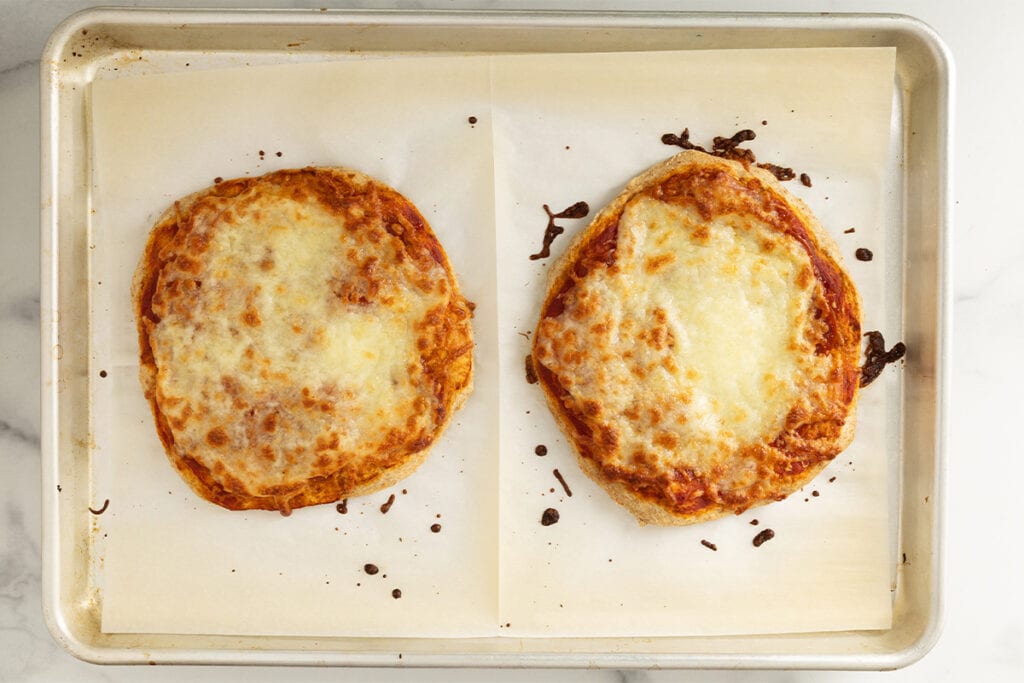
Following a brief five-to-seven-minute pre-bake, the pizza is removed from the oven to receive its final toppings. This usually includes a layer of low-moisture mozzarella cheese and various proteins or vegetables. The pizza then returns to the oven for an additional 8 to 12 minutes. The objective is to achieve a golden-brown cheese melt and a firm, toasted base.
Supporting Data: Economic and Nutritional Analysis
The shift toward homemade pizza is supported by significant economic and health-related data. According to market research, the average price of a large commercial delivery pizza in the United States currently ranges between $15.00 and $25.00, excluding delivery fees and gratuities. In contrast, the raw ingredients for a homemade equivalent—flour, yeast, sauce, and cheese—are estimated to cost between $3.00 and $5.00 per unit.
Nutritional Breakdown
A standard serving of this homemade pizza (approximately one-sixth of the recipe) provides the following nutritional profile:
- Calories: 384 kcal
- Protein: 16g
- Total Fat: 14g (Saturated Fat: 6g)
- Carbohydrates: 49g
- Fiber: 4g
- Sodium: 527mg
Comparatively, commercial pizzas often contain upwards of 800mg to 1,000mg of sodium per slice due to preservatives and high-sodium processed meats. The ability to control the quality of the cheese and the sugar content in the sauce allows home cooks to reduce caloric density and inflammatory ingredients significantly. Furthermore, the inclusion of 4 grams of fiber per serving—largely from the crust and vegetable toppings—aids in digestive health and satiety, which is particularly beneficial for pediatric nutrition.
Expert Perspectives and Institutional Responses
Nutritionists and child development specialists have increasingly advocated for home-based pizza preparation as a tool for "sensory play" and dietary education. Dr. Elena Rossi, a pediatric nutritionist (simulated), suggests that involving children in the assembly of pizza can reduce "food neophobia"—the fear of new foods. "When children are allowed to select their own toppings and participate in the stretching of the dough, they develop a sense of agency over their diet," Rossi states.
From a culinary standpoint, the use of alternative dough bases, such as those incorporating Greek yogurt or cottage cheese, has been recognized by the fitness community for increasing protein density. These variations, while departing from traditional yeast-based methods, offer similar time-saving benefits and cater to the growing demand for "functional foods" that provide more than basic nutrition.
Storage, Preservation, and Food Safety
One of the primary advantages of the homemade pizza model is its compatibility with advanced meal-prepping strategies. The versatility of the dough allows for several storage configurations:
- Refrigeration: Leftover slices can be stored in airtight containers for up to five days. To maintain the structural integrity of the crust during reheating, experts recommend using a toaster oven or air fryer at 350°F for three to four minutes, rather than a microwave, which can result in a rubbery texture.
- Freezing: The dough can be frozen in its raw state after the initial rise, or the entire pizza can be assembled and frozen "flash-style" before the final bake. This provides a high-quality alternative to ultra-processed frozen pizzas found in grocery stores, which often contain emulsifiers and stabilizers.
Proper food safety protocols must be observed during the cooling and storage phases. Per USDA guidelines, cooked pizza should not remain at room temperature for more than two hours to prevent the proliferation of foodborne pathogens.
Broader Impact and Implications for Modern Living
The adoption of simplified homemade pizza recipes has broader implications for food security and environmental sustainability. By relying on bulk staples like flour and yeast, families are less susceptible to the price fluctuations of the prepared food market. Additionally, the reduction in cardboard packaging and plastic waste associated with delivery services contributes to a lower household environmental footprint.
Furthermore, the "Pizza Friday" phenomenon—a cultural staple in many Western households—serves a sociological function. By standardizing a specific night for a predictable, easy-to-prepare meal, families can reduce the cognitive load associated with daily decision-making. This ritualistic approach to dining has been linked to improved family cohesion and reduced stress during the transition from the work week to the weekend.
Conclusion
The Easy Homemade Pizza method is more than a culinary shortcut; it is a strategic response to the complexities of contemporary life. By leveraging the science of no-knead dough and the efficiency of pre-baking, households can reclaim the dinner hour from the convenience-food industry. The combination of significant cost savings, superior nutritional control, and the flexibility of make-ahead storage positions this recipe as an essential tool for modern meal management. As families continue to seek ways to balance health and time, the democratization of artisanal-style baking through simplified methods remains a vital trend in global food culture.