

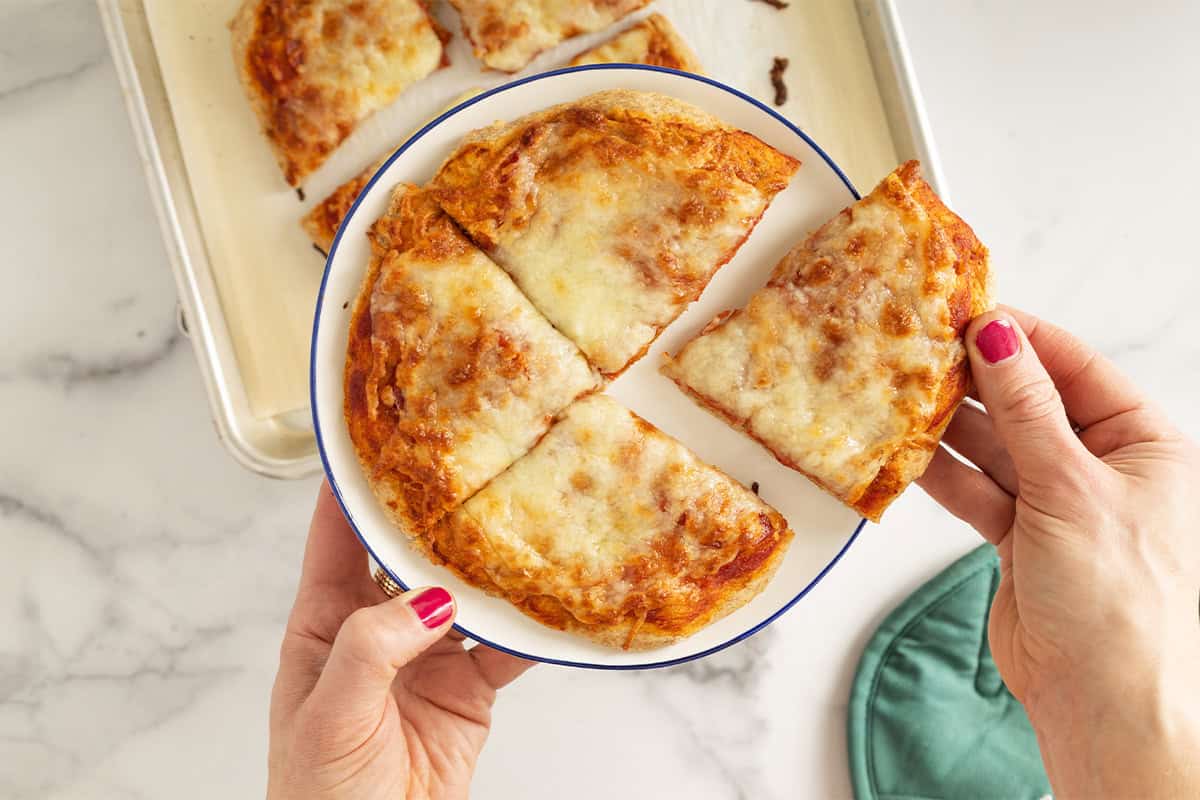
The culinary landscape for modern families is undergoing a significant shift as the demand for simplified, high-quality home cooking continues to rise in response to increasing living costs and a heightened focus on pediatric nutrition. A recently popularized method for Easy Homemade Pizza has emerged as a focal point for this movement, offering a streamlined approach to a traditional dinner staple that minimizes both labor and equipment requirements. By utilizing a three-ingredient, no-knead crust, this method addresses the primary barriers to home baking: time constraints and the perceived complexity of dough management. As families seek alternatives to processed takeout and frozen options, the democratization of pizza-making through simplified chemistry and efficient workflows represents a broader trend in domestic food preparation.
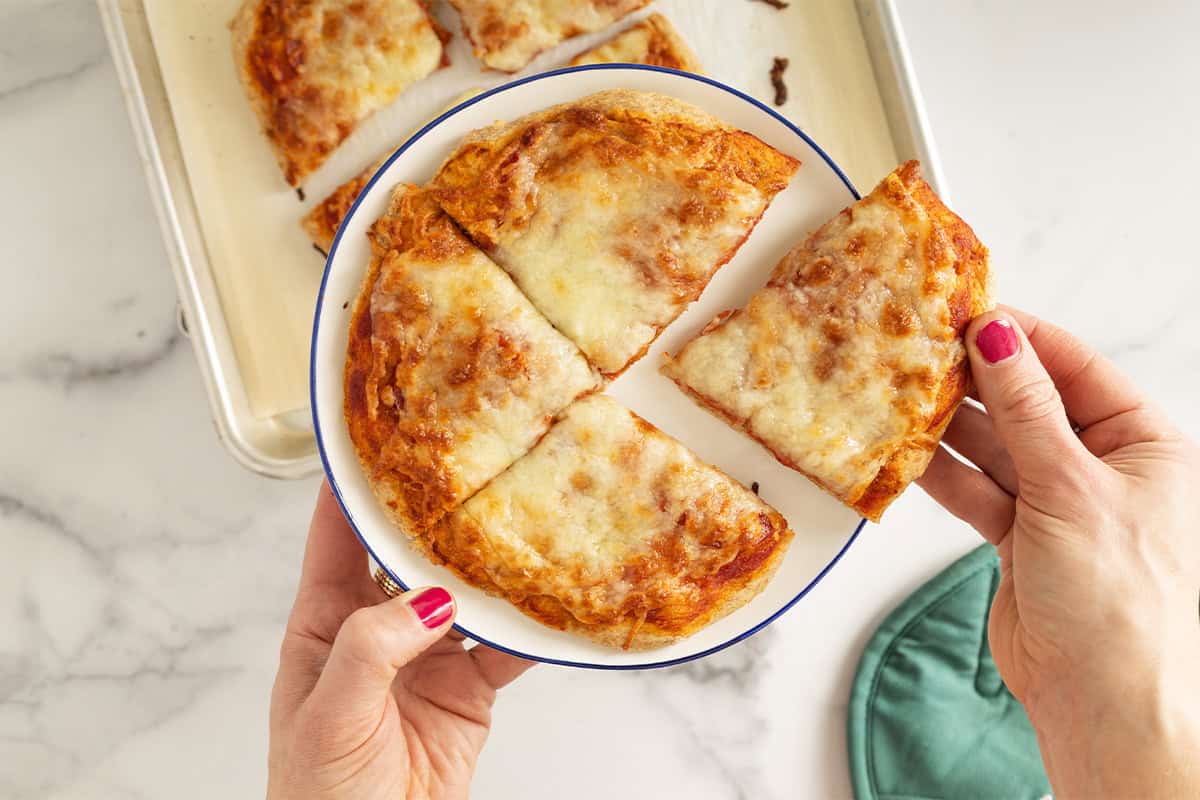
The Technical Framework of the No-Knead Method
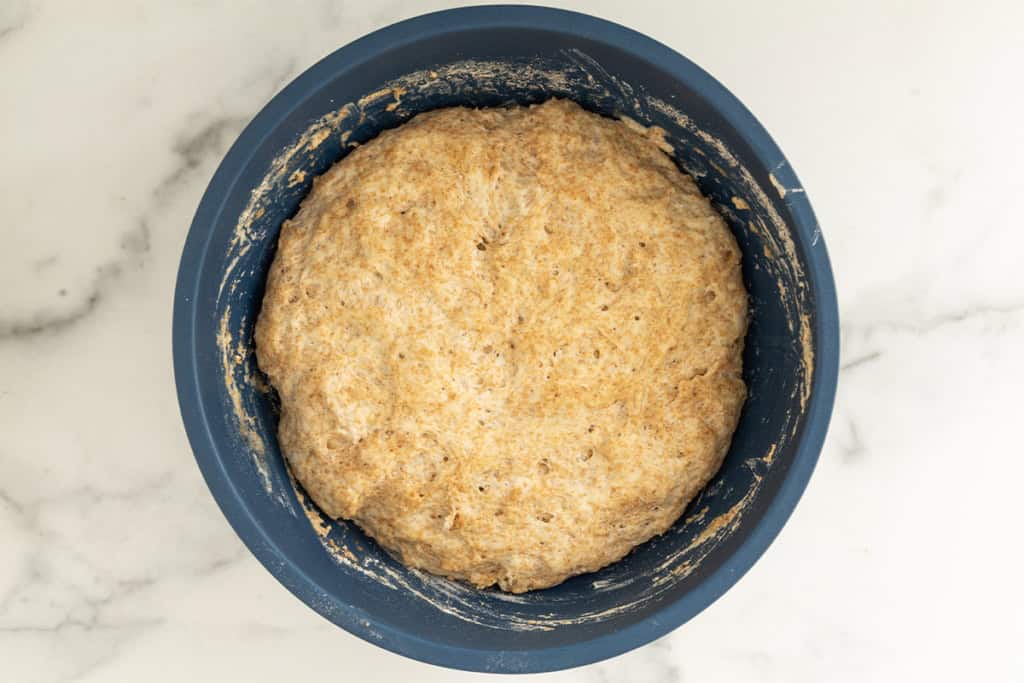
The foundation of the Easy Homemade Pizza relies on a no-knead dough technique, a method that leverages long-duration hydration to develop gluten structures rather than physical agitation. Traditional pizza dough requires extensive kneading to align proteins, a process that can be physically demanding and time-consuming. In contrast, the no-knead approach utilizes a high-hydration ratio, allowing enzymes to break down starches and build a resilient gluten network naturally over time.
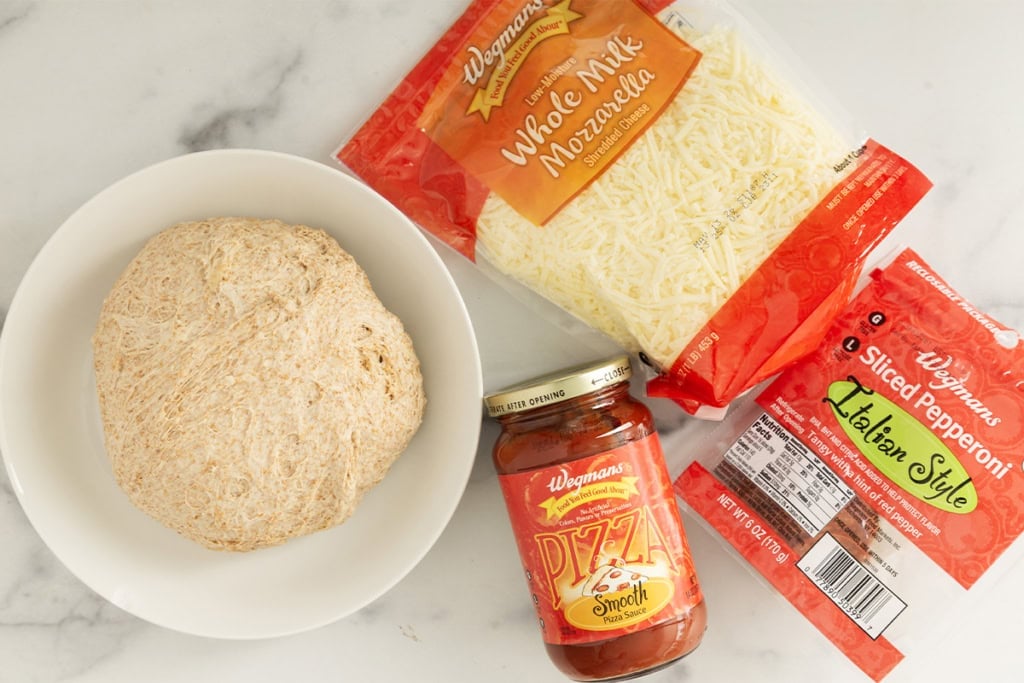
This specific iteration of the recipe is characterized by its minimalist ingredient profile, typically requiring only flour, water, and a leavening agent or a specific binding base like Greek yogurt or cottage cheese. This reduction in components serves two purposes: it lowers the economic threshold for entry and ensures that the final product remains free from the preservatives and stabilizers often found in commercial, pre-made doughs. The simplicity of the method allows the dough to be prepared in advance, refrigerated, or frozen, providing a logistical advantage for households managing "the busiest days," as noted by culinary practitioners.
Chronology of Preparation and Workflow Efficiency
The production of the Easy Homemade Pizza follows a rigorous but accessible five-step chronology designed to maximize texture and flavor while minimizing active labor.
- Dough Synthesis and Tempering: The process begins with the preparation of the no-knead dough. For those utilizing a scratch-made approach, the ingredients are combined until just incorporated. If the dough has been previously refrigerated or purchased, it must be brought to room temperature to ensure the elasticity required for the stretching phase.
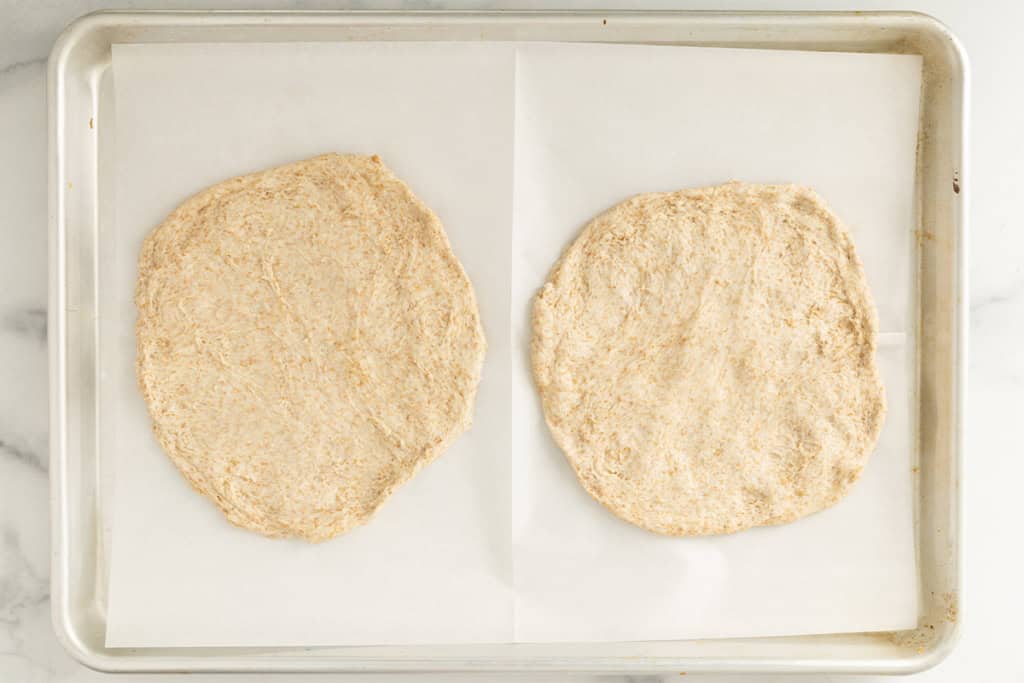
- Structural Shaping: The dough is then manipulated into either one large format pizza or divided into four personal-sized portions. This versatility allows for customization based on individual dietary needs or preferences.
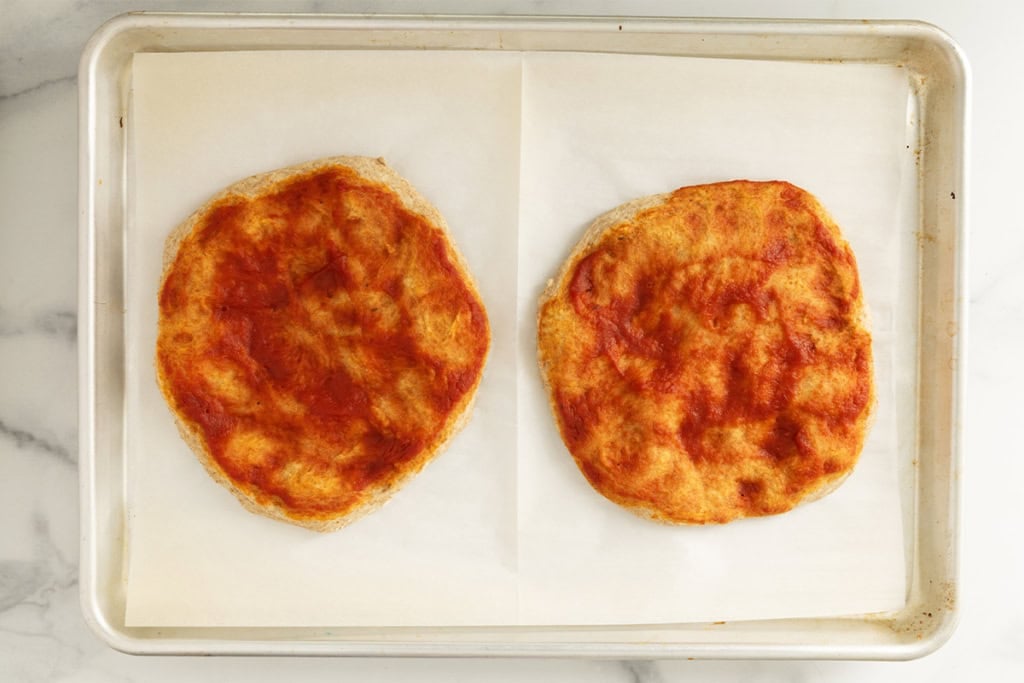
- The Pre-Baking Phase: A critical component of this method is the initial bake. The crust is spread with a thin layer of sauce—typically a tomato-based pizza sauce or pesto—and baked briefly in a high-heat oven. This "par-baking" ensures that the center of the crust remains tender while the edges achieve the necessary crispness to support toppings.
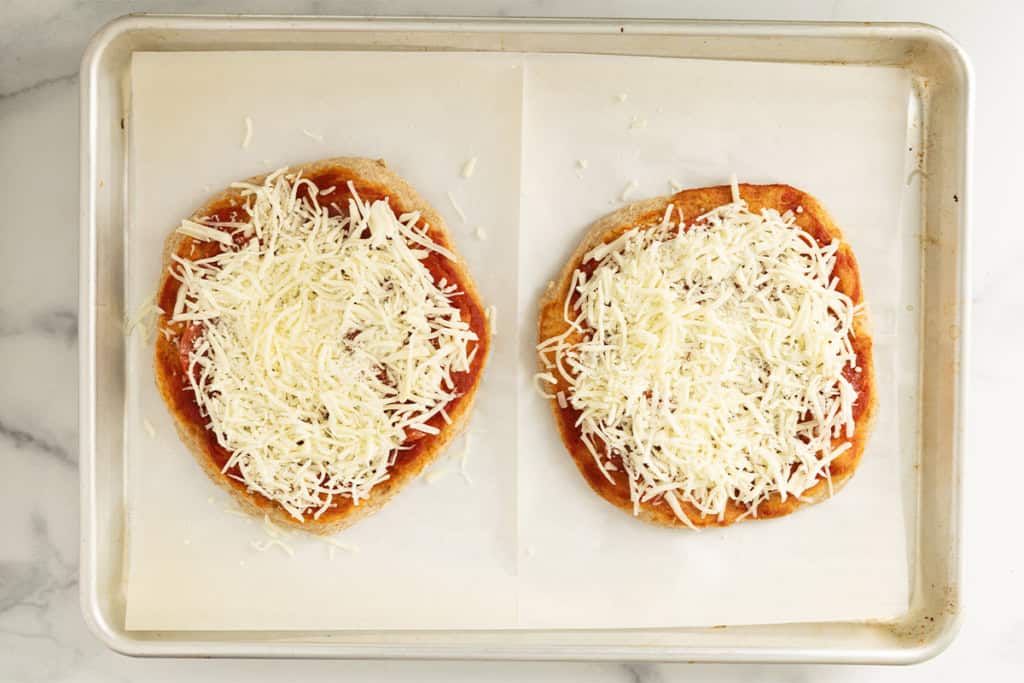
- Topping Application: Following the pre-bake, cheese and selected toppings are applied. This staged approach prevents the moisture from the cheese and vegetables from migrating into the raw dough, which often results in a "soggy" texture in less efficient recipes.
- Final Thermal Processing: The pizza undergoes a final bake until the cheese achieves a golden-brown oxidation and the crust becomes firm to the touch. The entire cooking duration typically spans less than 20 minutes, significantly faster than most delivery services.
Comparative Nutritional and Economic Analysis
Data regarding the nutritional profile of the Easy Homemade Pizza indicates a balanced distribution of macronutrients suitable for a standard family diet. A single serving, calculated as one-sixth of the total yield, contains approximately 384 calories. The protein content is notably high at 16 grams per serving, largely attributed to the cheese and the optional use of protein-rich dough bases like Greek yogurt.
From a public health perspective, the sodium content is a primary point of comparison. While commercial takeout pizzas can exceed 800 to 1,000 milligrams of sodium per slice, the homemade version maintains a more moderate 527 milligrams. Furthermore, the inclusion of 4 grams of dietary fiber and essential micronutrients such as Calcium (205mg) and Vitamin A (343IU) highlights the nutritional superiority of controlled home preparation.
Economically, the "pizza night" tradition is a multi-billion dollar industry. However, the cost of ingredients for a three-ingredient dough and basic toppings is estimated to be 60% to 70% lower than the average cost of a premium delivered pizza. This cost-effectiveness, combined with the ability to use leftovers for toppings, positions the Easy Homemade Pizza as a sustainable solution for food-secure meal planning.
Expert Perspectives on Family Dynamics and Pediatric Nutrition
Nutritionists and child development experts have frequently cited the benefits of involving children in food preparation. The Easy Homemade Pizza method is specifically designed to be "toddler-friendly," not only in its flavor profile but in its execution. By allowing children to assist in the stretching of the dough or the distribution of toppings, parents can foster a positive relationship with food.
"Involvement in the kitchen is a proven intervention for pediatric neophobia, or the fear of new foods," states one dietary consultant. "When a child participates in the creation of a meal, they develop a sense of ownership and are statistically more likely to consume the final product, including added vegetables."
The flexibility of the recipe also allows for "stealth health" interventions, where finely chopped vegetables or nutrient-dense sauces can be integrated into the meal without compromising the familiar "pizza" experience that children enjoy.
Market Trends and the Rise of the "Semi-Homemade" Segment
The popularity of this simplified pizza method reflects a broader trend in the consumer packaged goods (CPG) and grocery sectors. There has been a documented increase in the sales of "component ingredients"—such as high-quality flours and artisanal sauces—as consumers move away from fully prepared frozen meals toward "semi-homemade" solutions.
Market analysts suggest that the "no-knead" phenomenon is a legacy of the 2020-2021 home-baking surge, which has now matured into a permanent fixture of domestic life. Consumers have retained the skills acquired during that period but are now seeking ways to apply them within the constraints of a normalized, post-pandemic schedule. The Easy Homemade Pizza fits perfectly into this niche, offering the satisfaction of scratch-cooking with the speed of a convenience food.
Storage, Sustainability, and Waste Reduction
A significant advantage of the Easy Homemade Pizza is its compatibility with modern food preservation techniques. The ability to freeze the dough or the fully baked leftovers contributes to a reduction in household food waste. Leftovers can be stored in an airtight container or foil for up to five days, and the recipe provides specific instructions for reheating in a toaster oven or air fryer to maintain structural integrity.
This focus on longevity is a key component of sustainable living. By creating "make-ahead" meals, families can reduce their reliance on single-use plastics and the carbon footprint associated with food delivery services.
Broader Impact and Conclusion
The emergence of the Easy Homemade Pizza as a staple of the modern kitchen is more than a simple culinary preference; it is a response to the intersection of economic pressure, nutritional awareness, and the perennial challenge of time management. By stripping away the complexities of traditional baking and focusing on the core science of dough hydration and thermal processing, this method provides a scalable solution for diverse households.
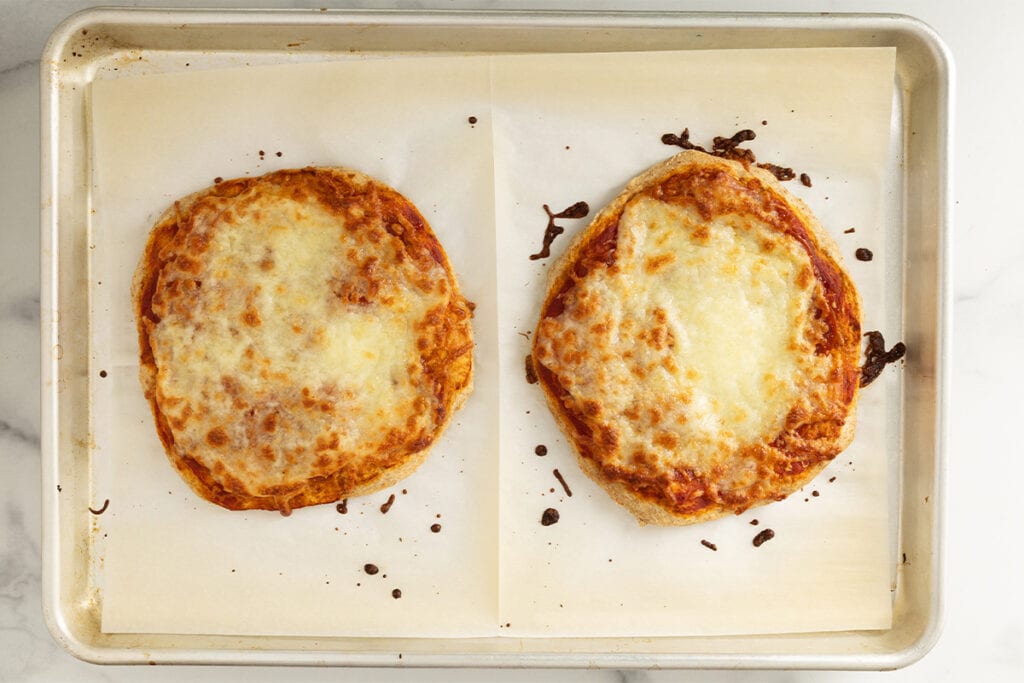
As the "Friday night pizza" tradition continues to evolve, the shift toward homemade versions suggests a growing empowerment among consumers. The ability to control ingredients, reduce costs, and engage in a communal family activity positions this recipe as a vital tool in the contemporary domestic repertoire. Whether utilized as a quick weekday meal or a planned weekend activity, the Easy Homemade Pizza represents a successful synthesis of efficiency and quality, proving that the most effective culinary solutions are often the simplest.
The ongoing success of such recipes will likely continue to influence grocery trends and pediatric health outcomes, reinforcing the value of the home kitchen as the primary site for nutritional and economic management. In an era of complex food systems, the return to a three-ingredient crust and a baking sheet marks a significant and enduring return to basics.