

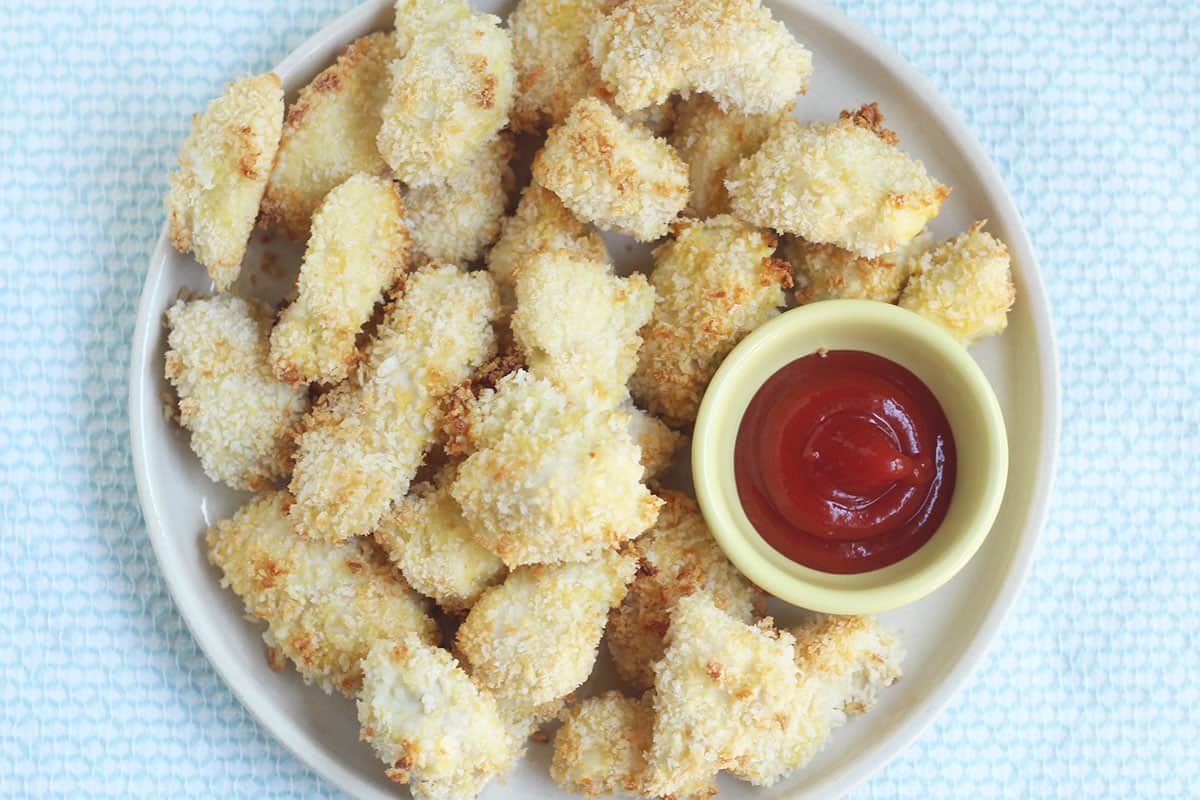
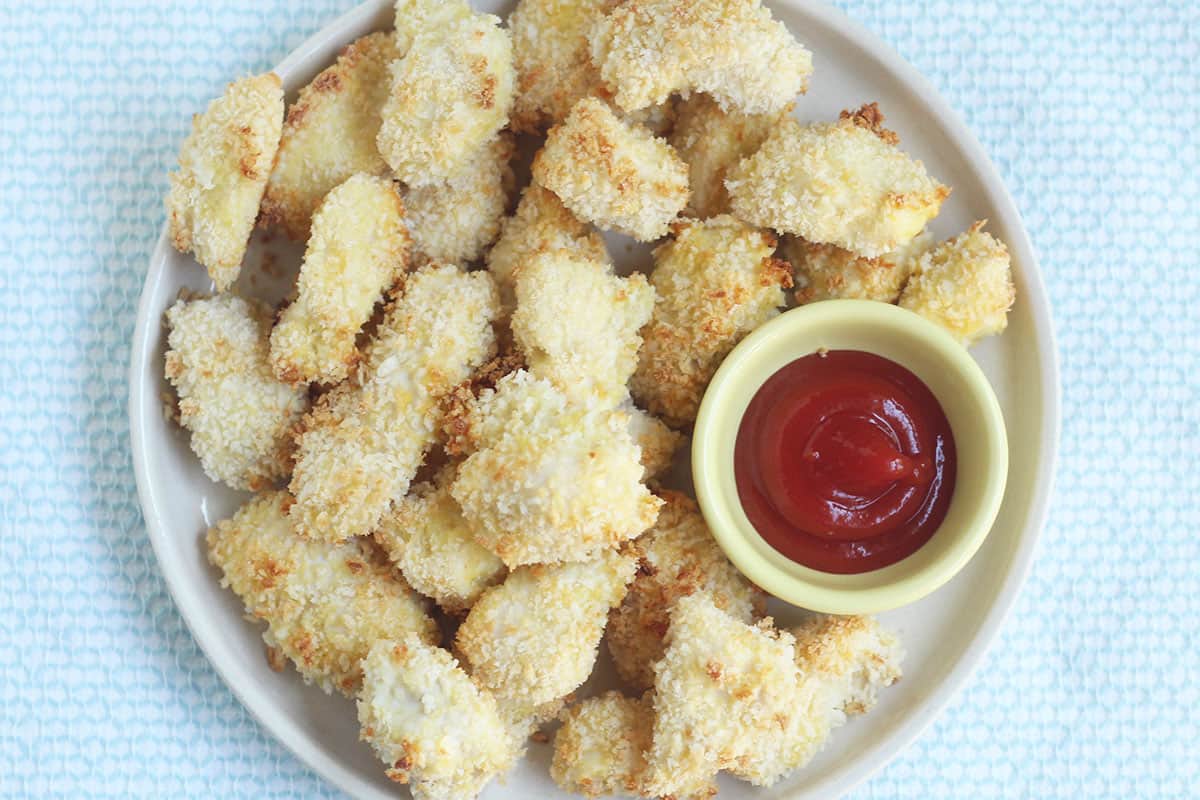
The modern culinary landscape is witnessing a significant shift as households increasingly move away from ultra-processed convenience items in favor of nutrient-dense, homemade alternatives. Among the most prominent examples of this transition is the reinvention of the chicken nugget, a staple of the pediatric diet that has long been criticized for its high sodium content, preservatives, and mystery-meat composition. By utilizing a streamlined preparation method involving fresh poultry, a triple-dredge coating system, and high-heat convection baking, home cooks are now able to replicate the desirable "tender and crispy" profile of commercial products while maintaining total control over ingredient quality and nutritional density.
The Historical and Nutritional Context of the Chicken Nugget
To understand the importance of the homemade baked chicken nugget, one must look at the history of its industrial predecessor. Invented in the 1950s by Robert C. Baker, a food science professor at Cornell University, the chicken nugget was designed to solve a specific industry problem: how to keep breading attached to chicken meat during the rigors of deep-freezing and frying. While Baker’s invention revolutionized the poultry industry, the mass-produced versions that followed often prioritized shelf-stability and low production costs over nutritional value.
In the 21st century, public health advocates and nutritionists have raised concerns regarding the "ultra-processed" nature of frozen nuggets. Many store-bought varieties contain autolyzed yeast extract, sodium phosphates, and dimethylpolysiloxane. The shift toward homemade versions, such as the baked variety analyzed here, represents a consumer-led "clean label" movement. By transitioning to a home-based production model, families can eliminate these additives, significantly reduce sodium intake, and ensure the use of high-quality lean protein, specifically chicken breast.
Technical Methodology and the Chronology of Preparation
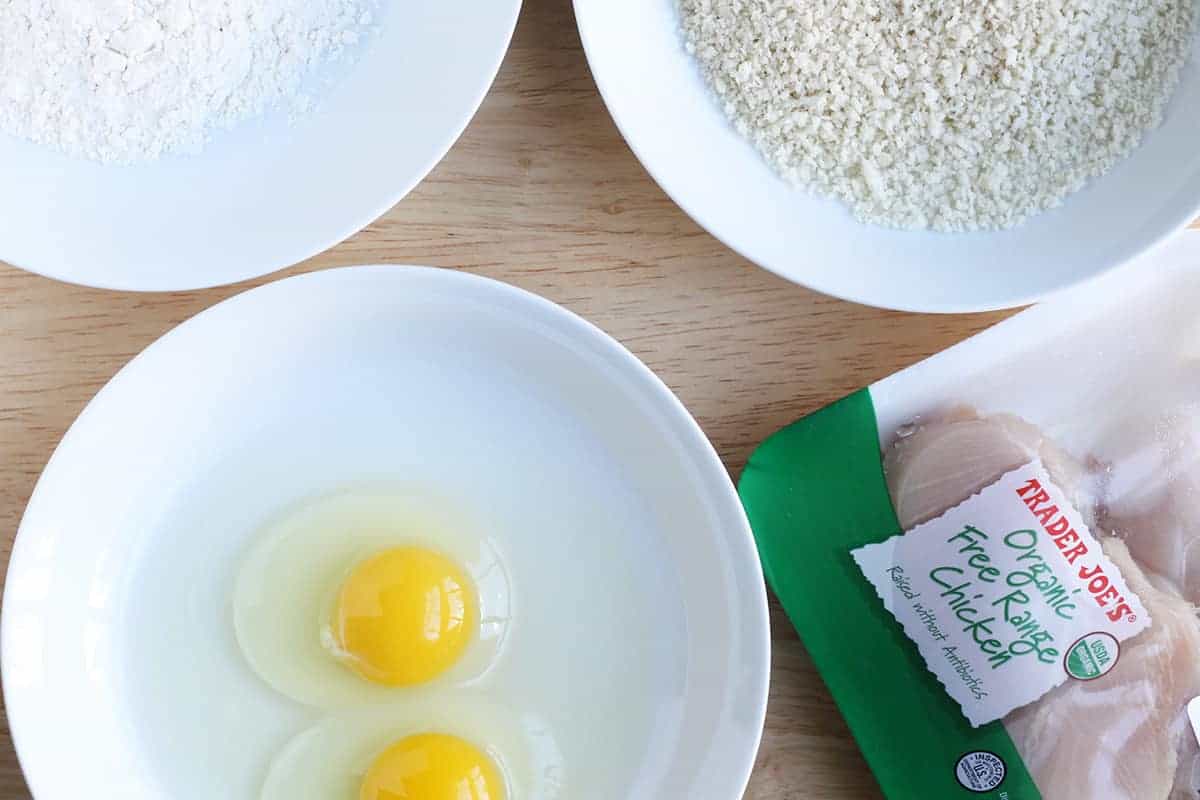
The efficacy of the baked chicken nugget recipe lies in its adherence to specific culinary techniques that ensure moisture retention within the protein while achieving a dehydrated, crunchy exterior. The process follows a logical four-step chronology that mimics professional kitchen standards:
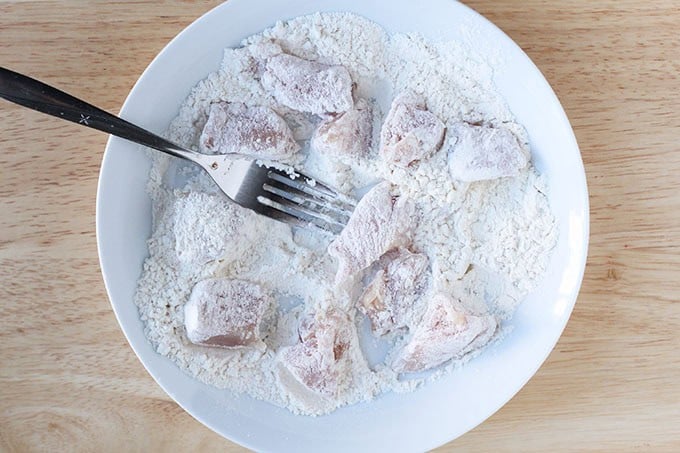
- Protein Preparation and Initial Coating: The process begins with the mechanical breakdown of chicken breast meat. Using kitchen shears or a chef’s knife, the meat is cut into uniform bite-sized pieces. This uniformity is crucial for even heat distribution. The first stage of the coating—the flour dredge—serves as a desiccant, absorbing surface moisture from the raw chicken to ensure the subsequent binding agent adheres correctly.
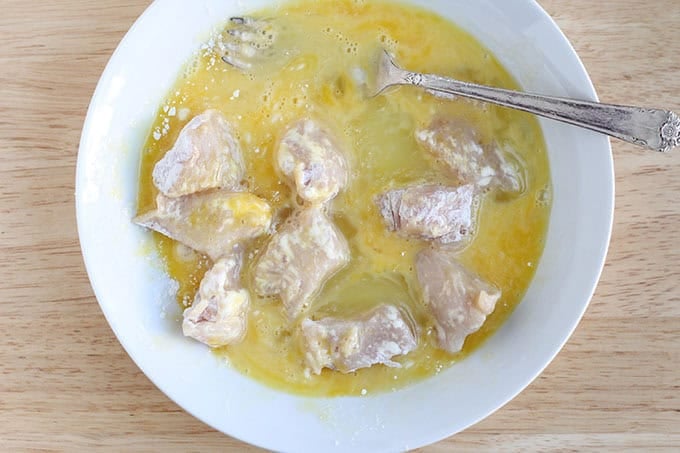
- The Binding Phase: The floured chicken is then submerged in an egg wash. This serves as the "glue" of the operation. For those with avian allergies, food scientists and home cooks have identified whole milk as a viable substitute, leveraging the proteins and fats in the milk to provide a similar, albeit slightly less robust, adhesive quality.
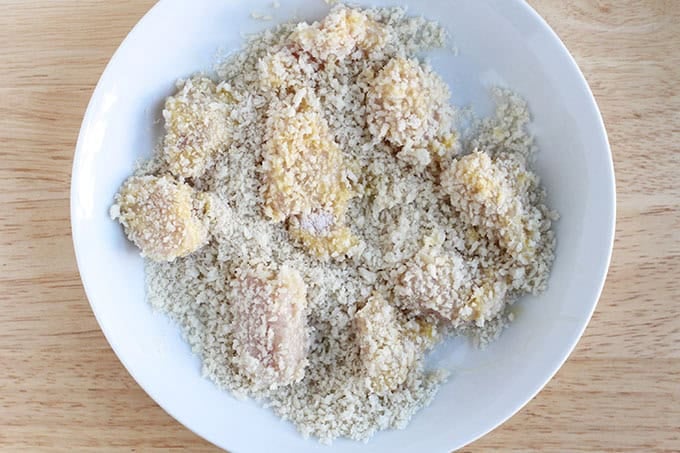
- Textural Application: The final layer involves Panko breadcrumbs. Unlike traditional fine breadcrumbs, Panko is processed into larger, airy flakes. During the baking process, these flakes provide more surface area for the heat to interact with, resulting in a superior "crunch" that mimics the results of a deep fryer without the associated lipid absorption.
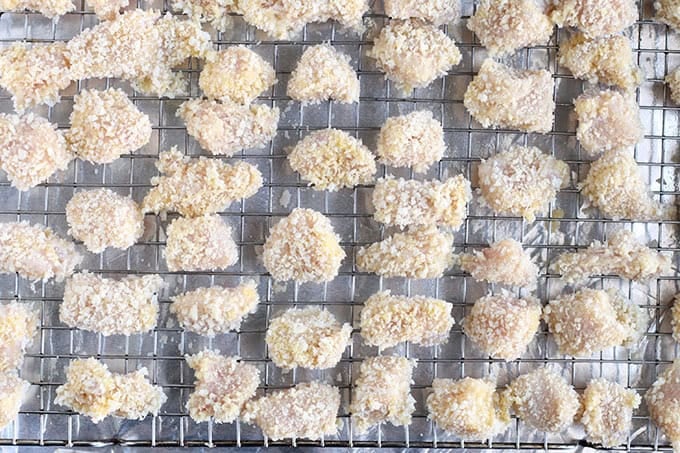
- Convection and Thermal Application: The nuggets are placed on a wire rack set over a baking sheet. This configuration is a critical technical detail; it allows hot air to circulate 360 degrees around the protein, preventing the bottom of the nugget from becoming saturated with escaping steam (which leads to sogginess). The application of an olive oil spray prior to entering a 375°F (190°C) oven facilitates the Maillard reaction—the chemical reaction between amino acids and reducing sugars that gives browned food its distinctive flavor and texture.
Comparative Nutritional Analysis
A data-driven look at the homemade baked chicken nugget reveals a profile that is vastly superior to standard fast-food or frozen counterparts. Based on a standard four-serving yield, the nutritional breakdown is as follows:
- Calories: 257 kcal
- Protein: 29g
- Total Fat: 5g (with only 1g of saturated fat)
- Sodium: 430mg
- Potassium: 483mg
- Iron: 2mg
In comparison, a standard 6-piece serving of fast-food chicken nuggets can contain upwards of 15 to 20 grams of fat and nearly double the sodium. The high protein-to-calorie ratio (29g of protein for 257 calories) makes the baked version an excellent choice for muscle recovery and childhood growth. Furthermore, the inclusion of 483mg of potassium helps balance the sodium intake, a factor often overlooked in processed meal options.
Economic Implications and Consumer Behavior
The economic benefit of home-preparing chicken nuggets is a significant driver of consumer behavior. As inflation impacts the cost of branded frozen goods, the "price per ounce" of homemade nuggets remains competitive. Purchasing bulk chicken breast and pantry staples like flour and eggs allows families to produce larger quantities of food at a lower marginal cost.
Furthermore, the "batch cooking" potential of this recipe aligns with modern meal-prepping trends. The nuggets can be frozen for up to six months, providing the same convenience as store-bought bags but with the peace of mind associated with home-sourced ingredients. Market research suggests that parents are more likely to sustain healthy eating habits for their children when the healthy alternative matches the "convenience factor" of the less-healthy original.
Dietary Inclusivity and Market Adaptability
One of the primary advantages of the homemade approach is the ease of modification for dietary restrictions, a task that is often difficult when navigating the complex ingredient lists of commercial products.
- Gluten-Free Requirements: By substituting traditional wheat flour and Panko with certified gluten-free alternatives (often made from rice or corn), the recipe becomes accessible to those with Celiac disease or gluten sensitivities without compromising the structural integrity of the nugget.
- Egg-Free Requirements: As noted in the methodology, the use of a milk-based wash accommodates those with egg allergies, a common pediatric concern.
- Sodium Control: Home cooks can choose to omit salt entirely or use herb-based seasoning blends to enhance flavor, providing a critical tool for managing hypertension or early-onset dietary habits in toddlers.
Broader Impact and Implications for Pediatric Health
The long-term implications of adopting such recipes extend beyond simple weight management. Establishing a palate that appreciates the taste of real poultry and whole grains—rather than the hyper-palatable fats and sugars found in ultra-processed foods—is essential for long-term health. Pediatricians often note that "picky eating" is a hurdle in childhood nutrition; however, testimonials from users of this specific baked method suggest that the high-quality texture and flavor are capable of winning over even the most skeptical young diners.
By involving children in the preparation process—such as the "dipping" and "coating" phases—parents can also foster a positive relationship with food preparation, a skill that is increasingly linked to better health outcomes in adulthood.
Conclusion and Future Outlook
The homemade baked chicken nugget is more than a simple recipe; it is a symbol of the modern kitchen’s ability to reclaim nutrition from industrial processing. As air frying and high-efficiency convection ovens become standard in the average home, the barrier to creating "fried-quality" food without the health risks continues to lower.
The data confirms that with a modest investment of time—roughly 30 minutes from preparation to plate—families can enjoy a meal that is economically viable, nutritionally superior, and culinarily satisfying. As the movement toward "food as medicine" continues to gain momentum, the humble chicken nugget, once the poster child for processed food, has been successfully rehabilitated for a new generation of health-conscious consumers. This transition marks a pivotal moment in domestic science, where the convenience of the freezer aisle is being replaced by the quality of the home countertop.