

The landscape of domestic meal preparation has shifted significantly as parents increasingly seek a balance between nutritional density and time efficiency. In response to this demand, culinary developers have introduced a streamlined iteration of the classic Broccoli Cheddar Pasta, a dish engineered to be completed in approximately 20 minutes using only five primary ingredients. This development represents a refinement of previous one-pot methodologies, specifically targeting the common "picky eater" demographic while maintaining a professional standard of flavor profile and texture. By eliminating the traditional and often cumbersome roux-making process, the recipe lowers the barrier to entry for home-cooked pediatric nutrition, focusing on a high-protein, vegetarian-friendly framework that aligns with modern dietary guidelines.
The Evolution of the One-Pot Nutritional Model
The release of the Creamy Broccoli Cheddar Pasta is not an isolated event but rather the latest evolution in a long-term strategy to simplify healthy eating for families. For several years, the "One-Pot Broccoli Mac and Cheese" served as a foundational recipe for many households. However, feedback from the consumer base indicated a desire for a more pronounced cheddar flavor and a creamier consistency without the technical difficulty associated with classic French mother sauces.
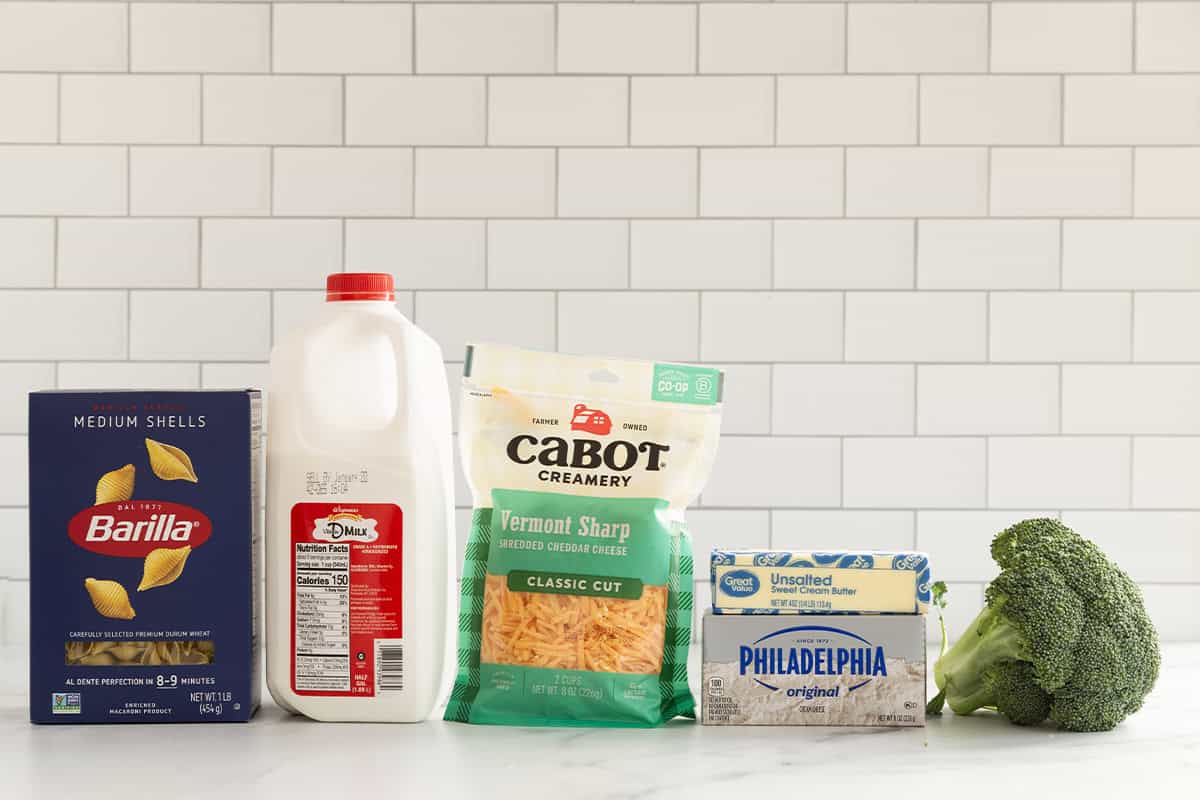
The chronology of this recipe’s development began with the identification of "time-poverty" among modern parents. Data suggests that the average American parent has less than 30 minutes to prepare a weeknight dinner before the onset of the "witching hour"—the period in the late afternoon and early evening when child behavior often becomes more challenging. By reducing the ingredient list to five essential items—pasta, broccoli, milk, butter, and shredded cheddar—the development team successfully mitigated the cognitive load of grocery shopping and meal execution.
Nutritional Benchmarks and Pediatric Health Data
From a clinical nutrition perspective, the Creamy Broccoli Cheddar Pasta provides a robust profile for growing children. According to the provided nutritional data, a single serving contains 359 calories and 15 grams of protein. This protein content is particularly significant for vegetarian households, as it contributes a substantial portion of the Recommended Dietary Allowance (RDA) for toddlers and school-aged children.
Key nutritional metrics include:
- Calcium: 230 mg, supporting bone density and skeletal growth during critical developmental windows.
- Vitamin C: 38 mg, primarily derived from the inclusion of broccoli, which aids in immune function and iron absorption.
- Vitamin A: 626 IU, essential for ocular health and cellular growth.
- Fiber: 3 grams, facilitating digestive health.
Health experts note that the integration of broccoli directly into the pasta-boiling process serves a dual purpose. First, it ensures the vegetable reaches a softness that is palatable for children with sensory sensitivities. Second, it streamlines the workflow, ensuring that the vegetable component is not viewed as a separate, negotiable side dish, but as an integral part of the primary meal.
Technical Culinary Analysis: The "No-Roux" Innovation
Traditionally, a creamy cheese sauce requires a roux—a cooked mixture of flour and fat—to act as a thickening agent. While effective, a roux can be temperamental, prone to clumping or burning if not managed with constant attention. The Creamy Broccoli Cheddar Pasta departs from this tradition by utilizing a direct-melt method.
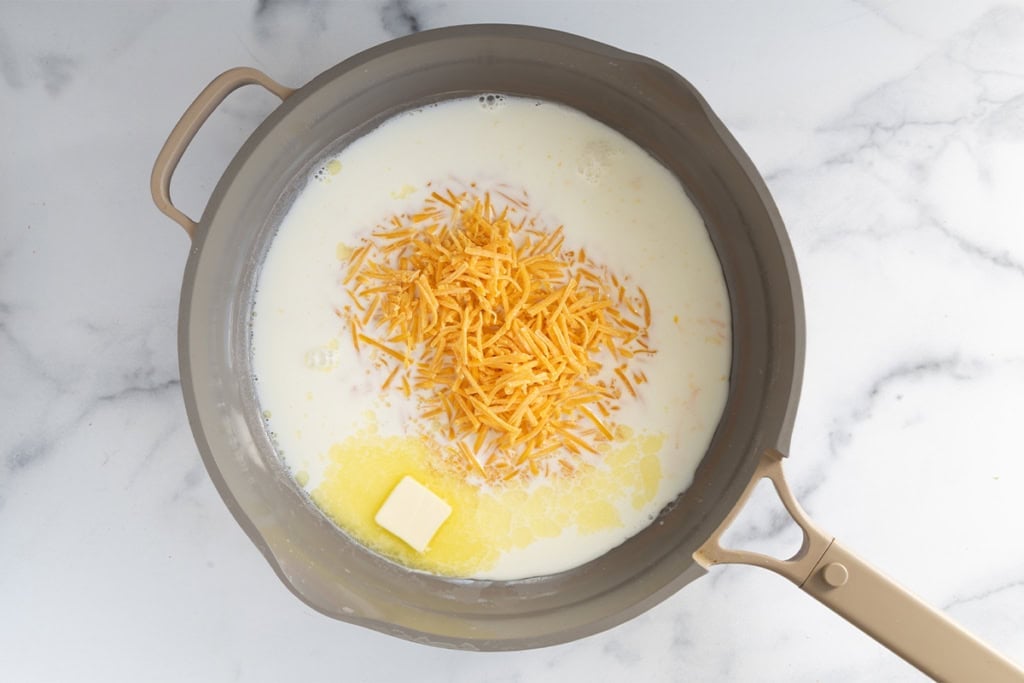
In this updated process, the sauce is constructed by whisking milk, butter, and cheese over low heat in the same pot used to boil the pasta. This method relies on the residual heat of the vessel and the emulsifying properties of high-quality cheddar to create a smooth coating. To ensure success and prevent the "grittiness" often associated with melted cheese, developers recommend specific brands such as Cabot or Kraft, or alternatively, grating a fresh block of cheese. This recommendation is based on the melting points of various cheddar types and the presence of anti-caking agents in some pre-shredded varieties which can interfere with smoothness.
For households requiring additional caloric density or a more luxurious mouthfeel, the inclusion of two tablespoons of cream cheese is suggested as a technical modification. This addition stabilizes the emulsion and adds a mild tang that complements the sharpness of the cheddar.
Procedural Chronology: A 20-Minute Workflow
The efficiency of the recipe is rooted in its linear progression. The following chronology outlines the standardized preparation path:
- Hydration and Boiling: The process begins with boiling a large pot of salted water. The choice of pasta shape is flexible, though short shapes like penne, rotini, or shells are preferred for their ability to "trap" the cheese sauce and broccoli florets.
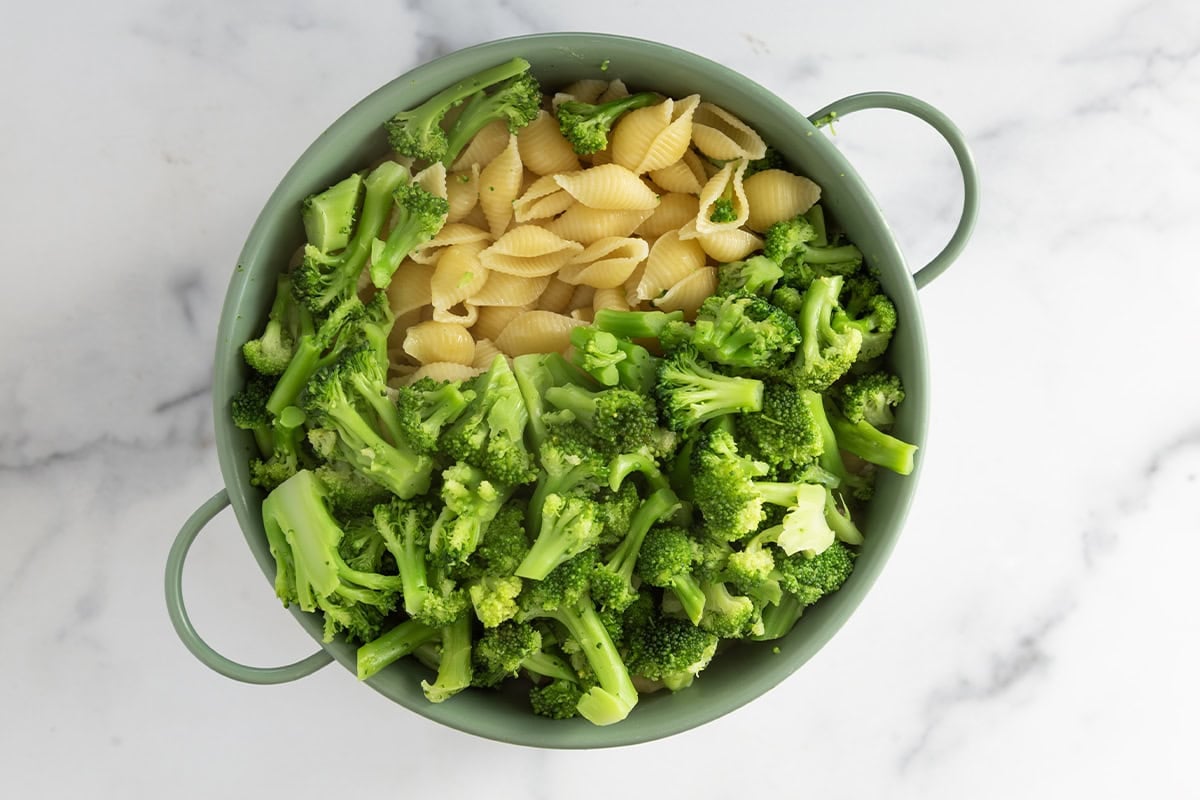
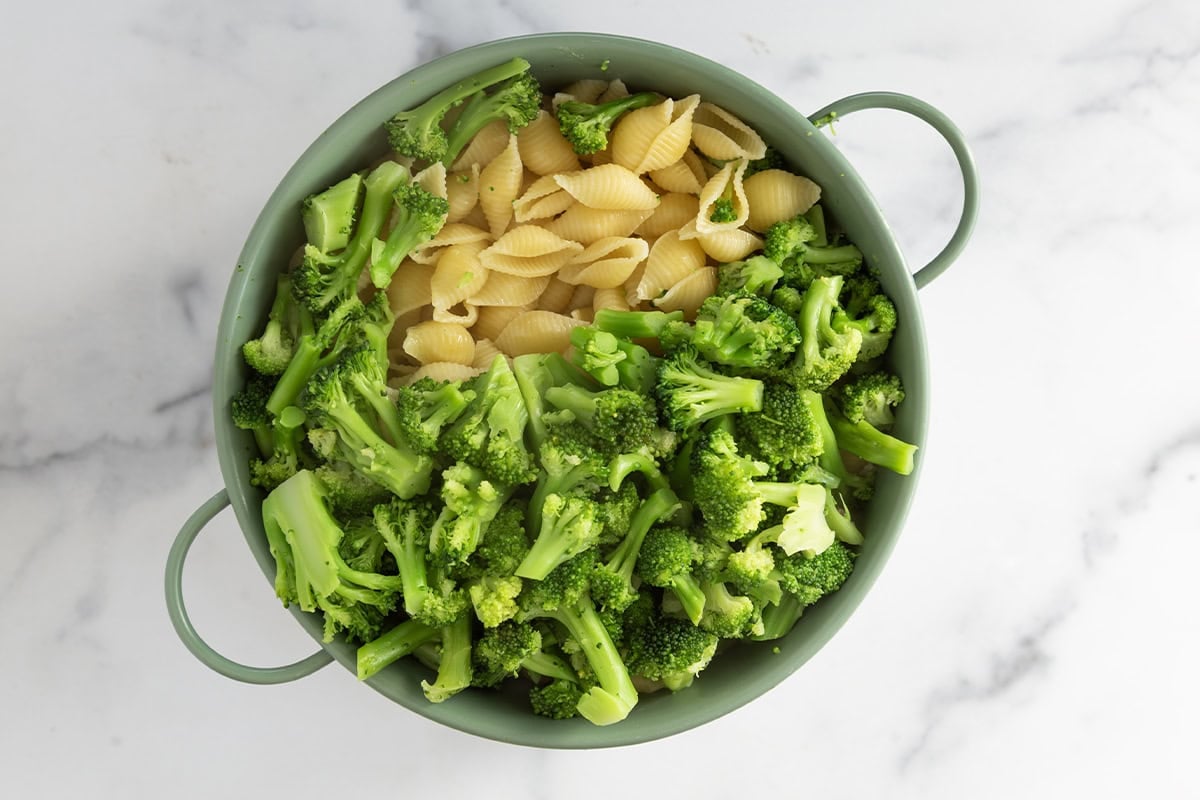
- Vegetable Integration: In the final minutes of the pasta’s cook time, fresh or frozen broccoli florets are added to the boiling water. This synchronized cooking ensures both components reach peak texture simultaneously.
- The Reclamation of the Vessel: After draining the pasta and broccoli, the same pot is returned to the stove. This "one-pan" approach minimizes cleanup—a significant factor in parental satisfaction ratings.
- Emulsification: Milk, butter, and shredded cheddar are added to the warm pot. Under low heat, the ingredients are whisked until a homogenous, glossy sauce is formed.
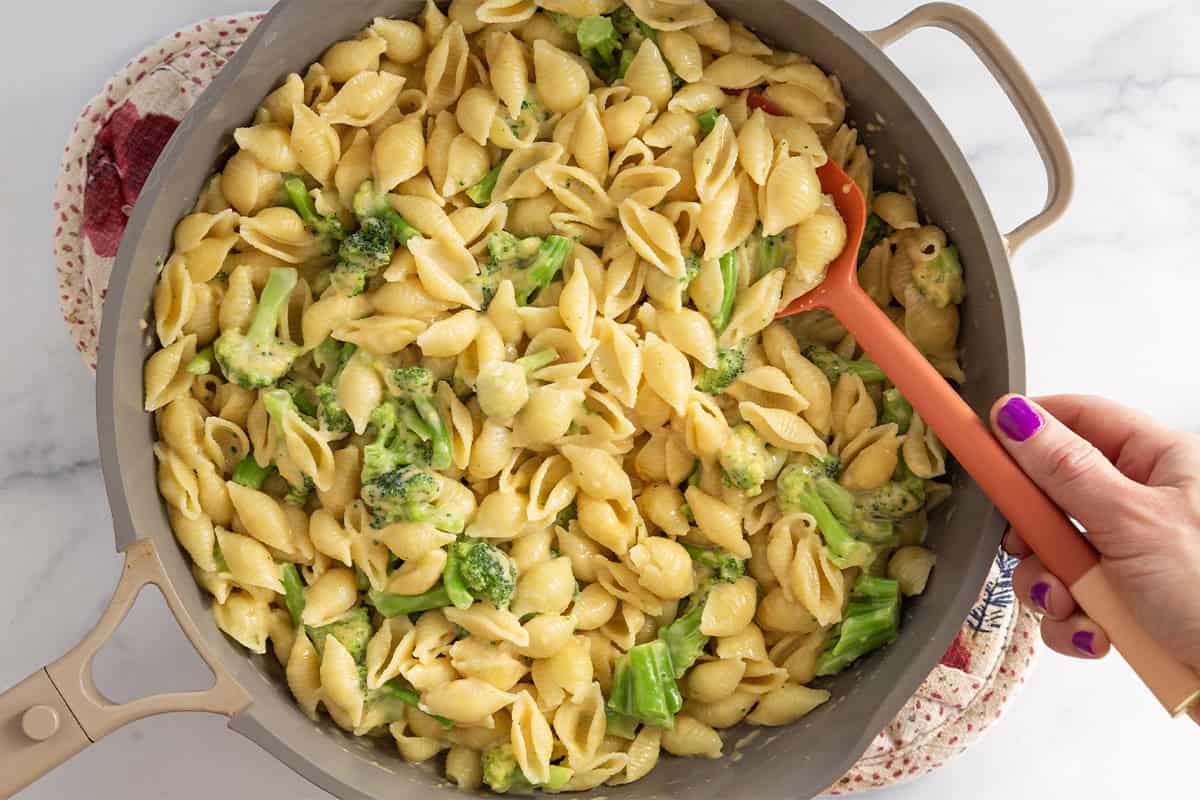
- Final Assembly: The cooked pasta and broccoli are folded back into the sauce, ensuring total saturation. The dish is then seasoned to taste and served immediately.
Market Context and Parental Response
The shift toward minimalist, nutrient-dense recipes like the Creamy Broccoli Cheddar Pasta reflects a broader trend in the $21 billion baby and toddler food market. As parents move away from ultra-processed "boxed" convenience foods, there is a growing niche for "semi-homemade" solutions that offer the speed of processed food with the ingredient transparency of home cooking.
Preliminary reactions from the parenting community highlight the recipe’s versatility. While it stands alone as a vegetarian main, it is frequently paired with lean proteins such as baked chicken tenders, salmon nuggets, or baked tofu. This modularity allows the dish to serve as a "bridge food"—a familiar base that can be used to introduce new proteins to a child’s diet.
Furthermore, the storage capabilities of the dish address the needs of the "meal prepping" demographic. The pasta maintains its structural integrity in the refrigerator for up to five days and can be frozen in toddler-sized portions. This functionality supports the reduction of food waste, a key concern for environmentally conscious consumers.
Broader Implications for Home-Based Pediatric Nutrition
The introduction of simplified, vegetable-heavy recipes has implications that extend beyond the dinner table. Pediatricians often emphasize the importance of "repeated neutral exposure" to vegetables. By incorporating broccoli into a high-preference food like cheesy pasta, parents can reduce the power struggles often associated with green vegetables.

Moreover, the financial implications are noteworthy. By utilizing staples like dried pasta and frozen broccoli—which often retain more nutrients than fresh produce due to being flash-frozen at peak ripeness—the Creamy Broccoli Cheddar Pasta offers a cost-effective alternative to expensive organic convenience meals. At approximately 359 calories per serving, it provides a high satiety-to-cost ratio, making it an accessible option for families across various socioeconomic tiers.
Expert Recommendations for Success
To maximize the quality of the final product, culinary experts provide several "best practice" tips:
- Pasta Selection: Using whole wheat or legume-based pasta can further increase the fiber and protein content, though it may alter the cooking time and sauce absorption.
- Cheese Temperature: Allowing the cheese to come to room temperature before adding it to the milk and butter can facilitate a faster, smoother melt.
- Salt Management: Given the sodium content in cheddar cheese (316 mg per serving), experts suggest tasting the dish before adding additional table salt to ensure it remains within healthy limits for young children.
Conclusion
The Creamy Broccoli Cheddar Pasta represents a successful intersection of culinary simplicity and nutritional science. By addressing the logistical challenges of modern parenting through a five-ingredient, one-pan framework, the recipe provides a viable solution for consistent, healthy family dining. As the trend toward "clean label" home cooking continues to grow, such recipes will likely become the standard for domestic pediatric nutrition, proving that high-quality, nutrient-dense meals do not require extensive time or professional culinary training. The focus remains on the classic pairing of broccoli and cheddar—a combination that continues to stand the test of time in both flavor and health benefits.