

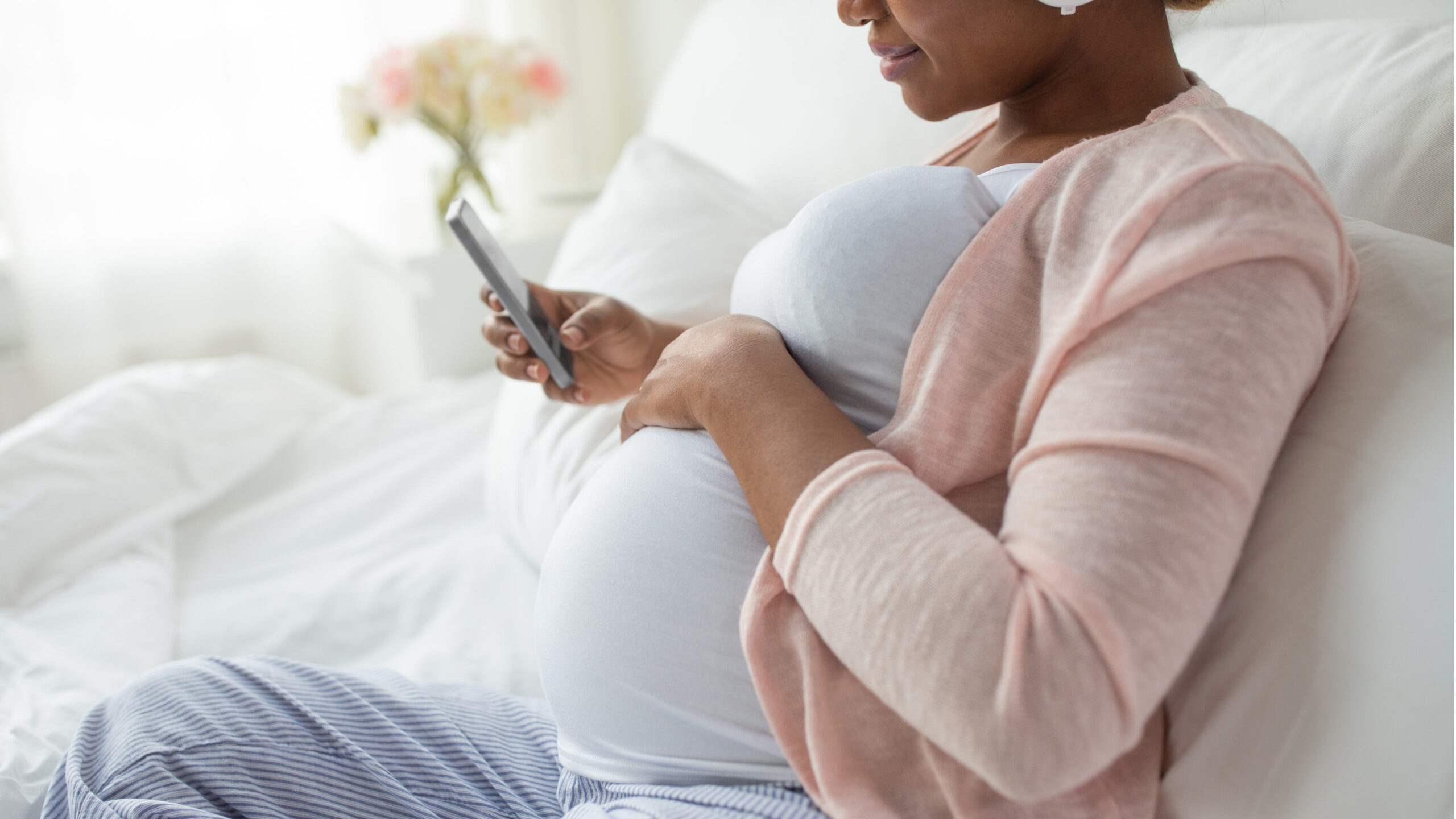
Childbirth education has evolved from a localized hospital-based service into a diverse global market featuring digital platforms, independent midwifery courses, and community-led initiatives designed to prepare expectant parents for labor, delivery, and postpartum care. As healthcare costs continue to rise, many families are seeking "free" alternatives to the traditional paid prenatal classes, which can range from $200 to over $500 depending on the curriculum and duration. However, the transition from paid to free education involves a complex trade-off between financial savings and the depth of specialized knowledge provided. While digital accessibility has increased the availability of free resources, medical professionals emphasize that the quality of information varies significantly across platforms.
The Economic and Clinical Context of Prenatal Education
The necessity of childbirth education is supported by clinical data suggesting that informed patients experience lower levels of anxiety and higher satisfaction with their birthing experience. According to the American College of Obstetricians and Gynecologists (ACOG), prenatal education plays a vital role in reducing the incidence of elective inductions and primary Cesarean sections. Despite these benefits, a significant portion of the population remains underserved due to the costs associated with certified instructors.
In-person childbirth classes are typically led by Certified Nurse-Midwives (CNMs), Registered Nurses (RNs), or certified doulas. These professionals require compensation for their specialized expertise and the time required to guide parents through complex physical and emotional processes. Consequently, free in-person classes are increasingly rare. When they do exist, they are often subsidized by non-profit organizations, religious institutions, or state-funded health departments aiming to improve maternal health outcomes in high-risk or low-income demographics.
The Evolution of Birthing Methodologies: A Chronology
To understand the current landscape of free childbirth classes, it is essential to examine the timeline of how these methods developed:
- 1930s-1940s: Grantly Dick-Read introduces the concept of "natural childbirth," focusing on breaking the fear-tension-pain cycle.
- 1950s: The Lamaze technique, developed by Dr. Fernand Lamaze, gains popularity, emphasizing psychoprophylaxis and rhythmic breathing.
- 1960s-1970s: The Bradley Method (Husband-Coached Childbirth) emerges, advocating for a drug-free birth and active partner involvement.
- 1990s-2000s: The rise of evidence-based birth movements and the integration of midwifery models into mainstream hospital settings.
- 2010s-Present: The digitalization of birth education, where video-on-demand and interactive webinars become the primary source of information for the millennial and Gen Z cohorts.
Analysis of Leading Free Online Childbirth Resources
As physical classrooms have become less accessible for some, the digital space has filled the void with various "freemium" and entirely free models. Each platform offers a different pedagogical approach, varying in clinical depth and philosophical orientation.
BabyCenter: The Corporate Standard
BabyCenter remains one of the most prominent digital entities in the parenting space. Their free online childbirth course is structured into seven modules, totaling approximately two hours and twelve minutes of content. Hosted by Linda Murray, the site’s editor-in-chief, the course covers foundational topics such as contraction timing, hospital admission protocols, and pain management.
From a journalistic perspective, the course is noted for its high production value but has faced criticism for its "sterile" presentation. The content is largely hospital-centric, assuming a traditional medicalized birth environment. While it covers essential topics like perineal tearing and newborn care, it often glosses over the nuances of physiological (natural) birth. Furthermore, unlike courses led by medical practitioners, the instruction is provided by a journalist, which may influence the clinical depth of the material.
BabyMed: The Text-Based Alternative
BabyMed offers an entirely text-based curriculum, which deviates from the modern preference for video content. While the platform is associated with obstetricians and gynecologists, providing a layer of clinical authority, the user experience is frequently described as cumbersome. The course requires extensive reading and navigation through multiple webpages, which can lead to information fragmentation. However, for parents seeking specific data points or quick reference guides on prenatal testing, the text-heavy format serves as a functional encyclopedia of birth-related terms.
The YouTube Ecosystem: Crowdsourced Knowledge
YouTube has become a primary repository for free childbirth education, featuring content from certified midwives, labor and delivery nurses, and "momfluencers." The advantage of YouTube is the diversity of perspectives; parents can find specialized videos on everything from "spinning babies" techniques to water birth vlogs.
However, the lack of centralized regulation poses a risk. Expectant parents must exercise due diligence in verifying the credentials of the content creators. Clinical experts suggest that users should prioritize channels managed by accredited organizations or licensed medical professionals to avoid misinformation regarding medical interventions and safety protocols.

The "Freemium" Model: Sample Classes as Lead Magnets
Several premium childbirth education brands offer "free" introductory classes. These are not comprehensive courses but rather strategic previews designed to convert users into paying customers.
Lamaze International
Lamaze offers a free online class titled "Labor Confidence with Lamaze." While the organization is world-renowned for its six-step approach to healthy birth, the free online offering is significantly condensed. It relies heavily on written materials rather than interactive video. Critics of the modern Lamaze approach argue that it has become too integrated with hospital protocols, potentially compromising its original focus on natural pain management.
The Pulling Curls Prenatal Class
Created by Hilary Erickson, a certified labor and delivery nurse, this course targets couples seeking a simplified, no-nonsense approach to birth. The free introductory lesson is approximately eight minutes long, focusing on third-trimester testing and common fears. While succinct and professionally grounded, it serves primarily as a marketing tool for the full paid curriculum.
Kopa Birth
Kopa Birth focuses specifically on natural hospital births. Their free one-hour session provides a more substantial window into their teaching style than other samples. It targets parents who wish to avoid unnecessary medical interventions while remaining in a hospital setting. This "middle ground" approach has gained traction among parents who feel caught between the highly medicalized hospital model and the home-birth movement.
Clinical Implications and Expert Perspectives
Medical professionals emphasize that while free classes provide a baseline of literacy, they may lack the interactive component necessary for physical preparation. Dr. Sarah Thompson, a consultant in obstetric medicine, notes, "The primary drawback of free, recorded content is the inability to ask clarifying questions tailored to a specific pregnancy’s risk profile. Childbirth is not a one-size-fits-all event."
Data from the World Health Organization (WHO) suggests that high-quality antenatal education should include not only the mechanics of birth but also emotional support and partner communication strategies. Many free resources focus heavily on the "what" (the stages of labor) while neglecting the "how" (coping mechanisms and advocacy).
The Role of Holistic and Specialized Courses
The emergence of platforms like "Mama Natural," led by Genevieve Howland and Certified Nurse-Midwife Maura Winkler, represents a shift toward specialized, holistic education. While these courses are typically paid, they cater to a growing demographic that views birth as a physiological rather than medical event. These programs often include supplementary resources such as prenatal nutrition guides, natural remedy databases, and community forums, which are rarely found in free, basic courses.
Broader Impact: Accessibility and the Digital Divide
The reliance on online childbirth education highlights a broader socio-economic issue: the digital divide. While free online classes increase accessibility for many, families without reliable high-speed internet or digital literacy are left with fewer options as in-person community classes dwindle. This shift has prompted some public health advocates to call for a return to hospital-funded, no-cost in-person education to ensure that the most vulnerable populations receive adequate preparation.
Conclusion: Are Free Classes Sufficient?
The determination of whether a free childbirth class is "worth it" depends largely on the parent’s goals. For those seeking a basic overview of hospital procedures, free resources like BabyCenter or YouTube may suffice. However, for those seeking a specific type of experience—such as an unmedicated birth, a VBAC (Vaginal Birth After Cesarean), or a highly personalized coaching environment—the investment in a comprehensive, paid course is often viewed as a necessary expense.
Ultimately, the landscape of free childbirth education serves as a valuable entry point into the world of prenatal preparation. It empowers parents with the vocabulary of labor and delivery, though it often requires the user to piece together a complete education from multiple disparate sources. As the digital age continues to reshape maternal healthcare, the challenge remains ensuring that "free" does not equate to "incomplete" in the critical window of preparation for new life.