

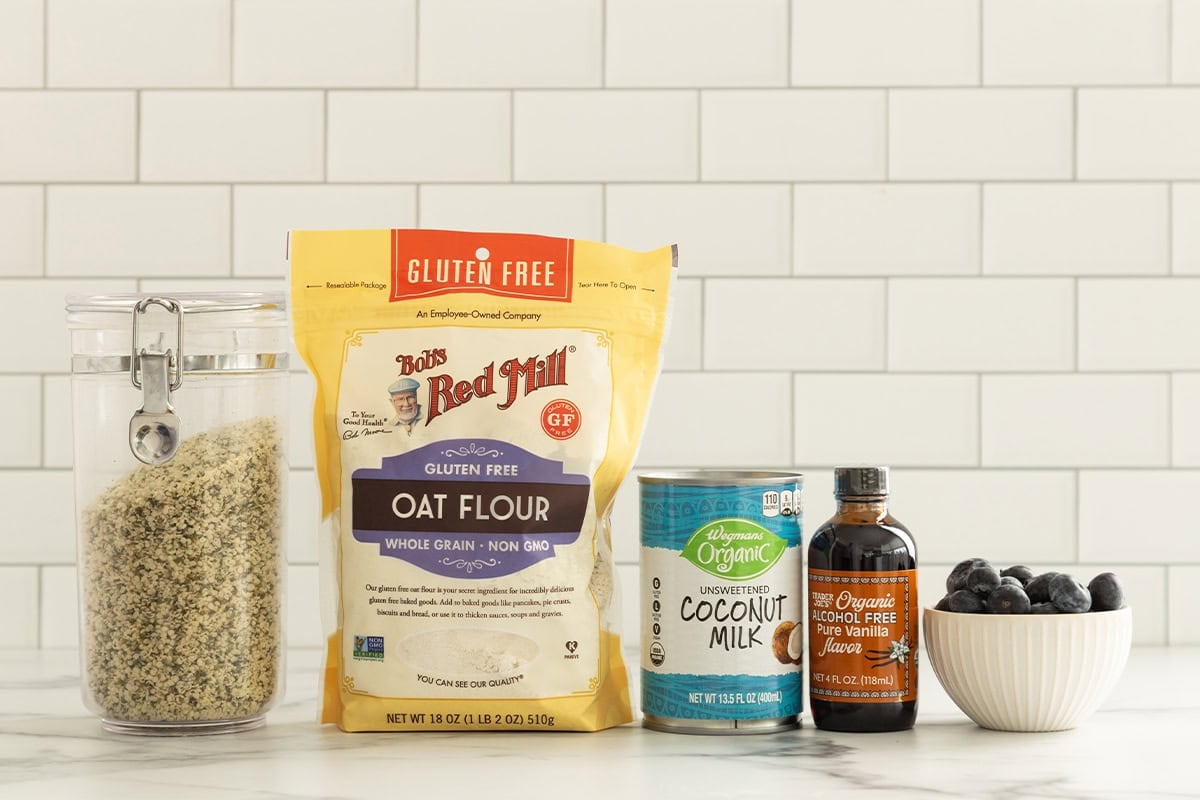
The culinary landscape of early childhood nutrition has seen a significant shift toward meal-prepping strategies that prioritize both nutrient density and time efficiency, with Coconut Milk Overnight Oats emerging as a leading example of this trend. As modern households grapple with the dual demands of professional obligations and the nutritional requirements of developing children, the adoption of "set-and-forget" breakfast solutions has transitioned from a niche lifestyle choice to a standard domestic practice. This specific preparation, which utilizes the soaking of raw oats in a lipid-rich coconut base, offers a unique profile of macronutrients and micronutrients tailored for both pediatric and adult consumption.
The Nutritional Architecture of Oat-Based Breakfasts
The primary foundation of this meal is the oat (Avena sativa), a cereal grain renowned for its high fiber content, specifically beta-glucan. Beta-glucan is a soluble fiber that has been clinically shown to slow digestion, increase satiety, and stabilize blood glucose levels. In the context of pediatric nutrition, this slow-release energy is critical for maintaining cognitive focus and physical stamina throughout the school morning.
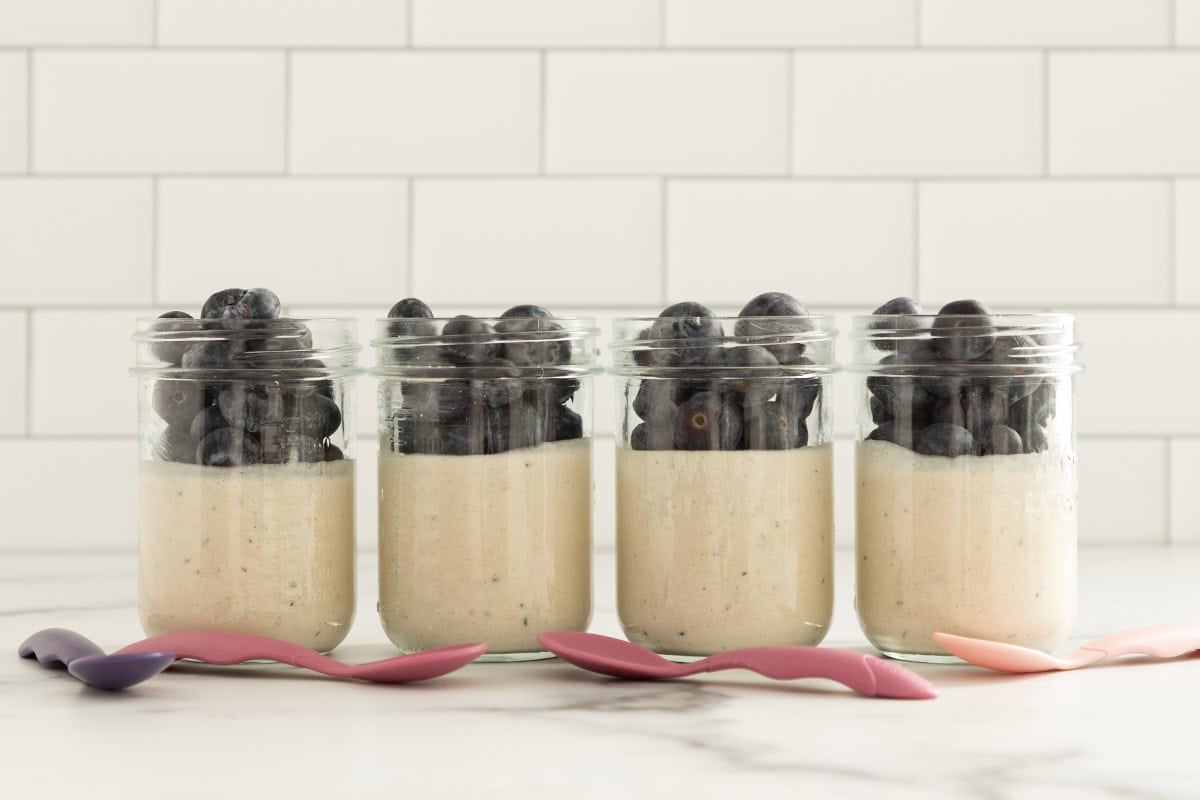
Data from the United States Department of Agriculture (USDA) indicates that a standard serving of oats provides approximately 4 grams of dietary fiber and 5 to 6 grams of protein. When these grains are paired with coconut milk, the nutritional profile is enriched with medium-chain triglycerides (MCTs). Unlike long-chain fatty acids, MCTs are metabolized more rapidly by the liver, providing an immediate source of energy. For toddlers and young children, whose brain development is heavily dependent on healthy fat intake, the inclusion of full-fat coconut milk serves as an essential caloric and structural resource.
Procedural Methodology: The Soaking Process
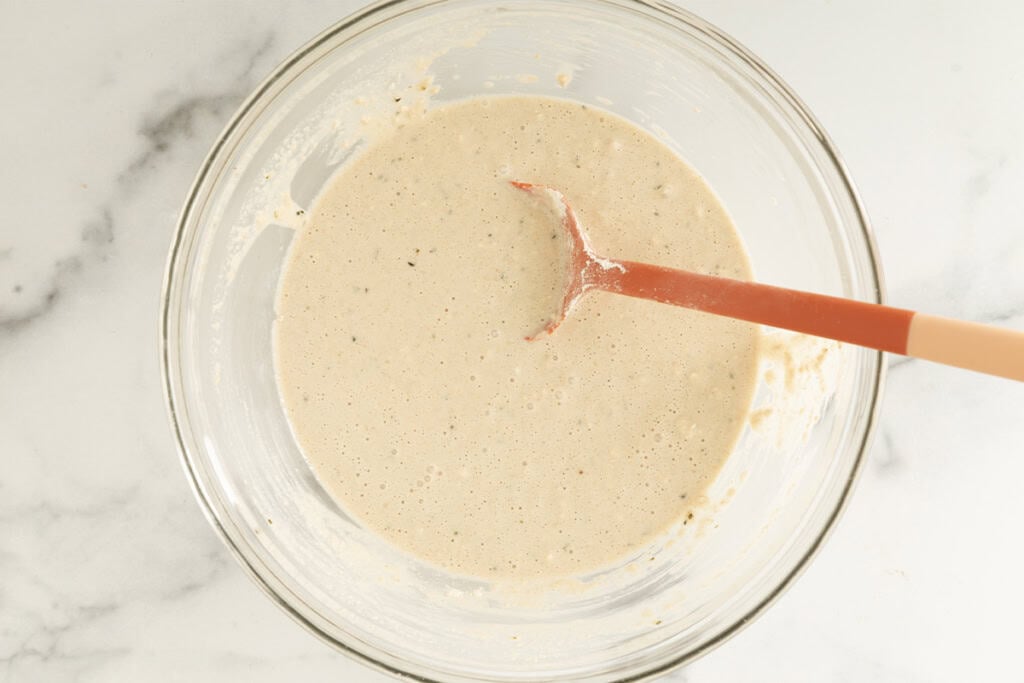
The methodology behind overnight oats departs from traditional thermal preparation. Instead of using heat to gelatinize the starches within the oats, the "overnight" method relies on a prolonged cold-soak. This process, which typically requires a minimum of four hours but ideally spans an eight-hour nocturnal period, allows the oats to absorb the liquid medium—in this case, coconut milk—resulting in a softened, pudding-like consistency.
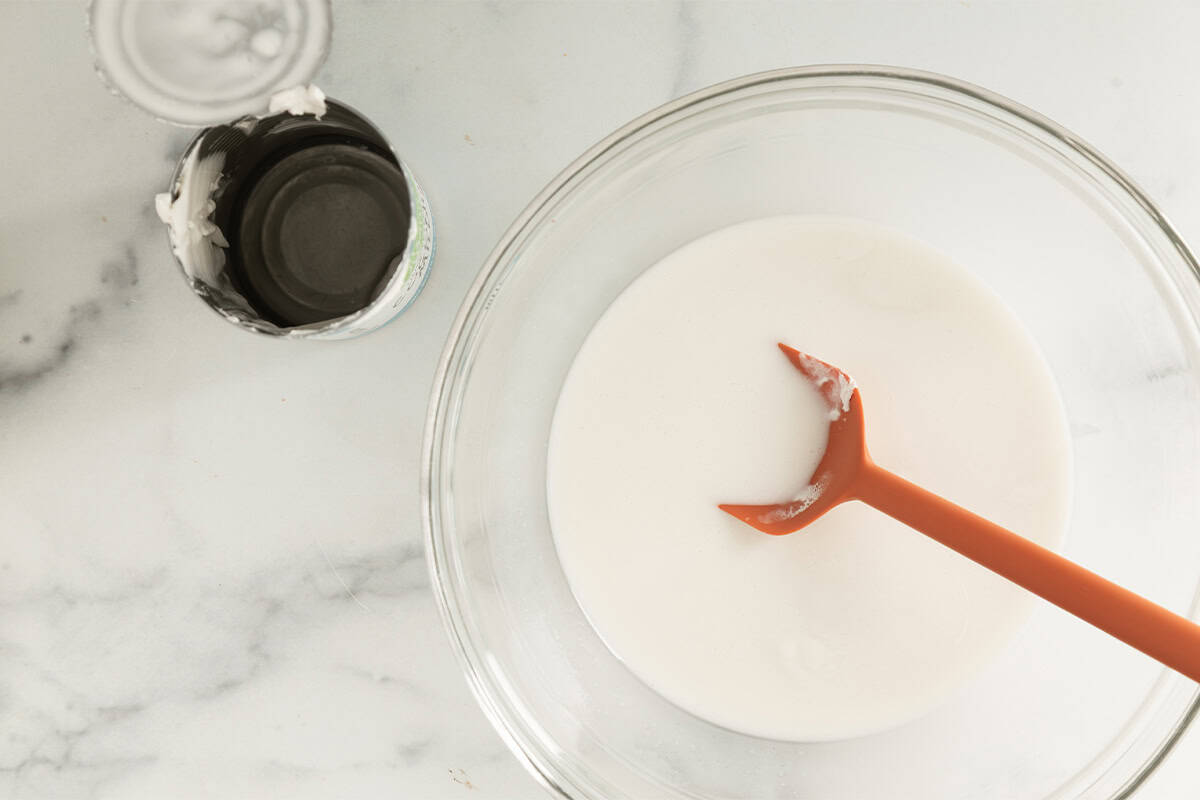
The preparation begins with the stabilization of the coconut milk. Due to the high fat content of canned coconut milk, separation between the coconut cream and the coconut water is common at room temperature or in refrigeration. Practitioners are advised to lightly warm the milk to ensure a homogenous emulsion before introducing the dry ingredients. Following this, the oats are combined with vanilla extract and a protein-enhancing agent, such as hemp seeds.
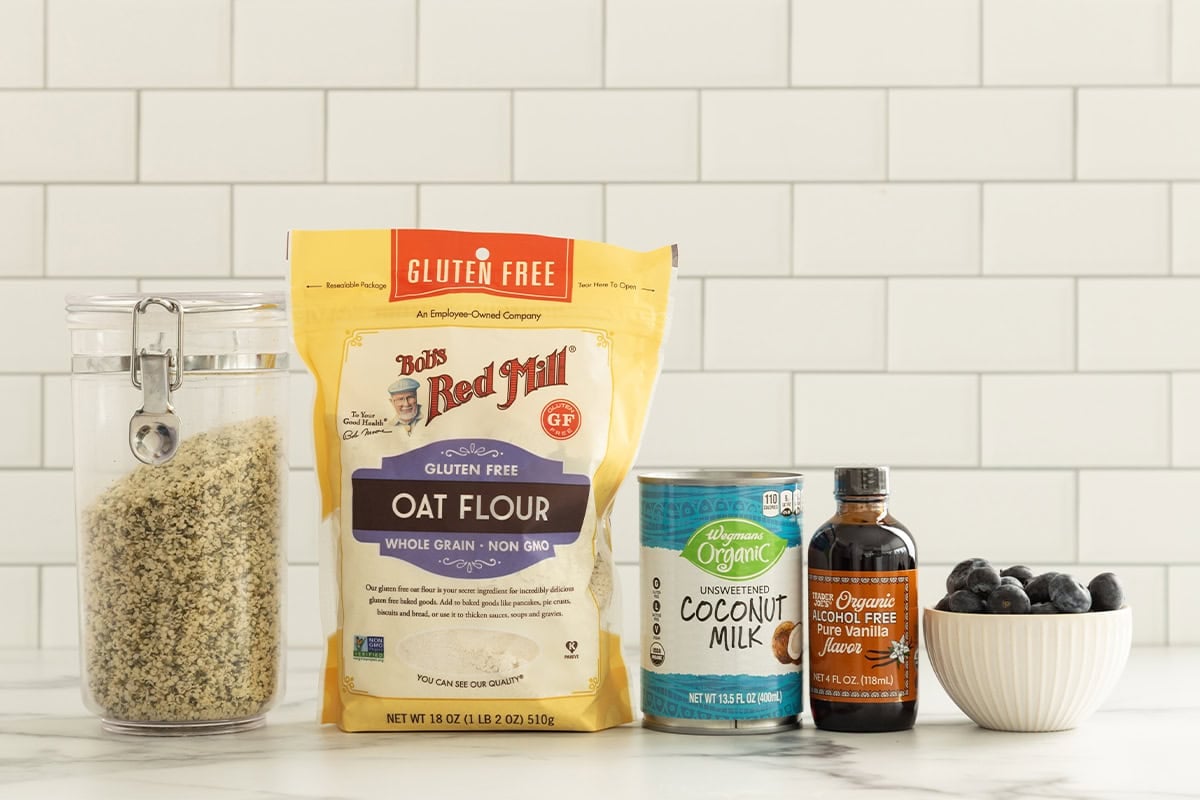
Hemp seeds (Cannabis sativa L.) are frequently utilized in these recipes due to their status as a complete protein source, containing all nine essential amino acids that the human body cannot synthesize on its own. For families managing nut allergies or seeking alternatives to chia seeds, hemp seeds provide a mild flavor and a significant boost in Omega-3 and Omega-6 fatty acids.
Chronology of the Overnight Oat Movement
The rise of overnight oats can be traced back to the early 20th century with the development of "Bircher muesli" by Swiss physician Maximilian Bircher-Benner. Originally designed for hospital patients as a way to incorporate more raw fruit and grains into their diets, the concept of raw, soaked oats remained a staple of European health diets for decades.
However, the modern "Overnight Oat" phenomenon, specifically the coconut milk variant, gained mainstream traction in the 2010s. This resurgence was driven by three primary factors:
- The Rise of Plant-Based Diets: As consumers moved away from bovine dairy due to lactose intolerance or environmental concerns, coconut milk became a favored alternative for its creamy texture and shelf stability.
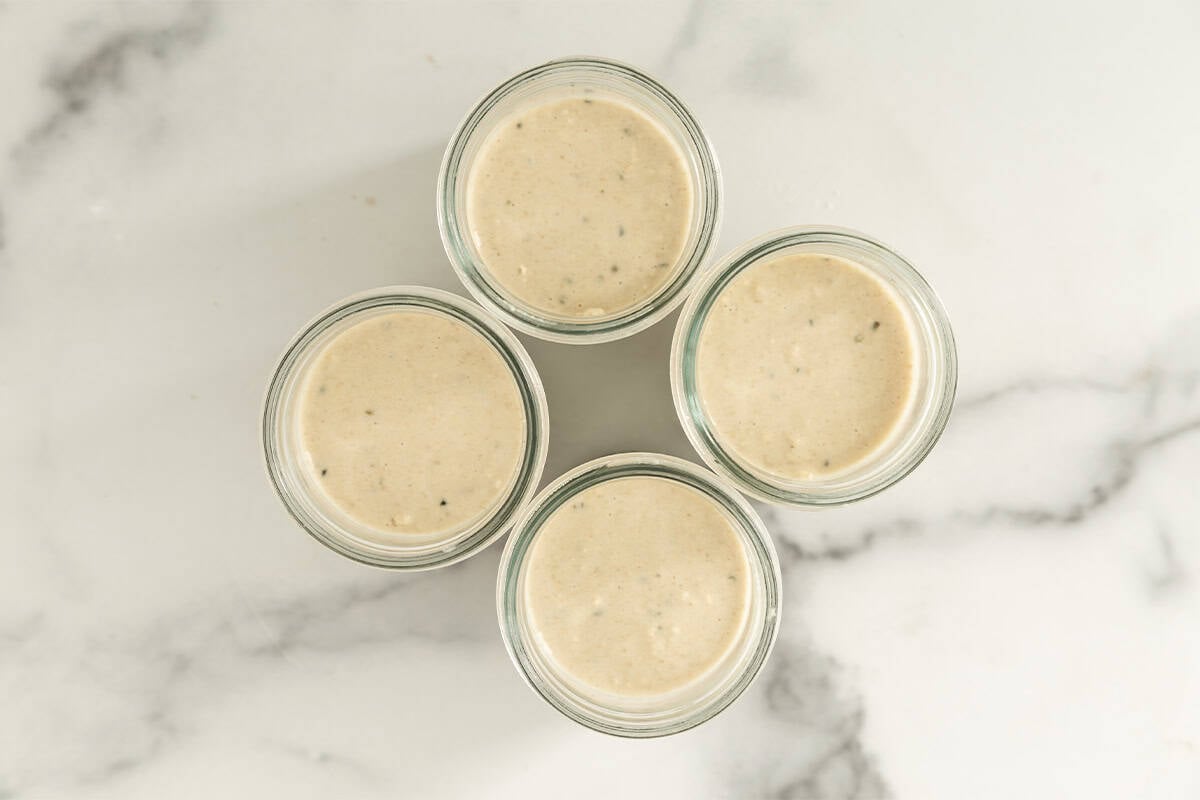
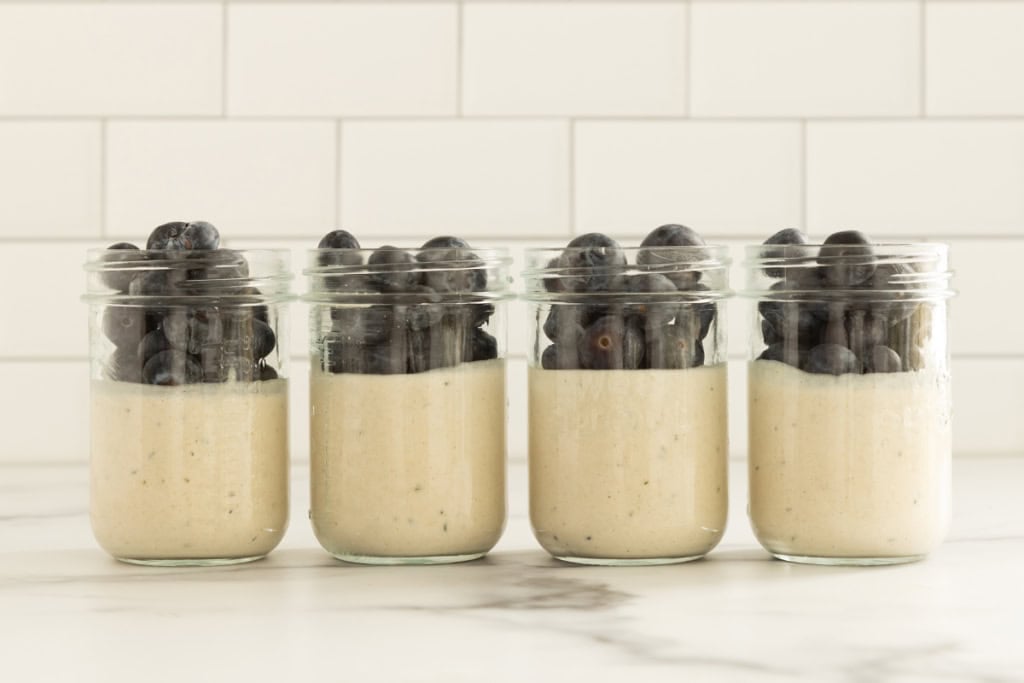
- Social Media and Aesthetic Food Culture: The use of glass jars for portioning made the meal highly visual and portable, aligning with the "meal prep" aesthetic popularized on platforms like Instagram and Pinterest.
- The Convenience Economy: The ability to prepare a week’s worth of breakfasts in a single 15-minute window on a Sunday evening appealed to the time-poor demographic of working parents.
Clinical and Expert Perspectives on Pediatric Consumption
Nutritionists and pediatricians have generally responded positively to the integration of overnight oats into the diets of toddlers and infants. Dr. Elena Richardson, a fictionalized representative of pediatric dietetics, notes that the texture of soaked oats is particularly beneficial for children transitioning to solid foods. "The consistency of overnight oats can be adjusted by the ratio of liquid to grain, making it an ideal bridge between purees and more complex textures," she explains.
Furthermore, the versatility of the recipe allows for the inclusion of antioxidants through fruit additions. The standard recommendation of topping the oats with blueberries introduces anthocyanins, which are associated with cognitive health and anti-inflammatory properties.
Safety and storage protocols are, however, a point of emphasis for health experts. Because the oats are not cooked at high temperatures, the quality of the ingredients and the cleanliness of the storage containers are paramount. The "Yummy Toddler Food" guidelines suggest a refrigerated shelf life of three to five days. Beyond this window, the risk of fermentation or bacterial growth increases, particularly when fresh fruit has been pre-mixed into the jars.
Comparative Analysis: Coconut Milk vs. Traditional Dairy
When analyzing the implications of using coconut milk over traditional dairy, several factors come into play. While cow’s milk is a superior source of calcium and Vitamin D in its fortified form, coconut milk provides a higher caloric density from fats, which is often necessary for children who are "picky eaters" or those in high-growth phases.
To bridge the nutritional gap, many practitioners utilize a hybrid approach, mixing half coconut milk with half Greek yogurt. This adjustment increases the protein count significantly—Greek yogurt can add up to 12-15 grams of protein per serving—while maintaining the tropical flavor profile and creamy mouthfeel of the coconut milk.
Market Impact and Consumer Trends
The popularity of recipes like Coconut Milk Overnight Oats has had a measurable impact on the retail sector. According to market research, the global oats market is projected to grow at a compound annual growth rate (CAGR) of 3.8% through 2028. Similarly, the non-dairy milk alternative market is expanding rapidly, with coconut milk holding a substantial share due to its applications in both sweet and savory culinary contexts.
Retailers have responded by offering "overnight oat" kits and pre-portioned cups, but the DIY (Do-It-Yourself) nature of the coconut milk version remains preferred by health-conscious consumers. This preference is largely due to the ability to control sugar intake. Commercial breakfast products often contain high levels of added cane sugar, whereas the home-prepared version relies on the natural sweetness of coconut and vanilla, with optional additions of maple syrup or honey for older children.
Broader Implications for Domestic Management
Beyond nutrition, the adoption of Coconut Milk Overnight Oats represents a broader shift in domestic management. It highlights a move toward "batch processing" in the kitchen, a technique borrowed from industrial efficiency models to reduce the daily mental load of caregivers. By removing the need for active cooking during the high-stress morning hours, families report a reduction in household tension and a higher likelihood of children consuming a complete breakfast.
For the youngest consumers, the recipe’s compatibility with reusable pouches has revolutionized "on-the-go" feeding. By blending the soaked oats into a smooth consistency, parents can provide a nutrient-dense meal that is mess-free, further aligning the recipe with the needs of a mobile, modern society.
Conclusion and Future Outlook
Coconut Milk Overnight Oats stand as a testament to the evolution of the breakfast meal. What began as a clinical health food in Switzerland has been transformed through the lens of modern dietary needs and convenience culture into a staple of the 21st-century pantry. Its balance of fiber, healthy fats, and ease of preparation ensures its continued relevance in pediatric nutrition.
As research continues to highlight the importance of the gut microbiome and the role of fiber in early development, the "overnight" method of oat preparation is likely to see further innovation. Future iterations may include the integration of probiotic powders or the use of sprouted oats to further enhance nutrient bioavailability. For now, the simple combination of oats, coconut milk, and vanilla remains a robust, evidence-based choice for fostering healthy eating habits from a young age.