

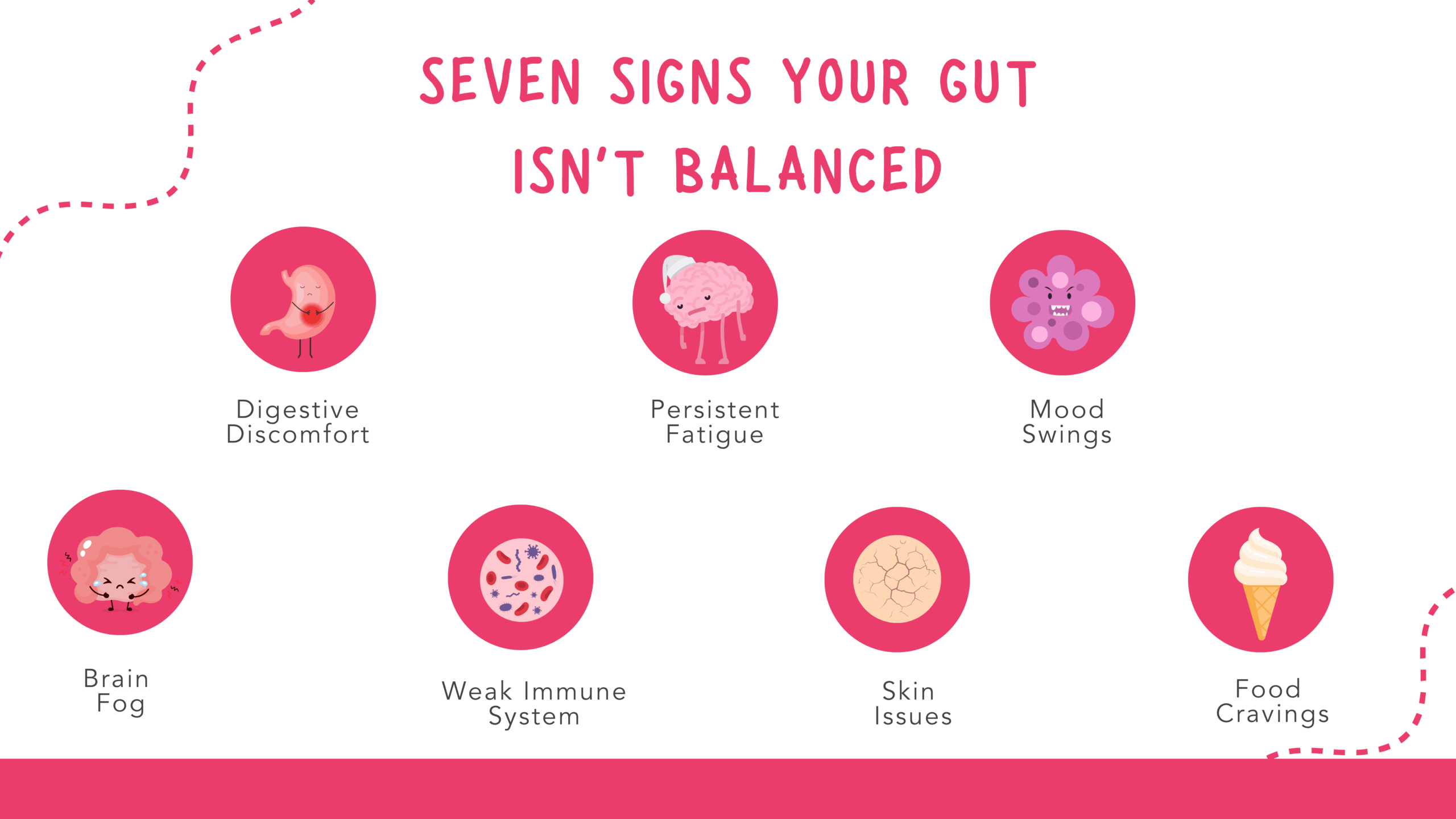
The human gastrointestinal tract, home to trillions of microorganisms collectively known as the gut microbiome, has emerged as a central focus of contemporary medical research, revealing that internal microbial balance is fundamental to systemic health rather than merely a component of digestion. Medical professionals and nutritional scientists are increasingly identifying specific physiological and psychological markers—ranging from cognitive "brain fog" to chronic dermatological issues—that signal an imbalance in this delicate ecosystem, a state clinically referred to as dysbiosis. As the understanding of the gut-brain axis and the gut-immune connection matures, identifying these indicators has become a primary step in preventative healthcare and chronic disease management.
The Evolution of Microbiome Research and Clinical Context
The scientific community’s transition from viewing the gut as a simple digestive tube to recognizing it as a complex "second brain" followed decades of incremental discovery. While the importance of intestinal flora was theorized in the early 20th century by Nobel laureate Élie Metchnikoff, it was the launch of the Human Microbiome Project (HMP) in 2007 that revolutionized the field. This international effort utilized high-throughput sequencing to categorize the microbial inhabitants of the human body, establishing that the gut contains roughly 70% to 80% of the body’s immune cells.
In the current clinical landscape, the prevalence of gut-related issues has reached unprecedented levels. Modern lifestyle factors—including the high consumption of ultra-processed foods, the overuse of broad-spectrum antibiotics, chronic psychological stress, and sedentary behavior—have been identified as primary disruptors of microbial diversity. Consequently, health practitioners are now utilizing a broader set of diagnostic observations to identify patients suffering from sub-optimal gut function.
Seven Primary Indicators of Gut Microbiome Imbalance
Clinical observation and patient data suggest seven specific areas where gut dysbiosis frequently manifests. These symptoms serve as biological signals that the intestinal environment is being dominated by pathogenic or opportunistic bacteria at the expense of beneficial strains.
1. Chronic Gastrointestinal Distress
The most immediate markers of dysbiosis are localized digestive irregularities. Frequent bloating, flatulence, constipation, and diarrhea are not merely inconveniences but indicate a failure in the breakdown of food and the elimination of metabolic waste. These symptoms often result from the fermentation of undigested carbohydrates by overgrown bacteria in the small or large intestine. Tools such as the Bristol Stool Scale are frequently employed by clinicians to help patients categorize these irregularities, providing objective data on transit time and hydration levels within the colon.
2. Persistent Fatigue and Mitochondrial Dysfunction
The correlation between gut health and energy levels is supported by significant clinical data. Research published in journals such as Nutrients and Frontiers in Psychology indicates that a substantial portion of individuals suffering from chronic fatigue also meet the diagnostic criteria for Irritable Bowel Syndrome (IBS). Specifically, one study found that approximately 60% of patients with chronic fatigue exhibited concurrent gastrointestinal imbalances. This link is attributed to the "leaky gut" phenomenon, where intestinal permeability allows inflammatory markers to enter the bloodstream, triggering systemic immune responses that deplete cellular energy and impair mitochondrial function.
3. Neurochemical Imbalance and Emotional Volatility
The gut-brain axis facilitates bi-directional communication between the enteric nervous system and the central nervous system. Perhaps the most striking evidence of this connection is that an estimated 95% of the body’s serotonin—a key neurotransmitter responsible for mood regulation, sleep, and appetite—is synthesized in the gut. Dysbiosis can impair the enterochromaffin cells responsible for this synthesis. Consequently, patients with imbalanced microbiomes often report increased anxiety, depressive symptoms, and uncharacteristic mood swings, as the brain is deprived of steady neurochemical support from the digestive tract.
4. Dysregulated Appetite and Sugar Cravings
Emerging research into "microbial manipulation" suggests that certain gut bacteria can influence host behavior to favor their own survival. Pathogenic yeasts, such as Candida, and certain bacterial strains thrive on simple sugars. By releasing signaling molecules into the bloodstream, these microbes can trigger intense cravings for processed carbohydrates and sugar. This creates a self-perpetuating cycle where the host’s diet feeds the very organisms causing the imbalance, further marginalizing beneficial, fiber-loving bacteria.
5. Dermatological Manifestations and the Gut-Skin Axis
The skin often acts as a mirror for internal inflammation. Conditions such as acne, eczema, and psoriasis have been increasingly linked to the health of the intestinal lining. When the gut microbiome is compromised, the resulting systemic inflammation can manifest as various skin eruptions. This "gut-skin axis" suggests that topical treatments may only address the symptoms of a deeper, internal microbial deficiency.
6. Compromised Immune Response
Given that the majority of the human immune system resides within the Gut-Associated Lymphoid Tissue (GALT), the state of the microbiome dictates the body’s ability to defend against pathogens. A diverse microbiome trains immune cells to distinguish between harmless proteins and dangerous invaders. When diversity is low, the immune system may become either sluggish—leading to frequent infections—or overactive, increasing the risk of autoimmune responses and chronic allergies.
7. Cognitive Impairment and "Brain Fog"
"Brain fog," characterized by forgetfulness, lack of mental clarity, and diminished focus, is frequently a byproduct of gut-derived inflammation. Metabolic byproducts from certain harmful bacteria can cross the blood-brain barrier, while the lack of short-chain fatty acids (SCFAs) produced by beneficial bacteria deprives the brain of essential anti-inflammatory protection. This connection underscores the fact that cognitive performance is inextricably linked to metabolic and microbial health.
Evidence-Based Strategies for Microbiome Restoration
Addressing dysbiosis requires a multi-faceted approach focusing on dietary modification, lifestyle adjustments, and targeted supplementation.
The Role of Dietary Fiber and Prebiotics
Fiber serves as the primary fuel source for beneficial microbes. Health authorities generally recommend a daily intake of 25 to 38 grams of fiber, though many modern diets provide less than half of this amount.
- Soluble Fiber: Found in oats, flaxseeds, and various fruits, this type of fiber dissolves in water to form a gel-like substance, slowing digestion and aiding nutrient absorption.
- Insoluble Fiber: Sourced from whole grains and vegetables, this adds bulk to the stool and facilitates regular bowel movements.
- Prebiotic Superfoods: Specific fibers, such as those derived from the African Baobab fruit, are particularly effective. Baobab is rich in prebiotic fiber, which selectively stimulates the growth of healthy bacteria while providing antioxidants and Vitamin C.
Incorporation of Fermented Foods
Traditional fermentation processes introduce live, beneficial bacteria into the digestive tract. Foods such as sauerkraut, kimchi, kefir, and miso act as natural probiotics. Regular consumption of these "living foods" can help repopulate the gut with diverse strains of Lactobacillus and Bifidobacterium, which are essential for maintaining the acidic environment necessary to deter pathogenic growth.
Hydration and Mucosal Integrity
Water is essential for the functionality of fiber and the maintenance of the mucosal lining of the intestines. This lining acts as a physical barrier against toxins. Clinical recommendations suggest consuming half of one’s body weight in ounces of water daily, with adjustments for physical activity and climate, to ensure the digestive tract remains lubricated and the barrier function remains intact.
Targeted Probiotic Supplementation
While whole foods are foundational, clinical intervention often requires high-potency probiotic supplements, particularly following rounds of antibiotics or during periods of significant hormonal transition, such as the postpartum period.
- Strain Specificity: Research highlights the importance of specific strains for women’s health, including Lactobacillus rhamnosus and Lactobacillus reuteri, which support both the digestive and vaginal microbiomes.
- CFU Count and Survivability: Effective supplements typically offer between 20 billion and 50 billion Colony Forming Units (CFUs). Furthermore, the delivery system must ensure that these live cultures survive the highly acidic environment of the stomach to reach the intestines.
- Formulation Purity: The industry is seeing a shift toward "clean-label" supplements that are free from common allergens like gluten, soy, and dairy, as well as genetically modified organisms (GMOs) and synthetic fillers.
Market Trends and the Future of Personalized Nutrition
The growing consumer awareness of gut health has spurred significant growth in the probiotic and prebiotic market. Companies are increasingly moving away from "one-size-fits-all" formulas toward targeted solutions for specific demographics. For instance, the rise of women-focused probiotics reflects a specialized understanding of how the microbiome interacts with female hormonal cycles and reproductive health.
Industry analysts predict that the next phase of gut health will involve personalized nutrition based on individual microbiome sequencing. By analyzing a patient’s unique microbial profile, healthcare providers will be able to recommend specific strains and dietary adjustments tailored to the individual’s existing deficiencies.
Conclusion and Broader Implications
The evidence is clear: the gut microbiome is a master regulator of human health. The transition from identifying symptoms like bloating and fatigue to implementing a protocol of high-fiber intake, fermented foods, and high-quality supplementation represents a significant shift toward proactive health management. As chronic inflammatory diseases continue to rise globally, the medical community’s focus on restoring and maintaining microbial diversity may be one of the most effective strategies for improving long-term public health outcomes. Understanding the "whispers" of the body—the subtle signs of imbalance—allows for early intervention that can prevent the progression of more serious systemic conditions.