

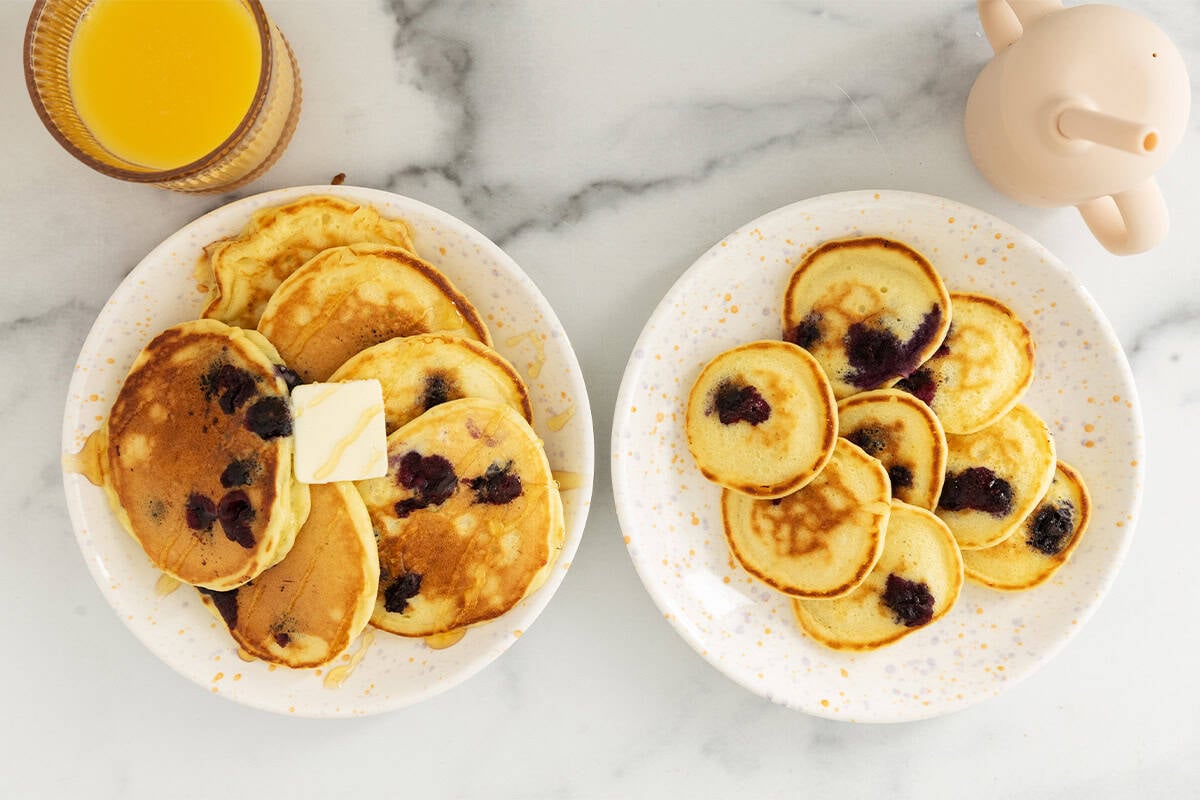
The evolution of the modern breakfast has shifted significantly toward functional nutrition, as evidenced by the rising popularity of recipes that prioritize macronutrient density without sacrificing traditional textures. Among the most prominent developments in this category is the Blueberry Protein Pancake, a dish that leverages the structural and nutritional properties of Greek yogurt and whole fruit to provide a balanced meal. As families increasingly seek alternatives to high-sugar processed cereals and expensive pre-packaged mixes, the integration of affordable, whole-food ingredients into morning routines has become a focal point for pediatric nutritionists and home cooks alike. By utilizing a base of Greek yogurt and eggs, these pancakes offer a substantial protein profile that supports sustained energy levels and cognitive function throughout the morning hours.
The Nutritional Composition of Modern Breakfast Alternatives
A detailed analysis of the Blueberry Protein Pancake reveals a sophisticated balance of nutrients. Each serving typically contains approximately 261 calories, with a notable 11 grams of protein. This protein density is largely attributed to the inclusion of Greek yogurt and eggs, which provide high-quality amino acids essential for tissue repair and growth. Unlike traditional pancake recipes that rely heavily on refined carbohydrates, this version maintains a manageable 35 grams of carbohydrates per serving, 9 grams of which are sugars primarily derived from natural sources such as blueberries and the lactose in yogurt.
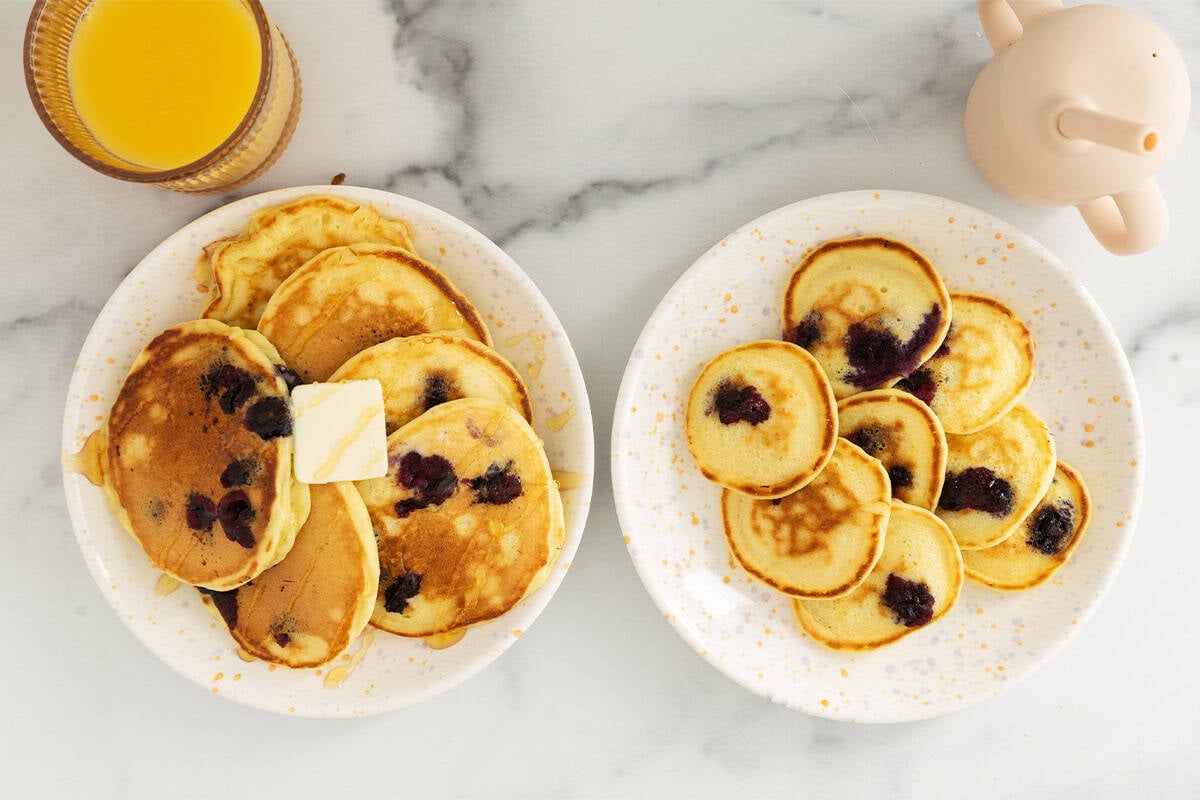
Furthermore, the mineral content of these pancakes is significant for developmental health. With 199 milligrams of calcium and 2 milligrams of iron per serving, the dish addresses common nutritional gaps in the diets of young children. The inclusion of blueberries adds a layer of micronutrient density, providing Vitamin C and antioxidants that support immune function. From a caloric perspective, the fat content is regulated at 9 grams, with a focus on monounsaturated and polyunsaturated fats, which are critical for brain health in developing toddlers.
A Chronological Shift in Breakfast Consumption Patterns
The emergence of protein-dense pancakes represents a broader chronological shift in dietary habits over the last several decades. In the mid-20th century, the American breakfast was dominated by convenient, shelf-stable carbohydrates, largely due to the rise of industrial food processing. By the 1990s, "instant" pancake mixes became a household staple, though these often contained hydrogenated oils and high levels of sodium.
The timeline of this transition can be broken down into four distinct phases:
- 1950s–1980s: The era of processed convenience. Sugar-coated cereals and refined flour mixes became the standard.
- 1990s–2000s: The introduction of "fortified" foods. While still processed, manufacturers began adding synthetic vitamins to compensate for nutrient loss during refining.
- 2010s: The rise of the "Superfood" and "Protein" movement. Consumers began seeking out specific ingredients like kale, blueberries, and whey protein.
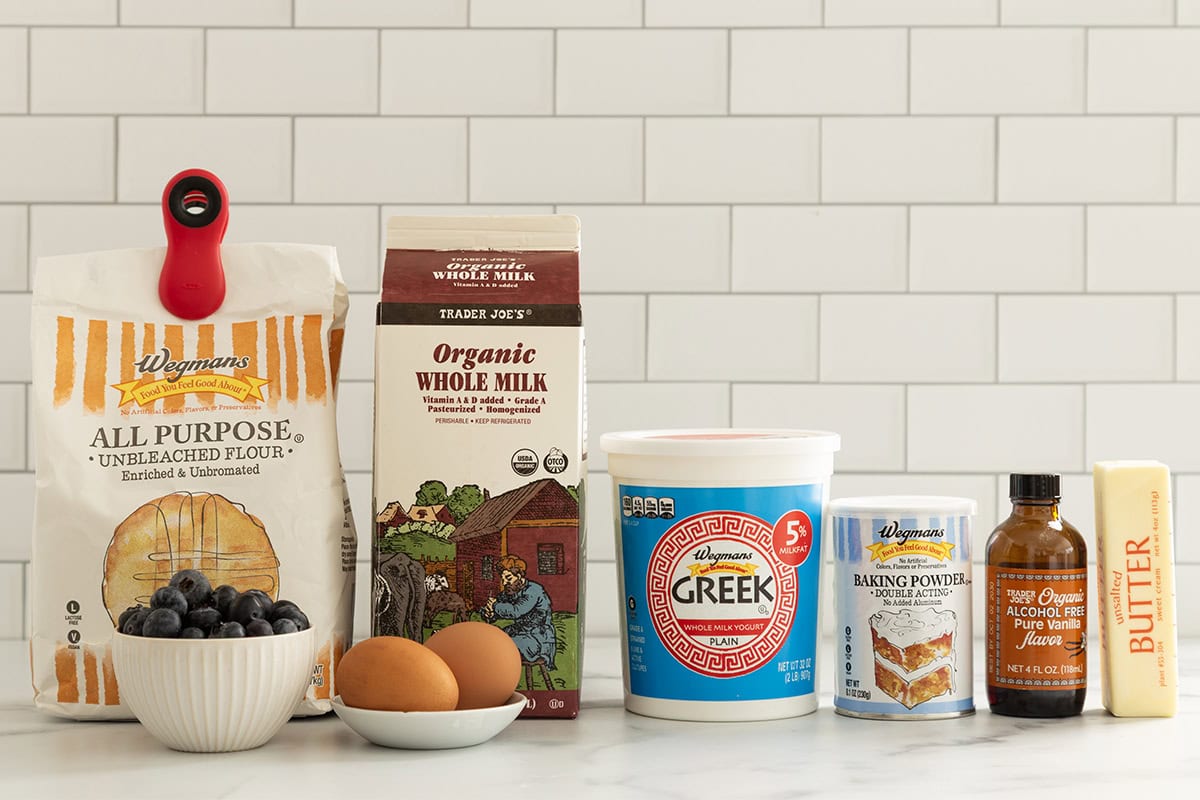
- 2020–Present: The "Clean Label" and Whole Food era. There is a renewed focus on making nutrient-dense meals from scratch using basic pantry staples like flour, eggs, and yogurt.
The Blueberry Protein Pancake sits firmly in this current phase, offering a "from-scratch" solution that is both more nutritious and more cost-effective than its processed predecessors.
Economic and Developmental Impact on Household Nutrition
The economic implications of transitioning from store-bought mixes to homemade protein pancakes are substantial. Standard protein-fortified pancake mixes can cost upwards of $0.80 to $1.20 per serving. In contrast, a homemade version utilizing bulk-purchased flour, eggs, and yogurt reduces the cost per serving significantly, often by more than 50%. This affordability makes high-quality nutrition accessible to a wider demographic, particularly families managing tight grocery budgets.
From a developmental standpoint, the texture and flavor profile of these pancakes serve a dual purpose. For children undergoing baby-led weaning (BLW), the soft, fluffy consistency is easy to manipulate and swallow, reducing choking risks while encouraging self-feeding skills. The inclusion of whole blueberries introduces children to varied textures and natural sweetness, which pediatric experts suggest can help prevent "picky eating" habits later in life by expanding the palate during critical sensory windows.
Expert Analysis of Ingredient Functionality
Food scientists point to the interaction between Greek yogurt and leavening agents as the secret to the dish’s success. The acidity in Greek yogurt reacts with baking powder to produce carbon dioxide bubbles more effectively than milk alone. This chemical reaction results in a "fluffier" pancake that maintains its structure even with the added weight of fresh fruit.
Statements from dietary consultants emphasize that the "staying power" of these pancakes—referring to the duration of satiety—is far superior to that of standard pancakes. "By combining fiber from the blueberries with the protein from the yogurt and eggs, you slow the rate of glucose absorption into the bloodstream," notes one nutritional analyst. "This prevents the ‘sugar crash’ often associated with traditional breakfasts, leading to better focus and more stable moods in both children and adults."
Procedural Standards for Preparation and Storage
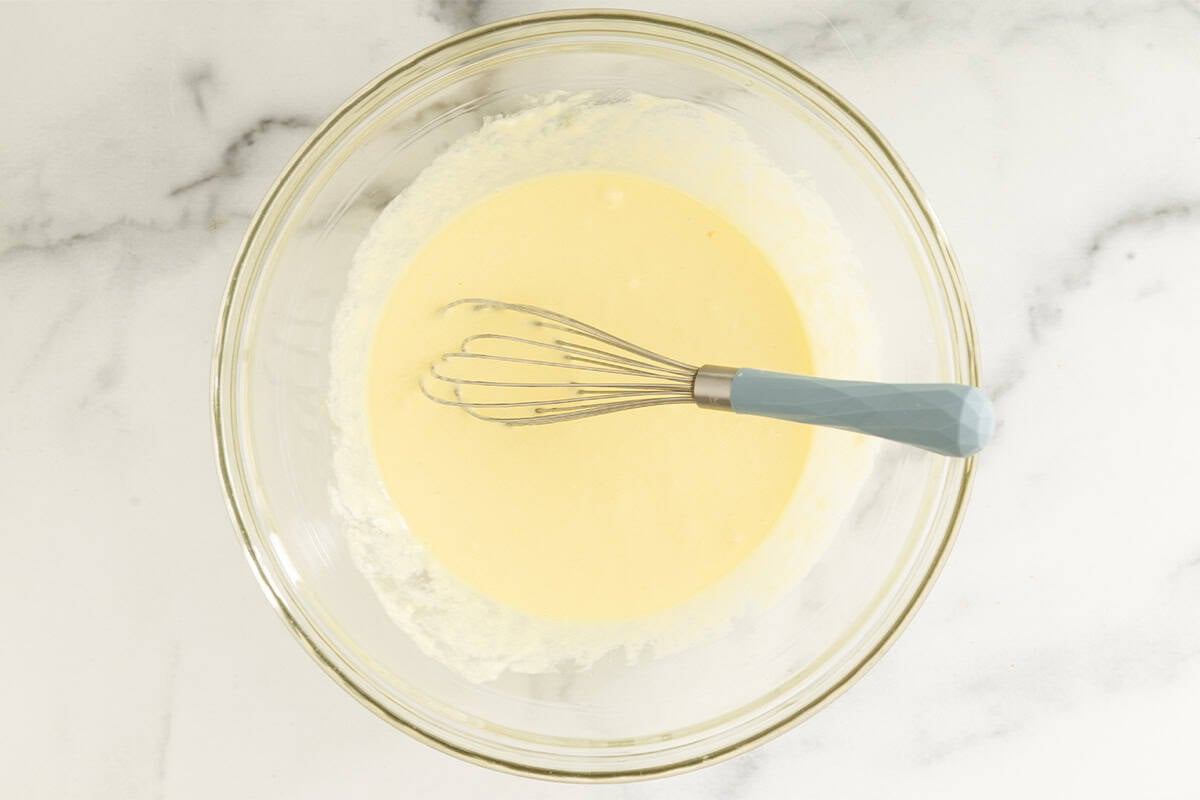
The preparation of Blueberry Protein Pancakes follows a streamlined protocol designed for efficiency in high-activity households. The process begins with the whisking of wet ingredients—yogurt and eggs—to create a homogenous base. Dry ingredients, including flour and fresh baking powder, are then integrated. The final step involves the gentle folding of blueberries into the batter to ensure even distribution without bruising the fruit, which can lead to discoloration of the batter.

Cooking standards require a medium-low heat setting to ensure that the interior of the pancake reaches the necessary temperature to set the proteins without burning the exterior. This is particularly important given the higher protein and sugar content of the yogurt, which can brown more quickly than traditional batters.
For long-term utility, the pancakes are designed for batch cooking. They maintain their structural integrity for three to five days when stored in an airtight container under refrigeration. Furthermore, they are highly stable when frozen, allowing for rapid reheating in microwave or toaster oven environments. This "make-ahead" capability aligns with modern "meal prepping" trends, where consumers dedicate time on weekends to prepare nutritious options for the ensuing work week.
Broader Implications for Public Health
The widespread adoption of protein-rich, fruit-integrated breakfasts has the potential to impact public health outcomes on a larger scale. As the medical community continues to combat rising rates of childhood obesity and type 2 diabetes, the promotion of recipes that manage glycemic loads while providing essential vitamins is a critical tool.

The Blueberry Protein Pancake serves as a case study for how traditional comfort foods can be re-engineered to meet modern health standards. By replacing empty calories with functional ingredients, households can mitigate the risks of metabolic disorders. Moreover, the ease of the recipe encourages culinary literacy among parents and children, fostering a healthier relationship with food preparation.
In conclusion, the Blueberry Protein Pancake is more than a simple breakfast option; it is a reflection of a changing nutritional landscape. It represents a move toward transparency in ingredients, economic efficiency, and a deep-seated commitment to developmental health. As dietary trends continue to evolve, the emphasis on whole-food protein sources and natural antioxidants is expected to remain a cornerstone of the global health consciousness. Through the simple act of mixing yogurt, eggs, and berries, the modern kitchen becomes a laboratory for better health, one pancake at a time.