

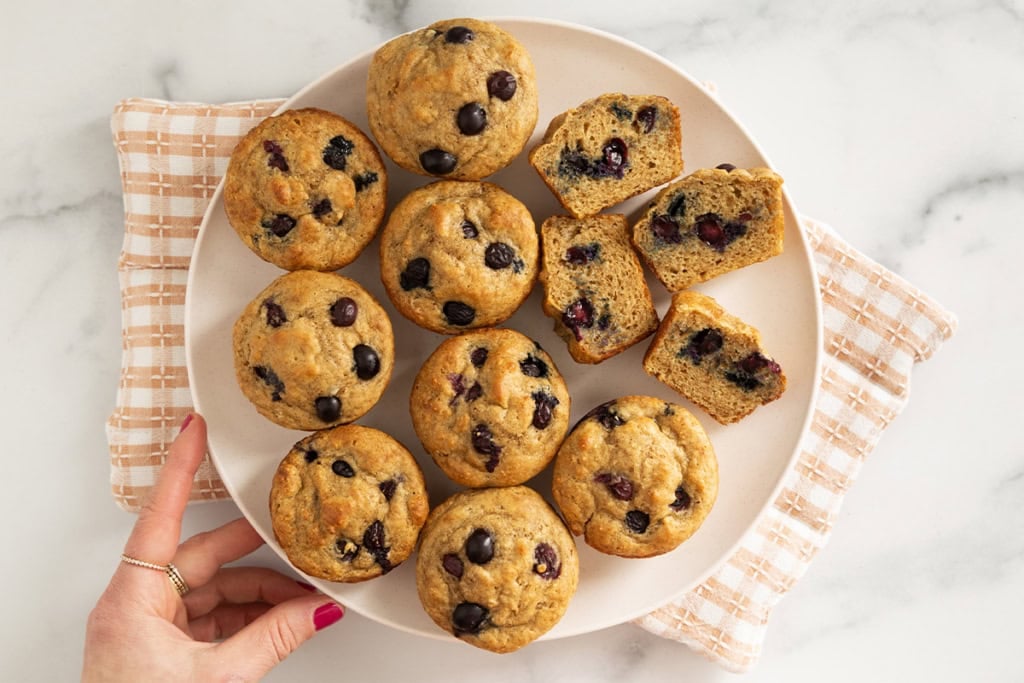
The intersection of pediatric nutrition and home-based culinary innovation has reached a significant milestone with the emergence of high-protein, nutrient-dense snacks designed specifically for early childhood development. As parents and caregivers increasingly prioritize functional ingredients over traditional processed options, the Blueberry Cottage Cheese Muffin has surfaced as a primary example of how standard baking practices are being re-engineered to meet modern dietary standards. This culinary development reflects a broader shift in the consumer landscape, where the demand for "stealth health"—the practice of incorporating high-value nutrients into familiar, kid-friendly formats—is driving new trends in the domestic kitchen.
By integrating cottage cheese as a foundational moisture and protein source, this specific muffin profile addresses several key challenges in toddler nutrition, including the need for adequate calcium, beneficial fats, and sustained energy levels. The following report examines the nutritional architecture, developmental timeline, and consumer impact of this high-protein snack, providing an analytical look at why such recipes are becoming staples in the contemporary household.
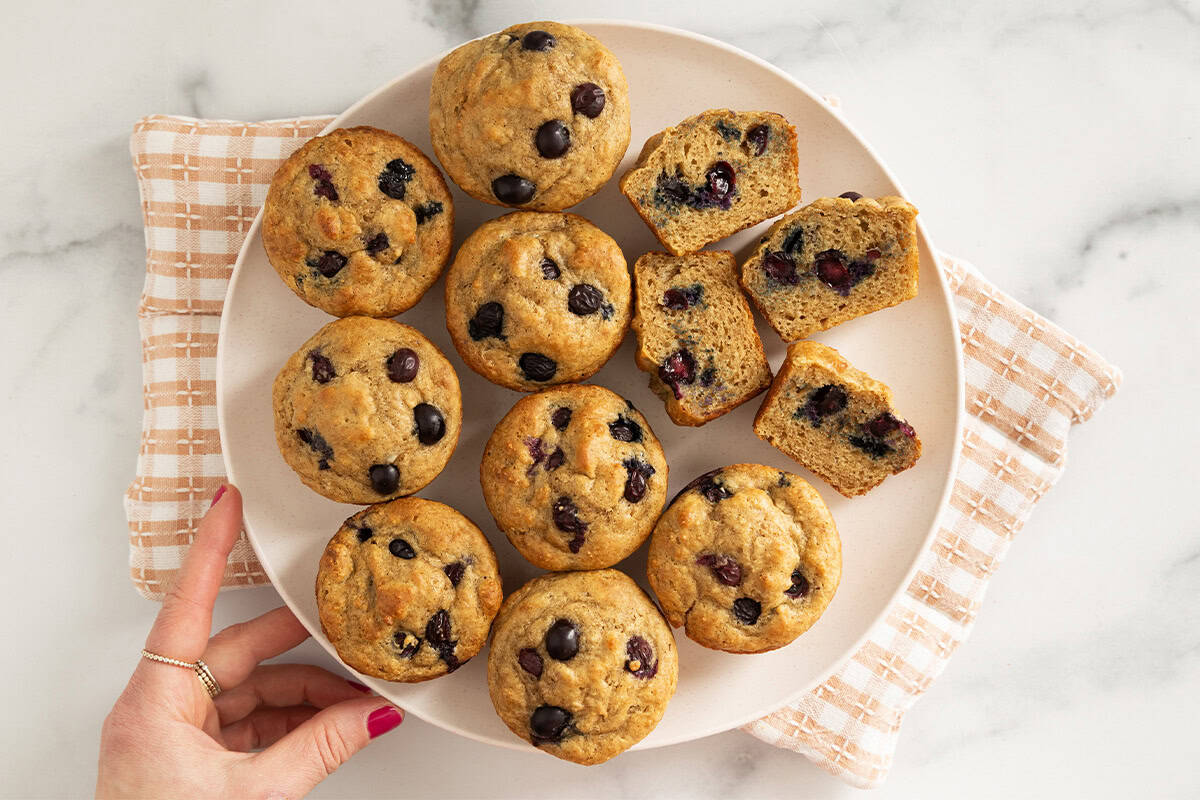
The Nutritional Evolution of the Home-Baked Snack
For decades, the standard blueberry muffin was characterized by high refined sugar content and simple carbohydrates, offering little in the way of long-term satiety or developmental support. However, recent data from the American Academy of Pediatrics highlights the critical role of protein and calcium in the first 1,000 days of a child’s life. This has led to a reimagining of the muffin as a functional food vehicle.
The Blueberry Cottage Cheese Muffin provides approximately 152 calories per serving, with a notable 5 grams of protein and 54 milligrams of calcium. This represents a significant departure from traditional recipes, which often rely on butter or oil for moisture. By substituting or supplementing these fats with 4% milk fat cottage cheese, the recipe introduces essential vitamins and minerals while maintaining a tender crumb structure that is palatable for toddlers.
Chronology of Development and Preparation Standards
The refinement of the Blueberry Cottage Cheese Muffin has followed a specific technical progression, moving from experimental home kitchens to a standardized method that ensures consistency in both texture and nutritional delivery.

- Phase One: Texture Optimization: Initial iterations of cottage cheese-based baked goods often struggled with the "curd texture," which many young children find off-putting. The development of the "blended base" technique—where cottage cheese is processed in a high-speed blender or immersion mixer until smooth—marked a turning point in the recipe’s viability.
- Phase Two: Moisture Balancing: Because cottage cheese contains varying levels of liquid, the ratio of wet-to-dry ingredients required precise calibration. The current standard involves whisking the smoothed cheese with eggs and traditional leavening agents to create a batter that supports the weight of fresh or frozen fruit.
- Phase Three: Antioxidant Integration: The final stage of development focused on the inclusion of blueberries. Researchers in the field of food science have noted that the acidity of the berries interacts with the alkaline nature of the cottage cheese, resulting in a balanced pH that aids in the leavening process, ensuring the muffins remain light rather than dense.
Ingredient Analysis and Market Context
The choice of ingredients in this muffin reflects current market trends within the dairy and produce sectors. Cottage cheese, in particular, has seen a resurgence in popularity. According to market research data from 2023 and 2024, the "cottage cheese revival" has been fueled by its high protein-to-calorie ratio, making it a favorite among health-conscious consumers.
- Cottage Cheese: While the recipe is adaptable to non-fat or low-fat varieties, nutritional experts recommend the use of full-fat (4% milk fat) versions for children under the age of five. This provides the necessary lipids for brain development and helps the body absorb fat-soluble vitamins.
- Blueberries: As a primary source of antioxidants, blueberries provide the "burst" of flavor that increases child compliance. The recipe’s flexibility with both fresh and frozen berries allows for year-round production, an essential factor for families managing seasonal food budgets.
- Flour and Leavening: The use of all-purpose or whole-wheat pastry flour provides the structural integrity needed to house the moisture-heavy cheese base.
Consumer Feedback and Field Testing
The efficacy of the Blueberry Cottage Cheese Muffin has been validated through extensive consumer testing and anecdotal evidence from the parental community. Testimonials from early adopters indicate a high success rate in terms of child acceptance and ease of preparation.
Marisa, a consumer and parent who participated in a review of the recipe, stated, "The sweetness level is perfectly balanced, and the alternative egg-free options provided in the notes allow for versatility in households with allergies." Such feedback underscores the importance of inclusive recipe design in the modern market, where food sensitivities are increasingly common.

Furthermore, parents have reported that the muffins serve as an effective "bridge food" for children who are typically hesitant to consume cottage cheese in its raw form. The baking process transforms the dairy into a custard-like consistency within the muffin, masking the texture while retaining the nutritional profile.
Storage Logistics and Household Efficiency
A critical component of the Blueberry Cottage Cheese Muffin’s appeal is its logistical longevity. In an era where "meal prepping" is a necessity for dual-income households, the ability to store and preserve snacks is a major factor in recipe selection.
Analytical data on the shelf-life of these muffins reveals:

- Room Temperature: The muffins maintain optimal texture for up to three days when stored in an airtight container.
- Refrigeration: The high protein and moisture content allow for a five-day storage window in the fridge, though slight reheating is recommended to restore the "tender" mouthfeel.
- Freezing: The muffins are stable in a frozen state for up to three months. This allows parents to produce large batches, reducing the daily labor involved in preparing fresh toddler meals.
Broader Implications for Pediatric Health
The rise of the Blueberry Cottage Cheese Muffin is indicative of a larger movement toward "functional home cooking." As the medical community continues to warn against the long-term effects of high-sugar diets in early childhood—including increased risks of Type 2 diabetes and pediatric obesity—the shift toward protein-fortified snacks is a proactive health measure.
By providing 5 grams of protein per muffin, this snack helps stabilize blood sugar levels in toddlers, preventing the "sugar crashes" often associated with traditional baked goods. The inclusion of 197mg of sodium and 78mg of potassium also contributes to the electrolyte balance necessary for active, growing children.
Moreover, the recipe serves as an educational tool for parents, demonstrating that nutritious food does not have to be flavorless or difficult to prepare. It encourages a "whole-foods" approach to snacking, where the ingredient list is transparent and free from the preservatives typically found in store-bought "toddler bars" or "muffin bites."

Conclusion: The Future of Functional Baking
The Blueberry Cottage Cheese Muffin represents more than just a successful recipe; it is a case study in how traditional comfort foods can be successfully re-engineered for a health-conscious generation. As food science continues to advance, it is likely that we will see further integration of high-protein dairy products into a wide range of baked goods, from breads to pancakes.
For the modern parent, the success of this muffin profile offers a practical solution to the perennial challenge of feeding toddlers. It balances the need for convenience and shelf-life with the uncompromising requirement for high-quality nutrition. As the culinary landscape continues to evolve, the Blueberry Cottage Cheese Muffin stands as a benchmark for what is possible when nutritional science meets the simplicity of home baking.
The data suggests that as long as parents seek ways to maximize the nutritional density of every bite their children take, ingredients like cottage cheese will remain at the forefront of the "stealth health" revolution. The Blueberry Cottage Cheese Muffin is, therefore, not merely a trend, but a significant step forward in the ongoing effort to improve childhood nutrition through accessible, delicious, and scientifically sound food preparation.